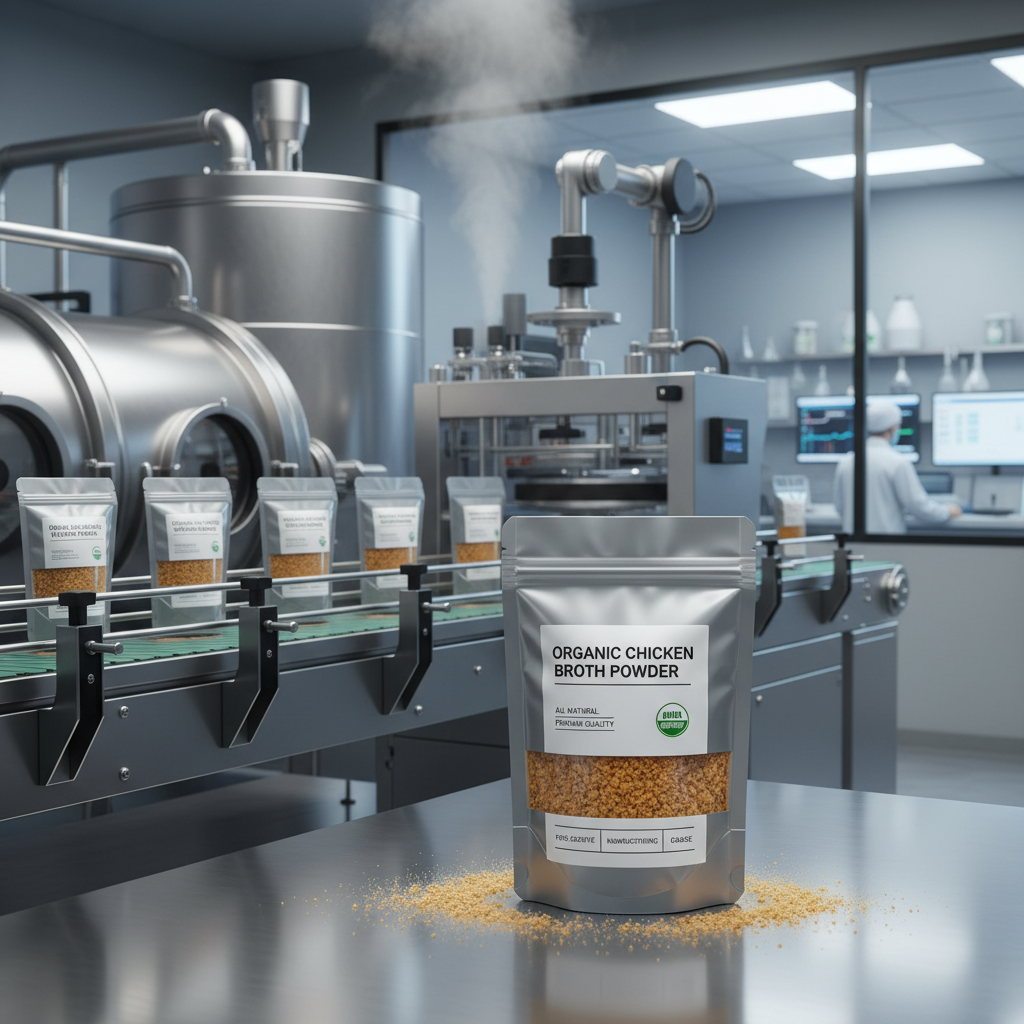
The global shift toward clean-label ingredients has propelled organic chicken broth powder from a niche health-food additive to a cornerstone of modern food manufacturing. As consumers increasingly demand transparency in sourcing and the elimination of synthetic additives, the food industry is pivoting toward organic dehydrated bases that provide authentic flavor without compromising dietary integrity.
Understanding the technical nuances of this ingredient is essential for product developers aiming to balance taste, shelf-stability, and regulatory compliance. By leveraging organic certification, manufacturers can tap into the premium "Better-for-You" market, ensuring that their soups, sauces, and convenience meals meet the stringent requirements of health-conscious demographics worldwide.
Beyond simple flavoring, the integration of high-quality organic chicken broth powder into food formulations represents a commitment to sustainable agriculture and animal welfare. This comprehensive guide explores the industrial applications, quality benchmarks, and future trajectory of this essential food additive in the global marketplace.
Global Market Dynamics of Organic Chicken Broth Powder
The demand for organic chicken broth powder has seen an unprecedented surge, mirroring the global rise in organic food consumption. According to recent agricultural trade data, the move toward organic-certified ingredients is no longer limited to specialty stores but has penetrated mainstream retail channels across North America and Europe. This shift is driven by an increased awareness of the risks associated with conventional poultry farming, such as antibiotic overuse and synthetic pesticide residues.
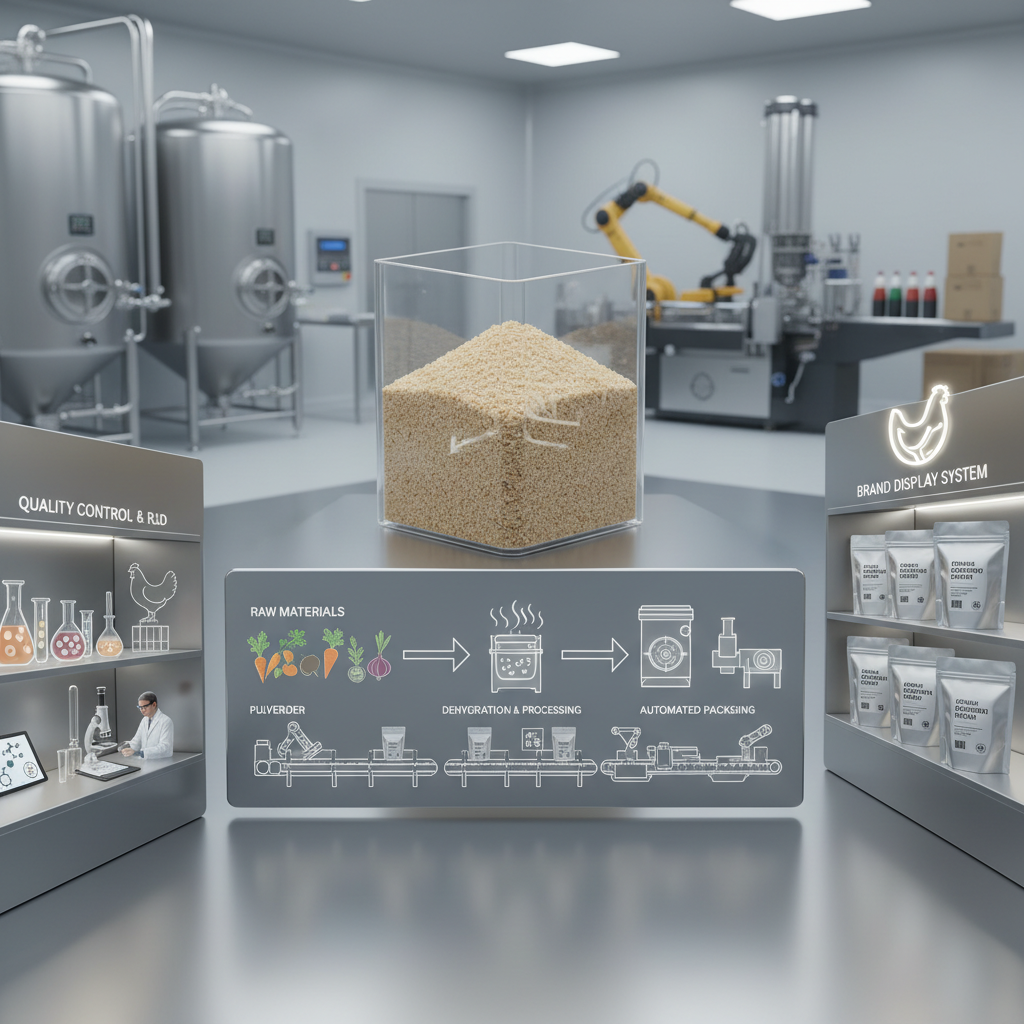
However, the industry faces a critical challenge: the scalability of organic raw materials. While the desire for organic chicken broth powder is high, the supply chain often struggles to maintain consistency in flavor and volume. This gap has created a significant opportunity for manufacturers who can implement advanced spray-drying and freeze-drying technologies to stabilize organic extracts without using chemical carriers, thus meeting both the volume requirements of global brands and the strict standards of organic certification.
Definition and Industrial Significance
In technical terms, organic chicken broth powder is a dehydrated concentrate derived from organic chicken meat and bones, simmered to extract amino acids, minerals, and natural fats, and then processed into a free-flowing powder. Unlike conventional powders, the organic version prohibits the use of MSG (monosodium glutamate), artificial colors, and synthetic preservatives, relying instead on organic sea salt or organic maltodextrin for stabilization.
The industrial significance of this ingredient lies in its versatility. It serves as a primary flavor base in the "Food Additive" category, allowing manufacturers to achieve a deep, savory "umami" profile while maintaining a "Certified Organic" label. This is crucial for brands targeting the health-conscious consumer who views the ingredient list as a primary indicator of product quality.
Furthermore, the transition to powdered forms solves the logistical nightmare of transporting liquid broths. By reducing weight and eliminating the need for refrigerated transport, organic chicken broth powder significantly lowers the carbon footprint of food production, aligning commercial success with environmental sustainability.
Core Components and Quality Benchmarks
The efficacy of organic chicken broth powder is primarily determined by its protein content and the purity of its organic extracts. A high-grade powder must retain the essential collagen and amino acids that characterize a slow-simmered traditional broth, ensuring that the final food product has a rich mouthfeel and authentic taste.
One of the most critical quality benchmarks for organic chicken broth powder is the absence of cross-contamination. Because it is often processed in large facilities, rigorous cleaning protocols and dedicated organic lines are required to ensure that no non-organic residues interfere with the certification, which is a non-negotiable requirement for high-end food exporters.
Finally, solubility and hygroscopicity are key technical factors. A superior organic chicken broth powder should dissolve rapidly in hot water without clumping, a characteristic achieved through precise particle size control during the milling process. This ensures seamless integration into automated industrial mixing systems.
Performance Factors in Food Applications
When integrating organic chicken broth powder into a commercial formula, developers focus on "Flavor Stability" and "Cost-to-Impact Ratio." Because organic ingredients can vary slightly by batch due to natural farming cycles, the ability of the powder to provide a consistent flavor profile across millions of units is the hallmark of a professional-grade additive.
Moreover, the interaction between the powder and other ingredients—such as organic thickeners or natural herbs—determines the final product's success. High-performance powders are engineered to be neutral in pH, preventing unwanted reactions that could alter the color or shelf-life of the end product.
Comparative Performance of Organic Broth Powder Methods
Global Application Use Cases
In the European market, organic chicken broth powder is extensively used in the production of organic bouillon cubes and instant soup mixes. These products cater to a population that values convenience but refuses to sacrifice health, making a clean-label powder an essential component for market entry in countries like Germany and France.
Beyond the retail sector, this powder finds critical use in specialized nutrition and food relief. For instance, in remote industrial zones or post-disaster relief operations, nutrient-dense, lightweight, and shelf-stable flavor bases like organic chicken broth powder are used to fortify emergency rations, providing necessary minerals and a sense of "comfort food" to populations in crisis.
Strategic Advantages and Long-term Value
The primary tangible benefit of utilizing organic chicken broth powder is the ability to command a premium price point. Consumers are statistically more likely to pay a higher margin for products labeled "Organic" and "No MSG," allowing manufacturers to offset the higher cost of raw organic materials through increased brand equity and customer loyalty.
From a sustainability perspective, the long-term value lies in the reduction of waste. Organic poultry farming promotes biodiversity and soil health, while the powdering process reduces the water consumption associated with the transport of liquid concentrates. This aligns a company's operational goals with global ESG (Environmental, Social, and Governance) targets.
Ultimately, the adoption of this ingredient fosters trust. In an era of "food scares," providing a traceable, certified organic product creates a psychological safety net for the consumer, transforming a simple seasoning into a promise of quality and ethical responsibility.
Future Innovations in Organic Powder Production
The next frontier for organic chicken broth powder is the integration of AI-driven precision fermentation and advanced membrane filtration. These technologies allow manufacturers to concentrate the flavor profiles of organic broths more efficiently, reducing the energy required for dehydration while intensifying the natural umami notes without additives.
Digital transformation is also playing a role through blockchain traceability. Future batches of organic chicken broth powder will likely come with a QR code, allowing the end consumer to trace the poultry back to the specific organic farm, ensuring total transparency in the supply chain and reinforcing the "Organic" claim.
As the industry moves toward "Green Energy" production, we expect to see a rise in solar-powered spray drying facilities. This will make the production of organic chicken broth powder not only organic in its ingredients but carbon-neutral in its manufacturing, setting a new gold standard for the food additive industry.
Analysis of Organic Chicken Broth Powder Production Standards
| Production Method |
Flavor Intensity (1-10) |
Solubility Rate |
Organic Compliance |
| Standard Spray Drying |
7.5 |
High |
Certified Organic |
| Advanced Freeze Drying |
9.8 |
Medium |
Premium Organic |
| Vacuum Concentration |
8.2 |
High |
Certified Organic |
| Drum Drying |
6.0 |
Low |
Basic Organic |
| Low-Temp Dehydration |
8.8 |
Medium |
Certified Organic |
| Hybrid Processing |
9.0 |
High |
Premium Organic |
FAQS
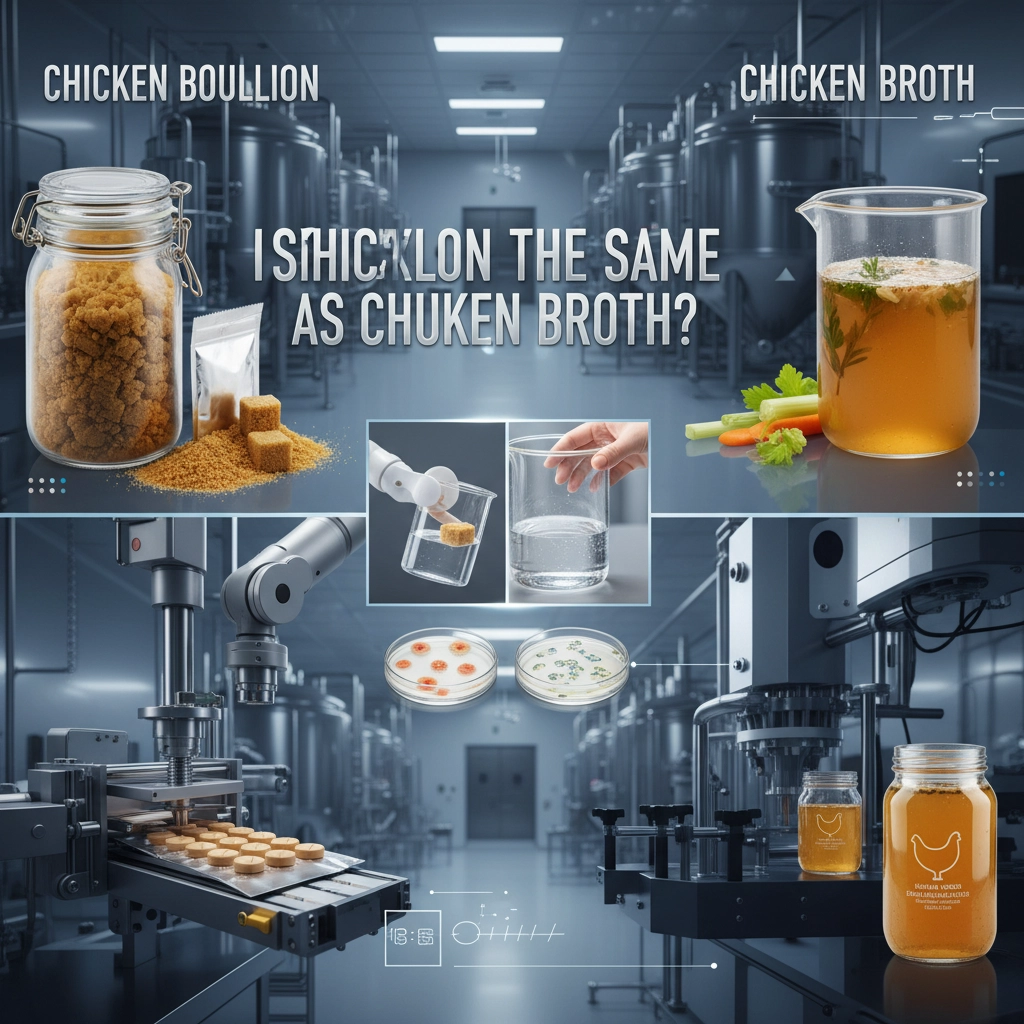
The primary difference lies in the sourcing and the additives. Organic chicken broth powder is derived from poultry raised without antibiotics or synthetic pesticides and is processed without MSG, artificial flavor enhancers, or synthetic preservatives. This results in a cleaner label and a more natural flavor profile that appeals to health-conscious consumers.
When stored in airtight, moisture-proof packaging in a cool, dry place, high-quality organic chicken broth powder typically maintains its optimal flavor and nutritional profile for 12 to 24 months. Because it lacks synthetic preservatives, proper sealing is critical to prevent oxidation of the natural fats.
Yes, it is specifically designed for industrial use. Its free-flowing nature and high solubility make it ideal for automated dosing systems in the production of instant soups, sauces, and seasonings, ensuring consistent flavor distribution across large batches.
Generally, yes. Most organic chicken broth powders are low in carbohydrates and rich in proteins and minerals. However, it is important to check the carrier used; powders using organic sea salt or minimal organic maltodextrin are ideal for keto and paleo applications.
You should request the COA (Certificate of Analysis) and the Organic Certification (such as USDA Organic or EU Organic) specifically for the batch being purchased. A reputable supplier will provide full traceability documentation from the poultry farm to the processing plant.
While some heat-sensitive vitamins may decrease during spray drying, the core minerals, amino acids, and collagen are well-preserved. Freeze-drying is the most effective method for retaining the maximum nutritional integrity, though it comes at a higher cost.
Conclusion
In summary, organic chicken broth powder represents the perfect intersection of traditional culinary value and modern industrial efficiency. By eliminating synthetic additives and focusing on certified organic sourcing, it provides food manufacturers with a powerful tool to meet the growing consumer demand for clean-label, sustainable, and high-performance ingredients.
Looking forward, the continued evolution of dehydration technologies and blockchain traceability will further solidify the role of organic powders in the global food supply chain. For companies seeking to elevate their product lines and build lasting trust with their customers, investing in premium organic additives is no longer an option—it is a strategic necessity. Visit our website: www.chinaseasoning.com