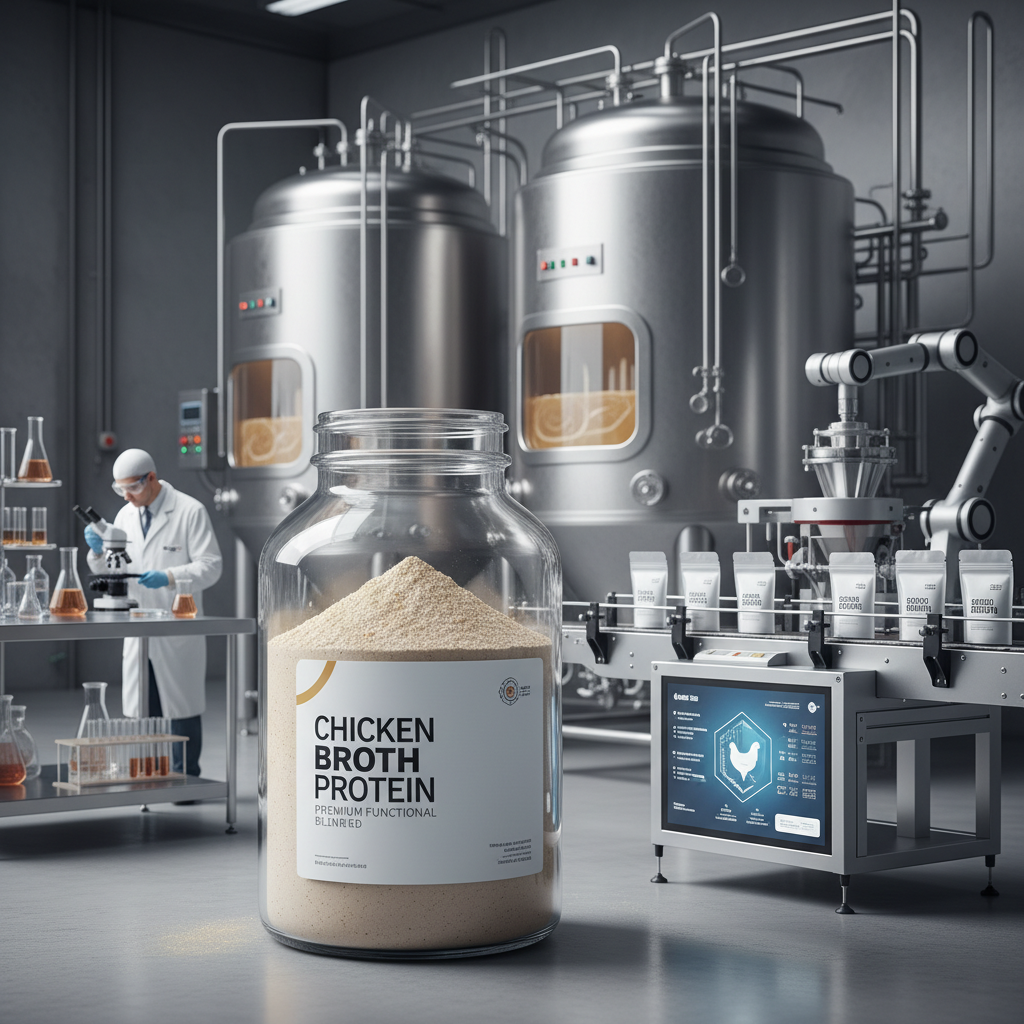
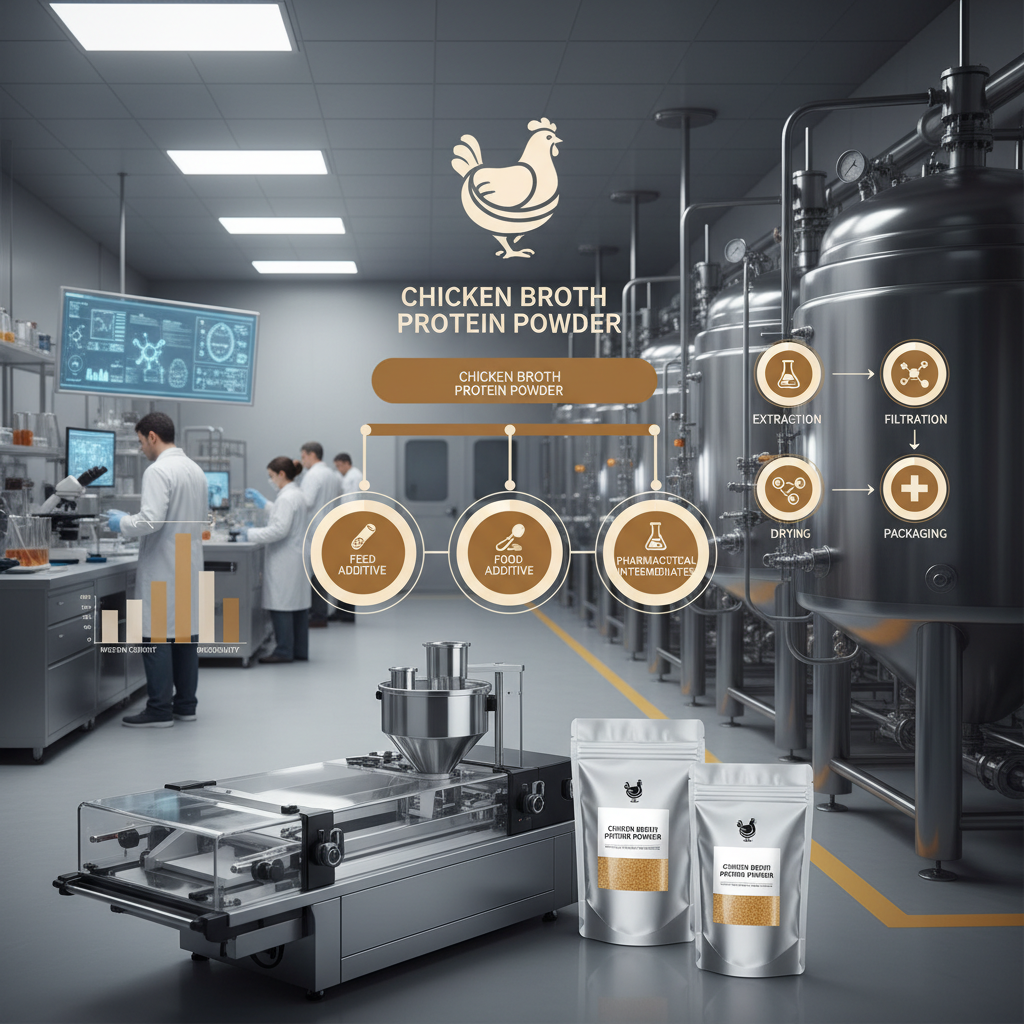
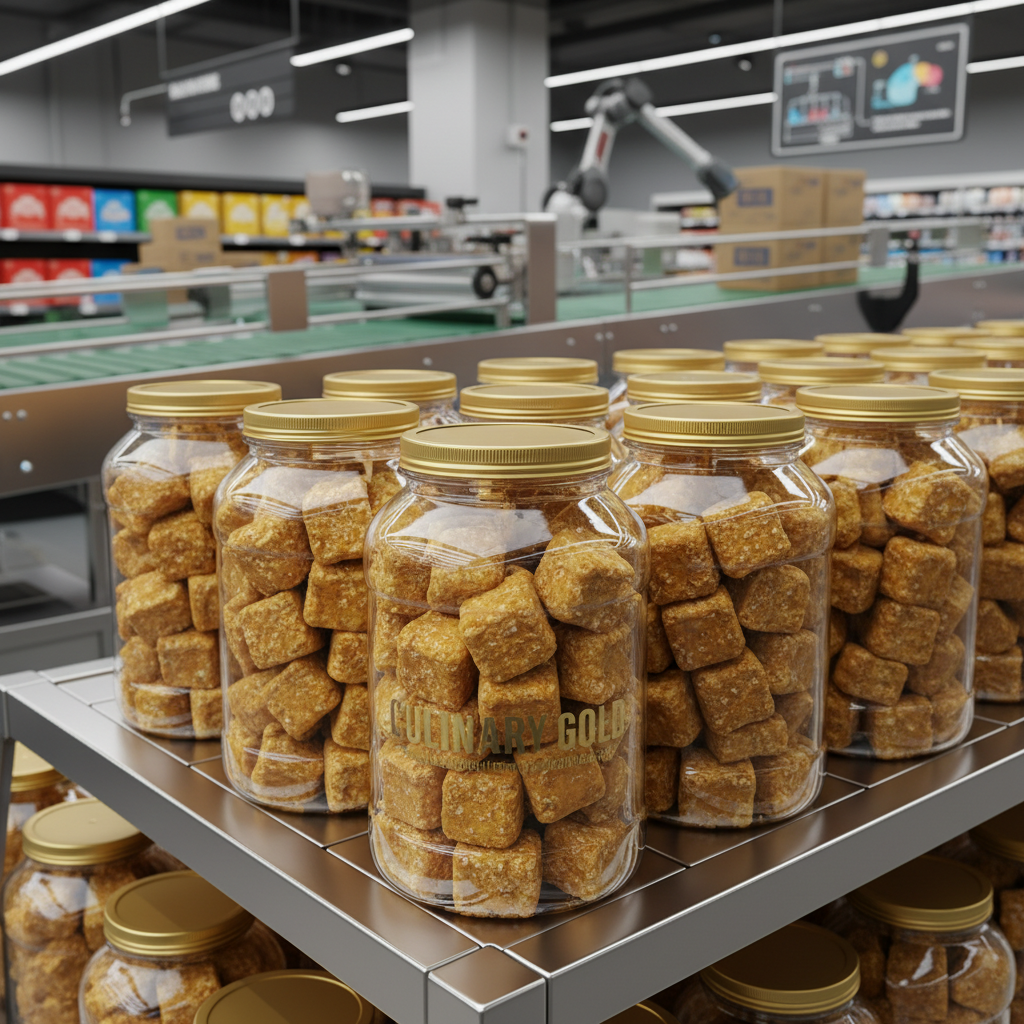
In the rapidly evolving landscape of global nutrition and functional ingredients, chicken broth protein powder has emerged as a powerhouse solution for both industrial food manufacturing and specialized dietary needs. By concentrating the essential amino acids and collagenous proteins found in traditional simmered broths, this powder offers a versatile, shelf-stable alternative that maintains the nutritional integrity and savory profile of the original source.
The global demand for high-quality protein sources is escalating, driven by an aging population requiring joint support and a fitness community seeking clean-label recovery supplements. As a bridge between traditional culinary wisdom and modern biotechnology, chicken broth protein powder provides a bioavailable protein matrix that is easier on the digestive system than many plant-based or whey alternatives, making it indispensable in the pharmaceutical and food additive sectors.
Understanding the nuances of this ingredient—from its hydrolysis process to its application in various food matrices—is crucial for manufacturers aiming to optimize product texture, flavor, and nutritional density. This comprehensive guide explores the industrial significance, technical specifications, and future trajectory of this vital protein derivative in the global market.
Global Market Context of Chicken Broth Protein Powder
The global appetite for functional proteins has shifted significantly toward "whole-food" derivatives. According to trends observed in international food safety and nutrition standards, there is a marked increase in the adoption of animal-based collagen and protein powders that mimic traditional diets. chicken broth protein powder fits perfectly into this niche, addressing the gap between highly processed isolates and inefficient raw ingredients.
Industries across North America, Europe, and Asia are facing the challenge of "protein fatigue," where consumers reject synthetic additives in favor of recognizable, nutrient-dense sources. By leveraging advanced spray-drying and enzymatic hydrolysis, manufacturers can now produce a powder that retains the gut-healing properties of bone broth while providing the scalability required for mass-market food additives and pharmaceutical intermediates.
Defining Chicken Broth Protein Powder in Modern Industry
At its core, chicken broth protein powder is a concentrated form of hydrolyzed collagen and amino acids derived from the slow-simmering of chicken connective tissues and bones, which is then dehydrated into a fine, soluble powder. Unlike standard bouillon, which focuses primarily on salt and flavor, this protein powder is engineered to maximize the nitrogen content and peptide bioavailability, making it a functional food ingredient rather than just a seasoning.
In the context of modern industry, this product serves as a critical raw material in the "Nutraceutical" sector. It is designed to meet the humanitarian need for high-density nutrition in regions suffering from protein deficiency, as well as the luxury market's demand for "beauty-from-within" supplements that support skin elasticity and joint health through collagen synthesis.
From a manufacturing perspective, it represents the pinnacle of byproduct valorization. By transforming what would otherwise be waste streams from the poultry industry into a high-value chicken broth protein powder, companies are adhering to circular economy principles while providing a cost-effective protein source for Feed Additive and Food Additive applications.
Core Components and Quality Drivers
The efficacy of chicken broth protein powder is primarily determined by its amino acid profile, specifically the concentration of glycine, proline, and hydroxyproline. These components are essential for the synthesis of connective tissues in the human body, ensuring that the powder is not just a filler but a biologically active ingredient.
Solubility and dispersibility are the two most critical technical parameters for any chicken broth protein powder. A high-quality powder must dissolve instantly in both hot and cold liquids without clumping, a feat achieved through precise control of the hydrolysis degree (DH) and the use of advanced agglomeration techniques during the drying phase.
Furthermore, the stability of the protein structure against thermal degradation is vital for its use in pharmaceutical intermediates. By optimizing the molecular weight distribution of the peptides, manufacturers can ensure that the chicken broth protein powder maintains its functional properties even when subjected to high-temperature processing in industrial food production.
Industrial Applications and Use Cases
The versatility of chicken broth protein powder allows it to span multiple industries. In the food additive sector, it is used as a natural flavor enhancer and protein fortifier in instant soups, protein bars, and medical-grade enteral nutrition formulas. Because it carries a natural "umami" profile, it reduces the need for synthetic MSG, aligning with clean-label trends.
Beyond human consumption, it is highly valued as a premium feed additive for aquaculture and livestock, where it promotes rapid growth and immune system resilience in young animals. In clinical settings, it is often integrated into recovery diets for patients recovering from surgery or burns, providing the necessary building blocks for tissue repair.
Efficiency Comparison of Chicken Broth Protein Powder Variants
Strategic Advantages and Long-Term Value
Integrating chicken broth protein powder into a product line offers significant economic and sustainability advantages. Logistically, the powdered form drastically reduces shipping weights and eliminates the need for refrigerated transport, cutting carbon footprints and storage costs compared to liquid broths.
From a brand perspective, using a natural protein derivative builds trust with consumers who prioritize transparency and ancestral nutrition. The emotional appeal of "bone broth" as a healing food, combined with the logical efficiency of a standardized powder, creates a powerful market position that justifies a premium price point while ensuring long-term consumer loyalty.
Future Innovations in Protein Extraction
The future of chicken broth protein powder lies in the integration of green chemistry. We are seeing a shift toward ultrasound-assisted extraction (UAE) and microwave-assisted extraction (MAE), which allow for the recovery of proteins at lower temperatures, preserving heat-sensitive peptides and reducing energy consumption.
Digital transformation is also playing a role, with AI-driven fermentation processes optimizing the enzymatic breakdown of collagen. By precisely controlling the peptide sequence, manufacturers can create "tailored" proteins that target specific health outcomes, such as enhanced cognitive function or accelerated muscle recovery, moving the product from a general additive to a precision nutraceutical.
Sustainability policies are further pushing the industry toward zero-waste facilities. Future plants will likely integrate chicken broth protein powder production with biogas energy recovery, ensuring that every part of the raw material is utilized, thus lowering the cost of the final pharmaceutical intermediate.
Challenges and Technical Solutions
One of the primary challenges in producing chicken broth protein powder is the management of the sensory profile. Natural protein concentrates can sometimes develop a bitter aftertaste due to the release of hydrophobic amino acids during hydrolysis. To solve this, manufacturers are employing advanced masking agents and customized spray-drying parameters to neutralize off-flavors.
Another hurdle is the consistency of raw material quality. Poultry sources vary by age and breed, affecting the collagen yield. The solution lies in the implementation of strict ISO-certified raw material grading and the use of standardized enzymatic cocktails that ensure a consistent molecular weight distribution regardless of the input batch.
Finally, oxidation of lipids present in the broth can lead to rancidity. The industry is overcoming this by introducing vacuum-drying technologies and adding natural antioxidants like rosemary extract, extending the shelf life of the chicken broth protein powder without compromising its clean-label status.
Technical Analysis of Chicken Broth Protein Powder Production Challenges
| Challenge Factor |
Impact on Product |
Technical Solution |
Efficiency Gain |
| Bitter Peptides |
Poor Palatability |
Enzymatic De-bittering |
High (9/10) |
| Lipid Oxidation |
Reduced Shelf Life |
Vacuum-Freeze Drying |
Medium (7/10) |
| Poor Solubility |
Clumping in Liquids |
Fluidized Bed Agglomeration |
High (8/10) |
| Batch Variability |
Inconsistent Potency |
Standardized Enzyme Dosing |
Medium (6/10) |
| High Energy Cost |
Lower Profit Margins |
Heat Recovery Systems |
High (9/10) |
| Raw Material Waste |
Environmental Impact |
Circular Byproduct Recovery |
Extreme (10/10) |
FAQS
Standard bouillon is primarily a seasoning agent focused on sodium and flavor enhancers. In contrast, chicken broth protein powder is a functional nutrient designed for protein supplementation. It contains a high concentration of hydrolyzed collagen and bioavailable amino acids, making it suitable for health supplements and pharmaceutical use, whereas bouillon lacks the therapeutic protein density required for these applications.
Yes, absolutely. Pure chicken broth protein powder is naturally carbohydrate-free and rich in essential proteins and minerals, making it an ideal fit for ketogenic and paleo diets. It provides the necessary electrolytes and collagen without adding sugars or grains, supporting metabolic health and muscle maintenance for those on strict low-carb regimens.
We utilize low-temperature spray drying and vacuum-assisted dehydration techniques. By carefully controlling the inlet and outlet temperatures, we prevent the denaturing of the protein peptides. This ensures that the chicken broth protein powder retains its biological activity and solubility, providing a consistent product that does not lose its nutritional value during manufacturing.
Yes, it is frequently used as a base for specialized medical nutrition and wound-healing supplements. Its high concentration of proline and glycine makes it a valuable intermediate for producing collagen-based pharmaceutical products. When produced under GMP conditions, it serves as a high-purity protein source for clinical formulas designed for tissue regeneration and immune support.
It promotes "upcycling" by transforming poultry industry byproducts (bones and connective tissue) into high-value food additives. This reduces biological waste in landfills and minimizes the environmental footprint of meat processing. By creating a closed-loop system, the production of chicken broth protein powder turns a waste stream into a profitable, sustainable nutrition source.
Liquid broths typically require refrigeration and have a shelf life of only a few days or weeks. In contrast, chicken broth protein powder, when stored in a cool, dry place in airtight packaging, can remain stable for 12 to 24 months. This drastic increase in stability is due to the removal of water, which inhibits microbial growth and enzymatic degradation.
Conclusion
In summary, chicken broth protein powder represents a sophisticated intersection of traditional nutrition and industrial innovation. By providing a concentrated, stable, and highly bioavailable source of protein, it addresses critical needs across the food, feed, and pharmaceutical sectors. From its role in supporting joint health and tissue repair to its capacity for reducing industrial waste, this ingredient offers a rare combination of nutritional efficacy and environmental sustainability.
Looking forward, the shift toward precision nutrition and clean-label ingredients will only increase the strategic value of this protein source. Manufacturers who invest in advanced hydrolysis and sustainable extraction methods will be best positioned to lead the market. We encourage industry professionals and product developers to explore the versatile applications of this powder to enhance their product offerings and meet the growing global demand for functional proteins. Visit our website: www.chinaseasoning.com