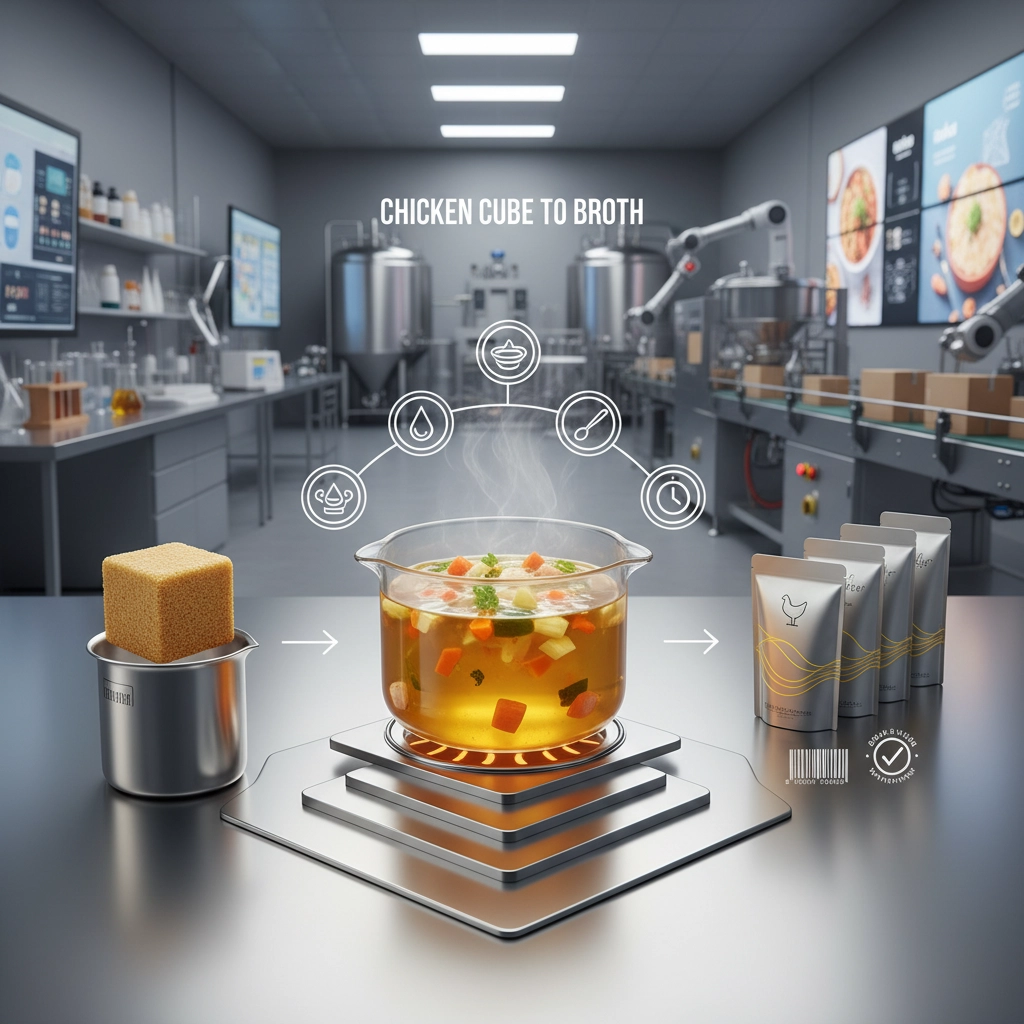
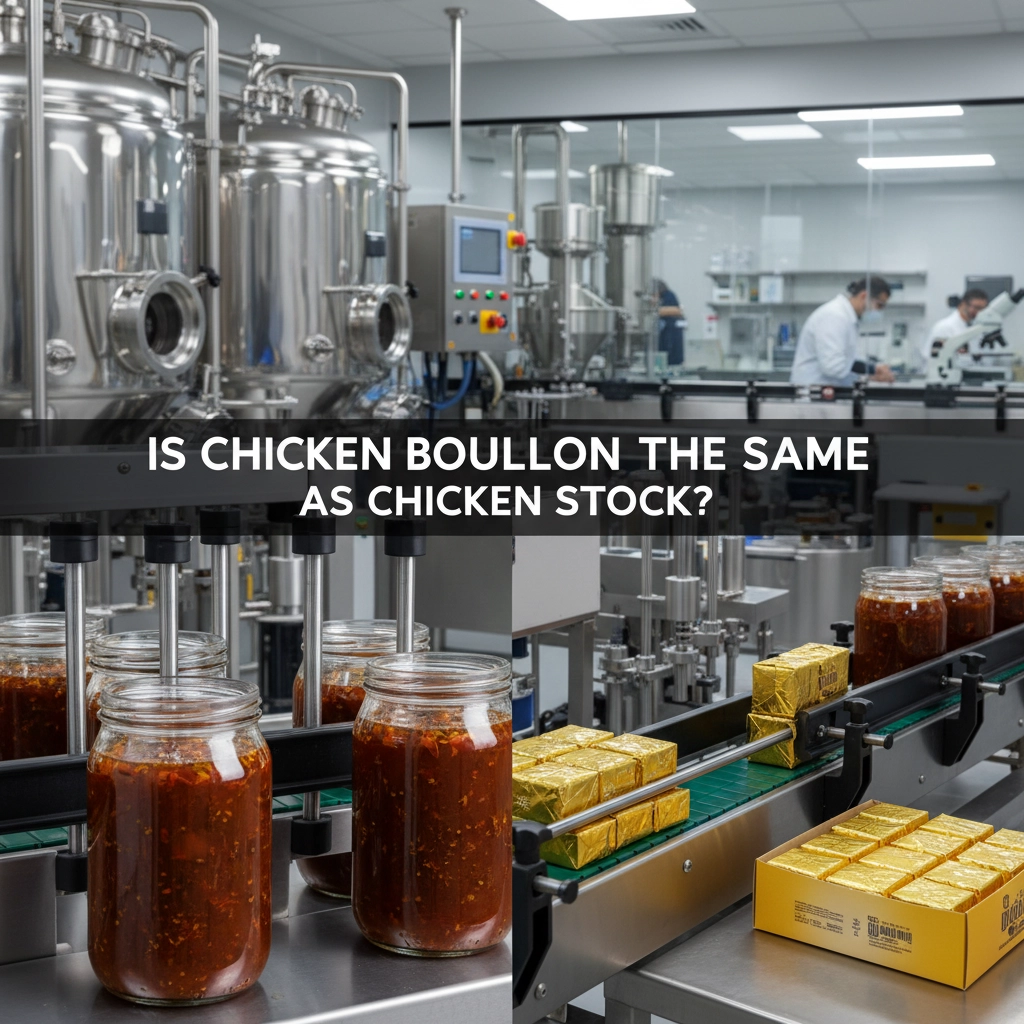
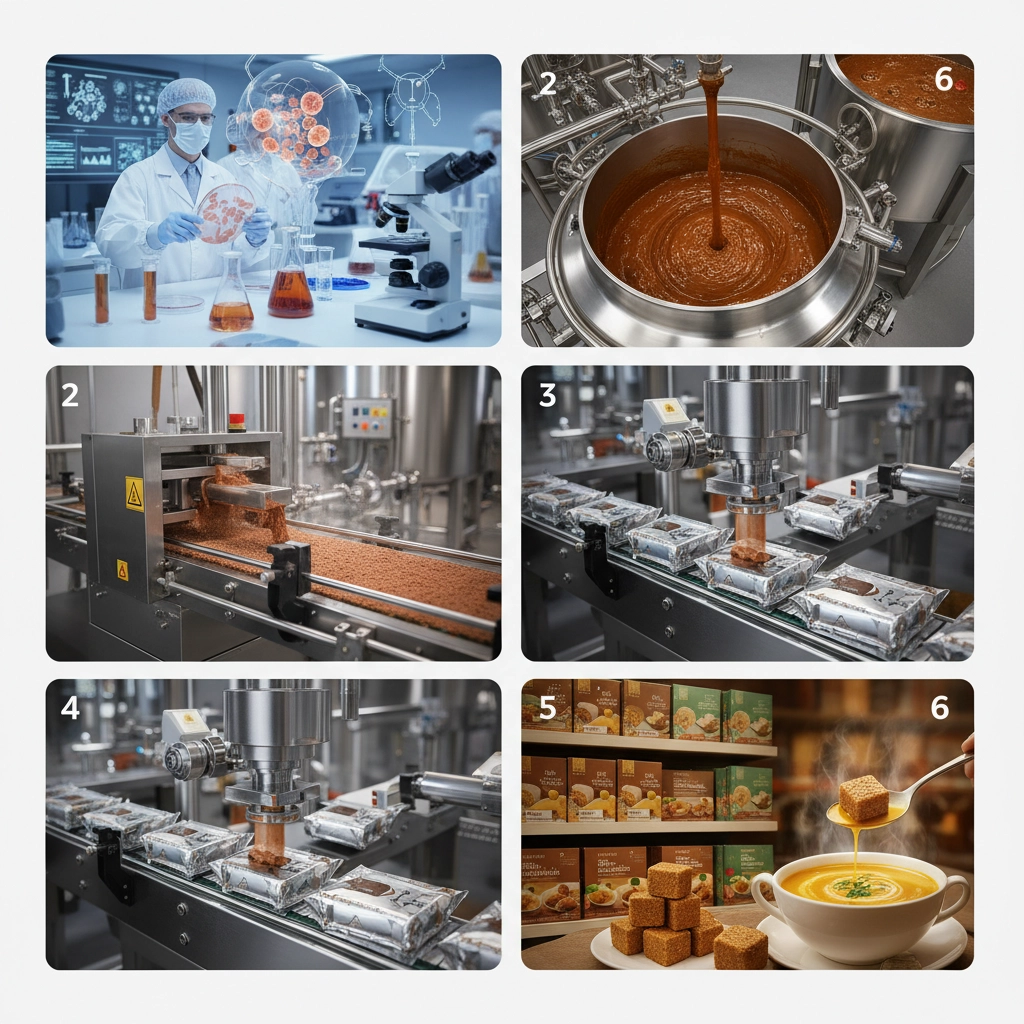
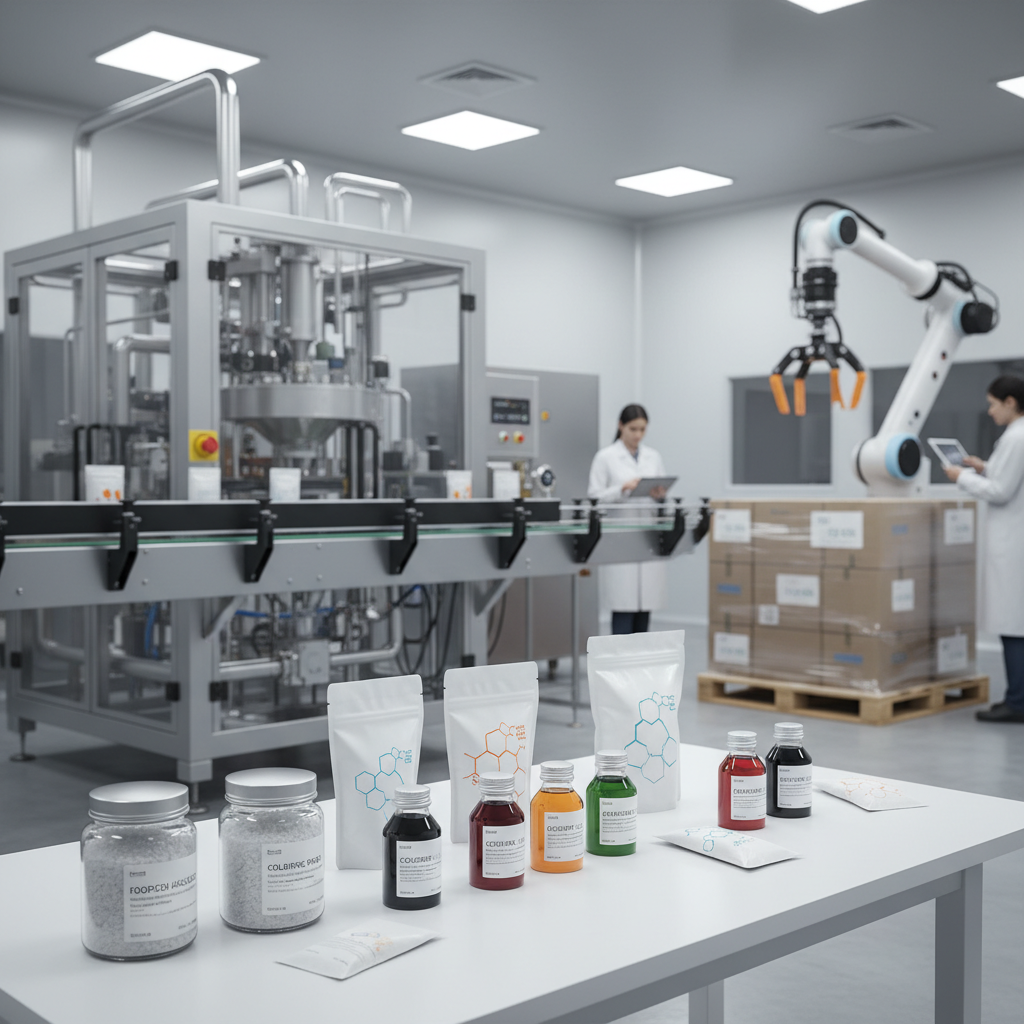
Converting a chicken cube to broth is more than just a simple culinary step; it is a sophisticated intersection of food chemistry and industrial convenience. In the fast-paced modern food landscape, the ability to instantly reconstitute a concentrated seasoning cube into a rich, savory base allows both home cooks and commercial kitchens to achieve consistency without the labor-intensive process of simmering bones for hours.
Globally, the demand for efficient flavor delivery systems has skyrocketed, leading to innovations in how these dehydrated concentrates are formulated. By understanding the mechanism of turning a chicken cube to broth, manufacturers can optimize the solubility and flavor release of food additives, ensuring that the final liquid product maintains a professional-grade taste profile across different geographic regions and water qualities.
For stakeholders in the food additive industry, mastering the transition from a solid cube to a liquid broth involves balancing salt content, MSG, and hydrolyzed proteins. This process is essential for creating scalable food solutions that meet the stringent dietary requirements of diverse populations while maintaining the sensory characteristics of traditional homemade stocks.
Global Market Dynamics of Chicken Cube to Broth
The global transition from fresh stock to the use of chicken cube to broth systems has been driven by urbanization and the need for shelf-stable food sources. According to food industry trends, the convenience food market has expanded significantly, with dehydrated bouillons becoming staples in emerging economies where refrigeration is inconsistent but the demand for protein-flavored bases remains high.
This shift is not merely about convenience but also about food security. In regions facing supply chain disruptions, the ability to store a compact cube and easily transform it into a nutrient-dense broth ensures that populations have access to essential flavor profiles and sodium levels required for basic nutrition.
The Technical Definition of Broth Reconstitution
In technical terms, the process of converting a chicken cube to broth is known as reconstitution. This involves the dissolution of a compressed matrix of salt, flavor enhancers, fats, and dehydrated chicken extracts into a solvent—typically boiling water. The goal is to achieve a homogenous solution where the particulates are fully integrated, mimicking the viscosity and mouthfeel of a long-simmered bone broth.
From a food science perspective, this process relies on the solubility of the ingredients. The lipids in the cube must emulsify quickly, while the crystalline salt and MSG must dissolve without leaving grit. This delicate balance ensures that the transition from a solid state to a liquid broth happens rapidly, which is a critical KPI for consumer satisfaction.
Moreover, this process is deeply connected to the pharmaceutical and food additive industries. The use of anti-caking agents and binders allows the cube to remain stable during storage but break down instantly upon contact with heat, showcasing a sophisticated application of material science in everyday cooking.
Core Components for Optimal Solubility
To achieve a seamless transition from chicken cube to broth, the formulation must prioritize "instant solubility." This is primarily managed through the particle size of the dehydrated chicken powder and the ratio of salt to binders, ensuring no clumps remain in the final liquid.
One of the most critical factors in the chicken cube to broth process is the role of emulsifiers. These additives ensure that the fats and oils within the cube do not float on the surface of the broth but instead create a rich, opaque appearance that signifies quality and depth of flavor.
Finally, the inclusion of hydrolyzed vegetable proteins (HVP) enhances the umami profile. When a user converts a chicken cube to broth, these proteins reactivate, providing the savory "meatiness" that consumers expect from a traditional stock, despite the minimal amount of actual chicken solids used.
Industrial Applications and Scalability
In commercial food production, the scalability of the chicken cube to broth model is invaluable. Industrial kitchens use these concentrates to produce thousands of liters of base liquid daily, reducing the need for massive boiling vats and the energy consumption associated with traditional stock production.
Beyond restaurants, this technology is applied in the production of instant noodles and ready-to-eat meals. The "broth packet" is essentially a powdered version of the cube, designed to turn into a full-flavored soup in seconds, demonstrating the versatility of the reconstitution technology.
Efficiency Comparison of Chicken Cube to Broth Methods
Economic Advantages of Concentrated Bases
The economic logic behind using chicken cube to broth systems is primarily based on logistics and storage. Transporting water is expensive; by removing the water and concentrating the flavor into a cube, manufacturers reduce shipping weights by over 90%, drastically lowering the carbon footprint and freight costs.
Furthermore, the extended shelf life of the cube compared to liquid broth eliminates the need for expensive cold-chain logistics. This allows the product to reach remote markets and rural areas where refrigeration is unavailable, democratizing access to high-quality flavor enhancers.
Future Innovations in Dehydrated Seasoning
The future of converting a chicken cube to broth lies in "Clean Label" technology. There is a growing consumer demand for the removal of MSG and artificial colors. Innovations in yeast extracts and natural flavor crystallization are allowing manufacturers to maintain the same potency and solubility without the use of synthetic additives.
Digital transformation is also playing a role. AI-driven formulation software is now used to predict how different salt-protein ratios will react in various water hardness levels globally, ensuring that a cube dissolved in New York tastes identical to one dissolved in Tokyo.
Additionally, sustainability is driving the move toward plant-based "chicken" cubes. By using mycelium or pea protein, the process of creating a broth remains the same, but the environmental impact is significantly reduced, appealing to the growing vegan and flexitarian demographics.
Overcoming Common Reconstitution Challenges
One of the most common issues when turning a chicken cube to broth is the presence of "undissolved cores." This occurs when the outer layer of the cube hydrates too quickly, creating a gel-like barrier that prevents water from reaching the center. To solve this, manufacturers are experimenting with porous compression techniques.
Another challenge is the "salt spike," where the broth tastes overly salty initially but loses flavor as it reduces. Expert formulators are now utilizing a blend of fast-dissolving and slow-release salts to provide a consistent taste profile throughout the cooking process.
Finally, managing the lipid oxidation that can occur during long-term storage is crucial. The use of natural antioxidants like rosemary extract helps ensure that when the chicken cube to broth process occurs, the aroma is fresh and free from rancid notes.
Comparative Analysis of Reconstitution Quality Metrics
| Additive Type |
Solubility Speed |
Flavor Depth |
Stability Score |
| Standard MSG-Based |
Ultra Fast |
High (Salty) |
9/10 |
| Natural Yeast Extract |
Fast |
Very High |
8/10 |
| Low-Sodium Blend |
Moderate |
Medium |
7/10 |
| Plant-Based Alt |
Moderate |
High (Umami) |
8/10 |
| Premium Organic |
Slow |
Extreme |
6/10 |
| Industrial Grade |
Ultra Fast |
Medium |
10/10 |
FAQS
Undissolved clumps usually occur due to "case hardening," where the exterior of the cube hydrates too quickly and creates a barrier. To prevent this, always use boiling water and stir continuously. If you are using industrial-grade additives, ensure the water temperature is consistently above 90°C for optimal dissolution.
While possible, it is not recommended. The fats and emulsifiers in the cube are designed to melt at high temperatures. Cold water will result in a grainy texture and floating fat globules, as the lipids cannot emulsify without heat, compromising the professional quality of the broth.
Chicken cubes provide concentrated flavor and essential sodium, but they lack the collagen and gelatin found in slow-simmered bones. However, for culinary purposes, they provide a consistent umami base that is functionally equivalent in most recipes and significantly more cost-effective.
If your chicken cube to broth conversion results in a taste that is too salty, you can dilute it with more unsalted water or add a starch-based vegetable (like a potato) to absorb some of the excess sodium. Adjusting the water-to-cube ratio is the most effective way to control salt levels.
Most high-quality cubes last 12-24 months if stored in a cool, dry place. However, if the cube absorbs moisture from the air (hygroscopy), it may harden or clump, making the transition to broth slower and more difficult. Always keep them in airtight packaging.
Yes, many modern manufacturers have replaced wheat-based binders with cornstarch or rice flour. When sourcing for industrial use, always check the additive list for "maltodextrin" or other gluten-free carriers to ensure the final broth meets dietary certifications.
Conclusion
The transformation from a chicken cube to broth is a testament to the efficiency of modern food additive science. By condensing complex flavors into a stable, dehydrated format, the industry has solved the problems of waste, logistics, and consistency, allowing for high-quality culinary results in any environment. From the chemistry of emulsification to the economic benefits of reduced shipping weight, the value of this process extends far beyond the kitchen.
Looking forward, the evolution of these products will likely center on sustainability and health, with a shift toward organic and plant-based alternatives. For businesses in the food manufacturing sector, investing in high-solubility, clean-label formulations will be the key to capturing the next generation of conscious consumers. Explore our professional solutions to enhance your production: Visit our website: www.chinaseasoning.com