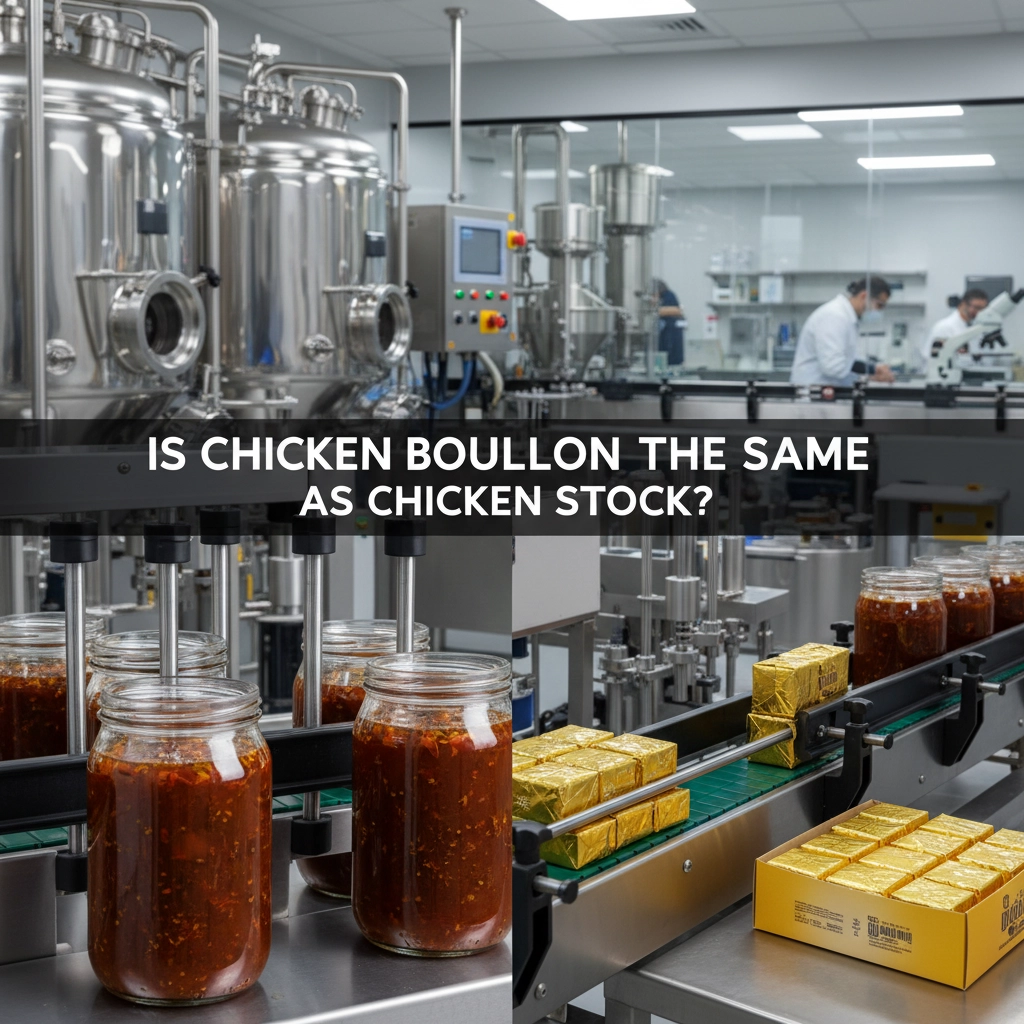
When venturing into the culinary arts or industrial food production, one common point of confusion for many is whether is chicken bouillon the same as chicken stock. While both are used to add depth, richness, and a savory "umami" profile to dishes, they differ significantly in their physical state, concentration, and chemical composition. Understanding these nuances is essential for ensuring consistency in flavor and texture across various food applications.
From a global perspective, the demand for standardized seasoning bases has surged as the fast-paced food industry seeks efficiency without sacrificing taste. Whether you are a home cook or a professional manufacturer in the food additive sector, knowing if is chicken bouillon the same as chicken stock allows for better inventory management and precise recipe formulation. The distinction lies primarily in the processing—one being a fresh extraction and the other a dehydrated concentrate.
Ultimately, the choice between the two depends on the desired outcome, budget, and shelf-life requirements. While stock offers a more authentic, collagen-rich mouthfeel, bouillon provides an unparalleled level of convenience and a concentrated punch of flavor. By exploring the technical differences, we can better appreciate how food additives and processing techniques bridge the gap between raw ingredients and commercial convenience.
Defining the Difference: Chicken Bouillon vs. Chicken Stock
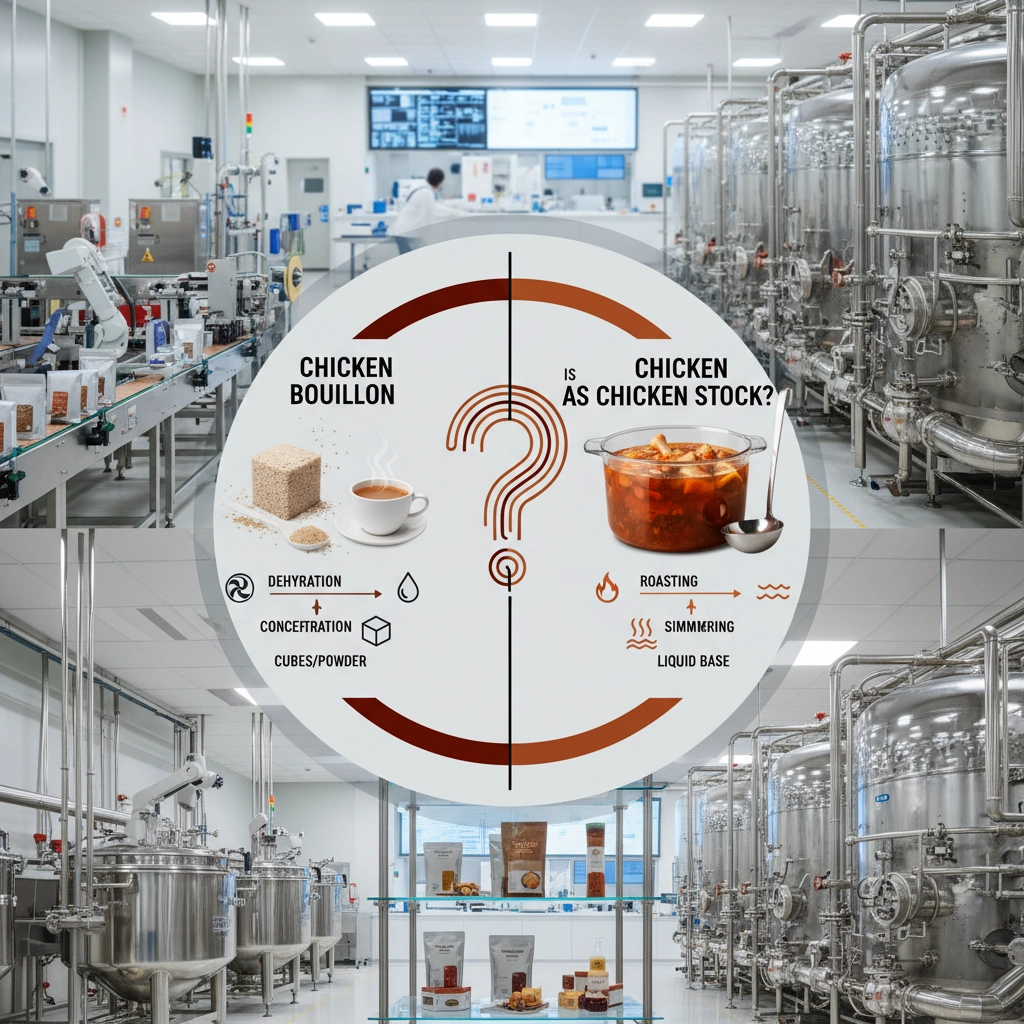
To answer the question is chicken bouillon the same as chicken stock, we must first define them. Chicken stock is a liquid produced by simmering chicken bones and aromatic vegetables in water, resulting in a nutrient-dense liquid rich in gelatin. It is the "gold standard" for gourmet cooking, providing a natural viscosity and a clean, deep flavor profile.
Chicken bouillon, conversely, is a dehydrated version of a broth or stock, typically sold as a cube, powder, or paste. It is a concentrated food additive that requires the addition of water to be usable. While it mimics the taste of stock, it often contains higher levels of sodium, MSG, and other flavor enhancers to ensure a potent taste despite the lack of fresh collagen.
The Industrial Context of Flavor Concentrates
In the global food manufacturing sector, the debate over whether is chicken bouillon the same as chicken stock shifts from culinary preference to logistical efficiency. With the rise of processed foods and ready-to-eat meals, the industry relies heavily on standardized flavor bases. According to global food trade data, the market for dehydrated seasonings has grown exponentially due to the need for longer shelf lives and reduced shipping weights.
The primary challenge for manufacturers is maintaining flavor consistency across different batches. Freshly brewed stock is subject to natural variations in raw materials, whereas bouillon—a product of precise chemical engineering—offers a guaranteed flavor profile. This predictability is crucial for pharmaceutical intermediates and food additives used in large-scale industrial kitchens and food processing plants.
Furthermore, the logistical burden of transporting liquid stock (which is mostly water) is prohibitively expensive. By utilizing bouillon technology, companies can ship high-intensity flavor concentrates globally, reducing the carbon footprint and storage costs associated with temperature-controlled liquid warehouses.
Core Components and Chemical Composition
When analyzing the chemical makeup to determine is chicken bouillon the same as chicken stock, we look at the protein structure. Stock is characterized by its high gelatin content, derived from the slow breakdown of collagen in chicken joints and bones.
Bouillon, however, relies on hydrolyzed proteins and salt. In the realm of food additives, bouillon is often fortified with yeast extracts and maltodextrin to simulate the mouthfeel that is naturally present in stock. This technical substitution is what allows bouillon to remain stable at room temperature for years.
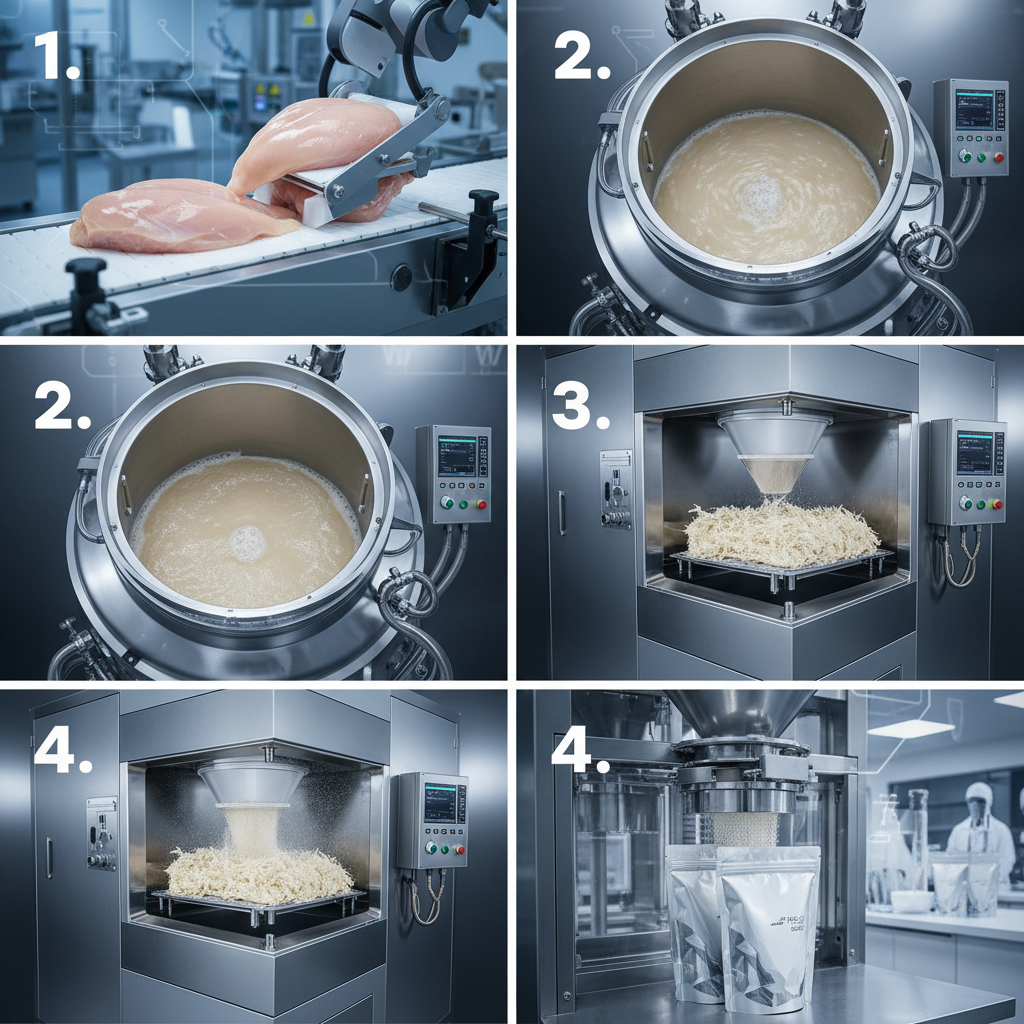
From a nutritional standpoint, stock is generally lower in sodium and higher in amino acids. The industrial production of bouillon involves spray-drying or granulation, which strips away the volatile liquids but concentrates the savory salts, creating a product that is functionally different from a fresh simmered stock.
Efficiency and Scalability in Production
For commercial enterprises, the question of is chicken bouillon the same as chicken stock translates to a question of ROI (Return on Investment). Using fresh stock in a facility producing 10,000 units per hour is practically impossible due to the time and energy required for simmering.
Bouillon allows for "instant scaling." A manufacturer can simply add a precise weight of powder to a mixing tank, ensuring that every single unit of the final product tastes exactly the same. This scalability is the cornerstone of the modern food additive industry.
Comparative Efficiency: Chicken Bouillon vs. Chicken Stock
Global Applications in the Food Industry
The application of these two substances varies by region and economic need. In high-end European gastronomy, the answer to is chicken bouillon the same as chicken stock is a resounding "no," as traditional French and Italian cuisines rely on the slow extraction of flavor for their sauces.
However, in disaster relief operations or remote industrial zones, bouillon is a lifesaver. NGOs often distribute bouillon cubes in food aid packages because they provide essential sodium and flavor to bland grains, are lightweight to transport, and do not require refrigeration—benefits that liquid stock simply cannot offer.
Long-Term Value: Cost and Sustainability
When evaluating the long-term value, we must consider the environmental impact. Producing fresh stock on an industrial scale requires massive amounts of water and energy for heating. In contrast, the production of high-quality bouillon concentrates can be optimized through energy-efficient drying processes, though the inclusion of additives is a point of scrutiny.
Economically, the cost-per-liter of bouillon is significantly lower than that of stock. This allows food manufacturers to keep the end-consumer price stable while maintaining a savory profile. The reliability of a long shelf-life also reduces food waste, which is a critical goal for sustainable supply chain management.
From a trust and safety perspective, industrial bouillon is produced under strict ISO and HACCP standards, ensuring that harmful pathogens (which can grow in improperly stored fresh stock) are eliminated during the dehydration process.
Future Trends in Seasoning Technology
The future of flavor concentrates is moving toward "Clean Label" bouillon. As consumers become more aware of ingredients, manufacturers are developing bouillon that removes MSG and artificial dyes while maintaining the convenience that separates it from fresh stock.
Digital transformation in the food additive industry is also playing a role. AI-driven flavor profiling is being used to analyze the molecular structure of traditional stocks to create bouillon that is virtually indistinguishable from the real thing, effectively blurring the line of whether is chicken bouillon the same as chicken stock.
Additionally, we are seeing a shift toward plant-based "chicken" bouillon using fermented fungi and pea proteins, catering to the growing vegan and vegetarian global market.
Comparative Analysis of Stock and Bouillon Characteristics
| Characteristic |
Fresh Chicken Stock |
Concentrated Bouillon |
Industrial Impact |
| Physical State |
Liquid/Gel |
Cube/Powder |
Logistics Efficiency |
| Shelf Life |
Short (Days) |
Long (Years) |
Waste Reduction |
| Main Ingredient |
Bones & Water |
Salt & Extract |
Sourcing Scalability |
| Sodium Level |
Low/Natural |
High/Controlled |
Flavor Intensity |
| Production Time |
High (Hours) |
Instant |
Operational Speed |
| Mouthfeel |
Rich/Viscous |
Thin/Salty |
Quality Perception |
FAQS
Yes, but with caution. Since bouillon is highly concentrated and salty, you should reduce the additional salt in your recipe. Simply dissolve the bouillon in the amount of water specified on the package to mimic the volume of stock required. However, you will miss the natural gelatinous thickness of real stock.
Fresh chicken stock is generally healthier as it contains natural collagen, glucosamine, and fewer processed additives. Bouillon often contains high levels of sodium and MSG, which may be a concern for individuals with hypertension or dietary restrictions.
This is due to the use of flavor enhancers like monosodium glutamate (MSG) and concentrated yeast extracts. These ingredients trigger the umami receptors in your taste buds more aggressively than the natural amino acids found in simmered bones.
By incorporating hydrolyzed collagen and natural yeast extracts, manufacturers can recreate the "body" of real stock. Moving toward spray-drying technologies also helps preserve volatile aromatic compounds that are often lost in traditional heat-drying.
Yes, in the context of large-scale manufacturing, bouillon is categorized as a seasoning or flavor additive. It is used to standardize the taste profile of soups, sauces, and processed meats across global production lines.
The core flavor is usually the same, but powders dissolve faster and are easier to measure for large-scale industrial applications. Cubes are more convenient for retail consumers and home use due to pre-measured portions.
Conclusion
In summary, while the average consumer may ask is chicken bouillon the same as chicken stock, the technical reality is that they serve different purposes. Stock is a culinary foundation based on extraction and nutrition, whereas bouillon is a masterpiece of food science designed for efficiency, consistency, and global distribution. From the gelatinous richness of a slow-simmered pot to the instant convenience of a dehydrated cube, both play an indispensable role in the global food ecosystem.
As the industry evolves, we expect to see a convergence where bouillon adopts the nutritional benefits of stock through advanced biotechnology. For businesses and chefs alike, the key is to choose the medium that aligns with their goals—whether that is the artisanal quality of a fine dining restaurant or the scalable precision of a global food manufacturer. To explore high-quality seasoning solutions and food additives, visit our website: www.chinaseasoning.com.