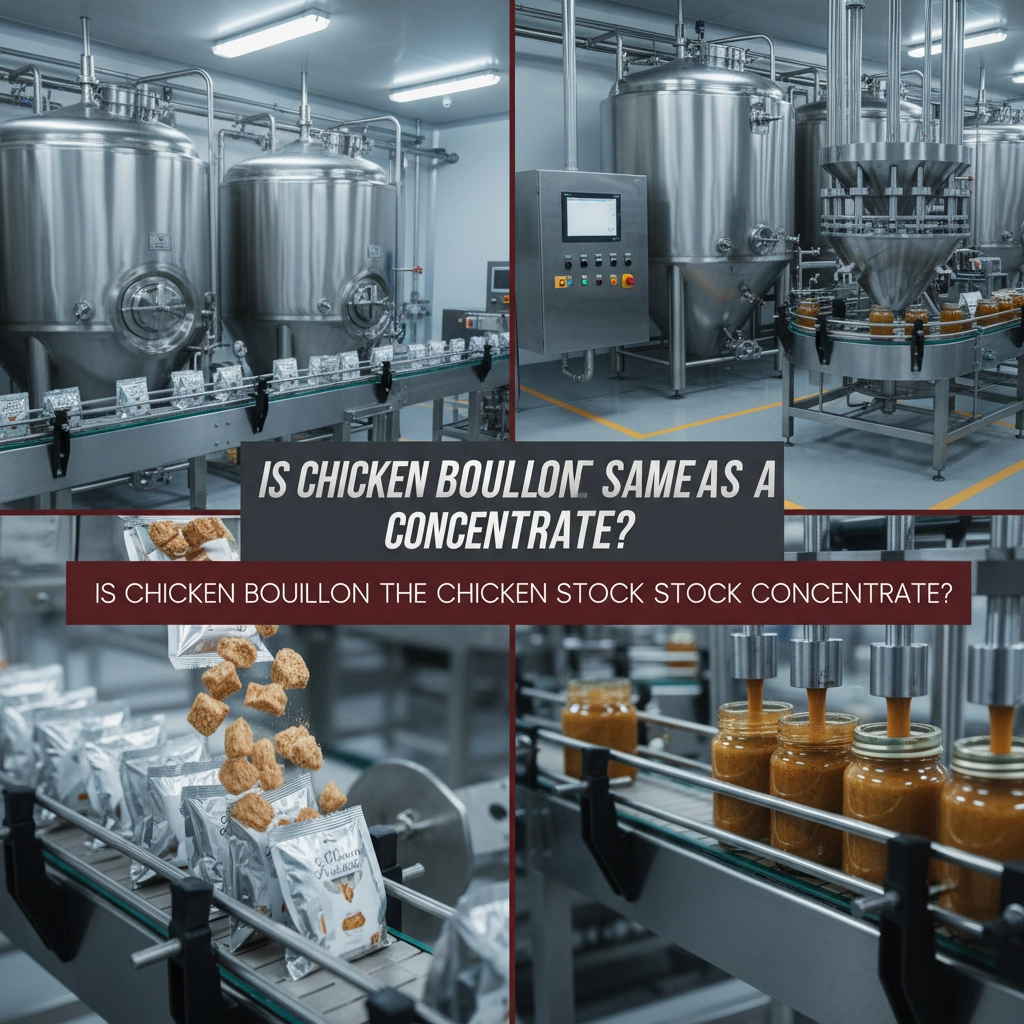
Understanding the nuances of flavor enhancers is crucial for both home cooks and industrial food producers. A common point of confusion in the culinary and food manufacturing world is whether is chicken bouillon the same as chicken stock concentrate, as both serve as convenient shortcuts to achieving a rich, savory base. While they appear similar in purpose, their chemical composition, moisture content, and application methods differ significantly.
From a global market perspective, the demand for concentrated seasonings has surged as the food industry seeks efficiency and consistency. Whether it is a professional chef in a high-volume kitchen or a food additive manufacturer producing large-scale batches, knowing the technical distinction between a dehydrated bouillon and a liquid concentrate ensures the final product maintains the desired viscosity and flavor profile.
By exploring the differences in production processes—from spray-drying techniques used in bouillon to the reduction methods used in concentrates—we can better appreciate how these products impact cost, shelf-life, and taste. Clarifying if is chicken bouillon the same as chicken stock concentrate allows businesses to optimize their ingredient sourcing and improve the sensory quality of their food products.
Defining the Difference: Bouillon vs. Concentrate
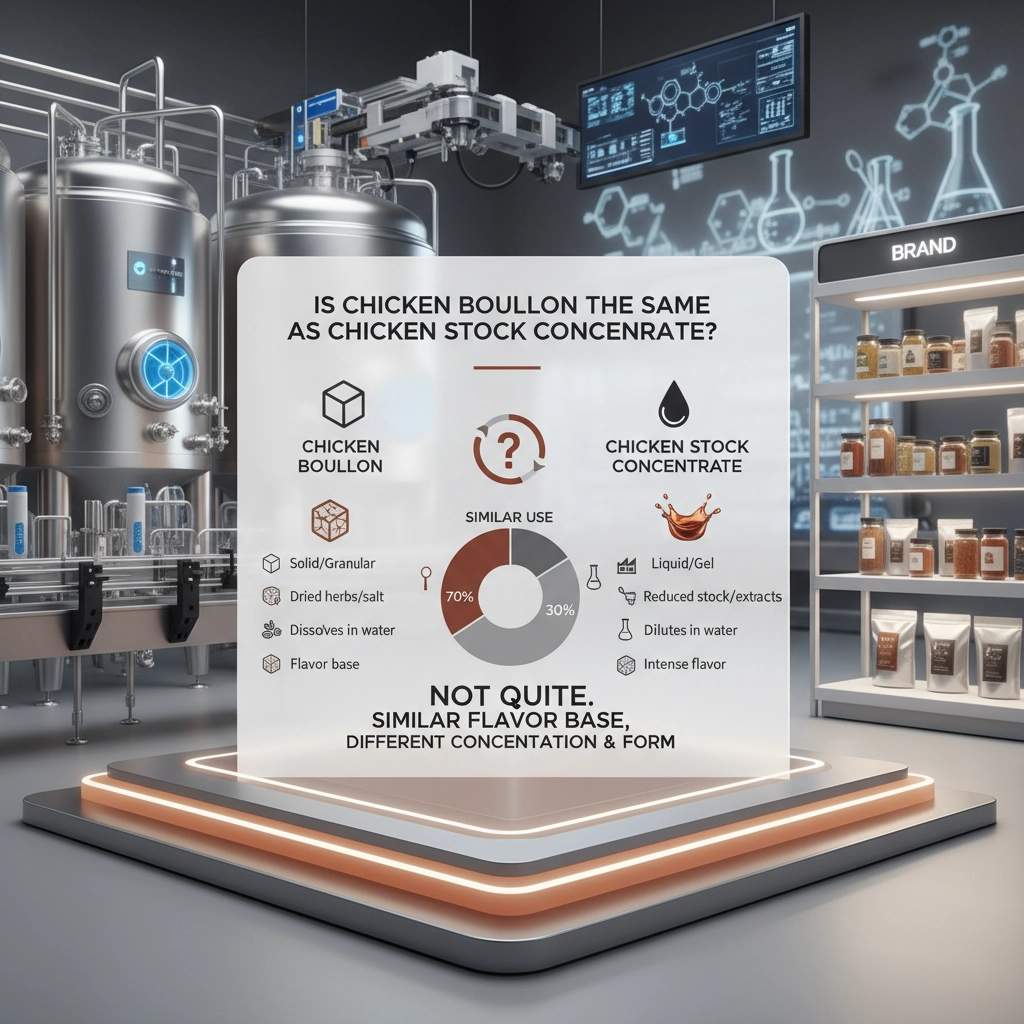
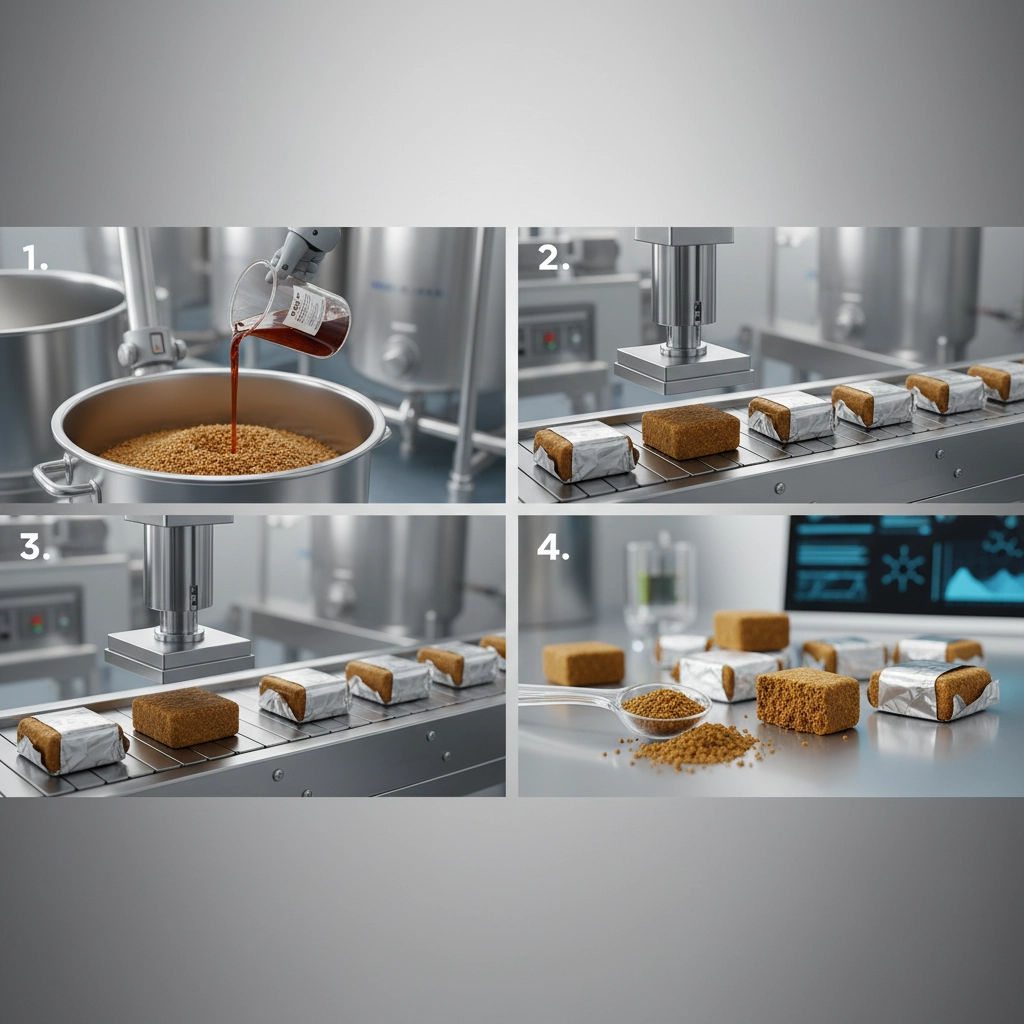
To answer the core question—is chicken bouillon the same as chicken stock concentrate—we must first look at the state of the matter. Chicken bouillon is typically a dehydrated product, available as cubes or powders, consisting of salt, flavor enhancers, and dried chicken extract. It is designed for maximum shelf stability and rapid dissolution in boiling water, making it a staple in household pantries worldwide.
In contrast, chicken stock concentrate is a thick, syrupy liquid or a highly reduced paste. While it is also a condensed form of stock, it retains a higher percentage of the original liquid's gelatin and natural fats. This results in a mouthfeel and depth of flavor that is often closer to traditional homemade stock than the salt-forward profile of a bouillon cube.
The Technical Composition of Savory Enhancers
When analyzing the chemical makeup of these ingredients, the distinction becomes clearer. Bouillon relies heavily on salt as a preservative and a carrier for flavor, often incorporating MSG (Monosodium Glutamate) or yeast extracts to mimic the "umami" taste of slow-simmered chicken. Because it is completely dehydrated, the ingredients are concentrated into a crystalline structure.
Chicken stock concentrate, however, focuses on the reduction of water through heat. This process concentrates the natural collagen and proteins from the chicken bones and meat. The result is a product that is dense in nutrients and flavor, often requiring fewer artificial additives to achieve a professional-grade taste profile.
Therefore, when a chef asks is chicken bouillon the same as chicken stock concentrate, they are really asking about the balance between convenience and quality. The concentrate provides a richer viscosity, while the bouillon provides a standardized, salt-heavy base that is easy to measure and store.
Industrial Production Methods and Stability
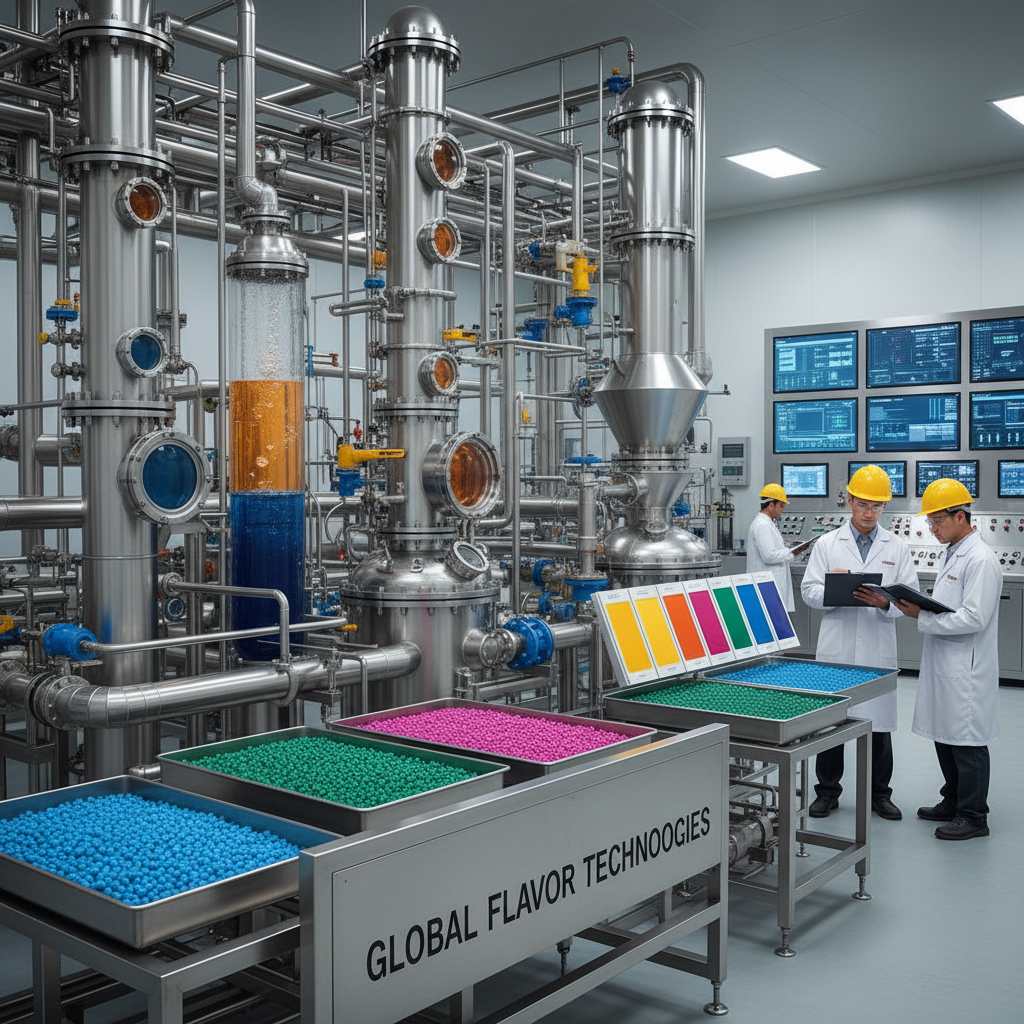
The manufacturing process is where the answer to "is chicken bouillon the same as chicken stock concentrate" becomes a matter of engineering. Bouillon is produced using spray-drying or freeze-drying technology, where the liquid stock is atomized into a hot air chamber to remove moisture instantly, creating a fine powder.
From an industrial standpoint, the stability of these products varies. Bouillon is virtually impervious to temperature fluctuations due to its low water activity, whereas stock concentrates require stricter temperature controls or the addition of stabilizers to prevent separation and spoilage, proving that is chicken bouillon the same as chicken stock concentrate only in name, not in stability.
For food additive manufacturers, the choice between these two depends on the final application. If the end product is a dry soup mix, bouillon is the logical choice. However, for ready-to-eat sauces or premium frozen meals, the rich texture of a concentrate is indispensable.
Comparative Performance in Culinary Applications
In practical kitchen applications, the choice of ingredient affects the final sensory experience. Bouillon is excellent for quick soups or as a seasoning for grains, but its high sodium content can easily overpower a dish if not balanced. It provides a consistent "baseline" flavor that is predictable across different batches.
Concentrates excel in reductions and pan sauces. Because they contain natural gelatins, they contribute to a "glossy" finish on sauces that bouillon simply cannot replicate. When debating is chicken bouillon the same as chicken stock concentrate, the professional verdict usually leans toward concentrates for gourmet applications and bouillon for efficiency.
Performance Comparison: Bouillon vs. Stock Concentrate
Global Logistics and Storage Advantages
From a supply chain perspective, the answer to "is chicken bouillon the same as chicken stock concentrate" is a definitive "no" regarding logistics. Bouillon is lightweight, requires no refrigeration, and has an incredibly long shelf life. This makes it an ideal product for export to remote regions or for use in emergency food relief operations where cold-chain infrastructure is absent.
Stock concentrates, while more compact than full-strength stock, are heavier and often require chilled transport to maintain purity. For large-scale food manufacturers, this means higher shipping costs but a significant reduction in the amount of water being transported compared to liquid stocks, striking a balance between raw bouillon and full-strength liquid.
Cost-Efficiency Analysis for Food Manufacturers
For a production manager, the decision hinges on the cost-per-serving. Bouillon is generally the most cost-effective option because of its high concentration and low shipping weight. It allows for precise dosing in automated systems, reducing waste and ensuring that every unit of product tastes exactly the same.
However, using a stock concentrate can reduce the need for other thickeners or stabilizers in a recipe, potentially lowering the total ingredient cost of a complex sauce. The value proposition of the concentrate lies in its ability to provide a "premium" label claim, which can allow the final product to be sold at a higher price point.
Ultimately, the question of is chicken bouillon the same as chicken stock concentrate is solved by calculating the ROI. If the target market is budget-conscious, bouillon wins; if the market is the gourmet sector, the concentrate is the superior investment.
Future Trends in Concentrated Seasoning Tech
The industry is moving toward "clean label" concentrates. We are seeing a shift away from salt-heavy bouillons toward concentrates that use vacuum-evaporation technology to preserve volatile flavor compounds without overheating the product. This allows manufacturers to create a product that is as convenient as bouillon but tastes like fresh stock.
Furthermore, the integration of plant-based proteins is changing the landscape. The development of vegan "chicken" concentrates that mimic the mouthfeel of animal collagen is a major innovation, blurring the lines between traditional bouillon and modern nutritional supplements.
As automation in food processing increases, we expect to see hybrid formats—such as concentrated gels—that combine the shelf-stability of powder with the richness of a liquid, finally resolving the conflict of is chicken bouillon the same as chicken stock concentrate by merging the benefits of both.
Technical and Economic Comparison of Savory Concentrates
| Product Form |
Production Process |
Logistical Cost |
Sensory Profile |
| Bouillon Cube |
Spray Drying |
Very Low |
Salty/Umami |
| Bouillon Powder |
Freeze Drying |
Low |
Clean/Standardized |
| Liquid Concentrate |
Heat Reduction |
Medium |
Rich/Full-Body |
| Paste Concentrate |
Vacuum Evaporation |
Medium |
Dense/Savory |
| Hybrid Gel |
Enzymatic Modification |
Medium-Low |
Balanced/Modern |
| Fresh Stock |
Traditional Simmer |
High |
Natural/Pure |
FAQS
Yes, you can, but the results will differ. Bouillon will provide the salty, savory flavor, but it lacks the gelatin and viscosity found in a concentrate. If you use bouillon, you may need to add a thickening agent like a roux or cornstarch to achieve the same mouthfeel as a stock concentrate.
Generally, stock concentrates are considered "healthier" or more natural because they are produced via reduction rather than chemical drying. Bouillon often contains significantly more sodium and artificial flavor enhancers to maintain its taste profile in a dehydrated state.
Unlike bouillon cubes, which can sit in a pantry for years, stock concentrates usually require refrigeration after opening. Keep them in an airtight container at 4°C (40°F) to prevent mold and oxidation of the natural fats.
Salt acts as both a flavor enhancer and a preservative in the dehydration process of bouillon. In concentrates, the flavor is derived more from the concentrated proteins and fats of the chicken, requiring less reliance on sodium for taste impact.
Absolutely. Both bouillon and concentrates now have high-quality vegan versions using yeast extract, mushrooms, and hydrolyzed vegetable proteins to mimic the umami profile of chicken.
Consider your priority: if it's storage space and cost, choose bouillon. If it's the final quality, texture, and "premium" feel of the dish, choose a stock concentrate.
Conclusion
In summary, the answer to whether is chicken bouillon the same as chicken stock concentrate is a clear "no" when examined through the lens of food science and industrial application. Bouillon offers unmatched convenience and shelf-stability through dehydration, while concentrates provide the depth, viscosity, and natural richness associated with traditional stock reduction. Each has its place in the culinary world, depending on the desired balance of cost, quality, and logistical ease.
As the food industry evolves toward cleaner labels and more sustainable production, the gap between these two formats is narrowing. For manufacturers and chefs alike, the key to success lies in selecting the right additive for the right application—using bouillon for efficiency and concentrates for excellence. To find the highest quality food additives and seasoning solutions for your business, visit our website: www.chinaseasoning.com.