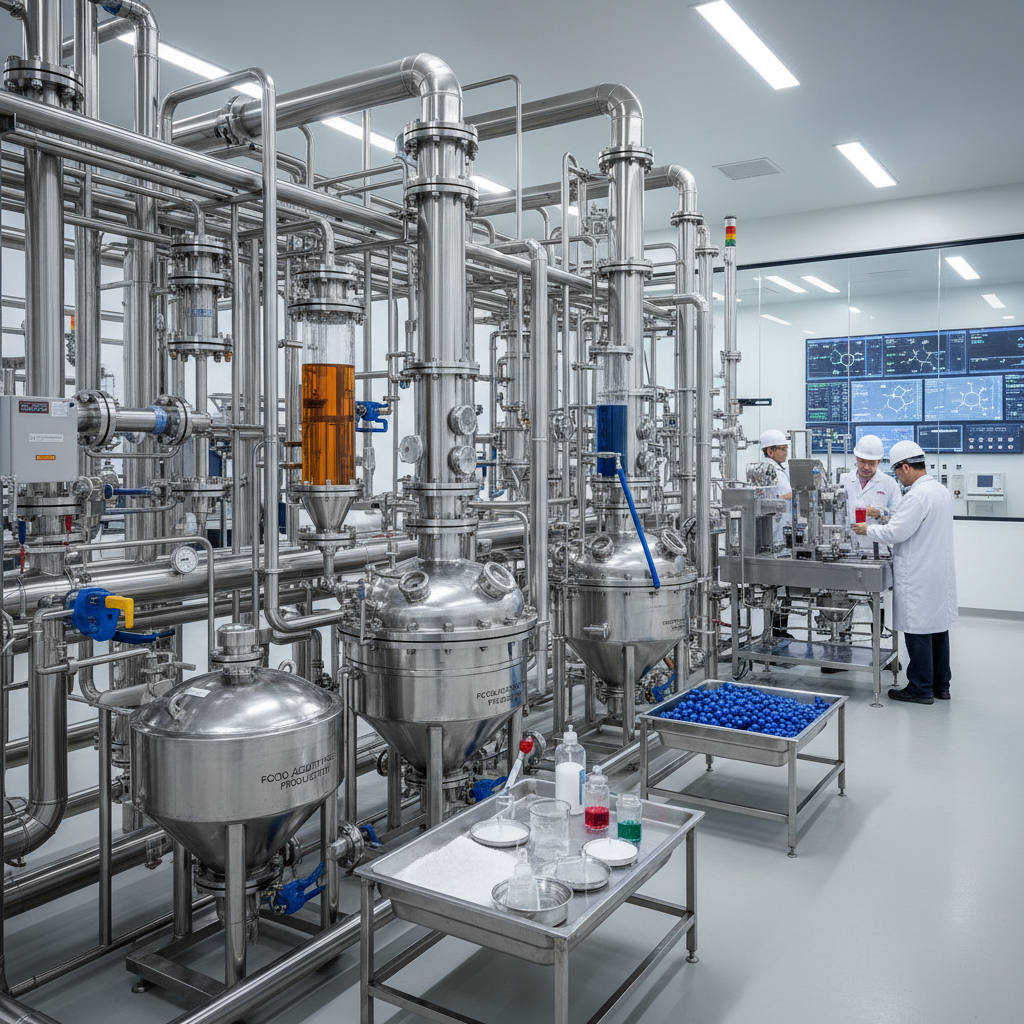
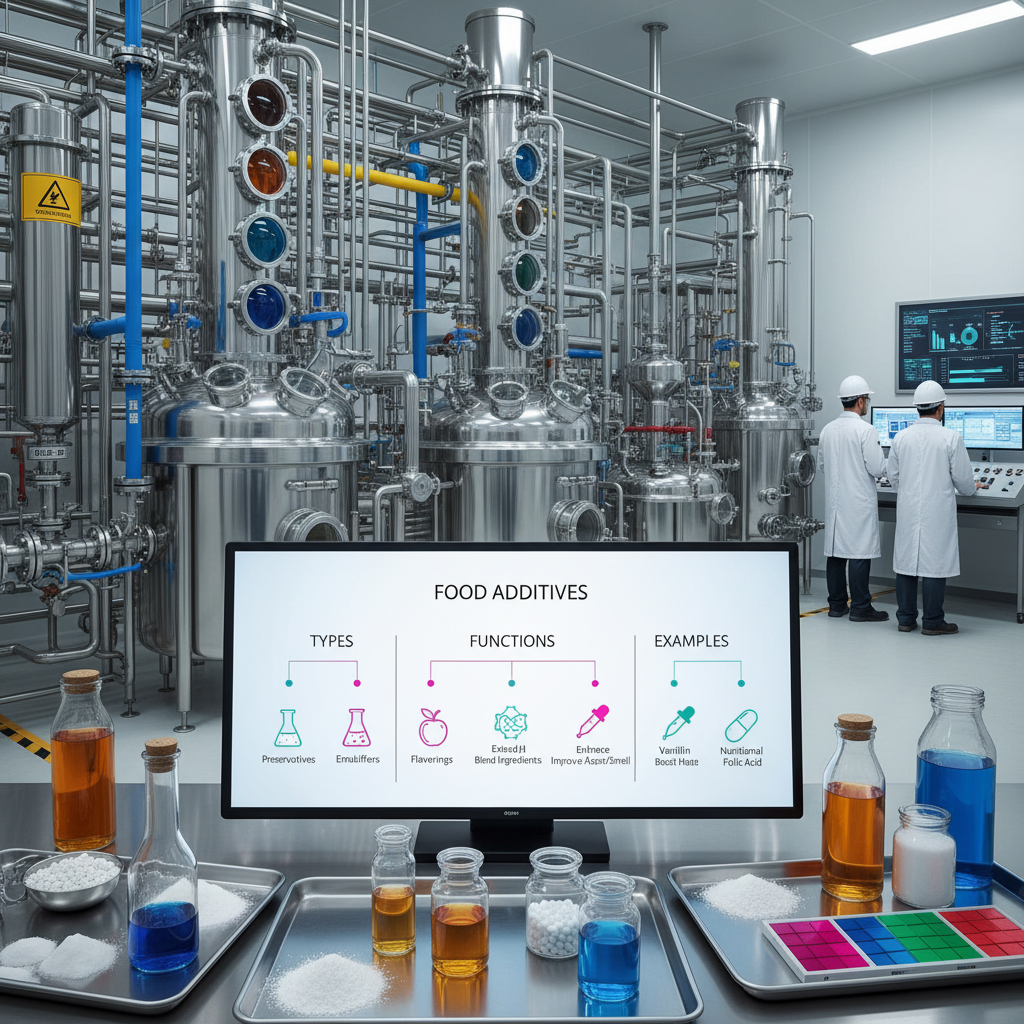
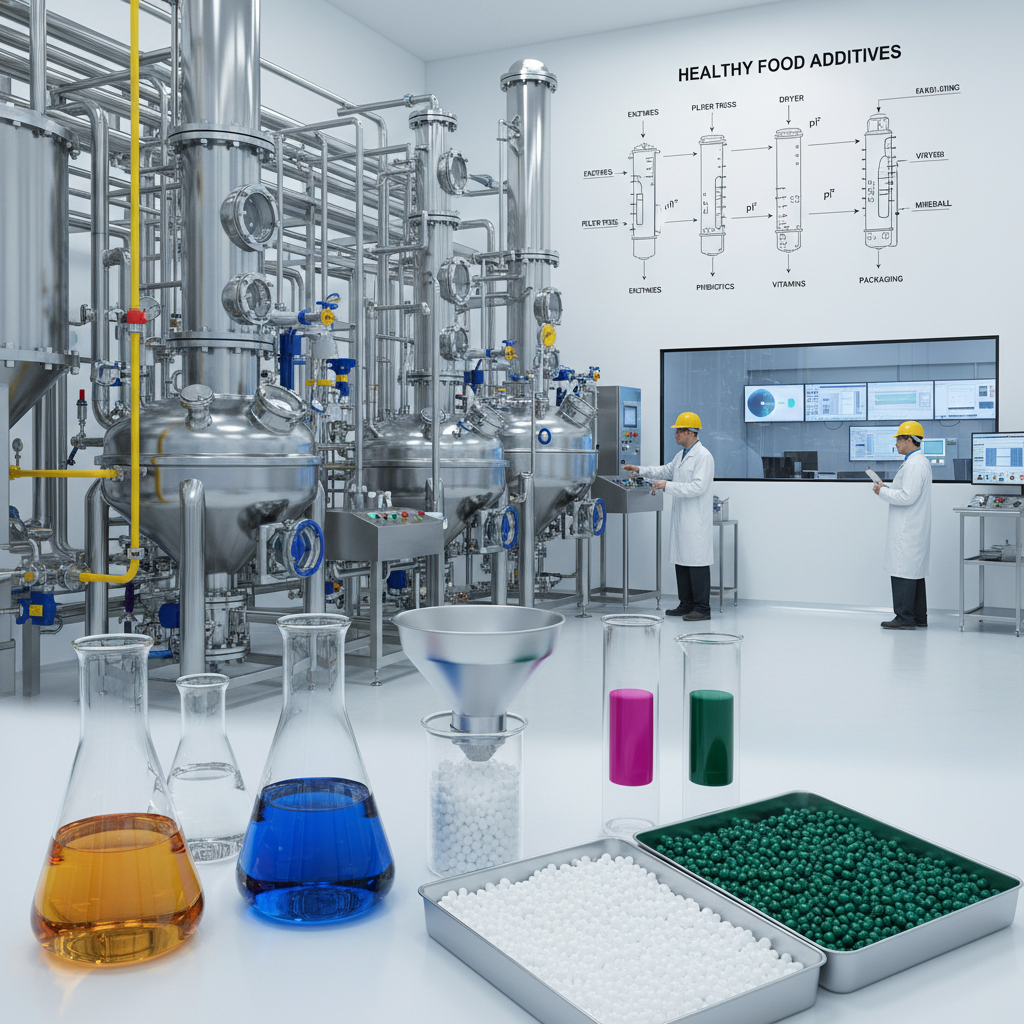
In the complex world of modern food production, the strategic use of additives is essential for maintaining safety, consistency, and nutritional value. Understanding the various types of food additives and their functions allows manufacturers to bridge the gap between raw agricultural ingredients and the high-quality, shelf-stable products consumers expect globally. From preventing spoilage to enhancing texture, these substances are the unsung heroes of the global food supply chain.
The global food additive market has expanded rapidly as urbanization and the demand for convenience foods increase. By optimizing the types of food additives and their functions, the industry can significantly reduce food waste—a critical goal for sustainable development. When applied with scientific precision, additives ensure that essential nutrients remain intact and that food remains safe for transport across vast distances.
However, the industry faces a delicate balance between technical efficiency and consumer demand for "clean labels." Navigating the diverse types of food additives and their functions requires a deep understanding of both regulatory standards and chemical interactions. This guide provides a comprehensive deep dive into how these components function to enhance the pharmaceutical, feed, and food sectors.
Global Context of Food Additives and Their Functions
On a global scale, the reliance on specific types of food additives and their functions has become a cornerstone of food security. According to reports aligned with ISO and WHO standards, the ability to preserve nutrients and prevent microbial growth is paramount in feeding a population expected to reach 9.7 billion by 2050. Without these additives, the logistics of transporting perishable goods from fertile regions to arid urban centers would be virtually impossible.
The primary challenge facing the industry is the volatility of raw material quality. By utilizing targeted additives, manufacturers can standardize products, ensuring that a consumer in Asia receives the same quality and safety profile as one in Europe. This standardization is not merely about taste but about the fundamental safety and health stability of the global food supply.
Defining the Core Mechanics of Food Additives
To put it simply, the various types of food additives and their functions refer to substances added to food to maintain or improve its safety, freshness, taste, texture, or appearance. Unlike main ingredients, additives are used in small quantities but have a disproportionately large impact on the final product's viability. They act as chemical stabilizers that protect the food matrix from oxidation and enzymatic degradation.
In the modern industrial context, these additives are no longer just about "preservation." They have evolved into tools for humanitarian needs, such as the fortification of staple grains with essential vitamins and minerals in developing nations. This transition from simple preservation to active nutritional enhancement highlights the critical role these substances play in combating global malnutrition.
Furthermore, the intersection of food additives with pharmaceutical intermediates and feed additives creates a versatile chemical ecosystem. The same principles of stability and bioavailability used in human food are often applied to livestock feed to ensure animal health, which in turn secures the quality of the meat and dairy entering the human food chain.
Key Factors Influencing Additive Selection
When determining the right types of food additives and their functions for a product, the first priority is Regulatory Compliance. Different regions, such as the EU (EFSA) and the USA (FDA), have varying lists of approved substances. Ensuring that an additive is GRAS (Generally Recognized as Safe) is the baseline for any commercial operation.
Chemical Synergy and Compatibility is the second critical factor. An additive does not work in isolation; it interacts with fats, proteins, and water within the food. For instance, an emulsifier must be carefully chosen based on the hydrophilic-lipophilic balance (HLB) to ensure that the oil and water phases of a product remain stable over time without separating.
Finally, Cost-Efficiency and Scalability drive the industrial choice. A high-performance additive that is too expensive for mass production is impractical. Manufacturers look for a balance where the function—whether it be extending shelf life by six months or enhancing the vibrancy of a natural color—justifies the cost per unit, ensuring the product remains competitive in the retail market.
Practical Application of Various Additive Categories
The application of types of food additives and their functions can be broken down into several functional categories: preservatives, antioxidants, emulsifiers, and stabilizers. Preservatives inhibit the growth of molds and bacteria, while antioxidants prevent the oxidation of fats, which otherwise leads to rancidity and off-flavors.
In the beverage industry, stabilizers are essential for maintaining a uniform distribution of ingredients, preventing the settling of solids in juices or the separation of cream in coffee drinks. Each category serves a specific technical purpose that directly impacts the consumer's sensory experience and the product's safety profile.
Performance Efficiency of Various Additive Functions
Global Use Cases Across Different Industries
In the pharmaceutical sector, the crossover between types of food additives and their functions and pharmaceutical intermediates is evident in the creation of "nutraceuticals." For example, stabilizers used in food are often adapted to ensure the slow release of vitamins in supplements, ensuring the body absorbs the nutrients efficiently over several hours.
In remote industrial zones or post-disaster relief operations, the use of specialized additives in Ready-to-Eat (RTE) meals is lifesaving. These products utilize high-efficiency preservatives and antioxidants to remain edible for years without refrigeration, providing critical caloric and nutritional support to displaced populations in environments where electricity and cold-chain logistics are non-existent.
Long-Term Value of Optimized Food Additive Use
The long-term value of mastering types of food additives and their functions manifests primarily in sustainability. By extending the shelf life of perishables, the industry drastically reduces the volume of food waste at both the retail and consumer levels. This not only increases profitability for the manufacturer but also lowers the carbon footprint associated with food production and landfill waste.
Beyond the balance sheet, there is a powerful emotional and logical angle: trust. When a company consistently delivers a product that tastes the same and remains safe across different seasons and climates, it builds a bond of reliability with the consumer. Innovation in additive science allows for the reduction of sodium and sugar without compromising the sensory experience, contributing to global public health.
Ultimately, the strategic application of additives empowers innovation. It allows food scientists to create entirely new categories of products—such as plant-based meats that mimic the texture of animal protein—by using hydrocolloids and emulsifiers to recreate the complex structural matrix of muscle fibers.
Future Trends and Innovation in Additive Science
The future of types of food additives and their functions is leaning heavily toward "Green Chemistry." We are seeing a shift from synthetic additives to bio-based alternatives derived from fermentation or algae. These "natural" additives provide the same functional benefits—such as antimicrobial properties—while satisfying the consumer's desire for a cleaner, more transparent ingredient list.
Digital transformation is also playing a role through the use of AI-driven formulation. Machine learning algorithms can now predict how different types of food additives and their functions will interact over time, allowing companies to simulate shelf-life tests in a virtual environment. This accelerates the R&D process and reduces the waste generated during trial-and-error sampling.
Furthermore, the integration of automation in additive dosing ensures an unprecedented level of precision. Smart manufacturing systems can adjust additive levels in real-time based on the variance in raw material quality, ensuring that every batch of food meets exact specifications regardless of the natural fluctuations in the harvest.
Analysis of Future Additive Trends and Their Impact
| Innovation Trend |
Primary Function |
Industry Impact |
Sustainability Score |
| Bio-Preservatives |
Antimicrobial |
Clean Label Shift |
9/10 |
| AI-Formulated Emulsifiers |
Texture Stability |
Faster R&D Cycle |
7/10 |
| Algae-Based Stabilizers |
Viscosity Control |
Vegan-Friendly |
10/10 |
| Nano-Encapsulation |
Nutrient Delivery |
High Bioavailability |
6/10 |
| Fermented Colors |
Visual Appeal |
Non-Toxic Dye Replace |
8/10 |
| Plant-Based Antioxidants |
Oxidation Prevention |
Reduced Synthetics |
9/10 |
FAQS
The most common types include preservatives (which prevent spoilage), antioxidants (which stop fats from going rancid), emulsifiers (which blend oil and water), stabilizers (which maintain consistency), and flavor enhancers. Each serves a technical purpose to ensure the food remains safe, appealing, and shelf-stable during transport and storage.
No. Many additives are naturally occurring, such as citric acid from citrus fruits or lecithin from soy. Furthermore, all approved additives must undergo rigorous safety evaluations by bodies like the FDA or EFSA. The goal of modern additive science is to maximize function while minimizing any potential health risks, often by moving toward bio-based alternatives.
By inhibiting the growth of pathogens and slowing down the natural oxidation process, additives extend the shelf life of products. This means fewer items are thrown away at the warehouse and retail levels, and consumers can store food longer at home, significantly reducing the environmental impact of wasted calories.
Yes, many of the principles are shared. Feed additives are used to improve the nutritional profile of livestock diets, enhance growth rates, and prevent diseases. Just like in human food, these additives ensure that the final animal protein produced is of high quality and safe for human consumption.
Clean labeling is a consumer-driven trend demanding shorter, simpler, and more recognizable ingredient lists. This pushes manufacturers to replace chemical-sounding names (like "Sodium Benzoate") with natural alternatives (like "Cultured Dextrose") that perform the same function without alarming the health-conscious consumer.
Selection depends on the food's pH, water activity, and fat content. We recommend consulting a food scientist to analyze the chemical matrix of your product. Understanding the synergistic effects between different types of food additives and their functions is key to achieving the perfect balance of taste and stability.
Conclusion
In summary, the diverse types of food additives and their functions are indispensable to the modern food, feed, and pharmaceutical industries. From the critical necessity of preservation and safety to the nuanced art of texture and flavor enhancement, these substances ensure that the global population has access to consistent, nutritious, and safe food. By balancing regulatory compliance with technical innovation, manufacturers can create products that not only survive the supply chain but thrive in a competitive market.
Looking ahead, the industry must continue to embrace green chemistry and digital precision to meet the rising demand for sustainability and transparency. As we transition toward bio-based additives and AI-driven formulations, the focus will shift from mere "preservation" to "optimization." For businesses looking to elevate their product quality and operational efficiency, investing in the right additive strategies is the most reliable path to long-term success. Visit our website for professional solutions: www.chinaseasoning.com