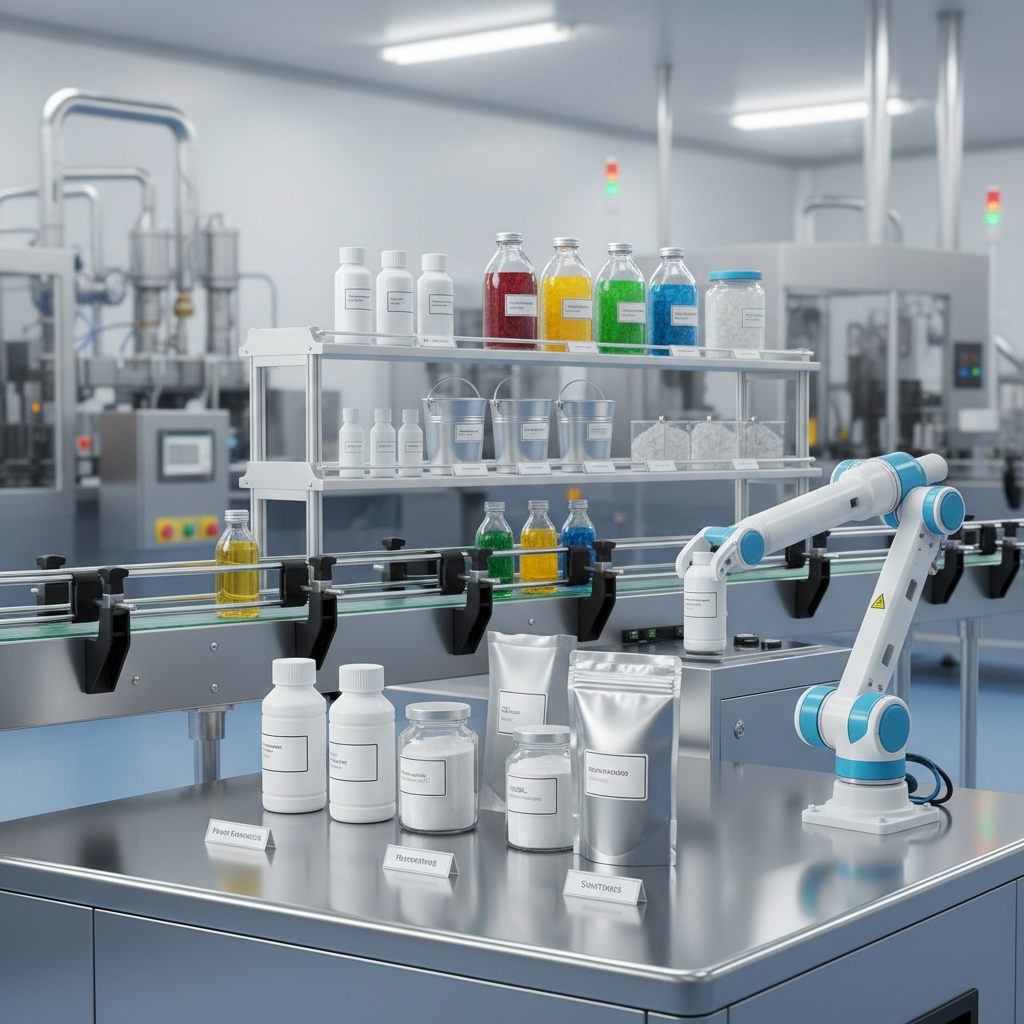
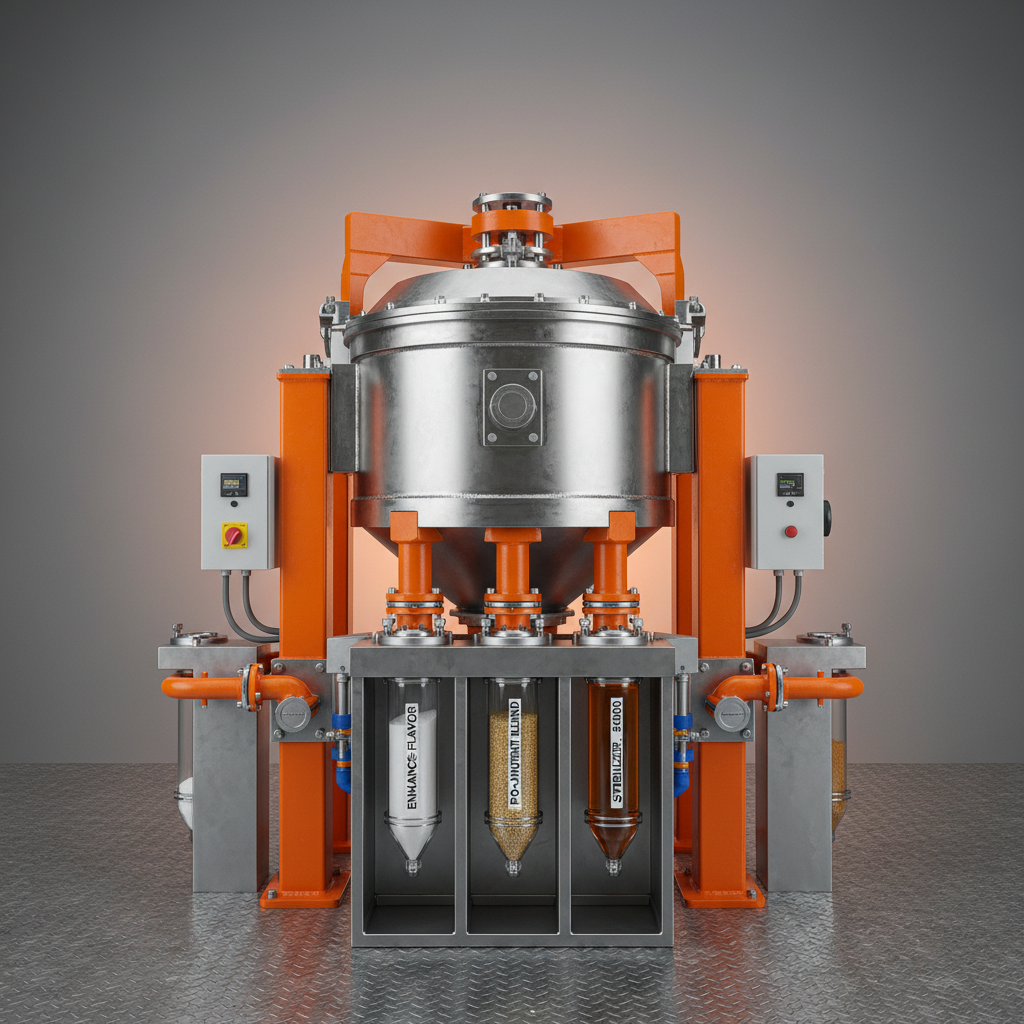
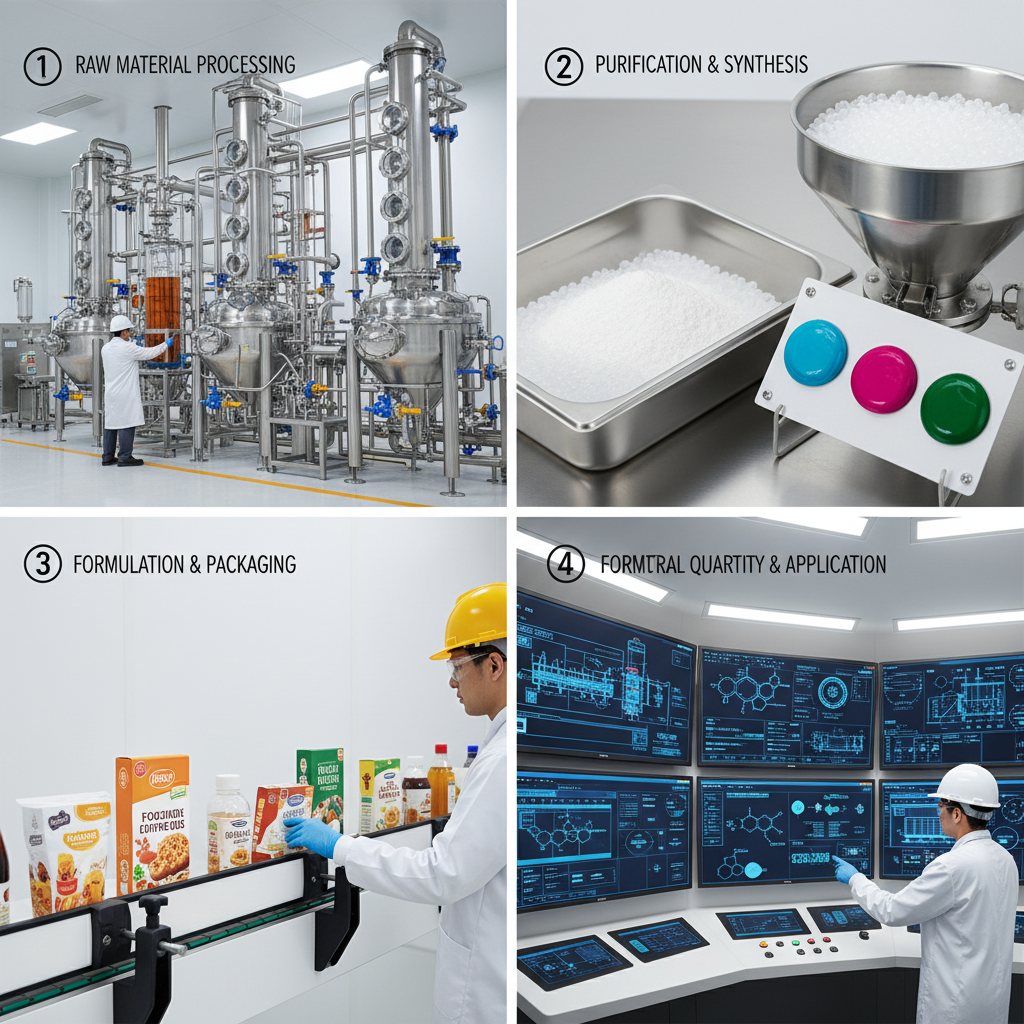
Understanding the main groups of food additives is essential for anyone involved in the modern food supply chain, from chemists and manufacturers to regulatory bodies and health-conscious consumers. These substances are not merely "chemicals" but are precision tools used to ensure food safety, maintain nutritional value, and optimize the sensory experience of the products we consume daily. By categorizing these additives into functional groups, the industry can standardize quality and ensure global compliance with safety benchmarks.
Globally, the demand for processed and convenient foods has surged, making the strategic application of the main groups of food additives a cornerstone of food security. Without these agents, the waste resulting from spoilage would be catastrophic, and the accessibility of fortified foods in underdeveloped regions would be significantly diminished. The ability to control texture, prevent oxidation, and inhibit pathogenic growth allows food to travel across continents while remaining safe and palatable.
For businesses specializing in feed additives, food additives, and pharmaceutical intermediates, mastering these categories is the key to innovation. Whether it is enhancing the bioavailability of a nutrient or extending the shelf life of a plant-based protein, the technical application of these groups determines the commercial viability of a product. This guide delves into the functional classifications, global applications, and emerging trends that define the current landscape of food additive technology.
Global Relevance of Main Groups of Food Additives
The global food industry relies heavily on the systematic application of the main groups of food additives to meet the needs of a growing population. According to data trends aligned with ISO and Codex Alimentarius standards, the precision of these additives allows for a reduction in food waste by up to 30% in some supply chains by extending shelf life and preventing premature degradation. This is not just a matter of profit, but a critical component of global food security and sustainability.
In the context of international trade, these additives ensure that products manufactured in one region can be safely transported and sold in another without losing their structural integrity or nutritional profile. The challenge lies in balancing the efficiency of these additives with the increasing consumer demand for "clean label" products, requiring manufacturers to innovate within the established functional groups to find natural alternatives that perform just as effectively.
Defining the Main Groups of Food Additives
At its core, the main groups of food additives refer to a categorized system of substances added to food to maintain or improve its safety, freshness, taste, texture, or appearance. Unlike main ingredients, additives are used in specific, regulated quantities to achieve a technical result. They are broadly divided into functional categories such as preservatives, antioxidants, emulsifiers, stabilizers, and flavor enhancers.
This classification is vital for modern industry because it allows for a modular approach to food formulation. For instance, a manufacturer creating a plant-based meat substitute will look across different groups—using stabilizers for texture and flavor enhancers for taste—to replicate the experience of animal protein. This intersection of chemistry and culinary art is what enables the production of consistent, high-quality food at a massive scale.
From a humanitarian perspective, these groups are indispensable. Fortification additives, such as iodine in salt or vitamins in flour, address widespread nutritional deficiencies in remote industrial zones or developing nations. Thus, these substances serve a dual purpose: they optimize the commercial product while fulfilling a critical public health mandate by ensuring essential nutrients reach the end consumer.
Core Components and Functional Factors
When analyzing the main groups of food additives, the first critical factor is Stability. This refers to the ability of an additive to maintain its chemical structure under various processing conditions, such as high-temperature pasteurization or extreme freezing. Without high stability, additives would degrade, leading to inconsistent product quality and potential safety risks.
Another core component is Bio-compatibility and Safety. Every member of the main groups of food additives must undergo rigorous toxicological evaluation to ensure it does not adversely affect human health. This includes establishing an Acceptable Daily Intake (ADI), ensuring that the additives provide the necessary technical function—like emulsification or preservation—without compromising the biological safety of the consumer.
Lastly, Cost-Efficiency and Scalability play a pivotal role in industrial adoption. For a food additive to be viable, it must be producible in large quantities with high purity. This is where pharmaceutical intermediates often overlap with food additive production, utilizing similar synthesis pathways to create high-purity agents that can be integrated into global food production lines without driving up the final cost of the product.
Global Applications and Industrial Use Cases
The application of the main groups of food additives varies significantly across different global regions based on diet and climate. In tropical regions, the focus is heavily on preservatives and antioxidants to combat rapid spoilage caused by humidity and heat. In contrast, in highly developed markets, there is a surge in the use of stabilizers and texturizers to support the growing trend of vegan and gluten-free food alternatives.
A prime example of their utility can be seen in post-disaster relief operations. Ready-to-eat (RTE) meals provided by international NGOs rely on a precise blend of the main groups of food additives to ensure that calories and nutrients are preserved for years without refrigeration. In these extreme contexts, additives are not about luxury or taste, but about the survival and dignity of displaced populations.
Performance Efficiency of Main Groups of Food Additives
Long-Term Value and Safety Advantages
The long-term value of employing the main groups of food additives extends beyond simple preservation. By reducing the incidence of foodborne illnesses through the use of antimicrobial agents, these additives directly contribute to a decrease in healthcare costs and a rise in overall public safety. The logical angle here is risk mitigation; the cost of incorporating a certified additive is negligible compared to the risk of a massive product recall or a public health crisis.
Emotionally, these additives build trust between the manufacturer and the consumer. When a product tastes and looks the same every time it is purchased, it creates a sense of reliability. Innovation in this field allows for "healthier" alternatives—such as using natural sweeteners or plant-based emulsifiers—which satisfy the consumer's desire for wellness without sacrificing the convenience of modern food processing.
Future Trends in Additive Innovation
The future of the main groups of food additives is being shaped by the "Green Chemistry" movement. We are seeing a transition toward bio-based additives derived from fermentation and enzymatic catalysis rather than synthetic chemical synthesis. This shift not only reduces the environmental footprint of production but also aligns with the consumer demand for natural ingredients.
Digital transformation and AI are also playing a role in "Precision Formulation." By using machine learning, food scientists can now predict how different main groups of food additives will interact within a complex matrix, reducing the need for trial-and-error laboratory testing. This acceleration of R&D allows for the creation of targeted additives that can enhance specific nutrients while maintaining a clean label.
Furthermore, the integration of automation in the production of additives ensures higher purity levels and minimizes human error. As we move toward a more sustainable food system, we expect to see "smart additives" that can respond to changes in temperature or pH, releasing preservatives only when the food is at risk of spoilage, thereby reducing the total amount of chemicals used in the product.
Challenges and Expert Solutions in Additive Use
One of the most significant challenges facing the main groups of food additives is the "perception gap." Many consumers view additives as inherently harmful due to a lack of technical understanding. The solution lies in transparent labeling and educational marketing. By explaining the function of an additive—for example, describing a stabilizer as "an agent that keeps your dressing from separating"—companies can shift the narrative from "chemical" to "functional."
Technically, the challenge of "synergistic interference" occurs when two different additive groups react negatively, neutralizing each other's effects. Expert insights suggest the use of encapsulated additives, where the active ingredient is shielded by a microscopic layer, allowing it to be released only at a specific stage of digestion or processing. This ensures that the full benefit of the additive is realized.
Regulatory fragmentation across different countries also poses a hurdle. What is permitted in the US may be restricted in the EU. To overcome this, global manufacturers are adopting the most stringent standards across all their product lines. By adhering to the strictest global benchmark, they ensure seamless market entry and demonstrate a commitment to the highest levels of consumer safety.
Analysis of Functional Efficacy Across Main Groups of Food Additives
| Additive Group |
Primary Function |
Industrial Impact Score |
Regulatory Complexity |
| Preservatives |
Anti-microbial/Anti-fungal |
9.5 |
High |
| Emulsifiers |
Phase Stabilization |
8.8 |
Medium |
| Antioxidants |
Prevention of Oxidation |
8.2 |
Low |
| Stabilizers |
Consistency Maintenance |
9.0 |
Medium |
| Flavor Enhancers |
Sensory Optimization |
7.5 |
Low |
| Fortificants |
Nutritional Enrichment |
8.0 |
Medium |
FAQS
The most critical groups are preservatives and antioxidants. Preservatives, such as benzoates or sorbates, inhibit the growth of molds, yeasts, and bacteria. Antioxidants, like BHA or natural tocopherols, prevent the oxidation of fats and oils, which stops the development of rancid odors and flavors. Together, they ensure that food remains safe and palatable for much longer periods.
Yes, provided they are used within the regulatory limits set by bodies like the FDA or EFSA. Every additive in these groups undergoes rigorous safety testing to determine the Acceptable Daily Intake (ADI). When used correctly, they are safe and often necessary to prevent more dangerous issues, such as botulism in canned goods or nutrient deficiencies in fortified foods.
While both affect texture, emulsifiers work to combine two immiscible liquids (like oil and water) into a stable mixture. Stabilizers, on the other hand, are used to maintain the physical state of an emulsion or prevent particles from settling. In short, emulsifiers create the mixture, and stabilizers keep it that way over time.
Increasingly, yes. For example, rosemary extract is replacing synthetic antioxidants, and celery powder is sometimes used as a natural source of nitrates. However, synthetic versions often provide more consistent results and higher potency, meaning smaller quantities are needed to achieve the same effect. The industry is currently moving toward hybrid approaches.
The best approach is to adopt the "Highest Common Denominator" strategy. By identifying the strictest regulatory environment (often the EU) and formulating products to meet those standards, manufacturers can ensure their products are legally compliant in almost every other global market, simplifying the supply chain and reducing the risk of customs rejection.
Many food additives require high-purity chemical synthesis. Pharmaceutical intermediates are the "building blocks" used to create these final additives. Because pharmaceutical standards are so high, utilizing these intermediates ensures that the resulting food additives are free from contaminants and have a precise molecular structure for maximum efficacy.
Conclusion
The main groups of food additives represent a sophisticated intersection of science, safety, and commerce. By understanding the distinct roles of preservatives, emulsifiers, stabilizers, and other functional agents, the food industry can effectively combat waste, enhance nutrition, and provide consistent quality to billions of people. These substances are not just additives; they are the invisible infrastructure that supports the global food economy and ensures that the journey from the factory to the table is safe and efficient.
As we look toward a future defined by sustainability and clean labels, the evolution of these additive groups will likely lean toward bio-based and AI-optimized solutions. For manufacturers, the key to success lies in balancing technical performance with consumer transparency. By embracing innovation and rigorous safety standards, the industry can continue to evolve, ensuring that food remains a reliable and accessible resource for all. Visit our website for more professional insights: www.chinaseasoning.com