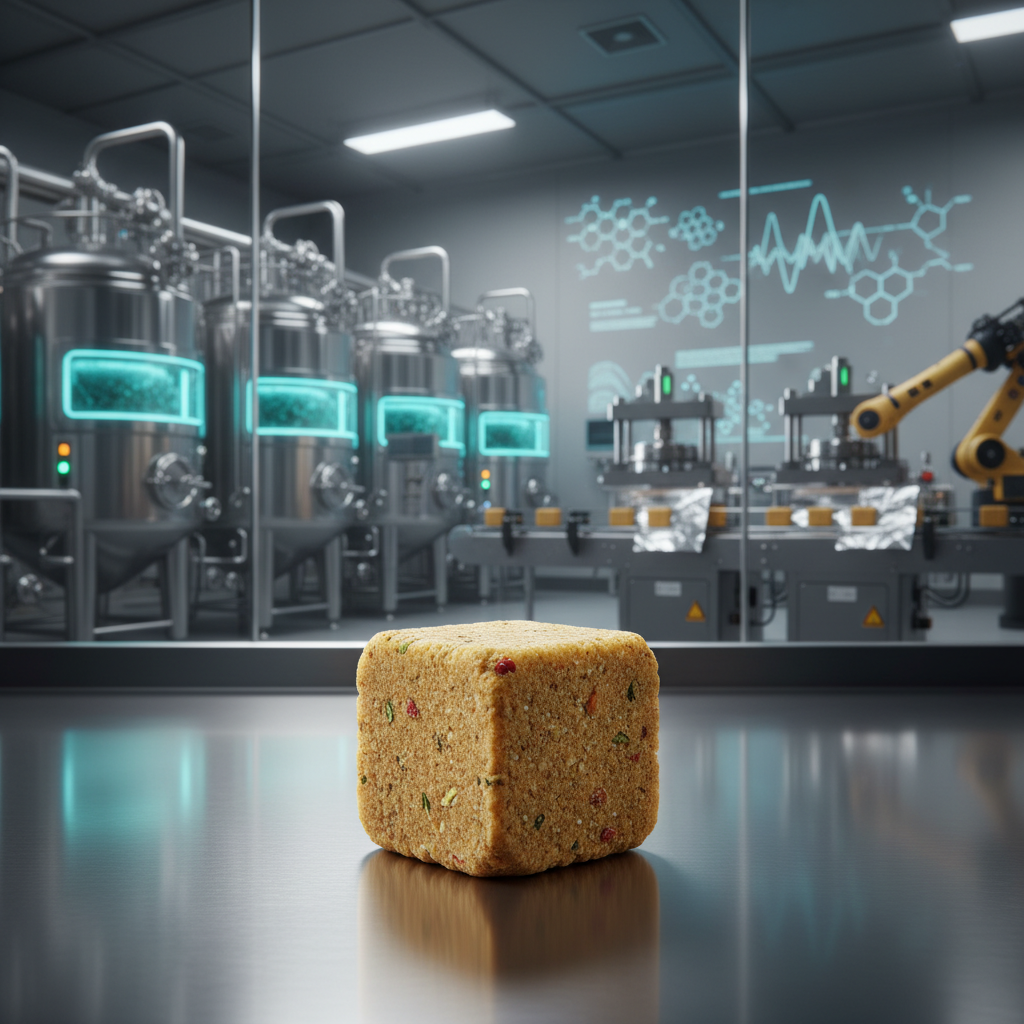
In the diverse world of global culinary additives, halal chicken bouillon stands as a critical bridge between strict dietary observance and the demand for convenient, high-flavor food enhancers. As the global Muslim population grows, the necessity for certified, transparently sourced seasoning has shifted from a niche requirement to a primary driver in the food manufacturing sector, ensuring that taste never comes at the expense of faith.
Understanding the intricacies of halal chicken bouillon involves more than just the absence of prohibited ingredients; it encompasses a holistic approach to hygiene, ethical slaughtering, and the elimination of cross-contamination. For food manufacturers and wholesalers, mastering these standards is essential for penetrating markets in Southeast Asia, the Middle East, and among growing diaspora communities in the West.
By integrating high-quality halal chicken bouillon into product lines, companies can unlock significant commercial potential while providing consumers with the peace of mind that their food is pure, safe, and compliant. This guide explores the technical standards, industrial applications, and future trajectories of this essential food additive.
Global Market Dynamics of Halal Chicken Bouillon
The global demand for halal chicken bouillon is currently experiencing an unprecedented surge, mirrored by the growth of the global Halal economy. According to data from the State of the Global Islamic Economy Report, the spending on Halal food and pharmaceuticals continues to rise, as consumers increasingly prioritize "Tayyib" (pure and wholesome) products. This shift has forced traditional food additive manufacturers to redesign their supply chains to ensure zero contamination with non-halal substances.
The primary challenge facing the industry is the standardization of certification. While different regions have varying bodies (such as JAKIM in Malaysia or MUI in Indonesia), the core requirement for halal chicken bouillon remains the strict avoidance of porcine derivatives and alcohol-based carriers. For global traders, navigating these diverse regulatory landscapes is the key to maintaining a competitive edge in the food additive market.
Defining Standards for Halal Chicken Bouillon
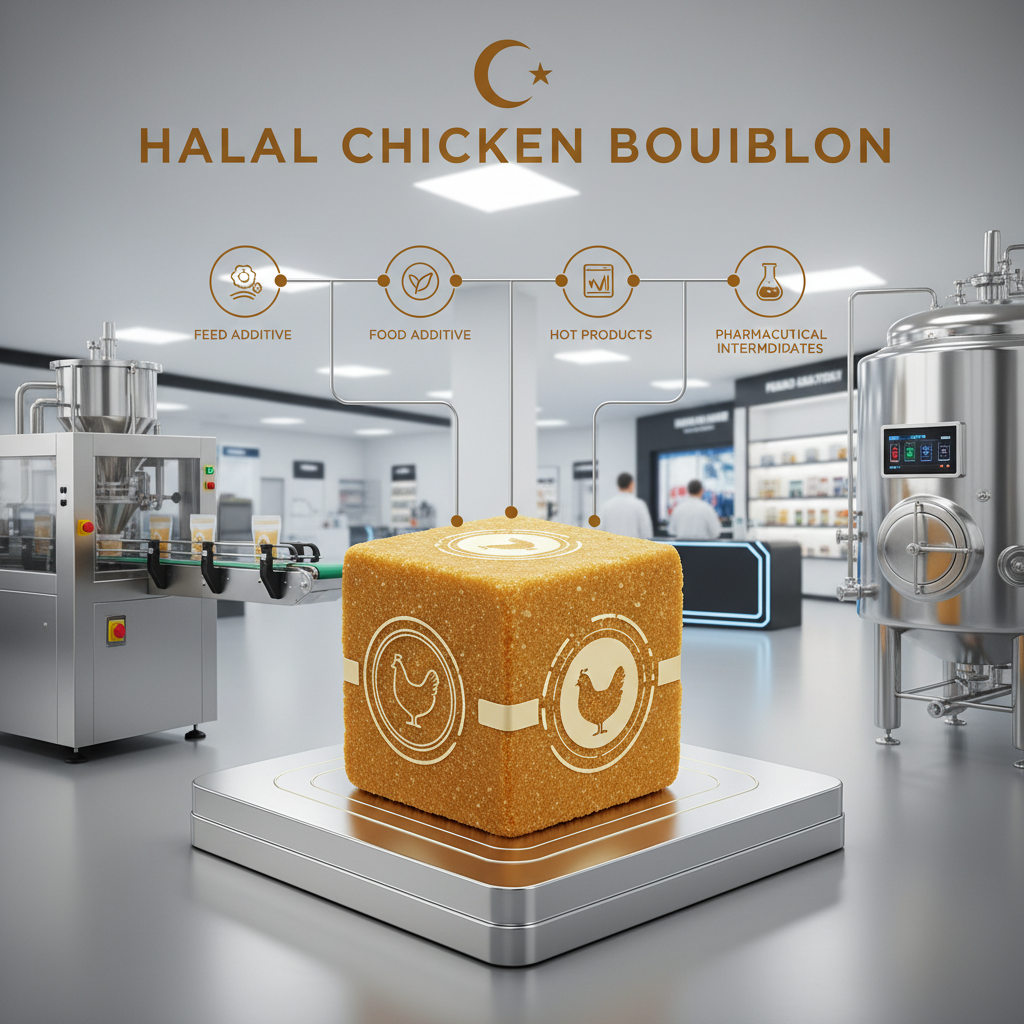
At its simplest level, halal chicken bouillon is a concentrated seasoning product derived from chicken and a blend of spices, processed in strict accordance with Islamic law. This means every single input—from the chicken extract to the anti-caking agents—must be verified as Halal. In the modern food industry, this often requires a detailed "Material Safety Data Sheet" (MSDS) and a "Halal Certificate" for every raw material used in the formulation.
Beyond the ingredients, the manufacturing environment plays a pivotal role. A facility producing halal chicken bouillon must implement rigorous cleaning protocols to prevent cross-contact with non-halal lines. This "Halal Integrity" is what separates a premium professional-grade bouillon from generic alternatives, as it ensures the product is acceptable for the most observant consumers globally.
Furthermore, the concept of Halal in bouillon is increasingly linked to humanitarian and ethical needs. By ensuring a transparent supply chain, manufacturers provide a sense of dignity and security to millions of consumers who rely on these additives for daily nourishment. It is no longer just about religious compliance, but about a commitment to ethical sourcing and food safety.
Core Components and Quality Factors
The efficacy of halal chicken bouillon depends heavily on the quality of its protein base. High-grade chicken extracts provide the essential umami profile, but the stability of these proteins during the spray-drying process determines the product's shelf life and solubility.
Consistency and scalability are paramount. In large-scale food manufacturing, halal chicken bouillon must maintain a uniform salt-to-flavor ratio across different batches to ensure that final food products—whether instant noodles or ready-to-eat meals—taste identical regardless of the production date.
Cost efficiency is achieved through the optimized use of natural flavor enhancers and the reduction of waste during the extraction phase. When balanced with strict Halal certifications, this allows brands to offer a high-value product that meets both economic targets and religious requirements.
Industrial Applications and Use Cases
The versatility of halal chicken bouillon makes it indispensable across multiple sectors. In the commercial food service industry, it serves as a foundational base for soups and sauces in Halal-certified restaurants, reducing preparation time while maintaining a professional taste profile. Similarly, in the "Ready-to-Eat" (RTE) sector, it is used to infuse flavor into dehydrated meals and instant seasonings.
Beyond commercial kitchens, the product is vital in humanitarian aid. In post-disaster relief operations or in remote industrial zones where fresh meat is unavailable, fortified halal chicken bouillon provides essential taste and a psychological sense of comfort to displaced populations, ensuring that nutritional support is delivered in a culturally respectful manner.
Performance Comparison of Halal Chicken Bouillon Formulations
Long-term Economic and Social Value
Investing in the production of halal chicken bouillon offers tangible long-term benefits, primarily through market diversification. By adhering to these standards, manufacturers can seamlessly enter high-growth markets in the MENA (Middle East and North Africa) region and ASEAN countries, diversifying their revenue streams and reducing dependency on a single geographic market.
From a social perspective, the availability of certified halal chicken bouillon fosters trust and inclusivity. When a brand demonstrates a commitment to Halal standards, it signals respect for the consumer's identity and values, building a loyal customer base based on trust rather than just price. This emotional connection translates into brand equity and long-term stability.
Future Innovations in Halal Seasoning
The future of halal chicken bouillon is being shaped by the intersection of biotechnology and digital transparency. We are seeing a move toward "Clean Label" Halal products, where synthetic flavor enhancers are replaced by fermented plant-based umami agents, aligning religious requirements with the global trend toward health and wellness.
Blockchain technology is also poised to revolutionize the sector. Imagine a QR code on a package of halal chicken bouillon that allows the consumer to trace the chicken back to the farm, verify the slaughtering method, and view the Halal certificate in real-time. This level of digital transformation eliminates doubt and strengthens the integrity of the supply chain.
Furthermore, sustainability is becoming a core pillar. Future production lines will likely focus on reducing water usage during extraction and utilizing biodegradable packaging, ensuring that halal chicken bouillon is not only permissible for the consumer but also beneficial for the planet.
Overcoming Challenges in Halal Production
One of the most persistent challenges in producing halal chicken bouillon is the "Hidden Ingredient" problem. Many additives, such as emulsifiers or flavor carriers, may contain derivatives from non-halal sources that are not immediately obvious. To overcome this, leading manufacturers are implementing "White List" procurement policies, only sourcing from pre-approved, certified Halal suppliers.
Another hurdle is the cost of certification and the logistical burden of auditing. Small to medium enterprises often struggle with the overhead of maintaining multiple regional Halal certifications. The solution lies in the adoption of global harmonized standards (such as the SMIIC standards), which aim to create a universal framework for Halal recognition, simplifying trade across borders.
Finally, maintaining the flavor profile without using forbidden additives requires culinary innovation. Expert food chemists are now utilizing advanced extraction techniques to maximize the natural richness of chicken, ensuring that halal chicken bouillon remains as delicious as its conventional counterparts.
Comparative Analysis of Halal Chicken Bouillon Production Standards
| Standard Dimension |
Conventional Bouillon |
Certified Halal Bouillon |
Impact Score (1-10) |
| Ingredient Sourcing |
General market sources |
Strictly certified Halal sources |
10 |
| Production Line |
Shared equipment |
Dedicated or segregated lines |
9 |
| Additive Control |
Standard food-grade |
Alcohol-free / Porcine-free |
10 |
| Certification |
ISO/FDA only |
ISO + Halal Council Cert |
8 |
| Market Access |
General population |
Global Muslim Market |
9 |
| Consumer Trust |
Brand-based |
Faith and Ethics-based |
10 |
FAQS
A bouillon is certified Halal if all ingredients—including the chicken extract, flavor enhancers, and stabilizers—are free from prohibited substances like pork or alcohol and are processed according to Islamic law. This includes the slaughtering method of the chicken and the total prevention of cross-contamination during the manufacturing process.
Yes, it is highly recommended for commercial production targeting Muslim consumers. Using a certified bouillon ensures that your final product can also be certified Halal, which is a requirement for selling in many Middle Eastern and Southeast Asian markets. It provides a consistent, professional flavor profile while maintaining strict compliance.
The most reliable way is to request a current Halal Certificate issued by a recognized authority (such as JAKIM, MUI, or IFANCA). You should also check the "Scope of Certification" to ensure the specific product line for chicken bouillon is included and ask for the Material Safety Data Sheet (MSDS) to verify the source of any additives.
In terms of sensory profile, there is no reason for it to taste different. High-quality halal chicken bouillon uses the same natural chicken proteins and spices as conventional versions. The difference lies entirely in the sourcing and processing standards, not in the flavor, aroma, or nutritional value.
Depending on the packaging and the anti-caking agents used, most professional-grade powdered bouillons have a shelf life of 12 to 24 months when stored in a cool, dry place. Vacuum-sealed or foil-lined packaging is recommended to prevent moisture absorption and maintain flavor intensity.
Yes, there is a growing trend toward "Organic Halal" products. These versions ensure that the chicken is raised without synthetic pesticides or hormones and that the processing remains Halal-compliant. While more expensive to produce, they appeal to the premium, health-conscious segment of the market.
Conclusion
In summary, halal chicken bouillon is far more than a simple food additive; it is a vital tool for inclusivity and market expansion in the global food industry. By combining rigorous religious standards with modern manufacturing precision, it allows food producers to deliver high-quality, delicious products that respect the dietary requirements of millions of people worldwide, while simultaneously driving economic growth and brand loyalty.
Looking forward, the industry will likely move toward even greater transparency through blockchain and a stronger emphasis on "Tayyib" (wholesomeness) via organic and sustainable sourcing. For businesses seeking to remain competitive in an increasingly conscious global market, investing in certified halal chicken bouillon is not just a compliance measure—it is a strategic advantage. Visit our website to learn more: www.chinaseasoning.com