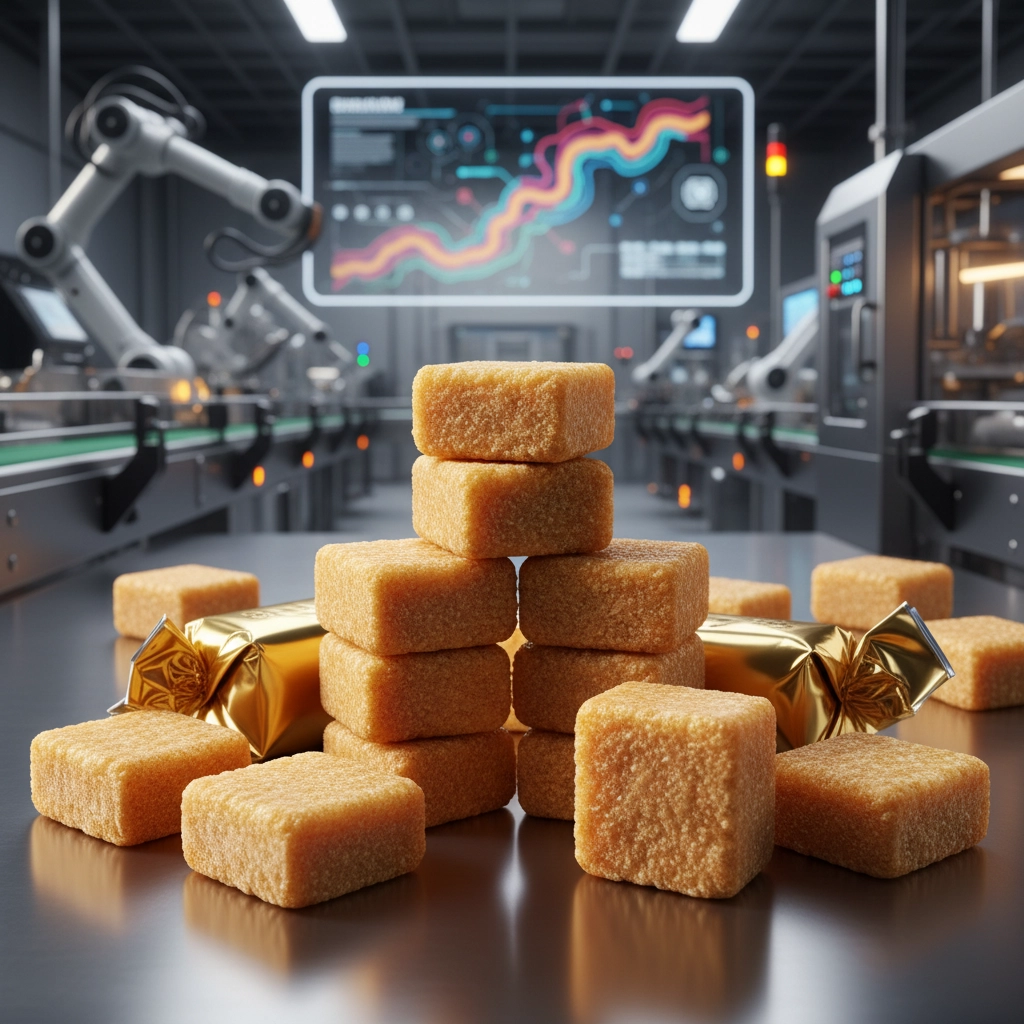
In the evolving landscape of the global food industry, the demand for clean-label ingredients has propelled organic chicken bouillon cubes into the spotlight. As consumers pivot away from synthetic flavor enhancers and artificial preservatives, these concentrated seasoning blocks offer a sustainable way to deliver authentic, savory depth to a wide array of culinary applications. Understanding the transition toward organic certification in bouillon production is essential for manufacturers and distributors aiming to capture the health-conscious market segment.
Beyond simple taste, the shift toward organic options reflects a broader commitment to environmental stewardship and animal welfare. By utilizing ingredients sourced from certified organic farms, organic chicken bouillon cubes ensure that no synthetic pesticides or GMOs enter the food chain. This transparency in sourcing not only builds consumer trust but also aligns with international food safety standards and the growing trend of "mindful eating" across North America, Europe, and Asia.
For industrial food producers and pharmaceutical intermediates developers, integrating organic seasoning bases provides a strategic advantage. Whether used in ready-to-eat meals, gourmet soups, or as a nutrient-dense additive in specialized diets, these cubes balance convenience with nutritional integrity. This guide explores the technical specifications, global market drivers, and innovative manufacturing processes that make organic chicken bouillon cubes a cornerstone of modern sustainable food manufacturing.
Global Market Demand for Organic Chicken Bouillon Cubes
The global appetite for organic condiments has seen a CAGR of over 7% in recent years, driven largely by a shift in consumer behavior toward "whole food" alternatives. Organic chicken bouillon cubes have become a primary target for this growth, as they bridge the gap between the convenience of fast-paced modern cooking and the rigorous requirements of organic certification. Data from ISO-aligned food reports suggest that the removal of MSG (monosodium glutamate) and synthetic dyes is no longer a luxury but a prerequisite for entry into the premium European and North American markets.
This demand is further amplified by the rise of the "preventative health" movement. Consumers are increasingly aware of the inflammatory properties of highly processed seasonings, leading them to seek out organic chicken bouillon cubes that utilize natural yeast extracts and organic sea salt. As a result, food manufacturers are retooling their production lines to accommodate organic raw materials, ensuring that every stage—from poultry sourcing to the final compression of the cube—adheres to strict biological standards.
Defining the Standards of Organic Chicken Bouillon Cubes
At its core, organic chicken bouillon cubes are dehydrated, concentrated flavor bases derived from organic chicken stock, vegetables, and herbs. Unlike conventional bouillon, which often relies on hydrolyzed vegetable proteins or artificial flavorings to mimic a "chicken" taste, the organic version requires actual organic poultry extracts and natural aromatic compounds. This ensures a flavor profile that is rich, authentic, and free from chemical adulterants.
The "organic" designation is not merely a marketing term but a legal certification. To be labeled as such, the ingredients must be produced without the use of synthetic fertilizers, sewage sludge, irradiation, or genetic engineering. For the manufacturer, this means implementing rigorous segregation protocols in the factory to prevent cross-contamination with non-organic feed additives or food additives, ensuring that the final cube maintains its integrity from farm to table.
In the context of humanitarian aid and emergency food supplies, these cubes provide a critical solution. They offer a lightweight, shelf-stable method of adding essential nutrients and palatable flavor to basic grains or legumes in remote industrial zones or post-disaster relief operations. By providing a clean, organic source of flavor, organizations can ensure that vulnerable populations receive nutrition that is safe and free from the risks associated with low-grade synthetic additives.
Core Components and Quality Factors
The primary factor determining the quality of organic chicken bouillon cubes is the concentration of the organic chicken extract. A high-quality cube maintains a balance between the savory "umami" taste and the natural sweetness of organic carrots and celery, avoiding the over-reliance on salt which often plagues lower-tier organic products.
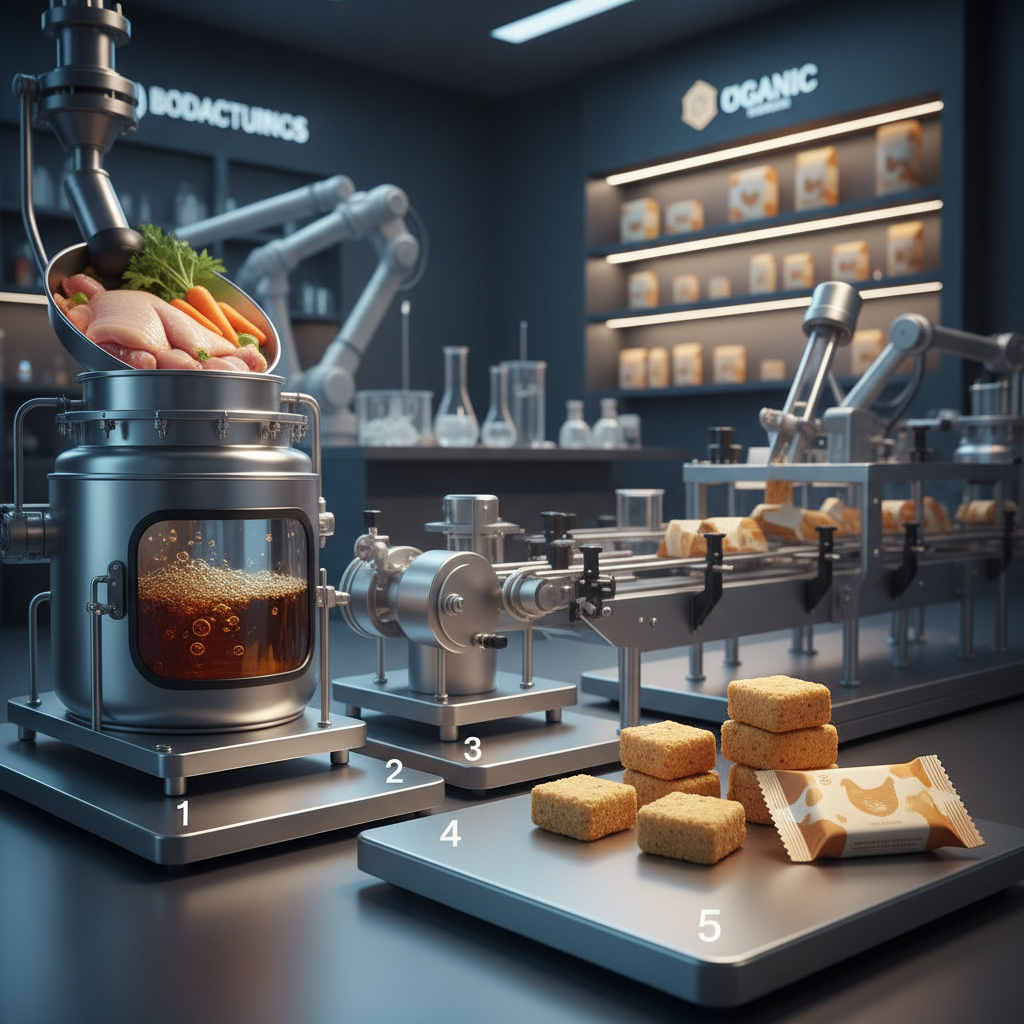
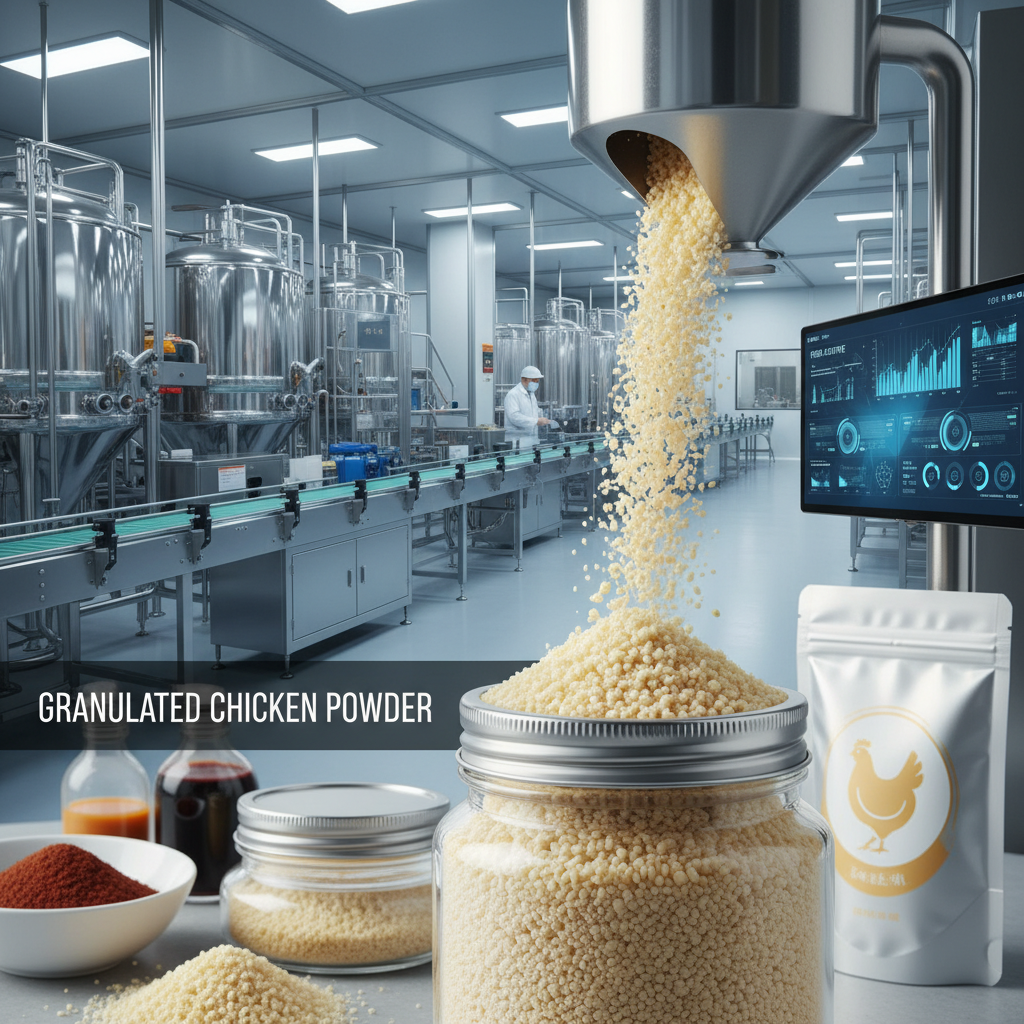
Scalability in production is another critical component. Manufacturers must source consistent volumes of organic poultry and herbs to maintain flavor uniformity across batches. The use of advanced spray-drying technology allows for the preservation of heat-sensitive organic compounds, ensuring that organic chicken bouillon cubes retain their aromatic properties without the need for synthetic stabilizers.
Finally, the stability and solubility of the cube are paramount for the end-user. A well-engineered organic cube must dissolve rapidly in boiling water without leaving clumps or an oily residue. This is achieved through a precise ratio of organic binders and the correct granulation of the salt and sugar components, ensuring a seamless transition from a solid cube to a rich, savory broth.
Industrial Applications and Versatility
The application of organic chicken bouillon cubes extends far beyond the home kitchen. In the industrial food sector, they are utilized as base seasonings for organic frozen meals, dehydrated soup mixes, and gourmet sauces. Their ability to provide a consistent flavor profile allows large-scale manufacturers to standardize taste across different production facilities while still claiming a "clean label" status.
Moreover, in the pharmaceutical and nutraceutical industries, organic bouillon bases are sometimes integrated into specialized medical diets to improve the palatability of liquid nutrition. By providing a familiar, savory taste without the risk of synthetic allergens, organic chicken bouillon cubes support patient compliance in clinical settings where flavor fatigue is a common challenge.
Performance Comparison of Organic Chicken Bouillon Cubes Variants
Long-term Value of Sustainable Sourcing
Investing in the production of organic chicken bouillon cubes provides significant long-term economic and social value. From a cost perspective, while organic raw materials carry a premium, the resulting product commands a higher market price and attracts a loyal customer base that is less sensitive to price fluctuations. This creates a stable revenue stream for manufacturers who prioritize quality over sheer volume.
Beyond the balance sheet, the social impact is profound. By supporting organic farming, the production of these bouillon cubes reduces the chemical load on the soil and protects local waterways from nitrogen runoff. This commitment to sustainability enhances brand equity and builds trust with a generation of consumers who view their purchases as a vote for the kind of world they want to live in, transforming a simple kitchen staple into a tool for environmental change.
Future Innovations in Organic Seasoning
The future of organic chicken bouillon cubes lies in the intersection of biotechnology and sustainable processing. We are seeing a move toward "precision fermentation" to create organic-compliant flavor enhancers that mimic the deep savory notes of chicken without requiring massive poultry farms. This could potentially lower the carbon footprint of production while maintaining the "organic" certification status.
Digital transformation is also playing a role. Blockchain technology is being integrated into the supply chain of organic bouillon, allowing consumers to scan a QR code on the packaging to trace the chicken and herbs back to the specific organic farm where they were raised. This level of radical transparency is becoming a key differentiator in the competitive food additive market.
Furthermore, automation in the compression and packaging stages is reducing waste and energy consumption. New eco-friendly packaging materials, such as compostable films derived from seaweed or cornstarch, are replacing traditional plastics, ensuring that the entire lifecycle of organic chicken bouillon cubes is truly green and sustainable.
Overcoming Production Challenges
One of the primary challenges in producing organic chicken bouillon cubes is the lack of synthetic preservatives, which can lead to shorter shelf lives or susceptibility to oxidation. Expert manufacturers overcome this by utilizing natural antioxidants, such as rosemary extract or tocopherols, which preserve the flavor and color of the cube without compromising its organic status.
Another hurdle is the variability of organic raw materials. Since organic crops are subject to the whims of nature without the "buffer" of synthetic chemicals, flavor profiles can vary between harvests. The solution lies in a "blending" strategy, where multiple organic batches are analyzed and combined to reach a precise, standardized flavor profile that meets consumer expectations for consistency.
Finally, achieving the perfect texture—a cube that is firm enough for transport but dissolves instantly—requires precise control over moisture content. By implementing advanced vacuum-drying and controlled-pressure compression, producers can ensure that organic chicken bouillon cubes maintain their physical integrity while offering peak performance in the pot.
Technical Analysis of Organic Chicken Bouillon Production Efficiency
| Processing Method |
Flavor Retention Score |
Production Cost (1-10) |
Sustainability Index |
| Spray Drying |
8/10 |
5 |
Medium |
| Freeze Drying |
10/10 |
9 |
High |
| Vacuum Evaporation |
7/10 |
6 |
Medium |
| Cold Pressing |
9/10 |
7 |
Very High |
| Drum Drying |
6/10 |
4 |
Low |
| Hybrid Organic Tech |
9/10 |
6 |
High |
FAQS
Organic chicken bouillon cubes are produced using ingredients certified by organic regulatory bodies (like USDA or EU Organic). This means the chicken was raised without antibiotics or synthetic pesticides, and the herbs and salt are sourced without chemical fertilizers. Unlike standard cubes, they contain no MSG, artificial colors, or synthetic flavor enhancers.
Because they lack synthetic preservatives, they can be more sensitive to moisture and light. However, by using natural antioxidants like rosemary extract and high-barrier organic packaging, manufacturers can maintain a shelf life of 12-24 months, which is comparable to conventional products if stored in a cool, dry place.
Yes, they are ideal for commercial use. They provide a standardized, concentrated flavor base that is easy to dose and store. For industrial applications, we recommend sourcing bulk organic powder or customized cubes to ensure consistency across large batches of soups, sauces, or ready-meals.
While organic cubes avoid synthetic chemicals, they still contain salt for preservation and flavor. However, many organic manufacturers now offer "low-sodium" versions that utilize potassium salts or increased concentrations of organic aromatic vegetables to maintain flavor while reducing sodium content.
Importing requires verification that the producer's organic certification is recognized by the destination country's regulatory body (e.g., an equivalence agreement between the EU and USA). You will need a Certificate of Inspection (COI) and detailed batch traceability records to clear customs under "organic" labeling laws.
Yes, they typically have a "cleaner" and more complex taste. Conventional cubes often have a sharp, artificial saltiness due to MSG. Organic chicken bouillon cubes offer a more nuanced, natural poultry flavor with noticeable herbal notes, reflecting the actual ingredients used in the broth.
Conclusion
The transition toward organic chicken bouillon cubes represents a pivotal shift in the food additive industry, moving away from chemical reliance toward biological integrity. By combining traditional culinary depth with modern organic certification, these products meet the rigorous demands of today's health-conscious consumers while providing the efficiency required by industrial food producers. From sustainable sourcing and advanced drying techniques to the elimination of synthetic additives, every aspect of their production contributes to a safer, more transparent food system.
Looking forward, the integration of precision fermentation and blockchain traceability will further solidify the value proposition of organic seasonings. For companies seeking to enhance their product lines with clean-label ingredients, adopting organic bouillon solutions is not just a trend, but a strategic investment in sustainability and consumer trust. We invite you to explore the highest standards of organic seasoning and enhance your culinary offerings. Visit our website: www.chinaseasoning.com