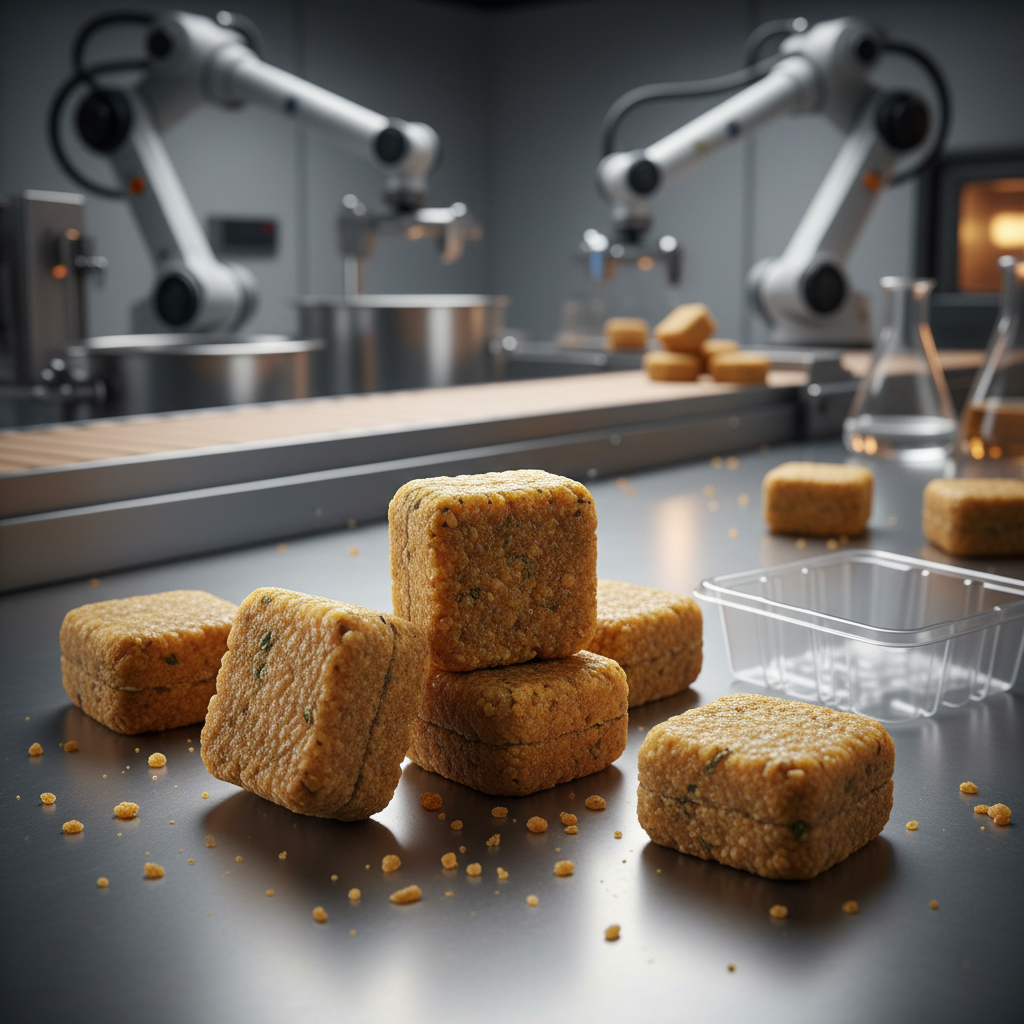
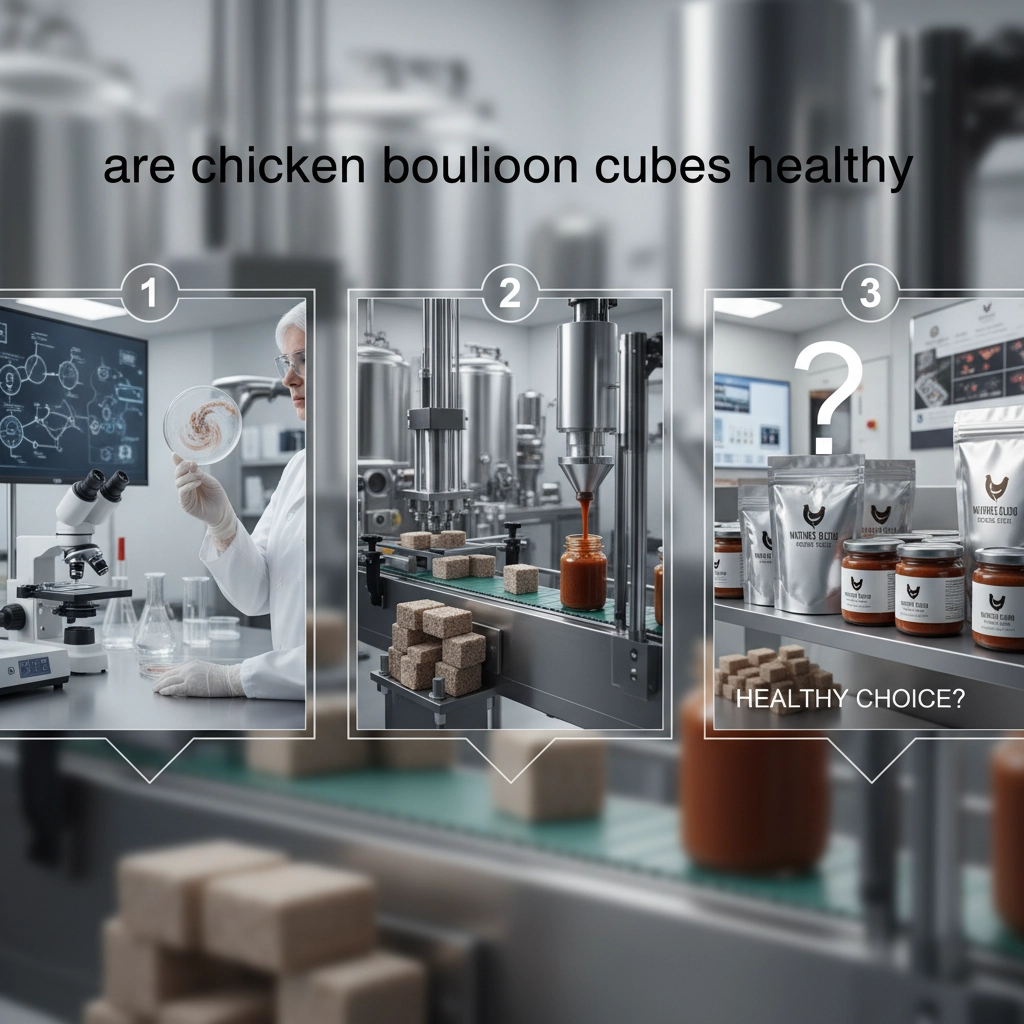
In the competitive landscape of the global food additive industry, turkey bouillon cubes have emerged as a vital tool for achieving consistent, rich flavor profiles in commercial and domestic kitchens alike. These concentrated seasoning blocks offer a sophisticated blend of savory turkey essence and essential minerals, allowing food manufacturers to scale production without sacrificing the authentic taste of slow-simmered poultry stock.
Understanding the formulation and application of turkey bouillon cubes is critical for businesses aiming to optimize their cost-to-flavor ratio. By leveraging advanced dehydration and compression technologies, these cubes provide a shelf-stable solution that eliminates the logistical challenges of transporting liquid stocks, thereby reducing carbon footprints and storage overheads.
Beyond mere convenience, the strategic use of turkey-based seasonings addresses a growing global demand for high-protein flavor enhancers that cater to diverse dietary preferences. As the food industry pivots toward efficiency and precision, mastering the integration of these bouillon cubes into various food categories—from ready-to-eat meals to gourmet soups—becomes a key driver for market growth.
Global Industry Context of Turkey Bouillon Cubes
The global market for concentrated seasonings has seen a significant uptick, with turkey bouillon cubes playing a pivotal role in the "convenience food" revolution. According to industry trends aligning with ISO food safety standards, the demand for standardized flavor bases has increased as food chains expand globally, requiring a taste profile that remains identical whether the product is served in New York or Tokyo.
However, the industry faces the challenge of balancing "clean label" requirements with the need for long-term stability. Many manufacturers struggle to replace synthetic flavor enhancers with natural turkey extracts while maintaining the same potency and shelf life, making the engineering of high-quality bouillon cubes a sophisticated chemical and culinary task.
Defining Turkey Bouillon Cubes in Modern Food Manufacturing
In simple technical terms, turkey bouillon cubes are dehydrated, compressed blocks of seasoned turkey stock. They consist of a concentrated mixture of turkey meat extracts, salt, flavor enhancers, and often a small amount of fat or binders to maintain the cube's structural integrity. This format allows for a precise dosage of flavor to be added to a specific volume of water or food base.
From an industrial perspective, these cubes are not just seasonings but are classified as advanced food additives. They solve the humanitarian and logistical problem of food security in remote areas or disaster zones by providing a nutrient-dense, calorie-efficient way to enhance the palatability and nutritional value of basic grains or legumes without requiring refrigeration.
The connection to modern industry lies in the "modularization" of taste. By transforming a complex liquid stock into a standardized cube, manufacturers can treat flavor as a raw material component that is easily inventoried, tracked, and integrated into automated production lines, ensuring that every batch of product meets strict quality control parameters.
Core Components and Quality Factors
The efficacy of turkey bouillon cubes depends heavily on their "Flavor Intensity." This is achieved through a rigorous extraction process where turkey proteins are hydrolyzed to release glutamates, creating a deep, savory "umami" profile that mimics hours of simmering.
"Solubility" is another critical factor. High-grade turkey bouillon cubes must dissolve rapidly in hot water without leaving clumps or gritty residues. This requires a precise balance of salts and anti-caking agents that prevent the cube from becoming a hard, insoluble mass during storage.
Lastly, "Shelf Stability" ensures that the product remains viable for 12-24 months. By controlling the water activity (Aw) level within the cube, manufacturers can inhibit microbial growth and prevent the oxidation of fats, ensuring that the turkey aroma remains fresh from the factory to the end consumer.
Economic Efficiency and Scalability Analysis
Integrating turkey bouillon cubes into a production line significantly reduces operational costs. Compared to traditional liquid stocks, the weight reduction leads to a dramatic decrease in shipping costs and warehouse space requirements, allowing companies to scale their distribution networks more aggressively.
Furthermore, the precision of the cube format reduces waste. Chefs and factory managers can calculate exactly how many cubes are needed per 100 liters of product, eliminating the guesswork and over-seasoning that often occur with liquid additives, thereby stabilizing the Cost of Goods Sold (COGS).
Performance Comparison of Turkey Bouillon Cubes Formulations
Global Applications and Strategic Use Cases
The application of turkey bouillon cubes spans multiple continents and industries. In North America, they are heavily utilized in the production of instant stuffing mixes and canned soups, providing a consistent base that resists the degradation caused by high-heat sterilization processes.
In emerging markets across Africa and Southeast Asia, these cubes are often a primary source of seasoning for household meals. In post-disaster relief operations, NGOs utilize turkey-flavored bouillon to make bland, emergency food rations more palatable, which is crucial for encouraging consumption among stressed populations and ensuring basic nutritional intake.
Long-Term Value and Sustainability Benefits
The long-term value of adopting turkey bouillon cubes extends beyond the balance sheet to environmental sustainability. By removing the water weight from the shipping process, the carbon emissions associated with the logistics of flavor distribution are reduced by up to 80% compared to liquid concentrates.
From a social perspective, the reliability of these cubes fosters trust between the manufacturer and the end-user. When a food business can guarantee a specific taste profile every time, it builds brand loyalty and operational stability, reducing the risks associated with fluctuating raw ingredient quality in the poultry market.
Moreover, the innovation in "green" processing—such as using spray-drying instead of energy-intensive evaporation—means that the production of bouillon cubes is becoming increasingly eco-friendly, aligning with the ESG (Environmental, Social, and Governance) goals of major global food corporations.
Future Trends and Technological Innovations
Looking ahead, the evolution of turkey bouillon cubes will be driven by the digital transformation of food science. We are seeing the rise of AI-driven flavor mapping, where algorithms analyze consumer taste preferences in real-time to adjust the amino acid profile of the cubes for different regional markets.
Another emerging trend is the integration of "functional additives." Future iterations of these cubes may include fortified vitamins or probiotics that survive the dehydration process, transforming a simple seasoning into a health-boosting supplement for malnourished populations.
Automation in packaging is also shifting toward biodegradable, compostable films that protect the cubes from moisture without contributing to plastic pollution. This move toward a circular economy will ensure that the convenience of bouillon cubes does not come at an ecological cost.
Comparative Analysis of Turkey Bouillon Cube Innovations
|
Innovation Type
|
Impact on Flavor
|
Production Cost
|
Sustainability Score
|
| AI Flavor Mapping |
Highly Personalized |
Moderate Increase |
7/10 |
| Spray-Drying Tech |
Consistent/Pure |
Low Cost |
9/10 |
| Probiotic Fortification |
Neutral |
High Increase |
8/10 |
| Compostable Wrap |
No Impact |
Low Increase |
10/10 |
| Natural Umami Extracts |
Rich/Authentic |
Moderate Cost |
8/10 |
| Cold-Press Compression |
Preserves Aroma |
Moderate Cost |
7/10 |
FAQS
Professional bouillon cubes offer standardized flavor consistency and a significantly longer shelf life due to industrial dehydration processes. Unlike home-made stock, which can vary by batch and requires refrigeration, these cubes use precise ratios of turkey extracts and stabilizers to ensure the same taste profile every time they are used, regardless of the environment.
They drastically lower costs by reducing waste and logistics. Because they are concentrated, you pay for the active flavor ingredients rather than the water. Additionally, the compact size reduces shipping and storage costs, while the pre-measured format prevents over-seasoning, leading to a more predictable and lower Cost of Goods Sold (COGS).
Yes, modern food chemistry allows for the creation of low-sodium turkey bouillon cubes. By substituting a portion of the sodium chloride with potassium salts or enhancing the natural umami levels through yeast extracts, manufacturers can maintain a savory flavor while reducing the salt content to meet health regulations and consumer preferences.
Absolutely. Their standardized shape and weight make them ideal for automated dispensing systems. Many industrial kitchens use vending-style dispensers that drop one cube into a mixing vat at programmed intervals, ensuring that the flavor profile remains consistent across thousands of units of production without manual intervention.
To prevent quality loss, companies should ensure the product is packed in moisture-proof, foil-lined packaging and shipped in climate-controlled containers. Since bouillon cubes are low-moisture, they are naturally resistant to spoilage, but protecting them from humidity is key to preventing clumping and maintaining the integrity of the turkey aroma during long sea transits.
The main difference is the physical form and the concentration of fats. Cubes are compressed blocks that often include a small amount of binders for structural stability, whereas powder is loose and typically faster to dissolve. Cubes are generally preferred for pre-portioned industrial use, while powders are better for blending into other dry spice mixes.
Conclusion
In summary, turkey bouillon cubes represent a perfect intersection of culinary art and industrial efficiency. From their ability to provide a consistent umami base to their role in reducing global logistics emissions, these concentrated seasonings are indispensable for the modern food manufacturing sector. By focusing on solubility, shelf stability, and flavor intensity, businesses can leverage these products to scale their operations while maintaining high quality.
As we move toward a future of personalized nutrition and sustainable packaging, the role of turkey-based flavor enhancers will only grow. We recommend that food manufacturers invest in high-purity extracts and explore AI-driven flavor optimization to stay ahead of the competition. To explore our premium range of food additives and seasoning solutions, visit our website: www.chinaseasoning.com