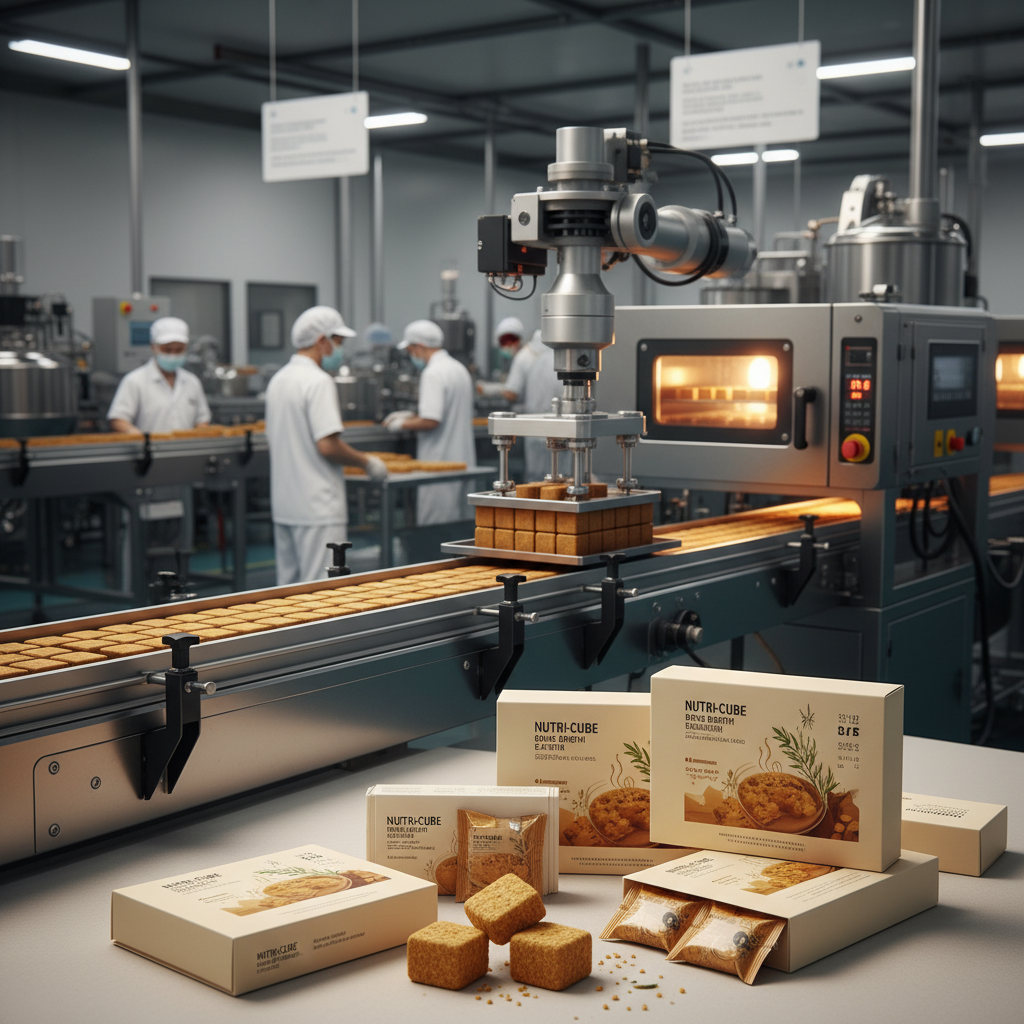
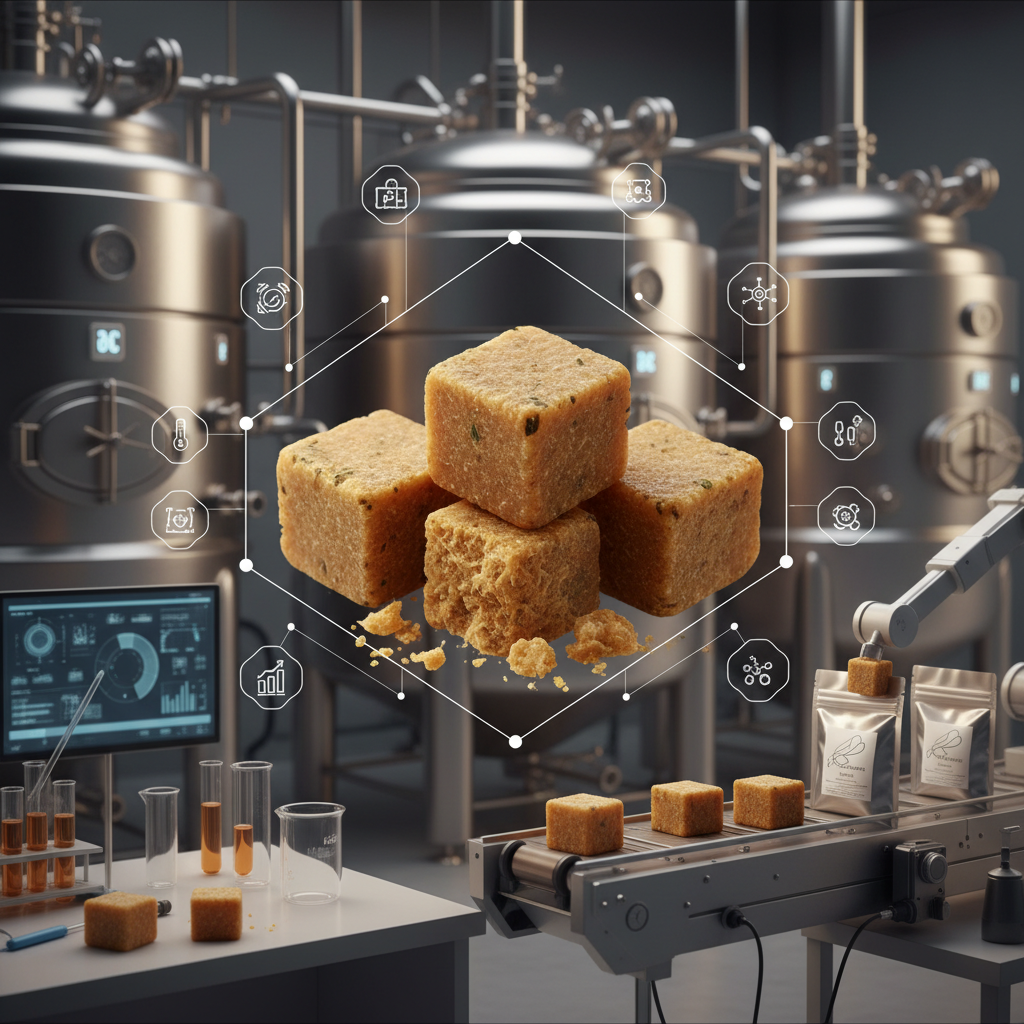
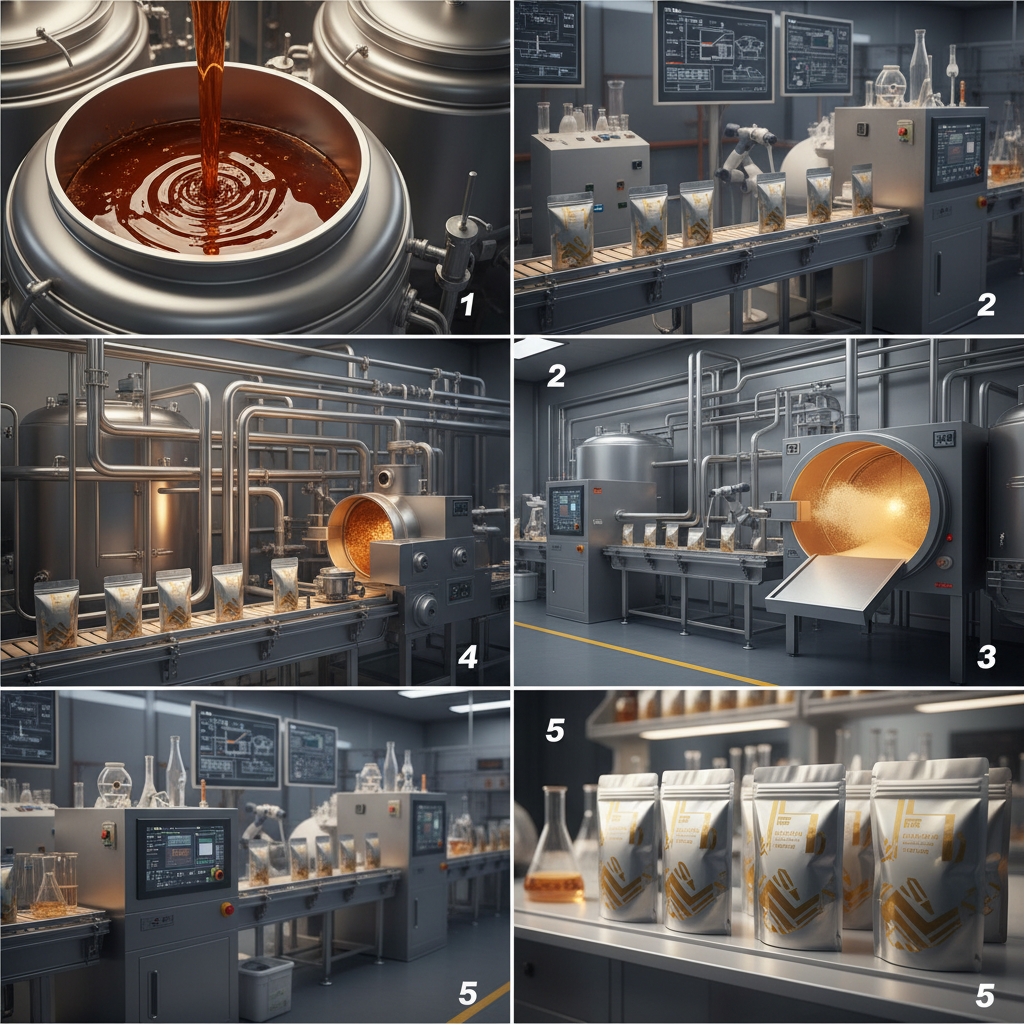
The global culinary landscape is witnessing a significant resurgence in ancestral nutrition, where bone broth bouillon cubes are emerging as a pivotal bridge between ancient health wisdom and the demands of a fast-paced modern lifestyle. By condensing the nutrient-dense profile of slow-simmered marrow and collagen into a convenient format, these products allow consumers to integrate gut-healing proteins into their daily diets without the 24-hour preparation time.
From a manufacturing perspective, the production of high-quality bone broth concentrates requires a sophisticated balance of dehydration technology and ingredient integrity. The goal is to preserve the delicate amino acids, such as glycine and proline, while ensuring a shelf-stable product that dissolves seamlessly into hot water, providing a rich, savory base for soups, stews, and wellness beverages.
Understanding the nuances of bone broth bouillon cubes is essential for food manufacturers and distributors who aim to capture the "clean label" market. As consumers shift away from synthetic flavor enhancers and toward whole-food alternatives, the ability to deliver a natural, nutrient-dense bouillon becomes a competitive advantage in the global food additive and seasoning sector.
Global Market Context of Bone Broth Bouillon Cubes
The global demand for bone broth bouillon cubes has surged as the "functional food" movement gains traction across North America, Europe, and Asia. According to market trends aligned with ISO quality standards, there is a growing preference for collagen-rich additives that support joint health and digestive wellness, pushing the industry beyond simple salt-based seasonings toward nutrient-dense concentrates.
However, the industry faces a significant challenge: the tension between convenience and purity. Many traditional bouillon products rely heavily on MSG and artificial fillers, which contradicts the health-conscious ethos of the bone broth consumer. This has created a massive opportunity for manufacturers who can produce a clean-label cube that maintains the authentic, deep flavor profile of long-simmered bones while remaining shelf-stable.
Defining the Essence of Bone Broth Bouillon Cubes
At its core, bone broth bouillon cubes are dehydrated concentrates of animal proteins, minerals, and fats extracted from bones through a prolonged simmering process. Unlike standard stock cubes, these are specifically engineered to retain a higher concentration of gelatin and amino acids, providing a "mouthfeel" and nutritional density that mimics homemade bone broth.
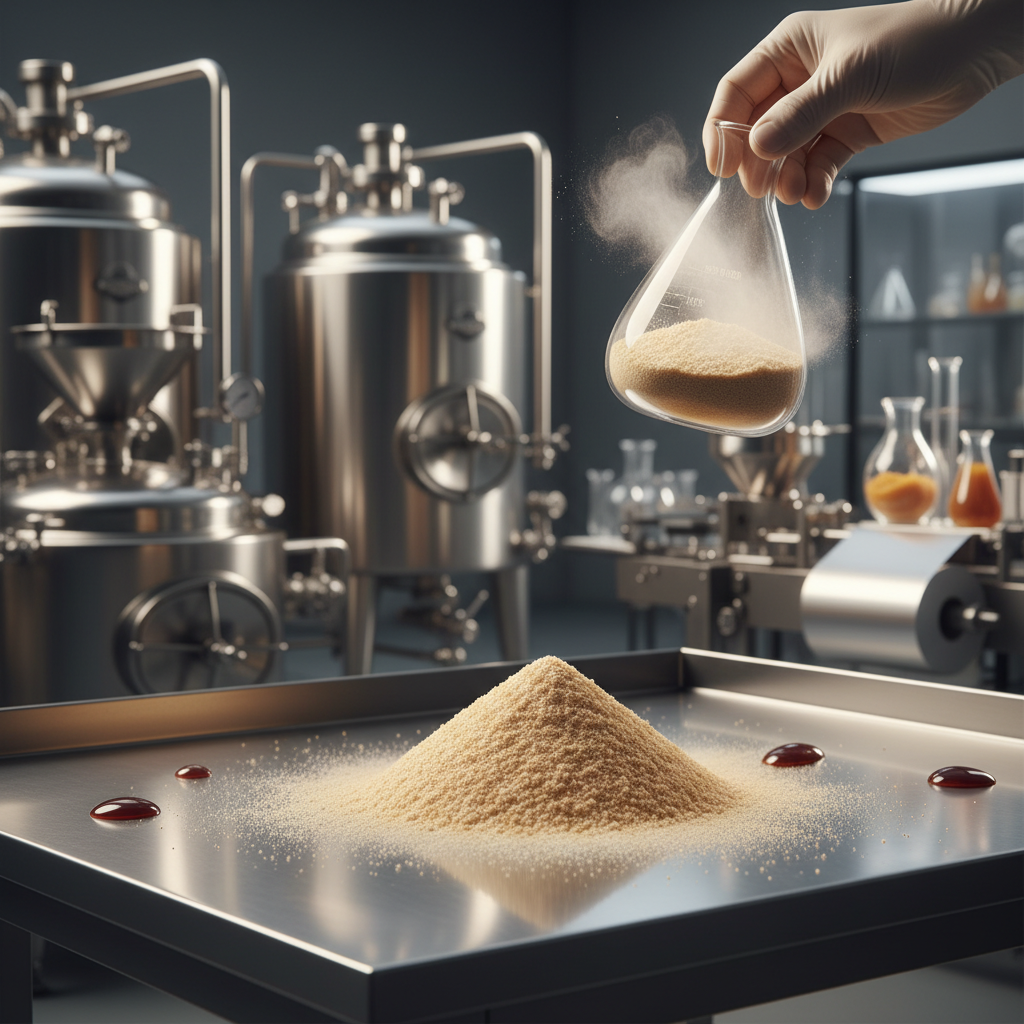
In the context of modern food manufacturing, these cubes represent a sophisticated intersection of food science and nutrition. By utilizing advanced spray-drying or freeze-drying techniques, manufacturers can remove water while locking in the bioactive peptides that make bone broth a staple in paleo and ketogenic diets, making these cubes a vital tool for health-focused food service.
Beyond mere flavor, these products address a humanitarian and practical need for nutrient-dense, portable food. In regions with limited access to fresh livestock or in high-stress environments where slow-cooking is impossible, a high-quality bouillon cube provides a critical source of protein and minerals, bridging the gap between survival rations and restorative nutrition.
Core Technical Components for Quality Production
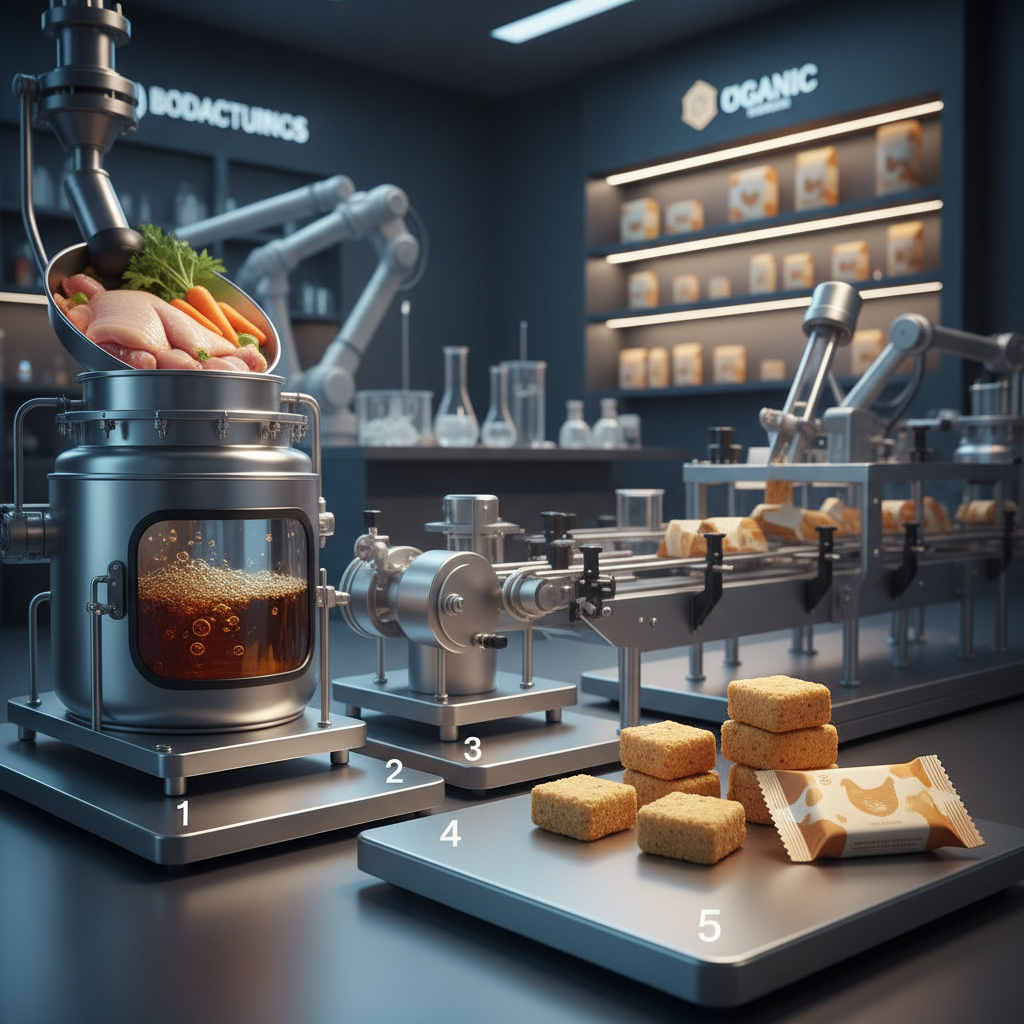
The efficacy of bone broth bouillon cubes depends largely on the extraction efficiency of the collagen. High-pressure extraction and temperature-controlled simmering are used to break down the connective tissues into soluble gelatin, ensuring that the final cube provides the characteristic viscosity and richness expected by the consumer.
Solubility and stability are the two primary technical hurdles. To prevent the cubes from becoming rock-hard or failing to dissolve, manufacturers must carefully calibrate the ratio of binders to fats. Using natural carriers like maltodextrin or organic starch allows the bone broth bouillon cubes to dissolve rapidly in boiling water without leaving oily residue or clumps.
Finally, the flavor profile is stabilized through a precise blend of natural salt and aromatic extracts. Since bone broth can develop "off-notes" during the dehydration process, the integration of organic herbs and spices helps mask any bitterness while enhancing the savory umami profile, ensuring a consistent taste experience across different production batches.
Performance Metrics in Commercial Applications
When evaluating bone broth bouillon cubes for commercial use, chefs and food scientists focus on the "reconstitution ratio"—the amount of water required to reach the ideal flavor intensity. A high-performance cube should provide a full-bodied taste without requiring excessive amounts of concentrate, thereby reducing the cost per serving for industrial kitchens.
Moreover, the thermal stability of the product is crucial. Whether used in a slow cooker or a rapid-boil industrial kettle, the nutrients and flavors must remain stable. The following chart illustrates how different production methods for bouillon cubes compare in terms of nutritional retention and flavor intensity.
Comparative Performance of Bone Broth Production Methods
Global Applications and Use Cases
In the hospitality industry, bone broth bouillon cubes serve as a critical base for "wellness menus." Hotels and high-end resorts are increasingly incorporating these concentrates into their morning beverage services, offering guests a warm, protein-rich alternative to traditional coffee or tea to boost energy and immunity.
Beyond the luxury sector, these cubes are invaluable in disaster relief and remote industrial zones. In post-disaster operations, providing a nutrient-dense, easy-to-prepare broth can significantly aid in the recovery of malnourished populations, offering the essential minerals and amino acids needed for tissue repair and cognitive function in high-stress environments.
Strategic Advantages and Long-Term Value
The primary advantage of bone broth bouillon cubes lies in their ability to reduce food waste. By utilizing bones and connective tissues that might otherwise be discarded during meat processing, manufacturers turn a byproduct into a high-value nutritional supplement, aligning with global sustainability and circular economy goals.
From a consumer psychology perspective, these products offer a sense of security and trust. The "homemade" flavor combined with a professional, sealed packaging provides the comfort of traditional cooking with the reliability of industrial food safety. This emotional connection to "ancestral eating" drives brand loyalty and long-term market growth.
Economically, the scalability of bouillon cubes is unmatched. For a food additive company, the low shipping weight and long shelf life of dehydrated cubes significantly lower logistics costs compared to liquid broths, allowing for wider global distribution and penetration into emerging markets with underdeveloped cold-chain infrastructure.
Future Trends and Innovative Solutions
The future of bone broth bouillon cubes is leaning heavily toward personalization and "clean-tech." We are seeing a shift toward allergen-free formulations, including the development of plant-based "bone-style" broths that use fermented fungi and sea minerals to replicate the amino acid profile of animal collagen.
Automation in the production line is also evolving. The integration of AI-driven sensory analysis allows manufacturers to adjust the flavor profile of each batch in real-time, ensuring that every cube meets a strict "umami index." This reduces waste and ensures that the product remains consistent regardless of the variability in the raw bone sources.
Sustainability will remain the driving force, with a transition toward biodegradable packaging to replace traditional plastic foils. As the world moves toward carbon neutrality, the efficiency of the dehydration process—shifting from energy-intensive heat to solar-powered freeze-drying—will define the next generation of market leaders in the seasoning industry.
Analysis of Production Methods for Bone Broth Bouillon Cubes
| Methodology |
Nutrient Density |
Dissolution Speed |
Cost Efficiency |
| Freeze-Drying |
Excellent (9.5/10) |
Instant |
Low (High Cost) |
| Spray-Drying |
Moderate (7.0/10) |
Fast |
High |
| Vacuum Concentration |
High (8.5/10) |
Moderate |
Moderate |
| Air-Drying |
Low (5.0/10) |
Slow |
Very High |
| Cold-Press Extraction |
Very High (9.0/10) |
Moderate |
Moderate |
| Hybrid Thermal |
Moderate (7.5/10) |
Fast |
High |
FAQS
Unlike regular stock cubes that primarily use salt and artificial flavorings, bone broth bouillon cubes are concentrated extracts of real bone marrow and connective tissue. This means they contain actual collagen, gelatin, and amino acids that provide health benefits for the gut and joints, whereas standard cubes are mainly used for seasoning without providing significant nutritional value.
Yes, through the process of dehydration—specifically freeze-drying or spray-drying—the water activity is reduced to a level where microbial growth is inhibited. When combined with airtight, moisture-proof packaging, bone broth bouillon cubes can maintain their potency and safety for 12-24 months without the need for synthetic preservatives.
For the best results, use boiling water and stir immediately. If you are using them in a slow cooker, adding them to the liquid at the start of the cycle ensures full integration. High-quality cubes are formulated with natural emulsifiers to prevent clumping, but stirring is always recommended to ensure a homogenous mixture.
Absolutely. Most premium bone broth bouillon cubes are designed specifically for these dietary frameworks. They provide a rich source of fats and proteins with minimal carbohydrates. However, we recommend checking the label for any added sugars or cornstarch fillers if you are following a strict keto protocol.
Importing bone broth bouillon cubes requires compliance with the destination country's food safety regulations (such as FDA in the US or EFSA in Europe). Because they are processed animal products, a health certificate and a detailed ingredient list are necessary. Working with a supplier that follows ISO and HACCP standards simplifies the customs clearance process significantly.
While homemade broth is the gold standard, modern freeze-drying technology allows bone broth bouillon cubes to retain up to 90-95% of the original amino acid profile. While some volatile aromas may change slightly, the core health-promoting components like glycine and proline remain intact and bioavailable upon reconstitution.
Conclusion
The evolution of bone broth bouillon cubes marks a pivotal shift in the food additive industry, where convenience no longer requires the sacrifice of nutrition. By combining advanced dehydration techniques with a commitment to clean-label ingredients, these products offer a scalable solution to the growing demand for functional, collagen-rich foods that support overall well-being and systemic health.
Looking forward, the integration of sustainable sourcing and eco-friendly packaging will further solidify the position of bone broth concentrates in the global market. For businesses looking to innovate their product lines, investing in high-quality, nutrient-dense bouillon is not just a trend—it is a strategic move toward a healthier, more sustainable food system. Visit our website: www.chinaseasoning.com