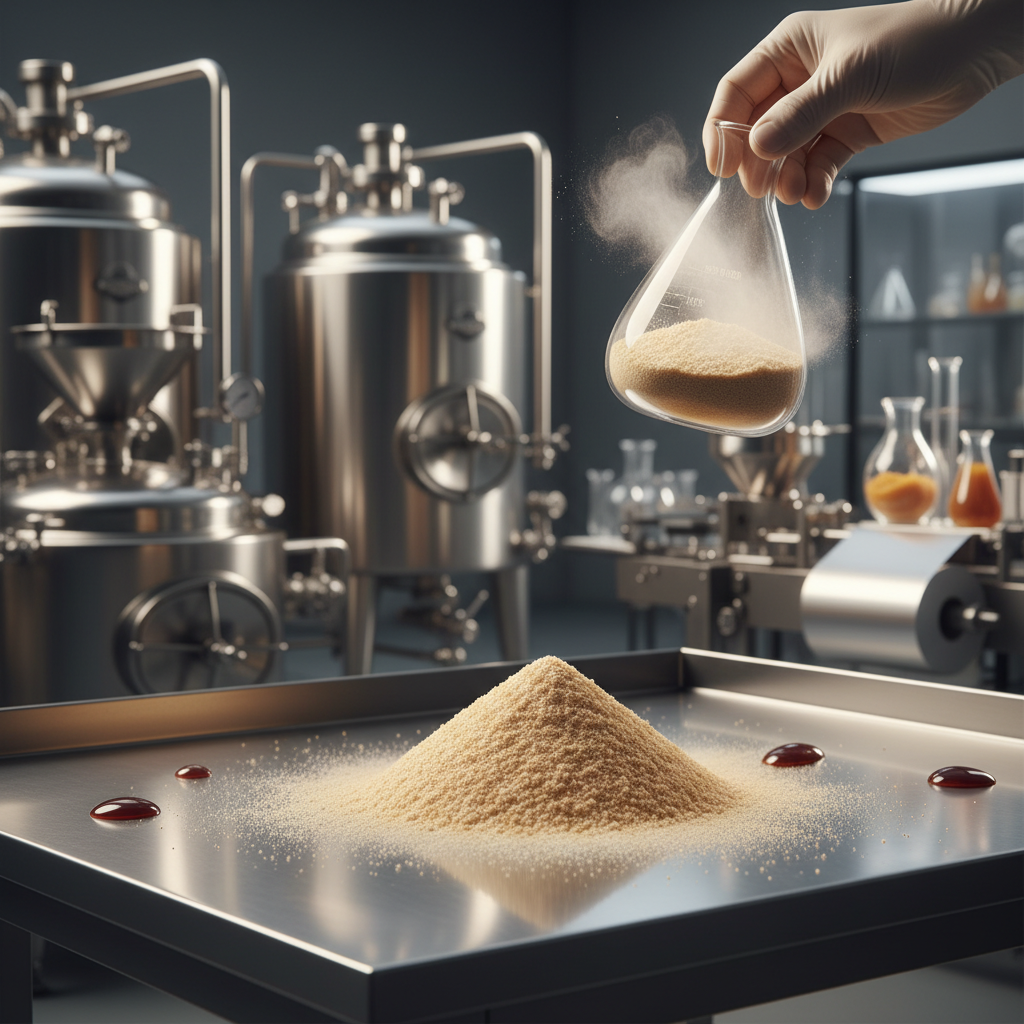
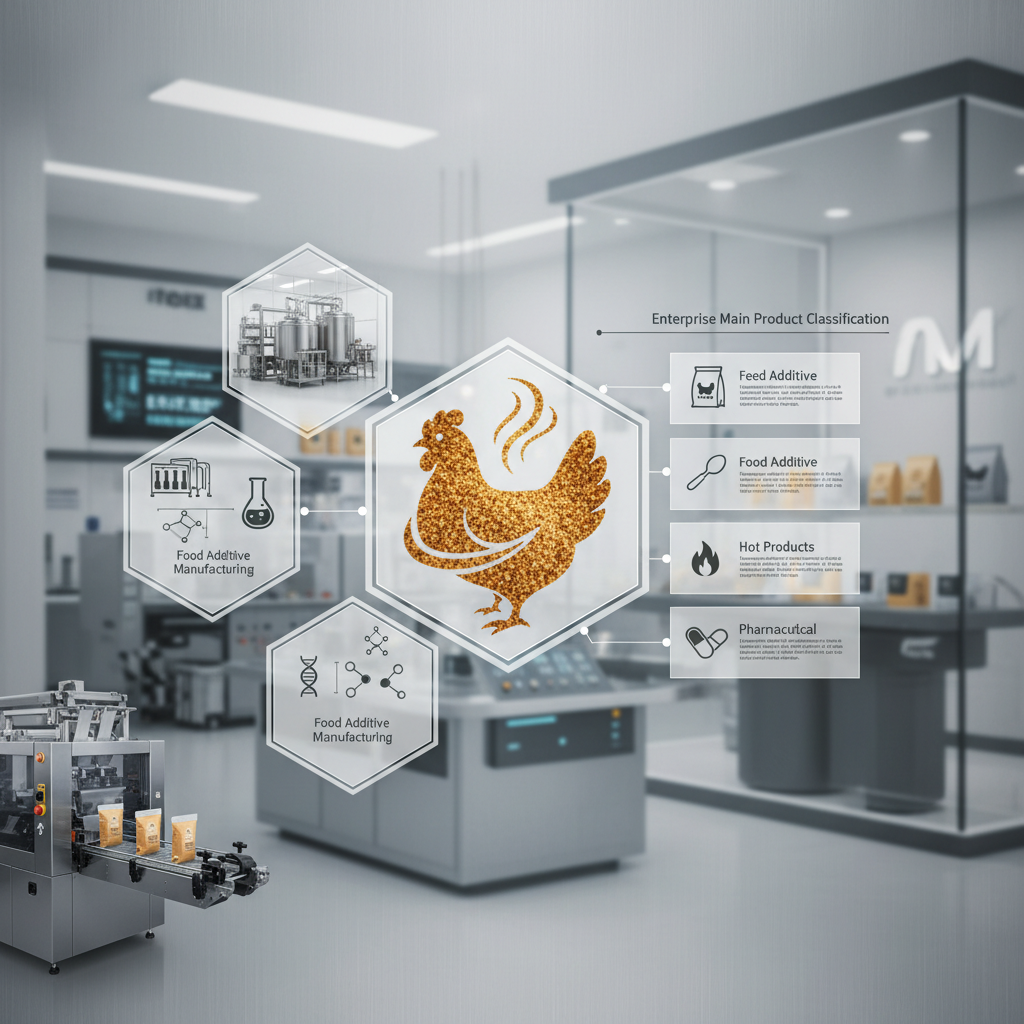
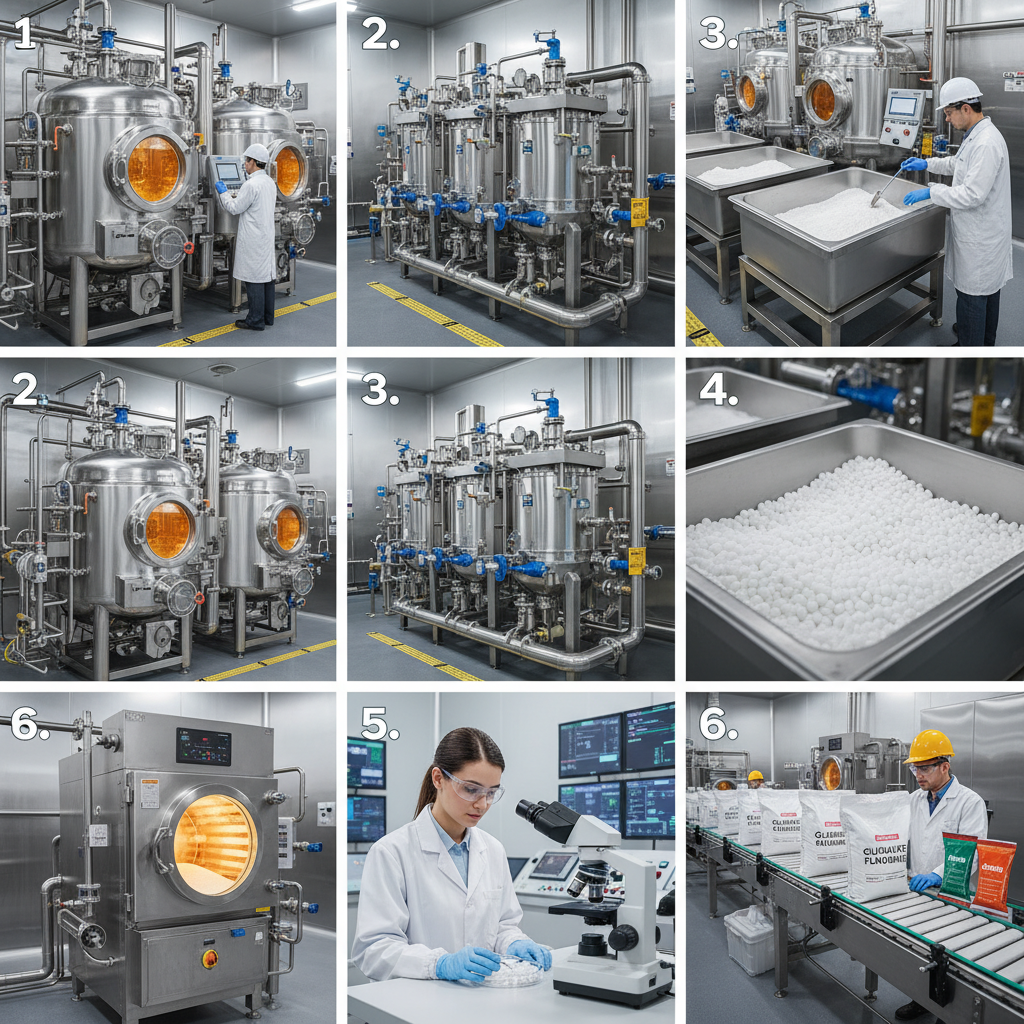
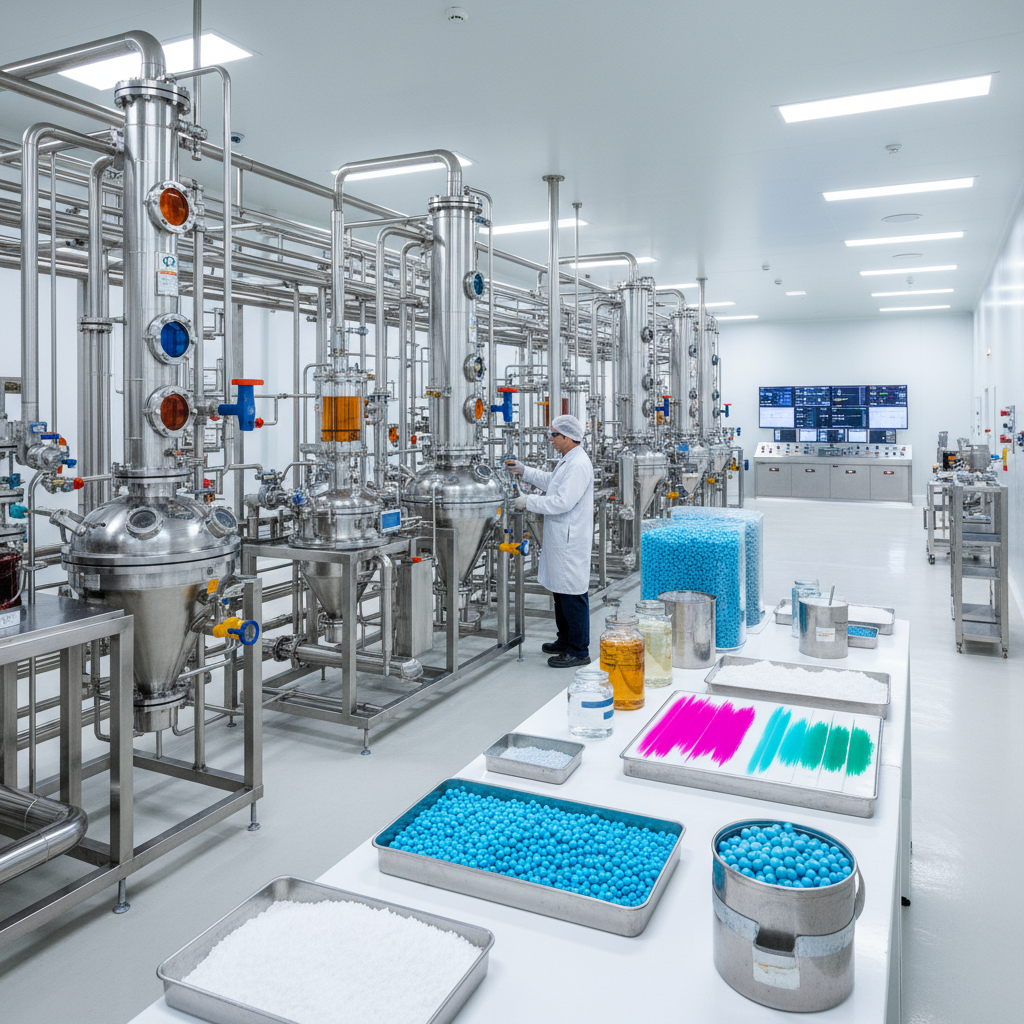
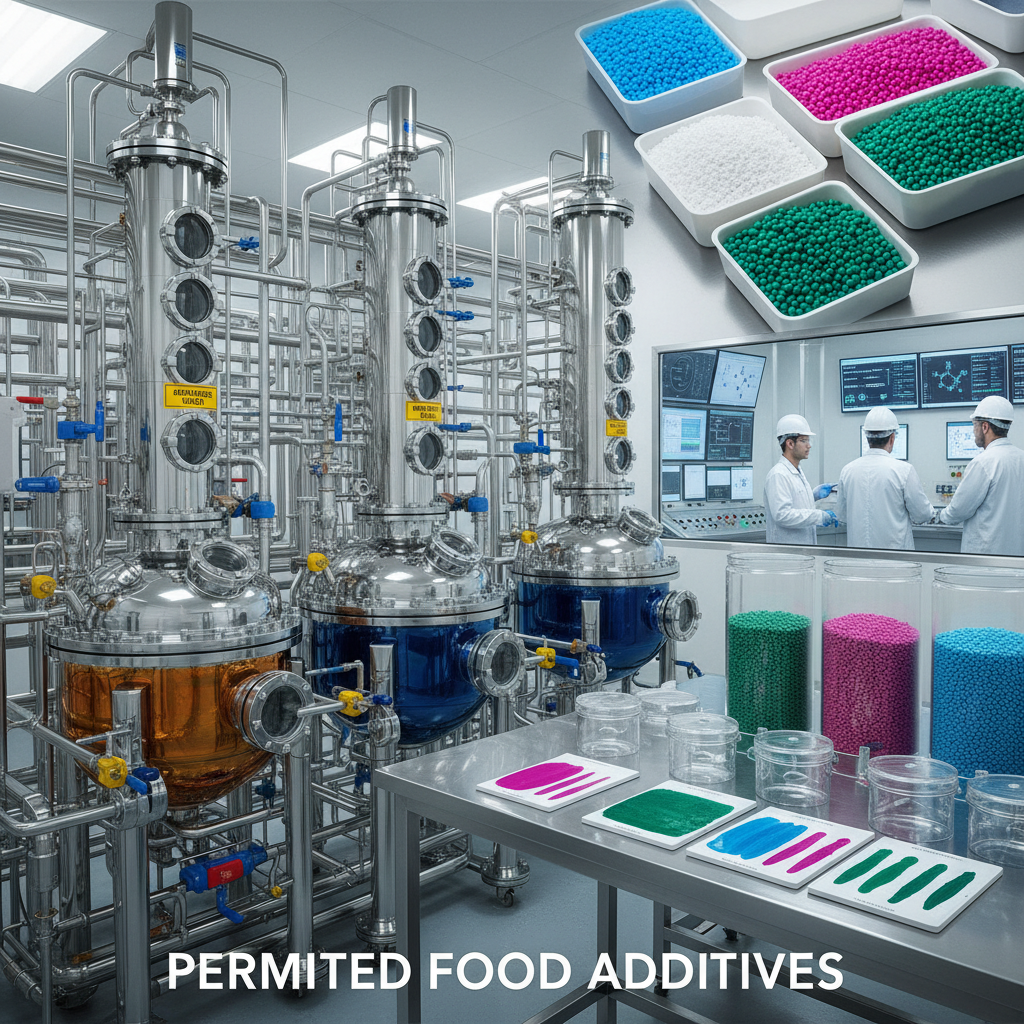
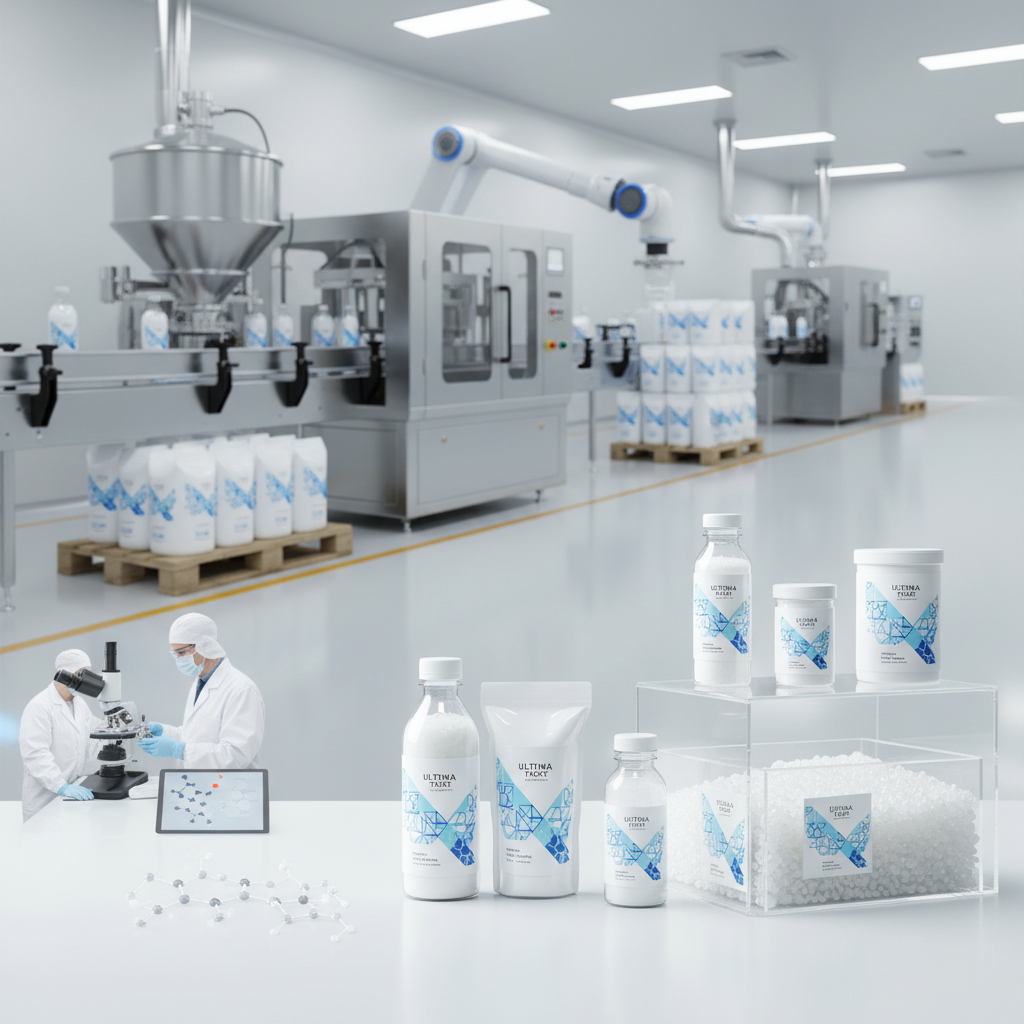
In the competitive landscape of the global food additive industry, the quest for authentic, consistent, and scalable flavor profiles has led to the widespread adoption of chicken aromatic powder. This specialized ingredient serves as a cornerstone for manufacturers seeking to replicate the savory, "umami" depth of roasted poultry without the logistical complexities of processing raw meat in every batch. By condensing volatile aromatic compounds into a stable powder, producers can ensure a uniform sensory experience across diverse product lines.
Understanding the technical composition and application of chicken aromatic powder is essential for food technologists and procurement managers who aim to balance cost-efficiency with gourmet quality. As consumer preferences shift toward convenience foods—such as instant noodles, ready-to-eat meals, and seasoned snacks—the demand for high-purity aromatic agents that withstand high-temperature processing has surged globally.
Beyond simple flavoring, this additive represents a synergy of food chemistry and industrial engineering, allowing for the precise control of salt, fat, and protein notes. Whether used in pharmaceutical intermediates for nutritional supplements or as a primary feed additive to enhance palatability in livestock, the versatility of chicken aromatic powder makes it an indispensable tool in modern food manufacturing.
Global Industry Context of Chicken Aromatic Powder
The global market for savory flavors is expanding rapidly, with chicken aromatic powder playing a pivotal role in the growth of the processed food sector. According to industry trends aligned with ISO food safety standards, the shift toward "clean label" and highly concentrated flavorings has forced manufacturers to innovate. The primary challenge has been maintaining a natural flavor profile while ensuring the product remains shelf-stable and resistant to oxidation during long-distance shipping.
As emerging economies in Asia and Africa increase their per capita consumption of processed proteins, the reliance on standardized aromatic powders has grown. This globalization of taste requires a level of precision that only advanced food additive manufacturing can provide, ensuring that a snack produced in one region tastes identical to one produced in another.
Definition and Technical Meaning
In technical terms, chicken aromatic powder is a sophisticated blend of hydrolyzed proteins, yeast extracts, and specific volatile organic compounds (VOCs) that mimic the olfactory and gustatory experience of cooked chicken. Unlike simple bouillon cubes, this powder is engineered for rapid solubility and high dispersion, making it ideal for industrial-scale mixing where clumps can ruin the texture of a final product.
From an industrial perspective, it is categorized under food additives but often overlaps with pharmaceutical intermediates when used as a carrier for specific nutrients or as a palatability enhancer in medical-grade nutritional shakes. Its primary purpose is to trigger the "umami" receptors on the human tongue, creating a perception of richness and satiety that is essential for consumer satisfaction.
The "aromatic" aspect refers to the retention of sulfur-containing compounds and ketones that are typically released during the Maillard reaction (the browning of meat). By capturing these scents in a powdered form, manufacturers can evoke the smell of a freshly roasted chicken the moment a consumer opens a package, which is a critical psychological driver in food sales.
Core Components for Quality Control
The efficacy of chicken aromatic powder depends heavily on its chemical stability. One of the primary factors is thermal durability; the powder must not lose its scent when subjected to the extreme heat of extrusion or spray-drying. This is achieved through micro-encapsulation, where flavor droplets are trapped in a protective matrix.
Another critical component is solubility and homogeneity. High-grade chicken aromatic powder must dissolve instantaneously in aqueous solutions without leaving residue. This ensures that the savory notes are distributed evenly across a batch of thousands of liters of soup or sauce, preventing "flavor hotspots" that can lead to quality rejects.
Finally, cost-efficiency and potency are the driving forces in procurement. Because these powders are highly concentrated, a small amount of chicken aromatic powder can flavor tons of end-product. This reduces shipping costs and storage requirements, providing a significant logistics advantage over liquid flavorings or raw chicken extracts.
Practical Applications and Performance
The application of chicken aromatic powder spans across multiple sectors. In the snack food industry, it is used as a topical seasoning for chips and crackers, where it must adhere to the surface without absorbing too much moisture. In the instant noodle sector, it forms the base of the seasoning sachet, providing a deep, savory broth in seconds.
Beyond human consumption, it is utilized in the animal feed industry as a palatability enhancer. For young livestock or pets with picky eating habits, adding a controlled dose of aromatic powder can stimulate appetite and improve nutrient intake, thereby accelerating growth cycles in commercial farming.
Performance Analysis of Chicken Aromatic Powder Variants
Global Use Cases and Regional Demand
In North America and Europe, chicken aromatic powder is frequently employed in the production of low-calorie "keto" or "paleo" snacks, where a strong flavor profile is needed to compensate for the lack of traditional fats. The focus here is on "clean" formulations that avoid MSG while maintaining the signature roasted chicken scent.
Conversely, in Southeast Asia, the demand is driven by the massive instant-meal market. Here, the powder is often blended with regional spices like lemongrass or galangal. In remote industrial zones or disaster-relief food kits, this powder is a lifesaver, providing essential flavor and psychological comfort in nutrient-dense, dehydrated rations where fresh meat is impossible to transport.
Long-Term Value and Strategic Advantages
The adoption of chicken aromatic powder offers tangible economic benefits. By reducing the reliance on fresh poultry, companies minimize their exposure to the volatility of livestock prices and the risks associated with avian flu or other biological threats to the supply chain. This creates a stable cost structure for long-term financial planning.
From a sustainability angle, using concentrated aromatic powders reduces the carbon footprint associated with the cold-chain logistics of transporting raw meat. It allows for a more streamlined manufacturing process with less waste and lower water consumption, aligning with the global push toward green manufacturing.
Moreover, the reliability of a standardized powder builds consumer trust. When a brand can guarantee that every packet of seasoning tastes exactly the same, it fosters brand loyalty. The innovation in this field isn't just about taste; it's about the dignity of providing consistent, high-quality food to populations regardless of their geographic location.
Future Innovations in Aroma Technology
The future of chicken aromatic powder is being shaped by biotechnology and digital transformation. We are seeing a move toward "precision fermentation," where yeast is genetically engineered to produce specific chicken-like flavor molecules without using any animal products. This will allow for a "vegan chicken aromatic powder" that is chemically identical to the traditional version.
Automation in dosing and blending is also transforming the factory floor. AI-driven sensory analysis can now adjust the powder's composition in real-time to compensate for variations in other raw ingredients, ensuring a perfect flavor profile every time. This digital shift reduces human error and maximizes the efficiency of additive usage.
Sustainability will remain the core driver, with a focus on biodegradable carriers and solvent-free extraction methods. As governments implement stricter regulations on synthetic additives, the industry is pivoting toward natural-source aromatic powders derived from plant-based precursors that mimic the molecular structure of chicken protein.
Technical Specification and Comparison of Aroma Powders
|
Product Variant
|
Heat Stability
|
Solubility Rate
|
Umami Intensity
|
| Industrial Standard |
Medium |
High |
7/10 |
| Encapsulated Premium |
Very High |
Medium |
9/10 |
| Natural-Source |
Low |
Very High |
6/10 |
| Concentrated Extract |
High |
Medium |
10/10 |
| Low-Sodium Grade |
Medium |
High |
5/10 |
| Hybrid-Fermented |
High |
High |
8/10 |
FAQS
While bouillon is a complete seasoning containing high salt and fillers, chicken aromatic powder is a concentrated flavor agent. It focuses on the volatile aromatic compounds and umami precursors, allowing manufacturers to control the salt levels separately and achieve a more refined, natural roasted scent that doesn't overpower other ingredients.
Standard versions are derived from animal proteins; however, new "nature-identical" variants use yeast extracts and plant-based amino acids to replicate the chicken profile. You must specify the requirement for "Vegan/Animal-Free" during procurement to ensure the powder is derived from non-animal fermentation processes.
Clumping is usually caused by the hygroscopic nature of the carriers. We recommend using a variant with an anti-caking agent like silicon dioxide or employing vacuum-sealed, moisture-barrier packaging. Additionally, storing the powder in a temperature-controlled environment below 25°C significantly extends its flowability.
Yes, provided you use an encapsulated grade. Encapsulation protects the flavor molecules from evaporating at high temperatures. For deep-frying or oven-baking, we recommend our "High-Heat Stable" variant, which ensures the chicken aroma is released only upon consumption, not during the cooking process.
When stored in original, unopened packaging in a cool, dry place, most chicken aromatic powders have a shelf life of 12 to 24 months. Because they are dehydrated and concentrated, they are far more stable than liquid extracts or raw meat bases, making them ideal for global distribution.
Importing requires compliance with the destination country's food safety laws (e.g., FDA in the US or EFSA in Europe). We provide full MSDS (Material Safety Data Sheets), Certificates of Analysis (COA), and ISO certifications to streamline the customs process and ensure all ingredients are GRAS (Generally Recognized as Safe).
Conclusion
The strategic integration of chicken aromatic powder into food manufacturing represents a balance between culinary art and industrial efficiency. By mastering the nuances of umami delivery, thermal stability, and solubility, producers can create products that not only satisfy the palate but also remain economically viable and operationally scalable. From enhancing the palatability of livestock feed to defining the taste of global snack brands, this additive is a silent powerhouse in the food supply chain.
As we look toward a future of sustainable and plant-based proteins, the technology behind aromatic powders will continue to evolve, bridging the gap between synthetic efficiency and natural authenticity. Companies that adopt these high-performance flavor solutions today will be better positioned to meet the demands of an increasingly discerning global consumer base. To explore our range of high-purity flavor solutions, visit our website: www.chinaseasoning.com