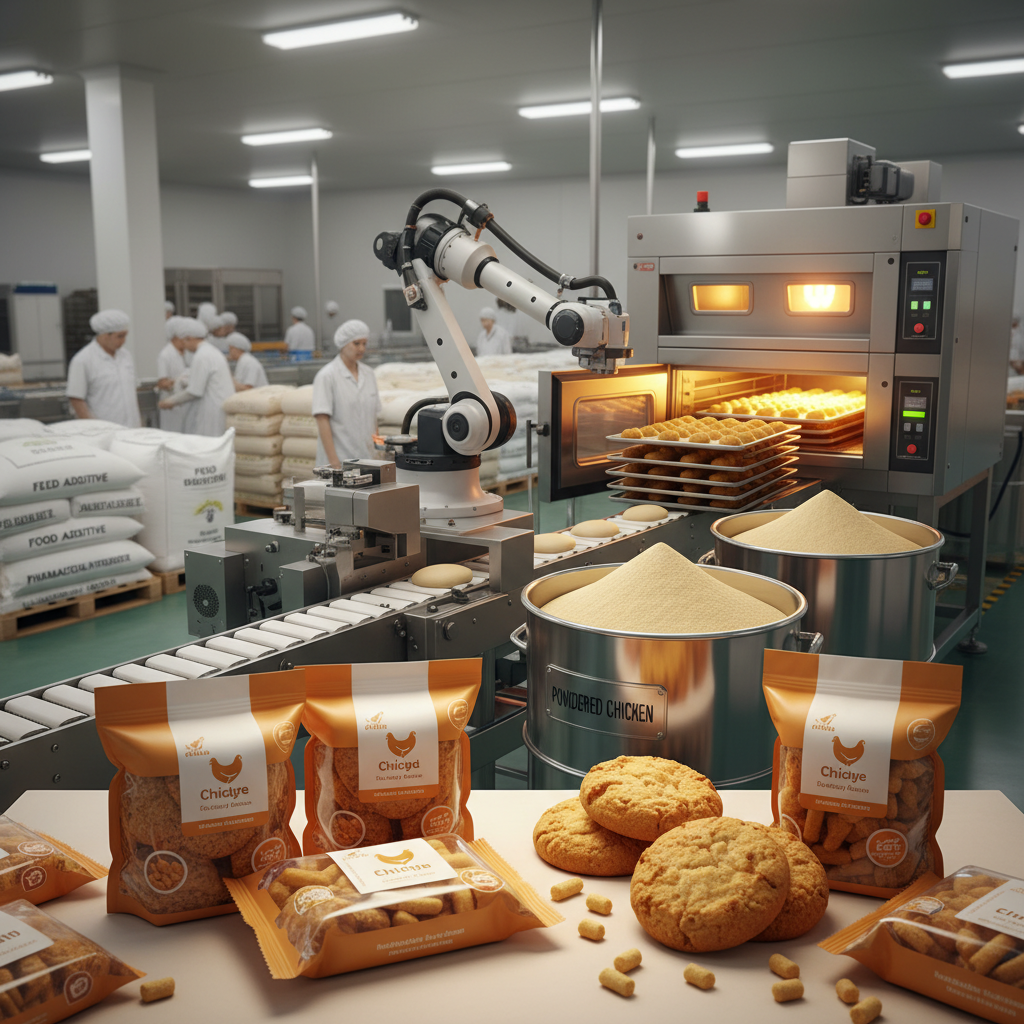
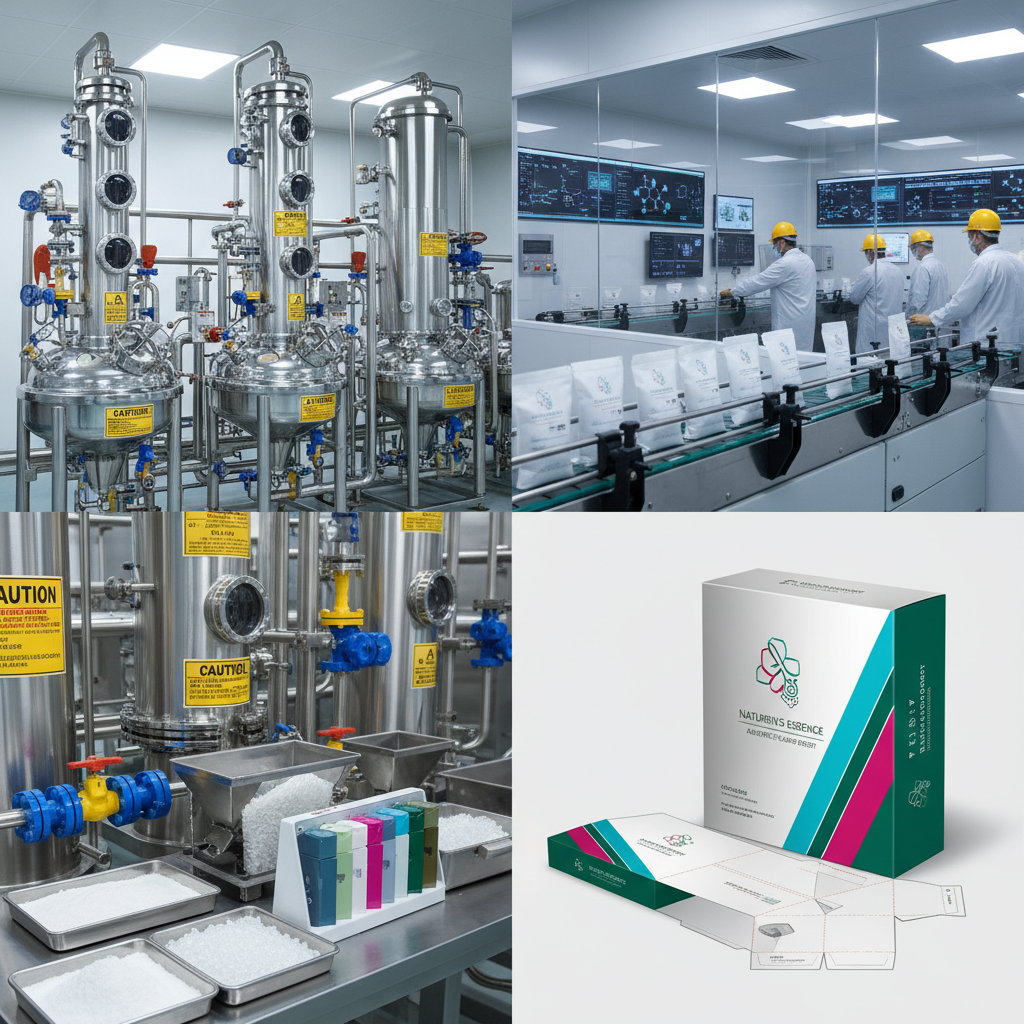
In the fast-paced world of modern gastronomy and industrial food production, the quest for consistent, rich, and savory flavor profiles has led to the widespread adoption of chicken broth with stock cube. This concentrated seasoning format has revolutionized how both home cooks and large-scale food manufacturers approach the foundation of soups, stews, and sauces, providing a reliable baseline of taste without the labor-intensive process of simmering bones for hours.
The global demand for convenient flavor enhancers is driven by a shift toward urban lifestyles and the need for scalable food solutions in the hospitality sector. By utilizing a chicken broth with stock cube, producers can ensure that a dish tastes the same in London as it does in Singapore, eliminating the variability inherent in fresh ingredients and reducing the overall cost of production.
Understanding the science behind these cubes—ranging from the Maillard reaction in the extract to the precise balance of salt and hydrolyzed proteins—is essential for any food additive professional. This guide explores the technical, commercial, and nutritional dimensions of chicken broth with stock cube, offering insights into how this small cube drives a multi-billion dollar global industry.
Global Market Context of Chicken Broth Stock Cubes
The global consumption of bouillon and stock concentrates has seen a steady climb, with the market for chicken broth with stock cube expanding particularly in emerging economies. According to food industry trends aligned with ISO quality standards, the demand is fueled by the rise of "convenience cooking" and the proliferation of fast-casual dining, where speed of preparation is paramount.
However, the industry faces a significant challenge: the tension between convenience and the "clean label" movement. Consumers are increasingly demanding fewer artificial additives and lower sodium levels, forcing manufacturers to innovate the chemical structure of the stock cube to maintain flavor intensity while improving the nutritional profile.
Defining the Technical Composition of Stock Cubes
At its core, chicken broth with stock cube is a dehydrated seasoning concentrate. Unlike traditional liquid broths, the stock cube utilizes a process of evaporation and compression, resulting in a dense block of salt, flavor enhancers, fat, and dehydrated chicken extracts. This form factor is specifically designed for shelf-stability, eliminating the need for refrigeration and reducing transportation costs.
From an industrial perspective, these cubes are more than just "seasoning"; they are precision-engineered food additives. The synergy between monosodium glutamate (MSG) or yeast extracts and the natural proteins from chicken creates an "umami" explosion that mimics the depth of a slow-cooked bone broth. This allows food manufacturers to achieve professional taste profiles across massive batches of food without the logistical nightmare of managing fresh poultry carcasses.
The connection to modern humanitarian needs is also evident. In disaster relief or remote industrial zones, chicken broth with stock cube serves as a critical tool for providing palatable, calorie-dense warmth to populations with limited access to fresh ingredients, proving that food additive technology has profound social implications beyond simple convenience.
Core Components of High-Quality Broth Cubes
One of the primary factors in a premium chicken broth with stock cube is Flavor Stability. This refers to the ability of the cube to maintain its aromatic profile after being stored for months and then subjected to boiling temperatures. The use of high-quality encapsulated flavors ensures that the "chicken" essence doesn't evaporate instantly upon contact with water.
Solubility and Dispersion are equally critical. A low-grade chicken broth with stock cube often leaves clumps or an oily residue on the surface. Professional-grade cubes utilize specific emulsifiers and finely milled salt crystals to ensure that the cube dissolves rapidly and uniformly, creating a smooth, consistent broth regardless of the water temperature.
Finally, Cost-Efficiency and Scalability make these products indispensable for the food industry. By substituting bulk fresh chicken stock with a precise dosage of chicken broth with stock cube, commercial kitchens can reduce waste by up to 30% and drastically cut down on energy consumption associated with long-term boiling.
Performance Metrics and Efficiency Analysis
To evaluate the effectiveness of different formulations, industry experts look at the "flavor-to-weight" ratio. A high-performing chicken broth with stock cube can flavor up to 500ml of water with a single 10g cube, representing an incredible concentration of savory compounds.
When comparing various manufacturing methods, the impact on the final taste profile is measurable. For instance, spray-drying extracts often yields a cleaner taste, while vacuum-drying may preserve more of the original protein structure.
Comparison of Chicken Broth with Stock Cube Formulations
Industrial Applications and Use Cases
In the commercial food sector, the application of chicken broth with stock cube extends far beyond simple soup making. It is used as a foundational "base" for deglazing pans in high-volume restaurant kitchens, providing an immediate layer of complexity to pan sauces. Furthermore, in the production of pre-packaged ready-meals, these cubes are integrated into the dehydrated sauce packets that consumers rehydrate at home.
Beyond the kitchen, these concentrates are vital in specialized environments. In remote mining camps or military field rations, chicken broth with stock cube provides a psychological boost by offering "home-cooked" flavor in austere conditions, while requiring minimal water and fuel to prepare, thus optimizing resource management in the field.
Long-Term Value and Sustainability Benefits
From a financial perspective, the long-term value of integrating chicken broth with stock cube into a supply chain is found in the drastic reduction of food waste. Fresh broth has a shelf life of only a few days, whereas stock cubes can last for years. This reliability removes the risk of spoilage and allows for leaner inventory management.
Sustainability is also a key driver. By concentrating the flavor into a small cube, the carbon footprint associated with transporting heavy water-based liquids is virtually eliminated. Shipping a palette of cubes is equivalent to shipping thousands of gallons of liquid broth, significantly reducing the number of trucks on the road and the overall CO2 emissions of the distribution process.
Moreover, the innovation in these products fosters a sense of trust and reliability. When a brand can guarantee that their chicken broth with stock cube delivers a consistent taste, it builds long-term loyalty with B2B clients who rely on that consistency to maintain their own brand standards.
Future Innovations in Broth Technology
The future of chicken broth with stock cube is moving toward "precision seasoning." We are seeing the rise of AI-driven flavor profiling, where algorithms analyze thousands of regional chicken broth recipes to create a "universal" stock cube that appeals to diverse global palates while remaining culturally authentic.
Digital transformation is also hitting the factory floor. Automation and 3D-food printing technology are being explored to create customized stock cubes with "timed-release" flavor layers—where different savory notes are released at different stages of the boiling process to mimic the complexity of a 24-hour simmered broth.
Finally, the shift toward green chemistry is leading to the development of biodegradable packaging for these cubes. Instead of plastic films, new seaweed-based wraps are being tested, ensuring that the convenience of chicken broth with stock cube does not come at the cost of environmental degradation.
Technical Analysis of Future Broth Cube Development Dimensions
| Innovation Dimension |
Current Standard |
Next-Gen Target |
Impact Score (1-10) |
| Sodium Content |
High (Salt-based) |
Potassium-enhanced |
9 |
| Packaging Material |
Plastic/Foil Wrap |
Water-soluble Algae |
8 |
| Flavor Complexity |
Single-note Savory |
Multi-stage Release |
7 |
| Production Method |
Batch Compression |
Continuous AI-Flow |
6 |
| Ingredient Sourcing |
Industrial Poultry |
Regenerative Organic |
8 |
| Dissolution Speed |
2-5 Minutes |
Instant (
|
7 |
FAQS
While both provide concentrated flavor, the chicken broth with stock cube is compressed for precise dosage and longer shelf stability. Powders are often faster to dissolve but can be more prone to moisture absorption (clumping) if not sealed perfectly. Cubes are generally preferred in industrial settings for easier inventory counting and standardized portion control.
To maintain the "umami" of chicken broth with stock cube while lowering salt, manufacturers use yeast extracts or mushroom powders. For end-users, we recommend using a "Low-Sodium" certified cube and supplementing with fresh aromatics like celery or carrots to add natural depth and complexity.
Traditional chicken broth with stock cube contains animal extracts. However, the food additive industry has developed "chicken-style" vegetable cubes that use hydrolyzed soy protein and yeast extract to mimic the exact taste profile of chicken without using any animal products.
When stored in a cool, dry place in their original airtight packaging, a high-quality chicken broth with stock cube typically has a shelf life of 18 to 24 months. The main risk is humidity, which can cause the cube to soften and lose its structural integrity.
Yes, they are ideal. For industrial scales, we often provide the same formulation as the chicken broth with stock cube but in bulk powder form. This allows manufacturers to integrate the seasoning into automated mixing systems while maintaining the same flavor consistency across millions of units.
Look for three markers: First, a clean dissolution without oily residue. Second, a balanced salt-to-umami ratio where the salt doesn't overpower the chicken flavor. Third, a firm texture that doesn't crumble easily, indicating a professional compression process during the manufacture of the chicken broth with stock cube.
Conclusion
The chicken broth with stock cube represents a perfect intersection of food science, industrial efficiency, and culinary practicality. From its ability to standardize taste across global borders to its role in reducing the carbon footprint of food logistics, the humble stock cube is an indispensable tool in the modern food additive landscape. By balancing flavor intensity, solubility, and shelf-life, it solves the age-old problem of providing deep, savory taste without the exhaustive time and resource investment of traditional broth production.
Looking ahead, the industry will continue to evolve toward cleaner labels and more sustainable delivery systems. For businesses and producers, the key to success lies in adopting these innovations—integrating low-sodium alternatives and eco-friendly packaging—to meet the demands of the conscious consumer. As we refine the chemistry of the chicken broth with stock cube, we aren't just creating a product; we are enhancing the global accessibility of quality nutrition and flavor. Visit our website: www.chinaseasoning.com