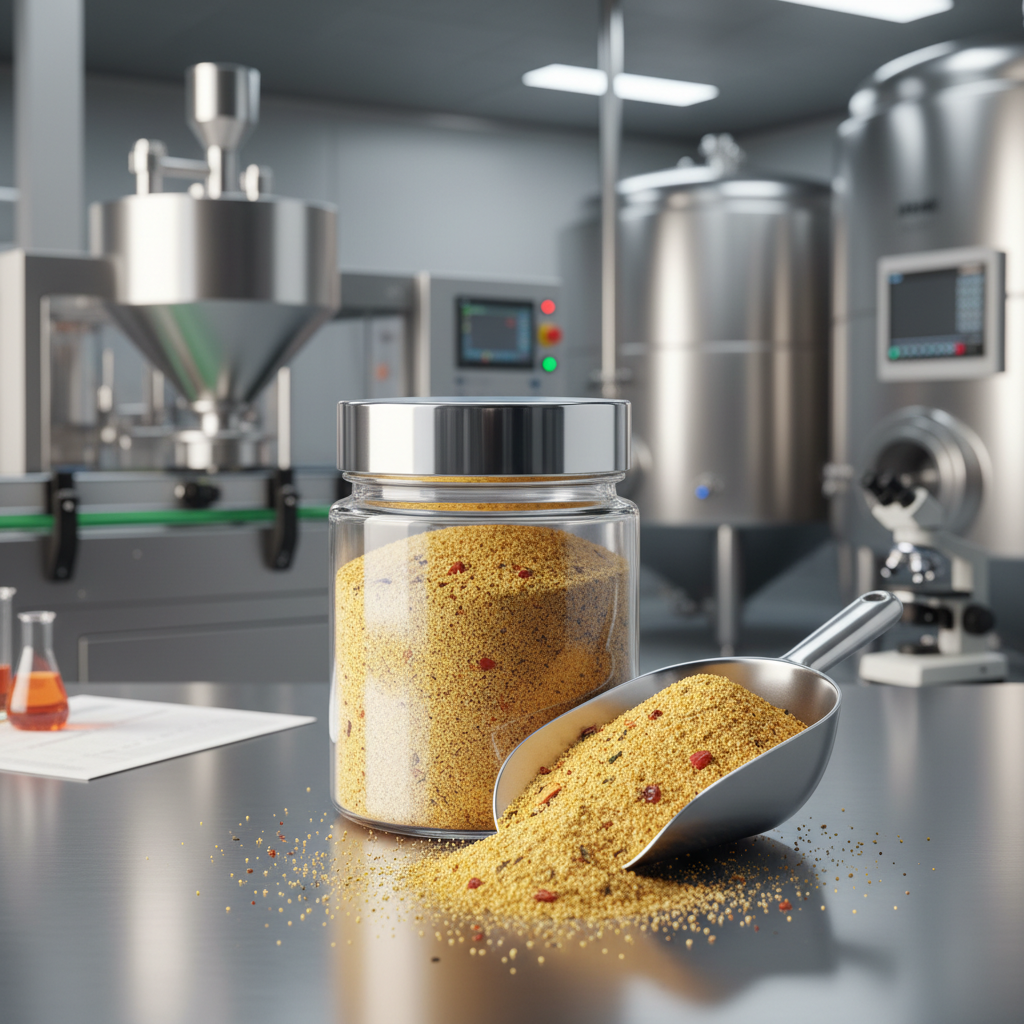
The culinary world has been revolutionized by the convenience of dehydrated seasonings, with chicken cube bouillon standing as a cornerstone of modern kitchens globally. These concentrated bursts of flavor provide a consistent, time-saving alternative to simmering bones for hours, allowing both home cooks and industrial food producers to achieve a deep, savory profile with minimal effort. Understanding the chemistry and production of these cubes is essential for anyone looking to optimize taste and cost in food manufacturing.
Beyond simple convenience, the global demand for chicken-flavored enhancers reflects a broader shift toward standardized taste profiles in a fast-paced society. Whether it is used in a hearty soup in Europe or a savory stir-fry in Asia, this versatile additive bridges the gap between traditional slow-cooking and the efficiency required by modern lifestyle demands. The ability to preserve the essence of chicken in a shelf-stable format makes it an indispensable tool for food security and culinary consistency.
From a technical perspective, the production of high-quality bouillon involves a sophisticated balance of salt, flavor enhancers, and dehydrated extracts. By mastering the ratio of these components, manufacturers can ensure that every single cube delivers a uniform experience. This guide delves into the industrial standards, applications, and future innovations surrounding chicken cube bouillon, providing a comprehensive overview for procurement officers and food scientists alike.
Global Industry Context of Chicken Cube Bouillon
The global market for chicken cube bouillon has seen exponential growth, driven by the rising demand for convenience foods in emerging economies. According to market analysis aligned with ISO quality standards, the seasoning industry has shifted toward high-concentration formulas that reduce shipping costs and storage space. In many regions, these cubes are not just kitchen staples but are critical components in large-scale catering and institutional feeding programs.
However, the industry faces a significant challenge: balancing the intense flavor profile consumers expect with the increasing demand for "clean label" ingredients. As regulatory bodies like the FDA and EFSA tighten restrictions on certain additives, manufacturers are forced to innovate. The struggle lies in maintaining the long shelf-life and solubility of the cube while removing artificial enhancers, creating a complex engineering problem for food chemists.
Defining Chicken Cube Bouillon in Modern Food Science
In simple terms, chicken cube bouillon is a dehydrated, compressed block of seasoning composed of salt, hydrolyzed vegetable proteins, chicken fat, and aromatic extracts. Unlike liquid stocks, the cube is designed for maximum stability and precise dosing. It serves as a flavor base that, when dissolved in hot water, mimics the taste of a slow-simmered chicken broth.
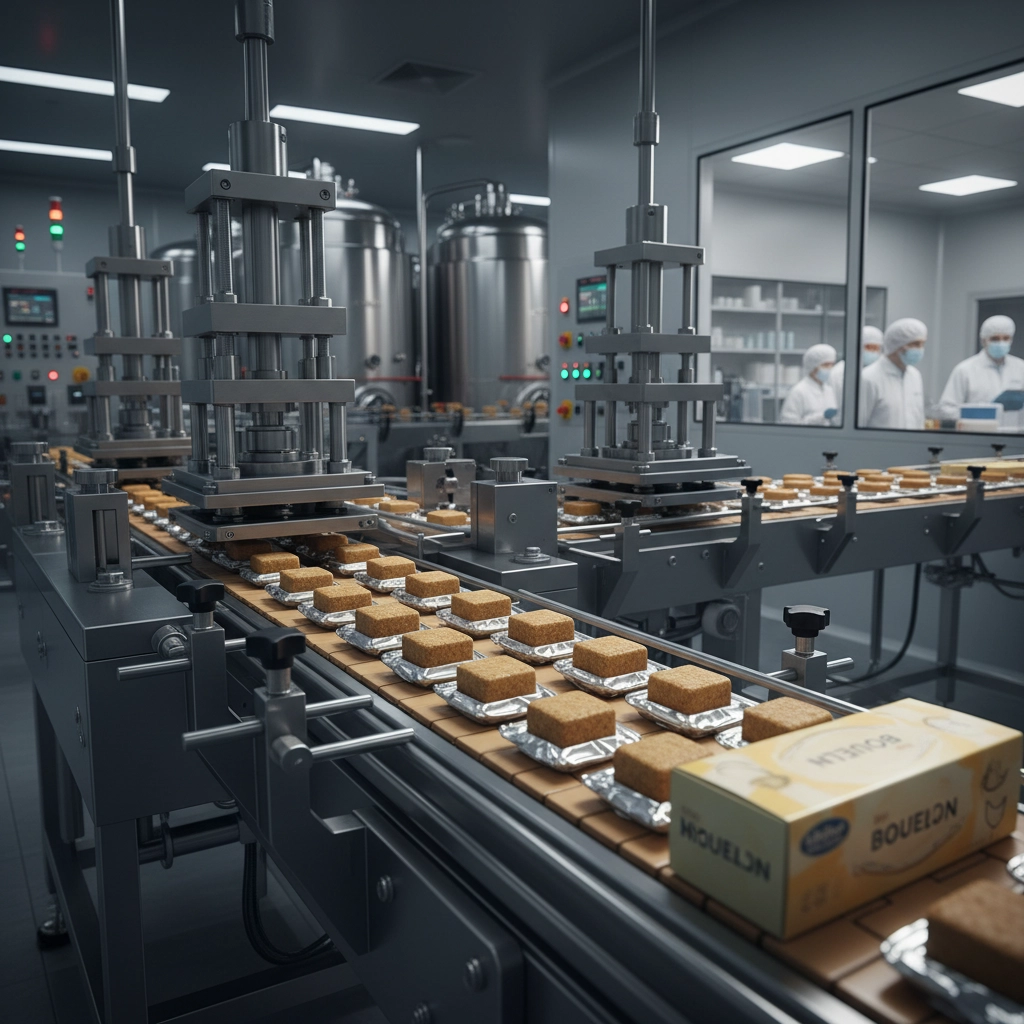
From an industrial standpoint, this product is a triumph of food engineering. It utilizes the principle of osmotic dehydration and compression to create a product that is impervious to microbial growth without requiring refrigeration. This makes it a vital tool for humanitarian aid and disaster relief, where providing nutrient-dense and flavorful food in remote areas is a primary objective.
Furthermore, the "bouillon" aspect refers to the concentrated essence of the meat and vegetables. In the context of modern food additives, the cube represents the intersection of efficiency and gastronomy, allowing for the mass reproduction of complex tastes that would otherwise be too expensive or time-consuming to produce fresh on a global scale.
Core Components and Quality Factors
The quality of chicken cube bouillon is primarily determined by its solubility and flavor release. A high-grade cube must dissolve completely in boiling water without leaving gritty residues, a factor achieved through precise particle size control of the salt and sugar crystals used as carriers.
Cost efficiency and scalability are critical industrial factors. By utilizing hydrolyzed plant proteins (HVP) to complement chicken extracts, manufacturers can maintain a potent "umami" profile while keeping the price point accessible for global markets. This strategic blending ensures that the product remains viable for both luxury retail and bulk industrial use.
Lastly, stability and durability are paramount. The inclusion of anti-caking agents prevents the chicken cube bouillon from absorbing moisture from the air, which would otherwise lead to clumping or spoilage. This technical precision ensures a shelf life of often 12 to 24 months, regardless of the climate.
Practical Applications and Use Cases
The application of chicken cube bouillon extends far beyond the home kitchen. In the industrial food sector, it is used as a base for pre-packaged instant soups, gravies, and seasoned snacks. For example, in the production of instant noodles, bouillon powders or dissolved cubes provide the essential flavor foundation that defines the product's identity.
In humanitarian contexts, such as post-disaster relief operations in remote industrial zones, bouillon cubes are invaluable. They provide a way to make bland, basic grains (like rice or maize) palatable and psychologically comforting for displaced populations, all while occupying minimal cargo space during air-drops or truck deliveries.
Efficiency Rating of Various Chicken Cube Bouillon Formulations
Tangible Benefits and Long-Term Value
The primary advantage of utilizing chicken cube bouillon is the drastic reduction in operational costs for food service providers. By eliminating the need for specialized equipment to brew stocks and reducing the labor hours spent on preparation, businesses can increase their margins without sacrificing the taste profile that customers expect.
Beyond the financial logic, there is a significant emotional and social value. In many cultures, the savory taste of chicken broth is associated with comfort, health, and home. By providing a reliable, high-quality bouillon, manufacturers help maintain this sense of dignity and comfort even in institutional settings, such as hospitals or schools, where gourmet preparation is impossible.
Future Trends and Green Innovations
The future of chicken cube bouillon is inextricably linked to the digital transformation of the food supply chain. We are seeing the rise of "smart manufacturing," where AI-driven blending systems adjust the ingredient ratios in real-time based on the potency of the raw chicken extract, ensuring 100% consistency across millions of units.
Sustainability is another major driver. New trends focus on "green energy" in the dehydration process, utilizing solar-powered spray dryers to reduce the carbon footprint of production. Additionally, there is a growing move toward biodegradable packaging, replacing traditional plastic foils with compostable films to reduce the environmental impact of single-use seasoning wrappers.
Furthermore, the industry is exploring plant-based "chicken" bouillon alternatives. Using fermentation technology and yeast extracts, manufacturers are creating vegan cubes that mimic the savory depth of chicken bouillon, catering to the global shift toward plant-based diets while retaining the same convenience and cost-effectiveness.
Challenges and Expert Solutions
One of the most persistent challenges in the production of chicken cube bouillon is the "sodium dilemma." Consumers want the flavor but are increasingly wary of high salt content. Expert food scientists are solving this by integrating potassium salts and natural flavor enhancers like mushroom powder to maintain the savory impact while reducing overall sodium levels.
Another limitation is the oxidation of fats, which can lead to off-flavors over time. To combat this, innovative manufacturers are using vacuum-sealing technologies and natural antioxidants, such as rosemary extract, to protect the integrity of the chicken fat within the cube, thereby extending the freshness of the product.
Finally, achieving a "natural" taste without artificial MSG remains a hurdle. The solution lies in the use of enzyme-treated proteins and concentrated vegetable bases, which naturally contain glutamates. This shift toward biological catalysts allows for a cleaner label that still satisfies the consumer's craving for that deep, traditional bouillon taste.
Comparative Analysis of Chicken Cube Bouillon Production Standards
|
Production Grade
|
Key Ingredient Focus
|
Solubility Rate
|
Market Positioning
|
| Economy Grade |
High HVP & Salt |
Moderate (7/10) |
Mass Market / Bulk |
| Standard Grade |
Balanced Extract |
High (8/10) |
Retail Supermarkets |
| Premium Grade |
Pure Chicken Essence |
Very High (9/10) |
Gourmet / Health Stores |
| Low-Sodium Grade |
Potassium-based |
High (8/10) |
Dietary Specialized |
| Organic Grade |
Non-GMO / Natural |
Moderate (7/10) |
Eco-conscious Market |
| Industrial Base |
Concentrated Powder |
Instant (10/10) |
B2B Food Mfg |
FAQS
While often used interchangeably, bouillon typically refers to a more concentrated, clarified broth essence. A chicken cube bouillon is specifically designed to be a flavor enhancer that mimics a rich broth, whereas stock cubes may contain more gelatinous elements. In industrial terms, bouillon cubes are optimized for rapid solubility and intense flavor impact in a smaller volume.
Shelf-life is maintained through a combination of low water activity (aW), high salt concentration, and moisture-proof packaging. By removing nearly all free water during the dehydration process, we eliminate the environment necessary for bacterial growth. Additionally, the use of anti-caking agents prevents humidity from compromising the structure of the cube.
Yes, they are ideal for B2B applications. Many food manufacturers use the same formulations found in chicken cube bouillon to create bases for instant noodles, canned soups, and frozen meals. They offer a standardized taste profile that ensures every batch produced in a factory tastes identical, regardless of the raw material variations in fresh chicken.
Absolutely. Modern food science allows us to create "no added MSG" versions by using yeast extracts and hydrolyzed plant proteins which naturally contain glutamates. These provide the same savory "umami" experience while meeting the clean-label requirements of health-conscious consumers and strict regulatory environments.
Importing requires adherence to the destination country's food safety laws (e.g., FDA in the US, EFSA in Europe). Key documents include the Certificate of Analysis (CoA), MSDS, and phytosanitary certificates. Working with a supplier that follows ISO and HACCP standards simplifies this process significantly, ensuring a smooth customs clearance.
The primary difference is the ratio of real chicken extract to flavor enhancers. Premium cubes use a higher percentage of dehydrated chicken meat and bone essence, resulting in a more authentic, layered taste. Budget cubes rely more heavily on salt and HVP (Hydrolyzed Vegetable Protein) to achieve a similar, though more one-dimensional, savory profile.
Conclusion
In summary, chicken cube bouillon represents a perfect synergy of culinary tradition and industrial efficiency. By transforming complex flavor profiles into a stable, concentrated format, it solves the dual challenge of cost-effectiveness and taste consistency. From its role in high-end food manufacturing to its critical use in global humanitarian aid, the bouillon cube remains an essential tool in the modern food additive landscape.
Looking forward, the industry is poised for a shift toward cleaner labels, sustainable production, and plant-based alternatives. For businesses looking to optimize their product lines, investing in high-quality, standardized seasoning solutions is the key to scaling successfully in a competitive global market. We invite you to explore our professional-grade solutions to elevate your culinary offerings. Visit our website: www.chinaseasoning.com