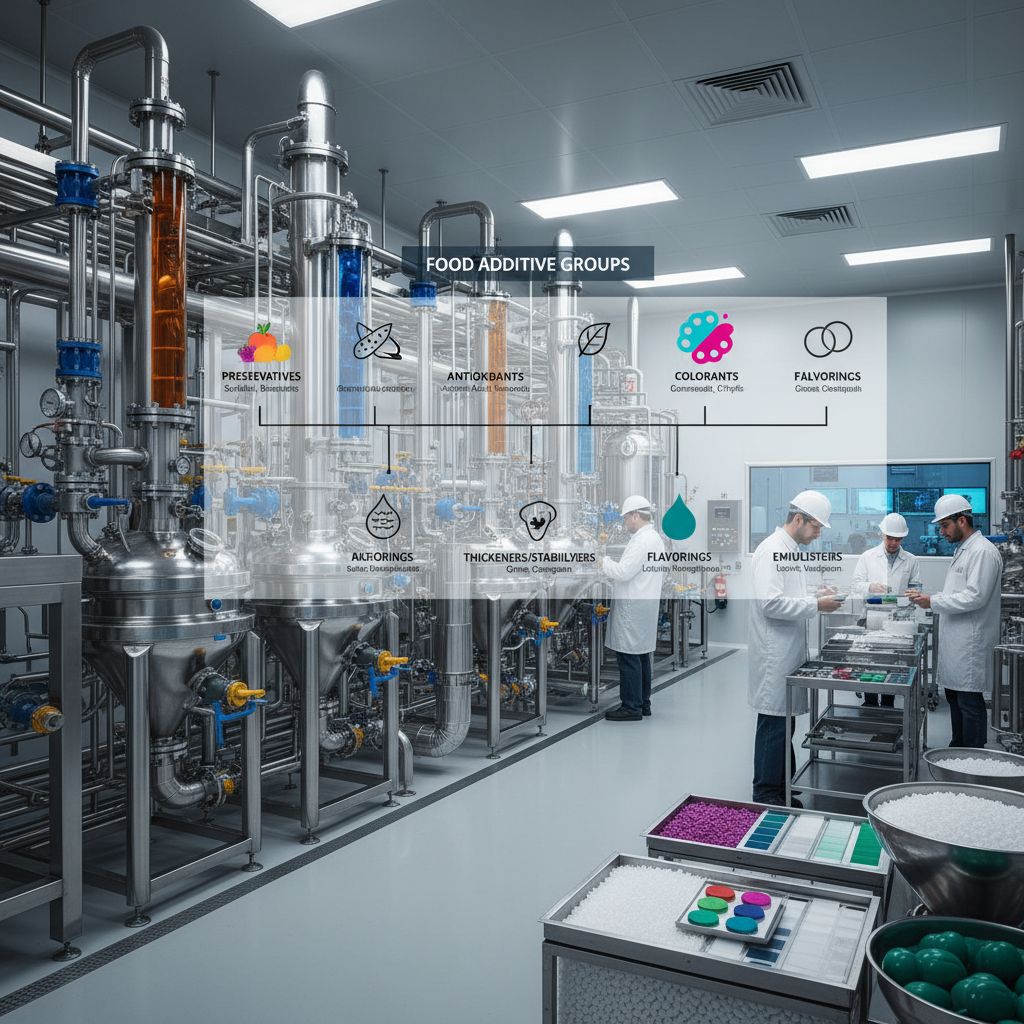
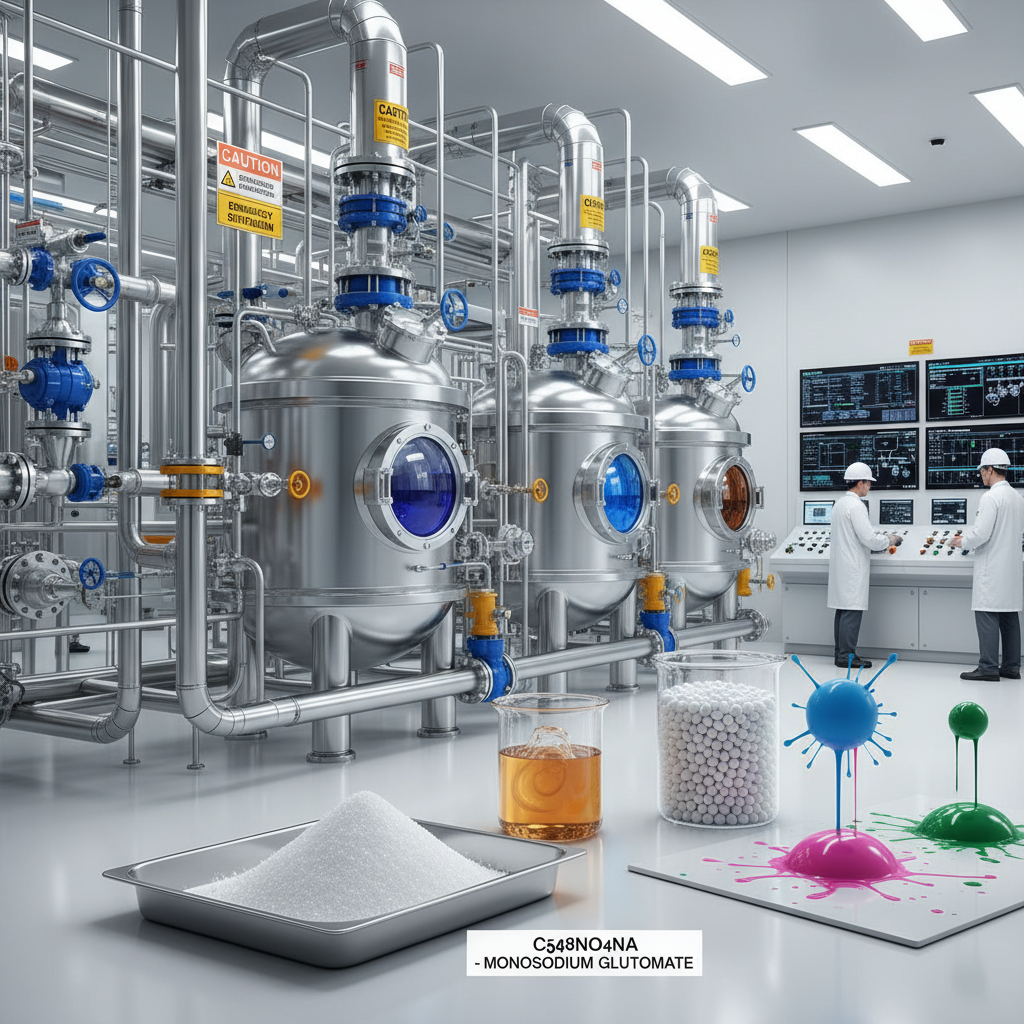
Understanding how to describe the main groups of food additives is essential for anyone involved in the modern food supply chain, from industrial manufacturers to health-conscious consumers. Food additives are not merely "chemicals" but are precisely engineered substances that ensure the safety, stability, and sensory appeal of the products we consume daily. By categorizing these substances, the industry can standardize quality control and adhere to stringent global safety regulations.
On a global scale, the strategic use of these components allows for the reduction of food waste and the fortification of diets in regions facing malnutrition. Whether it is preventing lipid oxidation in processed meats or maintaining the texture of gluten-free bakery products, the ability to accurately identify and apply different groups of additives is a cornerstone of food science. This knowledge bridges the gap between raw agricultural produce and the convenient, long-lasting food products required by an urbanized population.
For businesses specializing in Feed Additives, Food Additives, and Pharmaceutical Intermediates, mastering the nuances of these groups provides a competitive edge in product development. It enables the creation of "clean label" alternatives and the optimization of cost-efficiency without compromising nutritional value. By diving deep into the functional roles of these additives, manufacturers can better serve the evolving demands of a market that increasingly values transparency and functional wellness.
The Fundamental Classification of Food Additives
To effectively describe the main groups of food additives, one must first recognize that they are classified based on their primary function within the food matrix. These functions generally fall into three overarching categories: additives that preserve the food, those that improve the appearance or taste, and those that alter the physical structure of the product. This systemic approach allows food chemists to combine different additives to achieve a synergistic effect, ensuring that a product remains palatable and safe from the factory to the consumer's table.
Furthermore, this classification extends beyond simple utility to include the origin of the additive—whether it is naturally derived, nature-identical, or synthetic. In the current market, there is a significant shift toward "natural" groups, such as rosemary extract for antioxidants or beet juice for coloring. Understanding these distinctions is critical for compliance with international labeling laws and for meeting the demands of consumers who seek transparency in their ingredient lists.
Preservation Agents and Shelf-Life Extension
Preservatives form one of the most critical categories when we describe the main groups of food additives, as they directly impact food security and waste reduction. These agents are designed to inhibit the growth of microorganisms, such as mold, yeast, and bacteria, which can cause spoilage or foodborne illnesses. Antimicrobials like benzoates and sorbates are widely used in acidic foods, while nitrites remain indispensable in the cured meat industry to prevent the growth of Clostridium botulinum.
Beyond antimicrobials, antioxidants represent another vital subgroup of preservatives. These substances, including BHA, BHT, and the increasingly popular Tocopherols (Vitamin E), prevent the oxidation of fats and oils. Oxidation leads to rancidity, which not only ruins the flavor profile of a product but can also produce harmful free radicals. By stabilizing the lipid fraction of food, antioxidants ensure that fried snacks, oils, and baked goods maintain their quality over extended periods.
The challenge for modern manufacturers is balancing maximum efficacy with "clean label" trends. This has led to the development of biopreservatives, such as nisin or lactic acid bacteria, which offer a more "natural" way to extend shelf life. The integration of these sophisticated preservation systems allows for longer distribution chains, enabling food produced in one region to safely reach consumers thousands of miles away.
Sensory Enhancers: Colors and Flavors
When we describe the main groups of food additives in the context of sensory experience, we focus on how colors and flavors trigger the psychological appetite of the consumer. Food coloring agents, whether synthetic (like Allura Red) or natural (like Curcumin), are used to restore color lost during processing or to create a visually appealing uniformity that suggests quality and consistency.
Flavor enhancers, such as Monosodium Glutamate (MSG) and various nucleotides, do not necessarily add a new taste but amplify the existing "umami" or savory notes of the food. This group of additives is essential in the production of savory snacks and instant noodles, where the intensity of the flavor must be maintained despite high-temperature processing or long-term storage.
The synergy between these sensory additives is what creates a "brand profile" for food products. For instance, a specific shade of orange combined with a distinct artificial cheese aroma becomes a recognizable signature for a product line. As consumer preferences shift toward organic options, the industry is innovating with botanical extracts to achieve these same sensory milestones without relying on synthetic dyes.
Texture Modifiers and Stabilizers in Processing
Texture modifiers are the unsung heroes of food engineering, providing the "mouthfeel" that consumers associate with premium products. To describe the main groups of food additives in this category, we must look at emulsifiers, stabilizers, and thickeners. Emulsifiers, like lecithin, allow oil and water to mix seamlessly, preventing separation in mayonnaise or creamy dressings, while stabilizers like Xanthan Gum maintain a consistent viscosity.
These additives are crucial for the stability of complex emulsions and foams. Without them, many processed foods would suffer from syneresis (liquid separation) or collapse during freeze-thaw cycles. In the dairy industry, for example, stabilizers ensure that ice cream remains smooth and creamy by preventing the formation of large ice crystals, thereby enhancing the overall eating experience.
Efficiency Comparison of Texture Modifier Groups
Nutritional Fortificants and Pharmaceutical Synergies
Beyond preservation and aesthetics, a vital category to include when we describe the main groups of food additives is nutritional fortificants. These are vitamins, minerals, and amino acids added to foods to prevent nutrient deficiencies in the general population. Examples include adding iodine to salt, folic acid to flour, or Vitamin D to milk. This practice transforms basic calories into functional nutrition, addressing public health crises on a systemic level.
Interestingly, there is a significant overlap between food additives and pharmaceutical intermediates. Many of the high-purity chemicals used as additives are produced using the same synthesis pathways as pharmaceuticals. This synergy allows for the creation of "nutraceuticals"—products that provide health benefits beyond basic nutrition, such as Omega-3 enriched foods or probiotic-fortified beverages, blurring the line between diet and medicine.
Global Regulatory Frameworks and Safety Standards
The use of additives is strictly governed by international bodies to ensure consumer safety. When we describe the main groups of food additives, we must mention the role of the Codex Alimentarius, established by the FAO and WHO. This "food code" provides the global benchmarks for the Maximum Permitted Levels (MPL) of specific additives, ensuring that whether a product is made in Asia or Europe, it meets a minimum safety threshold.
In the United States, the FDA manages the GRAS (Generally Recognized as Safe) list, while the European Food Safety Authority (EFSA) employs a more precautionary approach, often banning certain dyes or preservatives that are permitted elsewhere. These regulatory differences force global manufacturers to create region-specific formulations, highlighting the complexity of managing additive groups across different jurisdictions.
Compliance is not just about legality; it is about building trust. The shift toward E-number transparency in Europe and the "natural flavors" labeling in the US reflects a broader movement toward consumer empowerment. Companies that proactively adopt the strictest global standards often find it easier to enter new markets and build long-term brand loyalty.
Future Innovations in Bio-based Additives
The future of the industry lies in the transition from synthetic chemistry to biotechnology. As we describe the main groups of food additives for the next decade, we will see an increase in "precision fermentation." This process uses microorganisms to "brew" specific additives, such as heme for plant-based meats or stevia-based sweeteners, which are chemically identical to their natural counterparts but produced without the need for extensive land use.
Sustainability is now a primary driver of innovation. The industry is moving toward "upcycled additives," where waste streams from other food processes are converted into functional ingredients. For example, pectin extracted from citrus peels or antioxidants derived from grape seeds. This circular economy approach reduces the environmental footprint of food additive manufacturing while providing a story of sustainability that resonates with modern consumers.
Furthermore, the integration of digital transformation and AI is allowing for the "hyper-customization" of additives. AI algorithms can now predict the optimal combination of stabilizers and preservatives for a specific food matrix, reducing the need for trial-and-error in the lab. This leads to more efficient production cycles and the discovery of new, safer additive combinations that were previously overlooked.
Comparative Analysis of Traditional vs. Next-Generation Additives
| Additive Group |
Traditional Source |
Bio-based Alternative |
Sustainability Score (1-10) |
| Preservatives |
Sodium Benzoate |
Nisin / Bacteriocins |
9 |
| Sweeteners |
Aspartame |
Allulose / Monk Fruit |
8 |
| Colorants |
Tartrazine |
Spirulina Extract |
10 |
| Emulsifiers |
Polysorbate 80 |
Sunflower Lecithin |
9 |
| Thickeners |
Modified Starch |
Seaweed Alginates |
8 |
| Antioxidants |
BHT / BHA |
Rosemary Extract |
10 |
FAQS
No, absolutely not. When we describe the main groups of food additives, we include natural substances like citric acid (found in citrus fruits) and lecithin (found in egg yolks). Many additives are essential for safety, such as preservatives that prevent botulism. Regulatory bodies like the FDA and EFSA only approve substances after rigorous toxicological testing to ensure they are safe for consumption at specified levels.
A flavor is a substance that adds a specific taste (e.g., vanilla extract adding a vanilla taste). A flavor enhancer, on the other hand, does not have a strong taste of its own but intensifies the existing flavors of the food. MSG is a classic example of an enhancer that boosts the savory "umami" profile of a dish without adding a new flavor.
Additives are typically listed by their specific name (e.g., "Xanthan Gum") or by an international numbering system known as E-numbers (e.g., E415 for Xanthan Gum). E-numbers are used primarily in the EU and other regions to standardize the identification of additives regardless of the language on the packaging.
Yes, many of the groups we discuss—such as antioxidants, preservatives, and nutritional fortificants—are also crucial in the Feed Additive industry. While the safety thresholds and specific chemical forms may differ, the goal remains the same: improving the stability, nutritional value, and safety of the feed to ensure healthy livestock growth.
"Clean label" refers to a consumer-driven trend where manufacturers replace synthetic-sounding additives with natural alternatives. For example, replacing "Sodium Nitrite" with "Celery Powder" (which naturally contains nitrites). The goal is to create a label that is easy for the average consumer to understand and perceive as "healthy."
Generally, stabilizers and emulsifiers are used in such small quantities that they do not significantly alter the caloric or macronutrient profile of the food. Their primary role is physical (texture and stability) rather than nutritional. However, some bio-based stabilizers may provide a small amount of dietary fiber.
Conclusion
In summary, the ability to describe the main groups of food additives provides a comprehensive roadmap for navigating the complexities of modern food production. From the vital role of preservatives in eliminating waste to the precision of texture modifiers and the health impact of nutritional fortificants, these substances are indispensable. By understanding the synergy between these groups and the regulatory frameworks that govern them, manufacturers can create products that are not only safe and delicious but also sustainable and transparent.
Looking ahead, the industry is poised for a revolution driven by biotechnology and the circular economy. The transition toward bio-based and upcycled additives represents a significant leap toward a more sustainable global food system. For companies operating in the sectors of Feed Additives, Food Additives, and Pharmaceutical Intermediates, staying abreast of these innovations is no longer optional—it is the key to long-term viability. We invite you to explore our high-purity solutions and expert guidance to optimize your product formulations. Visit our website: www.chinaseasoning.com