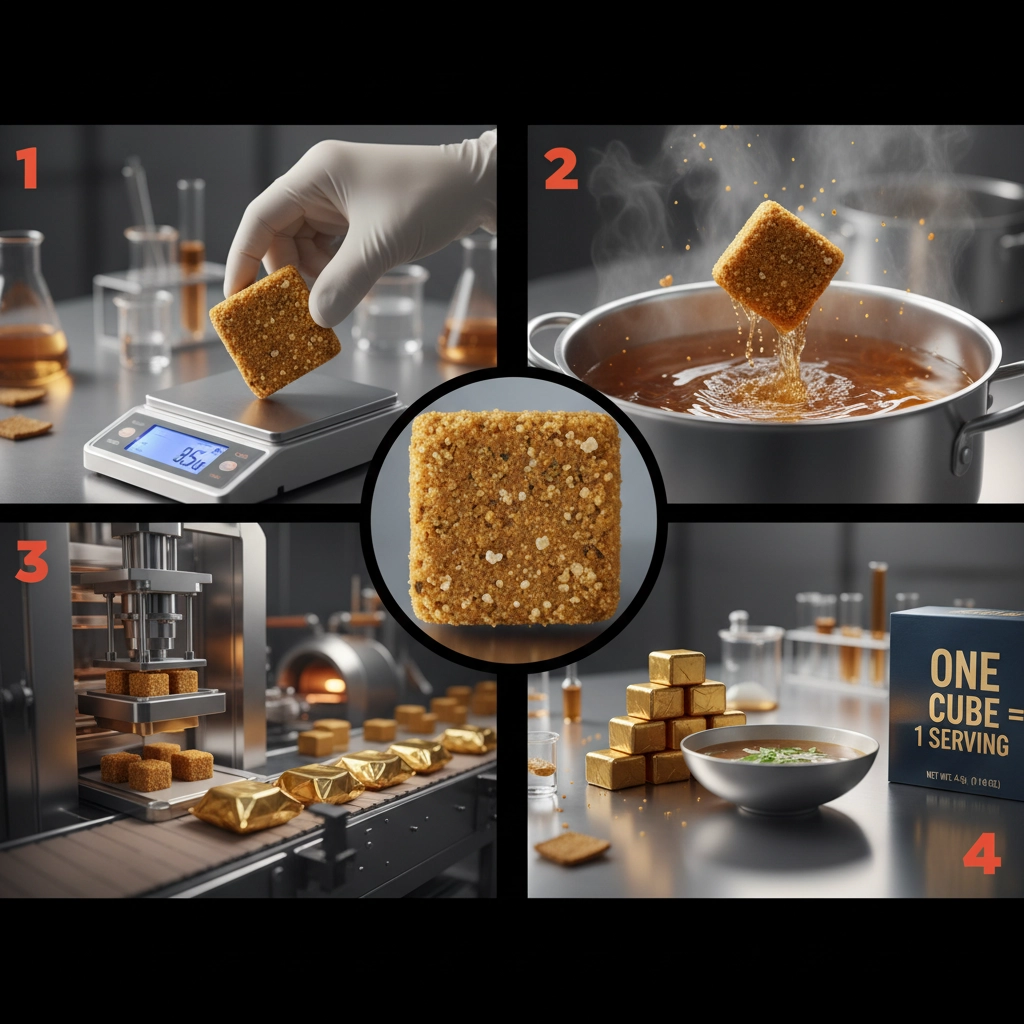
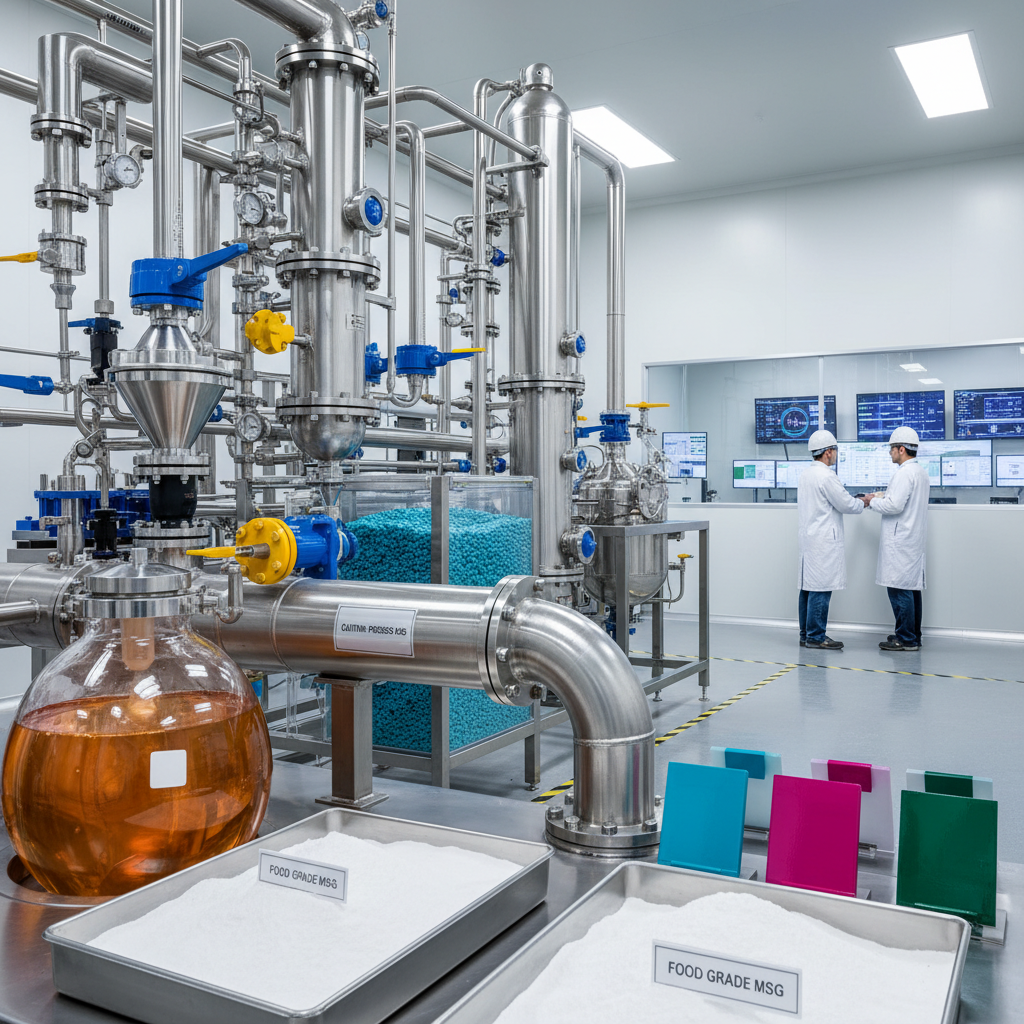
In the competitive landscape of the global food industry, chicken bouillon powder has emerged as a fundamental ingredient for achieving consistent, savory flavor profiles across diverse culinary applications. As consumers demand more convenience without sacrificing the "home-cooked" taste, this versatile seasoning provides an efficient solution for food manufacturers and professional chefs alike.
The global shift toward processed and semi-prepared meals has accelerated the demand for high-quality flavor enhancers. From instant soup bases to complex marinades, the ability of a concentrated powder to replicate the deep, umami richness of slow-simmered chicken stock is invaluable for maintaining scalability in mass production.
Understanding the technical nuances of chicken bouillon powder—including its composition, stability, and purity—is essential for brands aiming to optimize their product formulations. By balancing taste, cost, and nutritional value, manufacturers can create products that resonate with a global palate while ensuring long-term shelf stability.
Global Market Relevance of Chicken Bouillon Powder
The global market for chicken bouillon powder is driven by the rapid urbanization and the increasing pace of modern lifestyles. According to food industry trends aligned with ISO quality standards, the demand for standardized flavor bases has spiked in emerging economies where the infrastructure for fresh poultry processing is still evolving. This powder provides a reliable, safe, and nutrient-dense alternative to fresh stocks.
Beyond convenience, the industry faces the challenge of maintaining flavor authenticity while reducing sodium levels to meet World Health Organization (WHO) guidelines. This has pushed the development of advanced chicken bouillon powder formulations that utilize natural yeast extracts and hydrolyzed proteins to maintain a rich taste without compromising health standards.
Technical Definition and Industrial Meaning
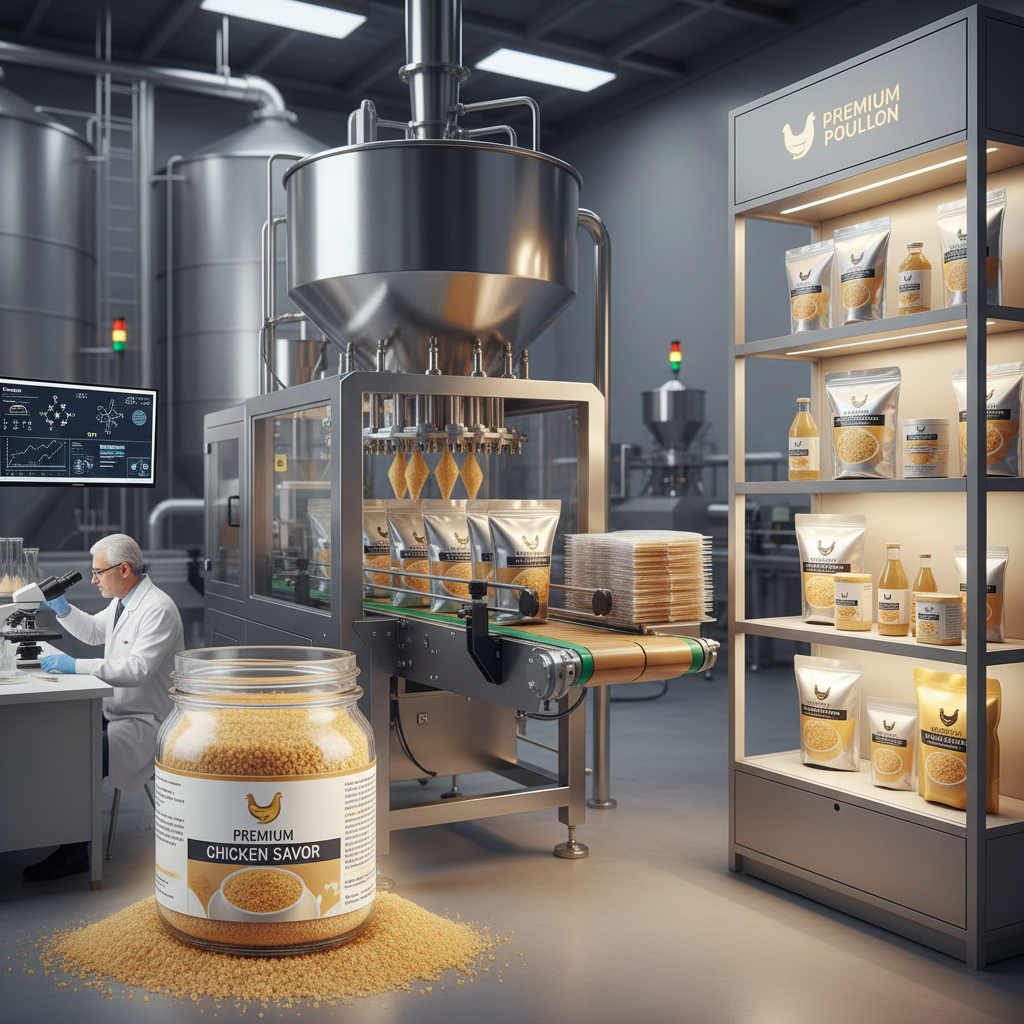
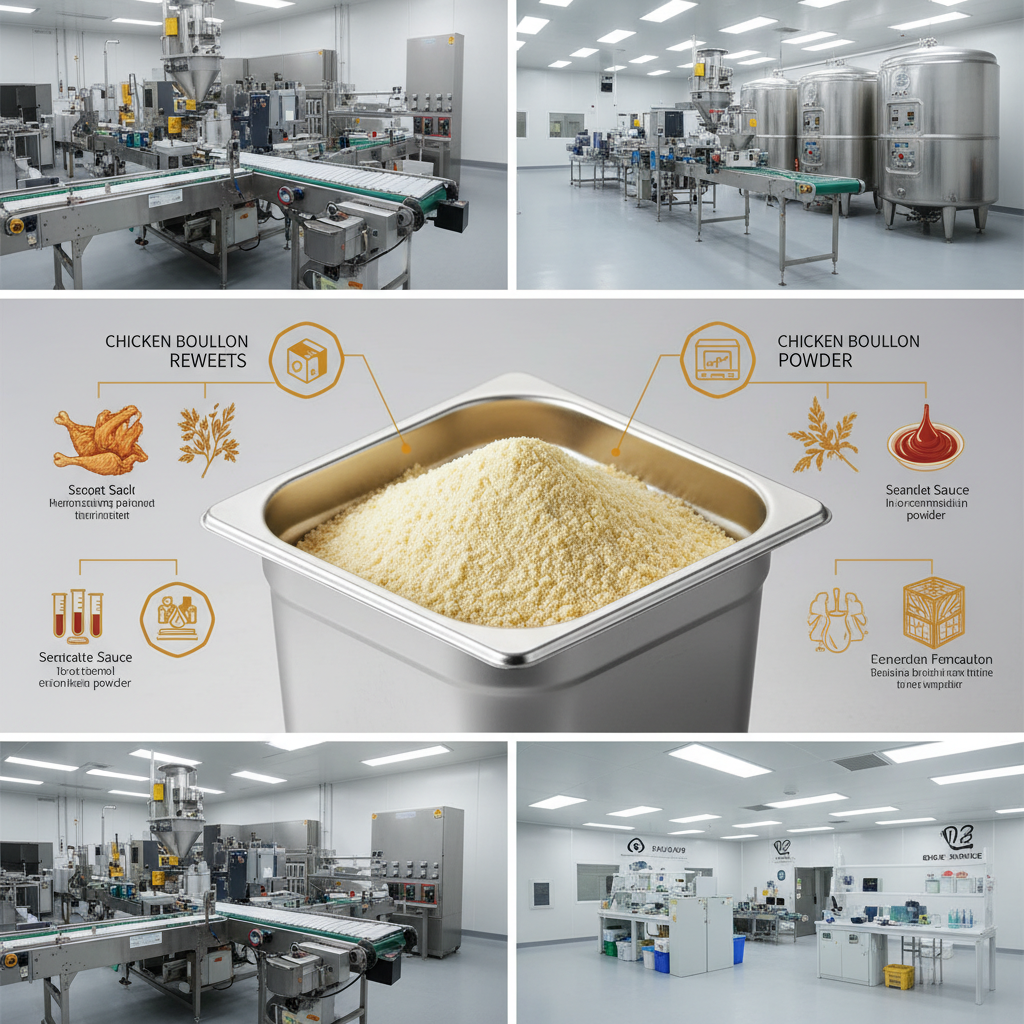
At its core, chicken bouillon powder is a dehydrated seasoning blend designed to dissolve instantly in water to create a savory broth. It typically consists of a precise mixture of salt, flavor enhancers (such as MSG or natural alternatives), sugar, chicken fat or extract, and various spices, all processed through spray-drying or granulation to ensure a free-flowing powder.
In a modern industrial context, this product represents more than just a seasoning; it is a tool for standardization. For large-scale food manufacturers, using a consistent powder ensures that a batch of soup produced in Asia tastes identical to one produced in Europe, eliminating the variability inherent in fresh ingredients.
Furthermore, from a humanitarian and logistics perspective, the dehydrated nature of chicken bouillon powder makes it an ideal component for emergency food rations. Its long shelf life and low weight-to-flavor ratio allow for efficient transport to disaster-stricken areas where providing high-calorie, palatable meals is a critical priority.
Core Components for Flavor Stability
The stability of chicken bouillon powder depends heavily on the quality of its carriers and anti-caking agents. Ensuring that the powder does not clump under humid conditions is vital for industrial dosing systems, where precision is key to product consistency.
A critical factor in high-end chicken bouillon powder is the balance of amino acids. By integrating specific peptides and nucleotides, manufacturers can simulate the "mouthfeel" of real chicken fat, providing a creamy, rich texture that lingers on the palate.
Moreover, the integration of natural antioxidants prevents the oxidation of lipids within the chicken bouillon powder. This ensures that the product maintains its fresh, aromatic profile throughout its entire shelf life, regardless of temperature fluctuations during shipping.
Economic Efficiency and Scalability
Implementing chicken bouillon powder into a production line significantly reduces operational overhead. Unlike liquid stocks, which require massive refrigerated storage and high energy costs for heating and reducing, powder can be stored at room temperature and mixed instantly.
This scalability allows SMEs (Small and Medium Enterprises) to compete with larger brands by accessing professional-grade flavoring without investing in expensive extraction machinery. The cost-per-serving of chicken bouillon powder is remarkably low, providing a high return on investment for bulk food producers.
Efficiency Comparison of Chicken Bouillon Powder Formulations
Global Applications and Use Cases
In the industrial food sector, chicken bouillon powder is widely used as a base for instant noodle seasonings and dehydrated soup mixes. Across Southeast Asia and Africa, it is a staple in household kitchens, acting as a universal flavor enhancer for stews, rice dishes, and vegetable stir-fries.
Beyond consumer goods, the pharmaceutical and nutraceutical industries occasionally utilize specific grade bouillon powders as palatable carriers for supplements. In remote industrial zones or military field kitchens, the ease of deployment of chicken bouillon powder ensures that personnel receive savory, appetitive meals regardless of the lack of fresh produce.
Long-Term Value and Sustainability
The shift toward chicken bouillon powder contributes significantly to the reduction of food waste. By extending the shelf life of chicken essence from a few days (fresh) to several years (powdered), the industry minimizes the spoilage associated with the cold chain.
From a social impact perspective, affordable seasoning empowers low-income populations to improve the taste and nutritional appeal of basic staples like grains and legumes. This promotes food dignity and ensures that high-quality flavor is not a luxury reserved for the wealthy.
Furthermore, the development of plant-based "chicken" bouillon powders reflects the industry's commitment to sustainability. By replicating the profile of chicken bouillon powder using fermented fungi or soy proteins, manufacturers can reduce the environmental footprint associated with livestock farming.
Future Innovations in Seasoning Technology
The future of chicken bouillon powder lies in "clean label" innovation. Consumers are increasingly avoiding artificial additives, leading researchers to explore enzymatic hydrolysis and natural fermentation to create umami-rich powders without the use of synthetic MSG.
Digital transformation is also playing a role. AI-driven flavor profiling allows manufacturers to tweak the composition of their chicken bouillon powder to match regional taste preferences with pinpoint accuracy, whether it is the saltier preference of Western markets or the more aromatic profile favored in Asia.
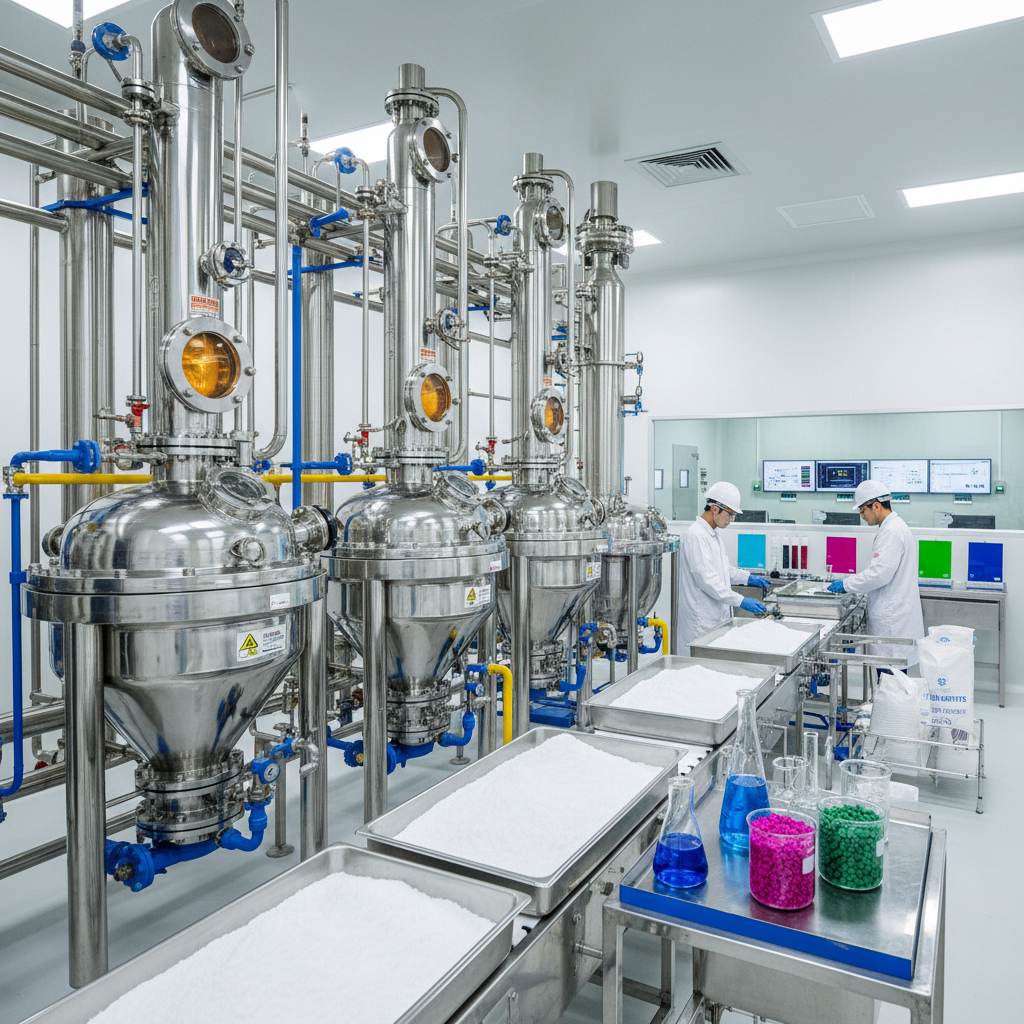
Automation in spray-drying and granulation is further enhancing the purity and solubility of the product. These advancements ensure that the next generation of bouillon will dissolve even in cold water, expanding its use into cold-mix sauces and dressings.
Comparative Analysis of Chicken Bouillon Powder Production Methods
| Production Method |
Flavor Intensity |
Solubility Rate |
Cost Efficiency |
| Spray Drying |
Moderate |
Very High |
High |
| Freeze Drying |
Excellent |
High |
Low |
| Drum Drying |
Moderate |
Moderate |
Medium |
| Granulation |
High |
Moderate |
High |
| Vacuum Drying |
High |
Moderate |
Medium |
| Cold Press Mixing |
Low |
Low |
Very High |
FAQS
Industrial chicken bouillon powder is engineered for stability and consistency. While homemade stock relies on fresh simmered bones and vegetables, the powder uses concentrated extracts, flavor enhancers, and anti-caking agents to ensure a long shelf life and a standardized taste profile that does not vary between batches.
Standard chicken bouillon contains animal derivatives. However, many manufacturers now produce "chicken-style" bouillon using yeast extracts, mushroom powder, and hydrolyzed vegetable proteins. These vegan alternatives replicate the umami profile of traditional chicken bouillon powder without using any animal products.
To prevent clumping, ensure the chicken bouillon powder contains high-quality food-grade anti-caking agents like silicon dioxide. Additionally, utilizing moisture-barrier packaging (such as aluminum foil laminates) and maintaining a temperature-controlled environment are essential for preserving the free-flowing nature of the powder.
Yes, it is highly recommended. Its ability to dissolve quickly and its concentrated nature make it far more cost-effective than liquid bases. It allows catering managers to control costs precisely per portion while ensuring that the flavor remains consistent across thousands of meals.
When stored in airtight packaging and kept away from direct sunlight and moisture, professional-grade chicken bouillon powder typically has a shelf life of 12 to 24 months. The use of stabilizers and vacuum sealing can further extend this period.
Manufacturers can reduce sodium by substituting a portion of the salt with potassium chloride or by increasing the concentration of natural umami sources like yeast extract and mushroom powder. These ingredients provide the perceived "saltiness" and depth of flavor while lowering the actual sodium milligram count.
Conclusion
In summary, chicken bouillon powder is a cornerstone of the modern food additive industry, bridging the gap between traditional culinary richness and the demands of industrial efficiency. By optimizing flavor stability, reducing logistics costs, and embracing clean-label innovations, it provides immense value to food manufacturers and consumers worldwide.
Looking forward, the evolution of seasoning technology will continue to prioritize health and sustainability. As we move toward more plant-based and low-sodium alternatives, the role of high-quality chicken bouillon powder will remain vital in ensuring that the world's food supply is not only accessible and affordable but also delicious. Visit our website for professional solutions: www.chinaseasoning.com