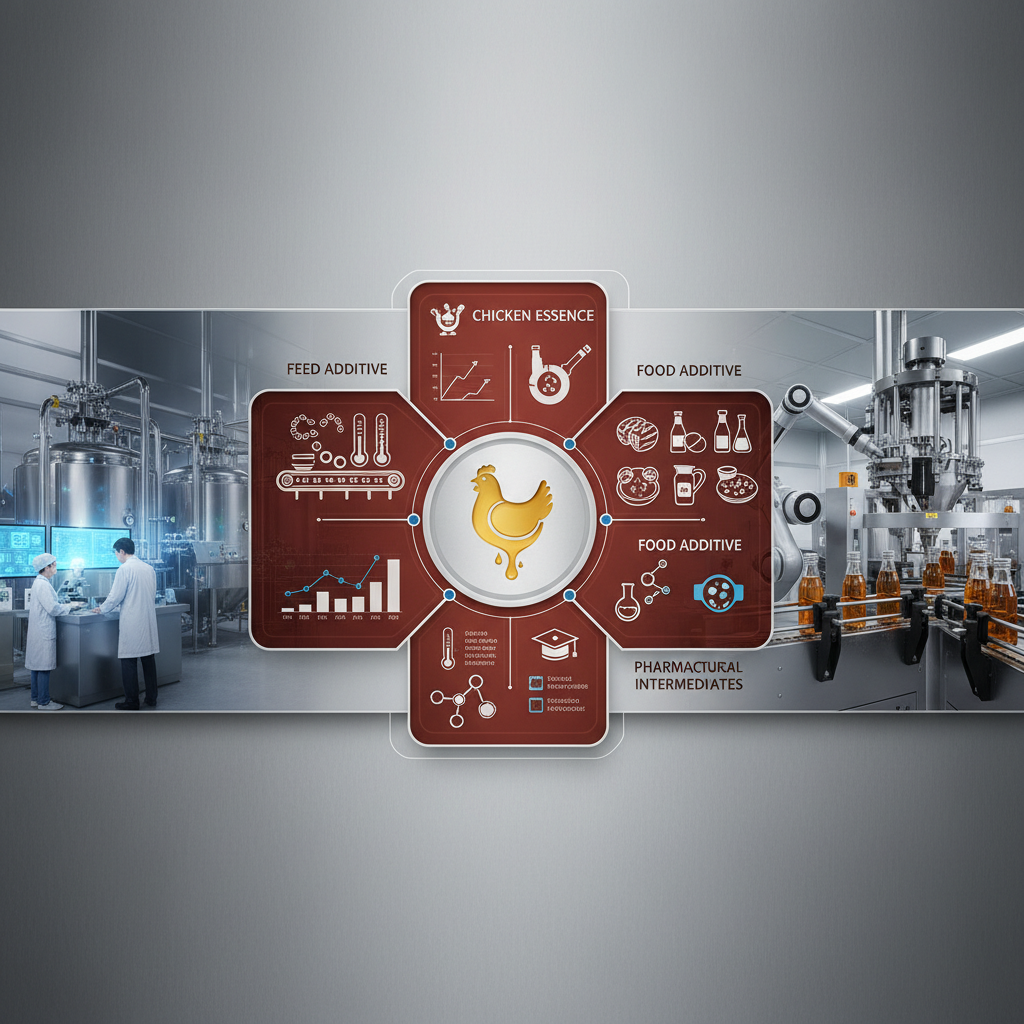
In the competitive landscape of the global food industry, chicken essence has emerged as a cornerstone ingredient for manufacturers seeking to balance authentic savory profiles with industrial efficiency. As consumer demand shifts toward "clean label" products and deeper umami experiences, the role of high-quality flavor enhancers has become pivotal in maintaining brand loyalty and taste consistency across diverse markets.
Understanding the technical composition and application of this ingredient is no longer just for chefs, but a necessity for food scientists and procurement specialists. By leveraging advanced hydrolysis and extraction techniques, modern chicken essence provides a concentrated source of nucleotides and amino acids that mimic the slow-simmered taste of traditional stocks, significantly reducing production time and energy costs.
Globally, the integration of specialized food additives into processed meats, instant noodles, and ready-to-eat meals has seen a marked increase. This growth is driven by the need for scalable taste solutions that meet international safety standards while catering to the nuanced palate of a globalized consumer base, making the study of this essence vital for sustainable industrial growth.
Global Market Relevance of Chicken Essence
The global appetite for savory convenience foods has propelled chicken essence into a high-demand commodity. According to market analysis trends aligned with ISO food safety standards, the demand for standardized flavor bases has grown by nearly 5% annually in the Asia-Pacific and North American regions. This trend is largely driven by the rise of urbanized populations who require quick, nutrient-dense, and flavor-rich meal options.
However, the industry faces a significant challenge: the volatility of raw material costs and the strict regulatory environment surrounding additive purity. Manufacturers struggle to maintain a consistent "homemade" taste while scaling to millions of units, leading to a critical need for highly refined essence powders that offer stability across varying temperature and pH levels.
Defining Technical Grade Chicken Essence
In professional manufacturing terms, chicken essence is a concentrated extract derived from chicken proteins, processed through enzymatic hydrolysis to release free amino acids and peptides. Unlike simple seasonings, a technical grade essence is designed for high solubility and precise dosing, ensuring that every batch of a commercial product tastes identical regardless of the production facility.
This material bridges the gap between raw agricultural output and refined food chemistry. By isolating the essential volatile compounds and non-volatile taste precursors, manufacturers can create a product that provides the "mouthfeel" and depth of real chicken stock without the logistical nightmare of transporting and storing massive quantities of liquid broth.
Furthermore, its connection to modern industry extends to the pharmaceutical and nutraceutical sectors, where hydrolyzed chicken proteins are explored for their bioactive properties. This versatility makes the essence not just a flavor tool, but a functional ingredient that supports the global push for efficient, resource-saving food production.
Core Components and Stability Factors
The efficacy of chicken essence depends primarily on its amino acid profile, specifically the concentration of glutamic acid. This component interacts with other nucleotides to create the synergistic umami effect, which is the primary driver of consumer satisfaction in savory products.
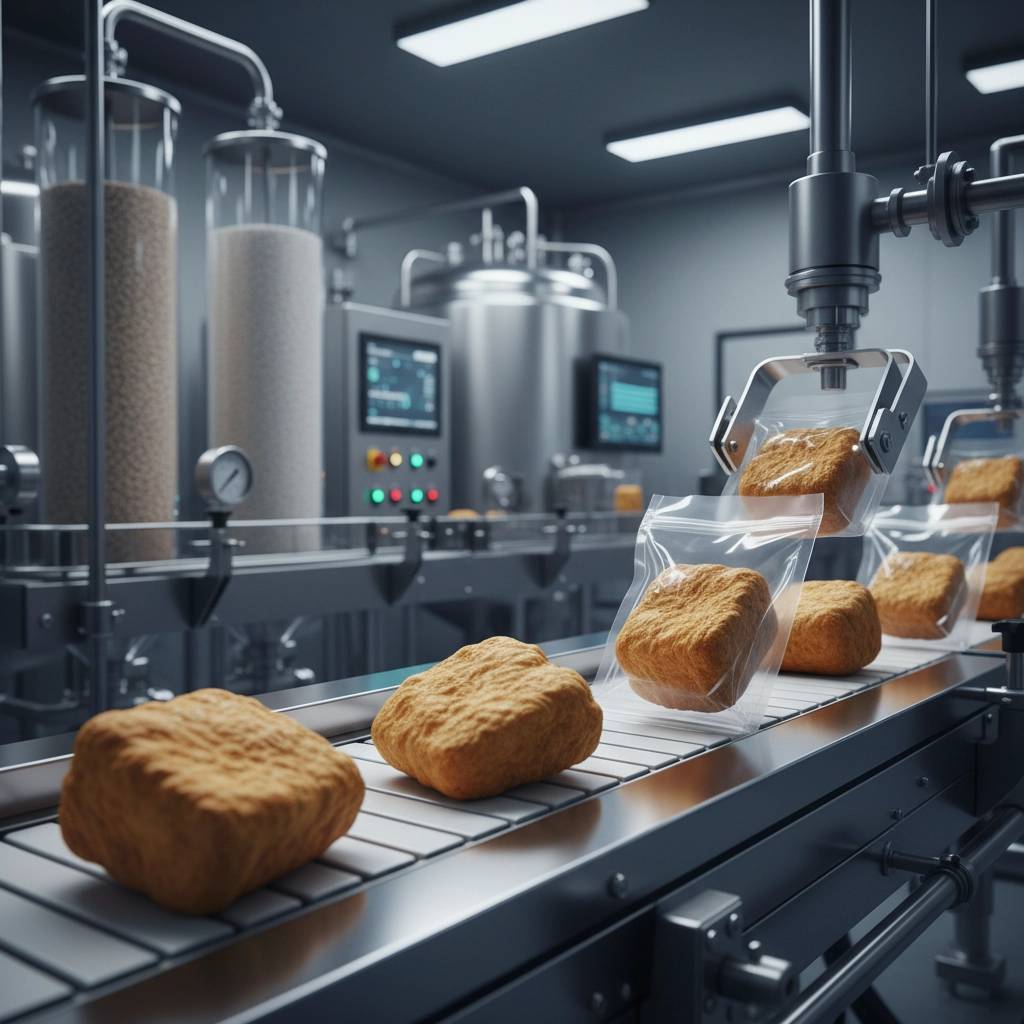
Scalability is another critical factor. High-grade essences are formulated to be heat-stable, meaning they do not lose their aromatic profile during high-temperature processing such as spray-drying or retort sterilization. This thermal stability ensures that the final product retains its sensory integrity from the factory to the consumer's table.
Finally, the purity and solubility of the powder are paramount. A low-impurity chicken essence prevents sedimentation in liquid applications and avoids "clumping" in dry mixes, which is essential for automated dosing systems in large-scale food manufacturing plants.
Efficiency Metrics in Industrial Application
When integrating chicken essence into a production line, the primary metric for success is the "Flavor Intensity Ratio." This measures how little of the additive is required to achieve a target taste profile, directly impacting the cost-per-unit of the final food product.
By optimizing the concentration of peptides, manufacturers can reduce the overall volume of seasonings used, which not only lowers logistics costs but also reduces the sodium content of the product, appealing to health-conscious consumers without sacrificing the rich, savory experience.
Comparative Performance of Essence Extraction Methods
Global Use Cases and Sector Integration
In the realm of instant food manufacturing, chicken essence is the primary driver for the global ramen and soup market. In Southeast Asia, for instance, it is used to create regional variations of poultry-based broths that can be rehydrated in seconds, providing a consistent taste that satisfies millions of consumers daily.
Beyond consumer goods, the essence is utilized in institutional catering and remote industrial zones, such as offshore oil rigs or military bases. In these high-pressure environments, the ability to produce high-quality, comforting meals from a concentrated powder ensures nutritional adequacy and psychological well-being for personnel far from home.
Long-Term Economic and Sensory Value
The adoption of a standardized chicken essence offers tangible economic benefits by eliminating the variance associated with raw poultry. By switching from fresh stock to a refined additive, companies can reduce waste by up to 30% and significantly lower their water footprint, contributing to overall corporate sustainability goals.
From a sensory perspective, the value lies in the "trust factor." When a consumer buys a product, they expect the same flavor profile every time. The precision of a chemically stabilized essence ensures that the product does not deviate in taste due to seasonal changes in raw chicken quality, thereby building long-term brand equity and trust.
Moreover, the innovation in essence formulation allows for the creation of "hybrid" profiles—blending chicken essence with vegetable or mushroom extracts to create a complex, multi-layered taste that feels natural and organic, catering to the evolving trends of the modern "foodie" demographic.
Future Innovations in Flavor Extraction
The future of chicken essence lies in the intersection of biotechnology and digital precision. We are seeing a shift toward "precision fermentation," where specific flavor-active peptides are produced by microbes, reducing the reliance on animal slaughter and moving the industry toward a more ethical and sustainable production model.
Digital transformation is also playing a role, with AI-driven sensory analysis allowing manufacturers to tweak the molecular composition of the essence in real-time. This allows for the creation of region-specific essence variants that can be adjusted based on big data trends regarding local taste preferences in different global markets.
Additionally, the move toward green energy in the spray-drying process is reducing the carbon footprint of additive manufacturing. The integration of solar-thermal energy in extraction plants is making the production of these essences more eco-friendly, aligning with the global mandate for carbon neutrality.
Comparison of Traditional vs. Innovative Essence Production
| Production Method |
Extraction Efficiency |
Environmental Impact |
Taste Consistency |
| Traditional Boiling |
Low (40%) |
High Water Waste |
Variable |
| Enzymatic Hydrolysis |
High (85%) |
Moderate |
High |
| Vacuum Concentration |
Medium (60%) |
Moderate |
Stable |
| Precision Fermentation |
Very High (95%) |
Low / Eco-friendly |
Absolute |
| Spray Drying Hybrid |
High (80%) |
Low (Solar integrated) |
Very High |
| Cold-Extraction |
Medium (50%) |
Low |
Natural/Variable |
FAQS
While bouillon powder is a mixture of salt, MSG, and flavorings, chicken essence is a concentrated extract focusing on the hydrolyzed protein components of chicken. It provides a deeper, more natural umami profile and is often used as a base ingredient in bouillon rather than being a final seasoning product itself.
Yes, professional-grade chicken essence is specifically engineered for thermal stability. It can withstand typical retort, autoclaving, and spray-drying processes without the degradation of its core aromatic compounds, ensuring flavor consistency in canned or packaged foods.
Absolutely. By utilizing enzymatic hydrolysis instead of chemical additives, manufacturers can list the ingredient as "chicken extract" or "hydrolyzed chicken protein," which meets the consumer demand for transparent and natural ingredient lists while still delivering the desired flavor intensity.
To maintain the potency of chicken essence, it should be stored in airtight, moisture-proof packaging in a cool, dry environment. Because it is highly hygroscopic, preventing humidity is key to avoiding clumping and oxidative degradation of the amino acids.
Dosage varies by concentration, but typically, highly refined essence is used at a rate of 0.1% to 0.5% of the total formula weight. Due to its high intensity, a small amount can significantly replace larger quantities of traditional stocks.
Importing chicken essence for humanitarian aid usually requires compliance with Codex Alimentarius and local food safety certificates. We recommend partnering with suppliers who provide full COA (Certificate of Analysis) and MSDS documentation to streamline customs clearance.
Conclusion
In summary, chicken essence represents the perfect synergy between culinary tradition and industrial science. By focusing on high purity, thermal stability, and enzymatic precision, it enables food manufacturers to deliver consistent, high-quality savory experiences while optimizing production costs and reducing environmental impact. From the core amino acid profiles to its global application in diverse sectors, the essence is an indispensable tool for modern food engineering.
Looking forward, the transition toward precision fermentation and green extraction will further elevate the sustainability of this ingredient. We encourage food scientists and procurement officers to embrace these innovations to stay competitive in an increasingly health-conscious and eco-aware global market. To explore high-grade solutions for your production line, visit our website: www.chinaseasoning.com