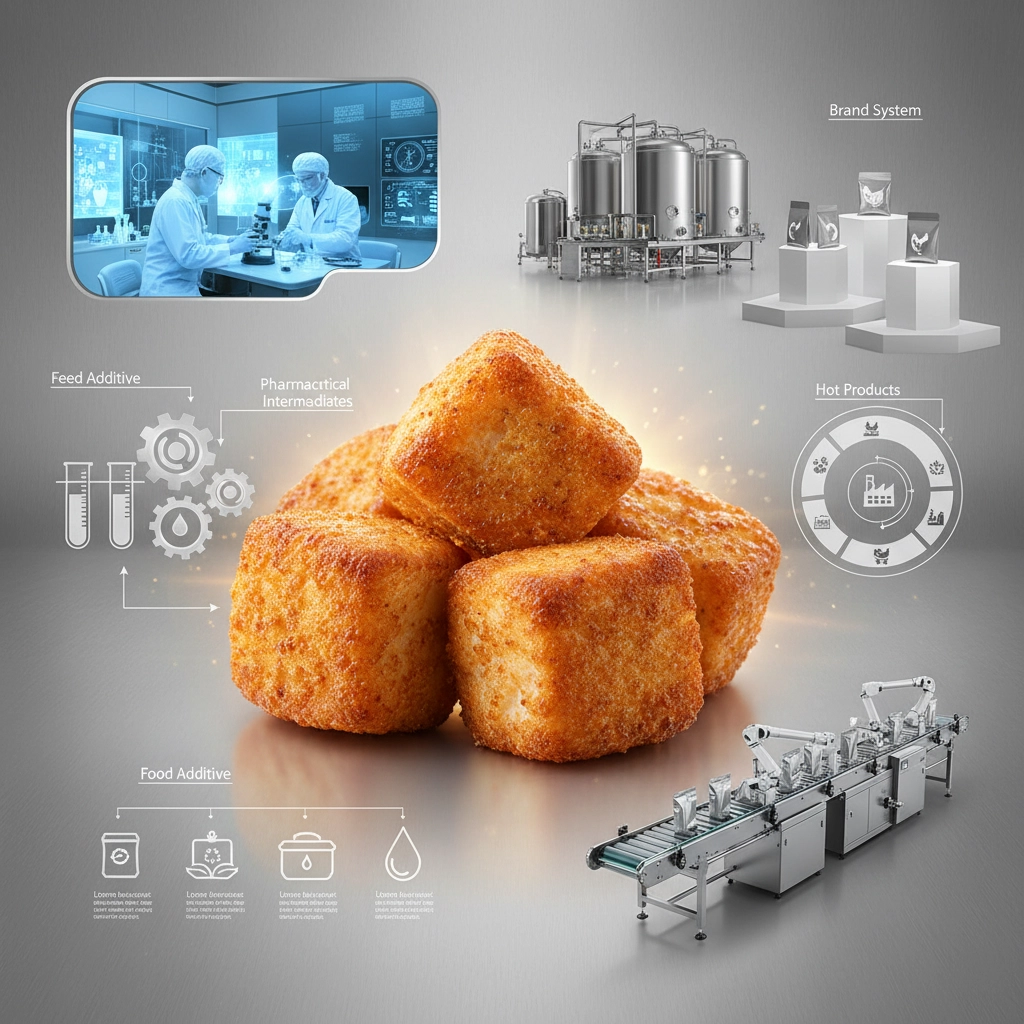
In the competitive landscape of the global food additive industry, jumbo chicken cubes have emerged as a pivotal solution for professional chefs and home cooks alike. These concentrated flavor enhancers provide a consistent, savory profile that simplifies the culinary process while ensuring a high-standard taste experience across different cultural cuisines. By condensing essential chicken extracts and seasonings into a convenient format, they bridge the gap between traditional slow-simmered stocks and the fast-paced demands of modern food production.
The global demand for efficient seasoning solutions is driven by a rise in processed food consumption and the need for standardized flavor profiles in large-scale catering. According to food industry trends, the shift toward "convenience gourmet" has pushed manufacturers to refine the composition of jumbo chicken cubes, ensuring they meet stringent ISO quality standards while remaining cost-effective. This evolution addresses the persistent challenge of flavor volatility, where natural broths often vary in intensity depending on the source ingredients.
Understanding the technical and commercial value of these cubes is essential for distributors and food manufacturers. Beyond mere convenience, the integration of advanced granulation and dehydration techniques allows these products to maintain a long shelf life without compromising the authentic "umami" experience. As we explore the nuances of this food additive, it becomes clear that these cubes are not just ingredients but strategic tools for operational efficiency in the food service sector.
The Industrial Composition of Jumbo Chicken Cubes
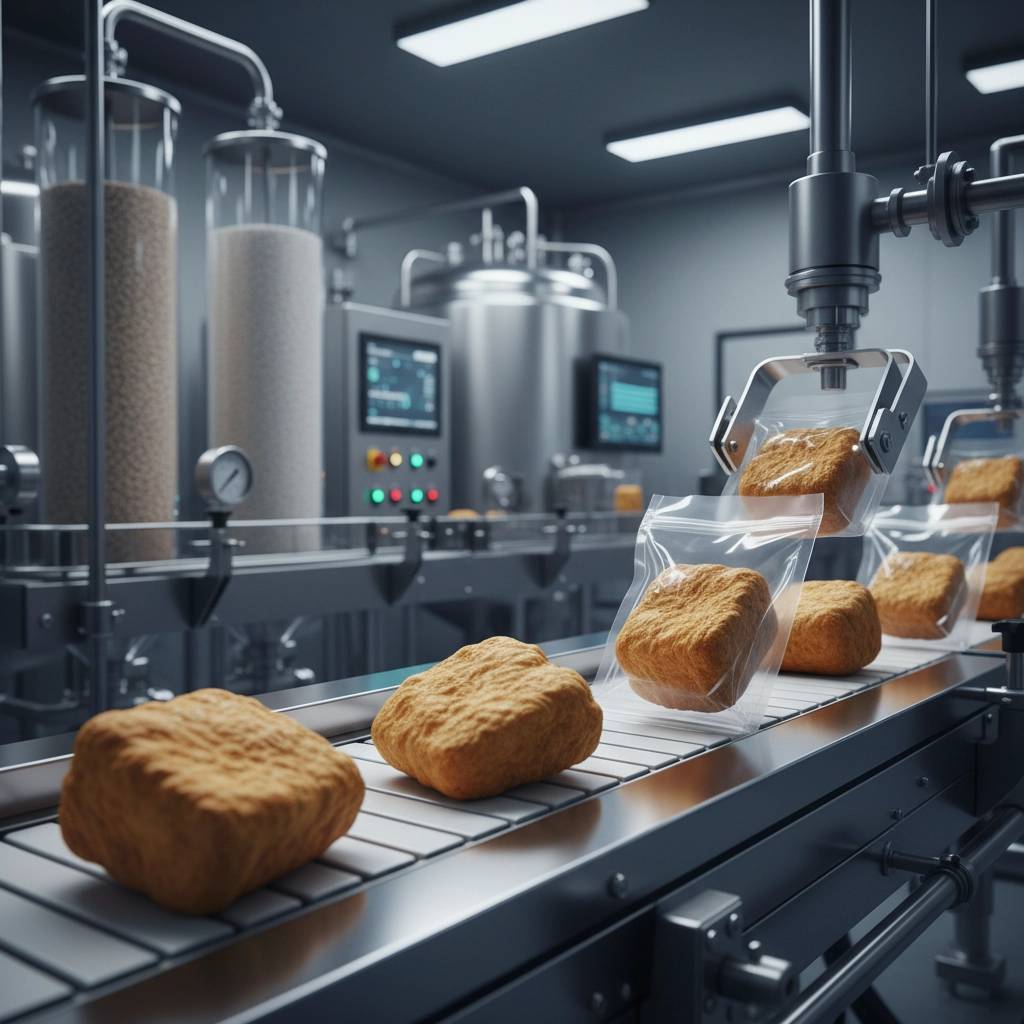
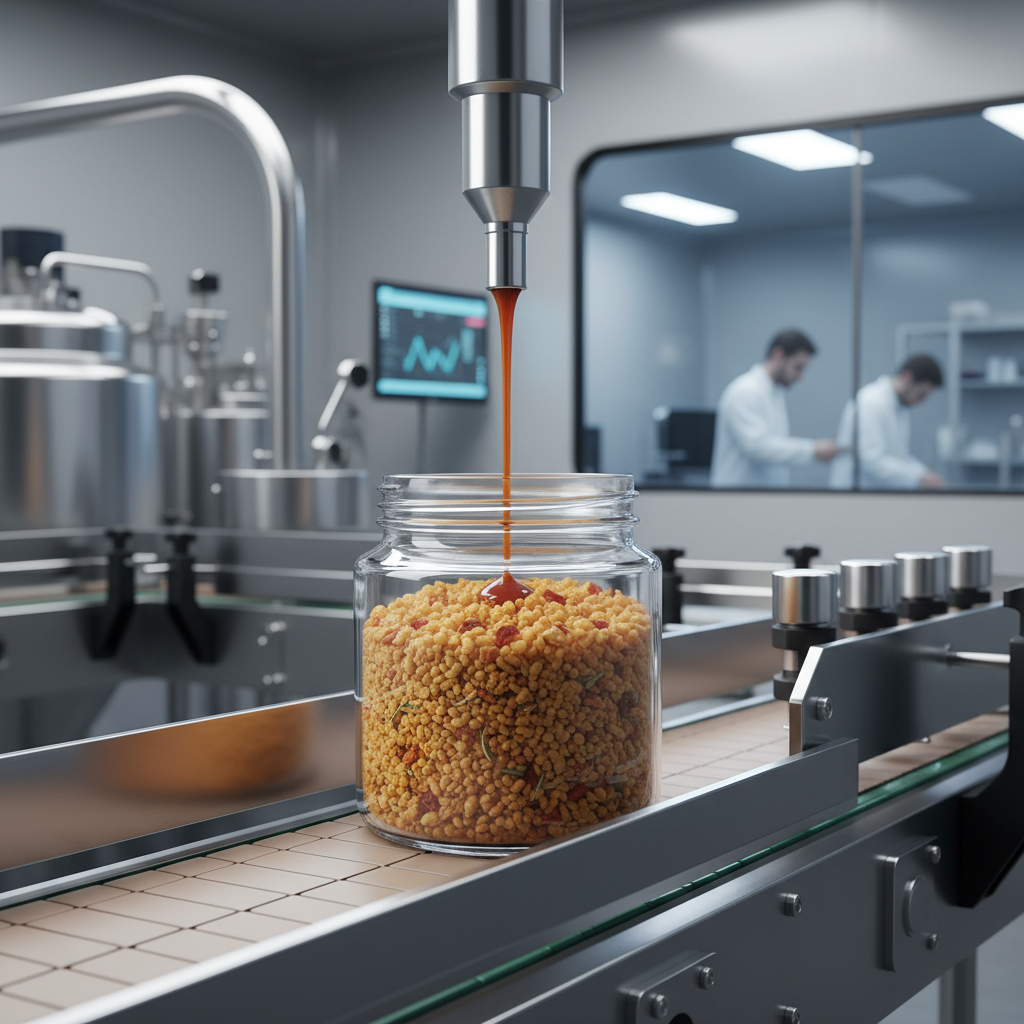
At its core, the production of jumbo chicken cubes involves a complex synergy of food science and precision engineering. The process begins with the extraction of concentrated chicken proteins and fats, which are then blended with a curated mix of salt, hydrolyzed vegetable proteins, and aromatic spices. This mixture is subjected to a high-pressure compression process, creating a dense, stable cube that resists moisture absorption during storage while dissolving rapidly upon contact with hot water.
The "jumbo" aspect of these cubes is not merely about size but about concentration and yield. By increasing the volume of active seasoning agents per unit, manufacturers can provide a higher "dose" of flavor that is ideal for industrial-sized pots. This ensures that the savory profile remains robust even when diluted in large quantities of liquid, making them an indispensable asset for high-volume food production environments where precision is paramount.
Global Market Relevance and Consumption Trends
The global appetite for jumbo chicken cubes is deeply tied to the acceleration of urbanization and the resulting demand for rapid-preparation meals. In regions like Southeast Asia and Africa, these cubes have become a primary source of seasoning, replacing expensive fresh meats in lower-income households while providing a standardized taste that is highly prized. The scalability of the product allows it to be distributed across vast distances without the need for expensive cold-chain logistics.
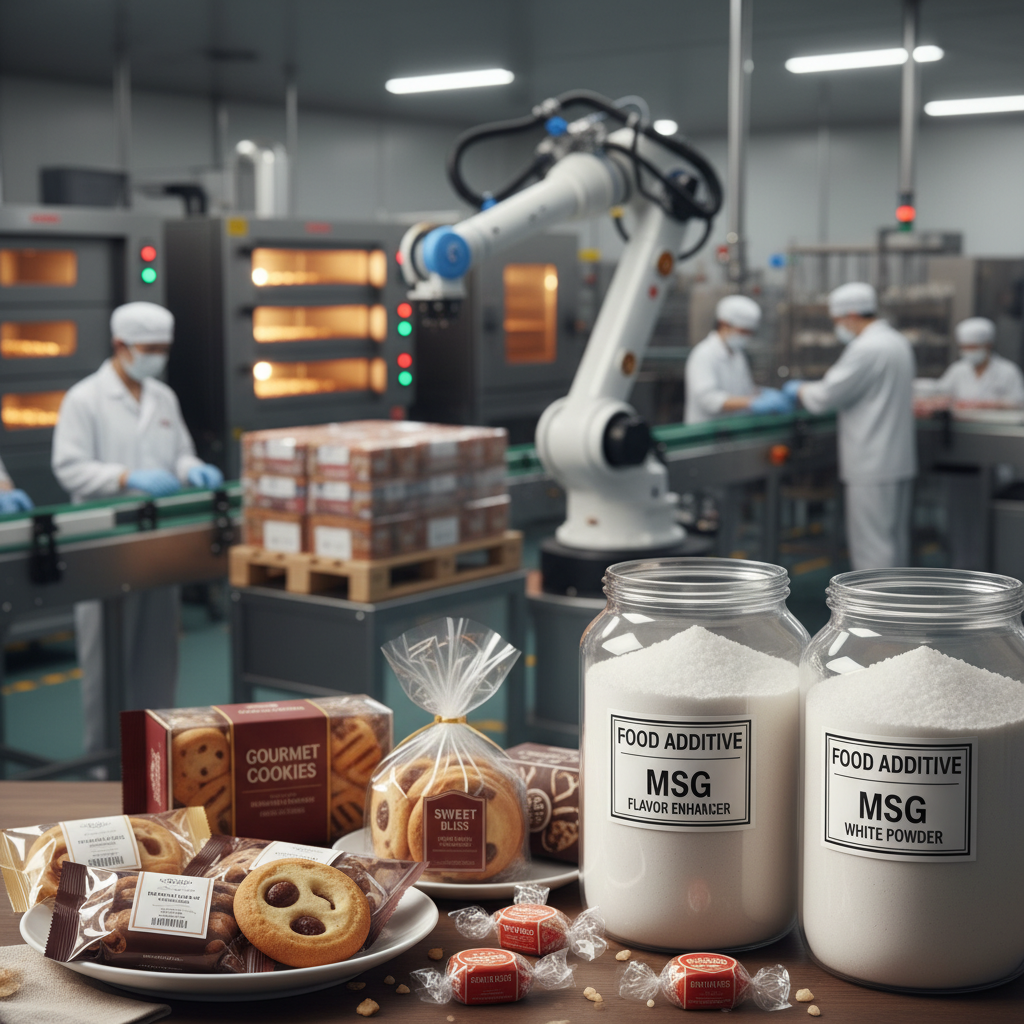
Data suggests that the food additive market is pivoting toward "clean label" trends, forcing the evolution of these cubes. Consumers are increasingly seeking products with reduced MSG and lower sodium levels, leading manufacturers to experiment with yeast extracts and natural fermentation to maintain the desired savory depth. This shift represents a broader movement within the pharmaceutical and food additive sectors to align commercial efficiency with health-conscious consumerism.
Furthermore, the rise of the "ghost kitchen" and delivery-only restaurant model has amplified the need for consistent flavor delivery. When a brand operates across multiple locations, the use of standardized jumbo chicken cubes ensures that a soup or stew tastes exactly the same in one city as it does in another, eliminating the variability inherent in fresh ingredient sourcing.
Key Quality Factors for Flavor Consistency
The first critical factor in the quality of jumbo chicken cubes is the solubility rate. A high-quality cube must dissolve completely without leaving clumps or gritty residues, ensuring a smooth mouthfeel in the final dish. This is achieved through a precise balance of binders and anti-caking agents that maintain the cube's structure in the package but break down instantly in boiling liquid.
Another essential pillar is the "Umami Balance," where the interaction between glutamates and nucleotides creates a deep, lingering savory taste. For jumbo chicken cubes, achieving this balance requires a rigorous selection of chicken extracts that are standardized for protein content. This prevents the "chemical" aftertaste often associated with lower-grade additives and ensures a natural-tasting broth.
Finally, stability and shelf-life are paramount. Because these products are often shipped to tropical or humid climates, the moisture barrier of the packaging and the internal water activity (aw) of the jumbo chicken cubes must be meticulously controlled. This prevents oxidation of the fats and ensures that the aroma remains potent from the factory to the kitchen.
Performance Analysis of Different Cube Formulations
Not all seasoning cubes are created equal, and the performance of jumbo chicken cubes varies significantly based on the formulation method used. For instance, spray-dried extracts provide faster solubility but may lack the depth of flavor found in vacuum-evaporated concentrates. Manufacturers must choose the right balance based on whether the end-user is a home cook or an industrial kitchen.
When evaluating the efficiency of these products, metrics such as flavor intensity per gram and cost-per-serving are critical. Advanced formulations often incorporate a blend of chicken fat and lean extract to mimic the richness of a traditional bone-in broth, providing a higher sensory score while maintaining the logistical benefits of a dehydrated cube.
Comparative Performance of Jumbo Chicken Cubes Formulations
Diverse Applications in Commercial Catering
In the realm of commercial catering, jumbo chicken cubes serve as more than just a base for soup. They are frequently used as a dry rub for meats, a seasoning for rice and grains, or a flavor booster in complex sauces. By integrating these cubes into the early stages of cooking, chefs can build layers of flavor that are consistent across thousands of servings, reducing the risk of human error in the kitchen.
Beyond traditional restaurants, these cubes are vital in institutional settings such as hospitals, schools, and remote industrial camps. In these environments, where fresh poultry might be limited or expensive to transport, jumbo chicken cubes provide a reliable way to ensure meals are palatable and nutritionally satisfying, offering a sense of comfort and familiarity to people in challenging living conditions.
Long-Term Economic Value for Food Manufacturers
From a business perspective, the adoption of jumbo chicken cubes offers significant reductions in overhead costs. The primary saving comes from the elimination of waste; unlike fresh chicken stocks which have a very short expiration date, these cubes can be stored for years. This allows manufacturers to buy in bulk and manage inventory with far greater precision, reducing the financial loss associated with spoiled raw materials.
Moreover, the labor savings are substantial. The time required to simmer bones and vegetables for 12 to 24 hours to create a traditional stock is replaced by a few seconds of dissolution. This allows culinary staff to focus on plating and presentation rather than basic prep work, effectively increasing the throughput of a commercial kitchen without increasing the headcount.
When considering the total cost of ownership, the logistics of jumbo chicken cubes are highly advantageous. Their high nutrient and flavor density means that smaller volumes can be shipped to achieve the same culinary result, lowering freight costs and reducing the carbon footprint associated with food transportation.
Future Innovations in Sustainable Seasoning
The future of jumbo chicken cubes is being shaped by the intersection of biotechnology and sustainability. We are seeing a move toward the inclusion of plant-based "chicken" flavorings derived from fermented fungi or precision-fermented proteins. These innovations aim to provide the same savory profile of traditional poultry while reducing the environmental impact associated with livestock farming.
Automation in the manufacturing process is also evolving. Smart factories are now utilizing AI-driven blending systems that can adjust the seasoning ratio in real-time based on the quality of the raw chicken extract coming into the plant. This ensures that every batch of jumbo chicken cubes is identical, regardless of seasonal variations in raw materials.
Sustainability also extends to packaging. The industry is shifting away from single-use plastics toward biodegradable films and compostable wrappers. This transition not only meets new global environmental regulations but also appeals to the growing demographic of eco-conscious consumers who demand that their food additives be as green as they are tasty.
Comparative Analysis of Jumbo Chicken Cubes Production Standards
| Production Standard |
Flavor Intensity (1-10) |
Dissolution Speed |
Shelf-Life Stability |
| ISO Certified Grade A |
9.8 |
Ultra-Fast |
24+ Months |
| Standard Commercial |
7.5 |
Fast |
18 Months |
| Budget-Line Mix |
5.2 |
Moderate |
12 Months |
| Low-Sodium Variant |
6.8 |
Fast |
18 Months |
| Plant-Based Hybrid |
8.1 |
Ultra-Fast |
24 Months |
| Organic Certified |
7.9 |
Moderate |
12 Months |
FAQS
Jumbo chicken cubes are specifically engineered for larger volume cooking. They contain a higher concentration of active flavor agents and a larger total mass per unit, allowing them to season industrial-sized pots of soup or stew more efficiently. While a standard cube might be suitable for a family meal, the jumbo version is designed for the scale of professional catering and food manufacturing, ensuring that the flavor does not get "lost" in large quantities of water.
Yes, provided they are stored in their original airtight packaging. High-quality jumbo chicken cubes are produced with a very low water activity level and often include food-grade anti-caking agents that prevent the cubes from absorbing moisture from the air. This makes them ideal for export to regions with high humidity where fresh ingredients would spoil quickly, maintaining their potency and structure for up to two years.
Absolutely. In many commercial settings, they are used as the primary base due to their consistency. While fresh stock offers a specific artisanal quality, jumbo chicken cubes provide a standardized profile that eliminates the variability of raw ingredients. For most applications—such as sauces, risottos, and stews—the difference is negligible, while the operational savings in time and labor are significant.
Traditional formulations often use MSG to enhance the savory profile. However, many modern manufacturers are now producing "Clean Label" versions that replace MSG with yeast extract, mushroom powder, or natural hydrolyzed vegetable proteins. These alternatives provide a similar umami experience while meeting the dietary preferences of health-conscious consumers and strict food safety regulations.
For maximum efficiency, it is recommended to dissolve the jumbo chicken cubes in a small amount of boiling water first to create a concentrated paste, which can then be stirred into the larger pot. Alternatively, adding them directly to a simmering liquid with constant stirring will ensure a complete dissolution. High-grade cubes are formulated for rapid solubility, so clumping is rare if the temperature is sufficiently high.
Importing requires compliance with the destination country's food additive regulations (such as FDA in the USA or EFSA in Europe). Distributors should ensure that the manufacturer provides full COA (Certificate of Analysis) and MSDS documentation. Because they are shelf-stable and compact, they are typically shipped in bulk containers with moisture-proof lining to maintain quality during transit.
Conclusion
In summary, jumbo chicken cubes represent a sophisticated intersection of culinary art and industrial efficiency. By providing a concentrated, stable, and consistent source of savory flavor, they solve the critical challenges of waste, labor costs, and flavor variability in the food service industry. From their precise chemical composition to their diverse applications in global catering, these additive solutions empower food manufacturers to scale their operations without sacrificing the quality of the end-user experience.
Looking forward, the continued evolution of these products toward sustainable, clean-label, and plant-based alternatives will only increase their relevance in a health-conscious world. For businesses looking to optimize their kitchen workflows and ensure a gold-standard taste profile, investing in high-quality seasoning solutions is no longer optional—it is a strategic necessity. Explore our full range of professional food additives and enhance your culinary output by visiting our website: www.chinaseasoning.com.