Understanding how much bouillon is in a cube is more than just a kitchen curiosity; it is a fundamental aspect of food science and industrial seasoning manufacturing. For home cooks and professional chefs alike, the concentration of flavors, salts, and additives within a single compressed cube determines the consistency of a dish and the overall nutritional profile of the meal.
From a global supply chain perspective, the efficiency of bouillon cubes allows for the distribution of essential flavor profiles and nutrients to regions where fresh ingredients are scarce. By condensing a large volume of stock into a small, shelf-stable format, manufacturers can ensure that high-quality taste is accessible across different socioeconomic landscapes, making the question of how much bouillon is in a cube a matter of food security and logistical optimization.
In the realm of food additives, the precision of the cube's composition—balancing salt, MSG, dehydrated fats, and flavor extracts—is what defines the brand's success. Whether used in industrial food production or household kitchens, knowing exactly how much bouillon is in a cube helps in managing sodium intake and achieving the perfect flavor equilibrium in large-scale culinary applications.
The Composition and Concentration of Bouillon Cubes
When analyzing how much bouillon is in a cube, we must look at the ratio of dehydrated solids to the final liquid volume they are designed to create. Typically, a single cube contains a highly concentrated blend of salt, flavor enhancers like MSG, and dehydrated meat or vegetable extracts. This compression allows a small amount of powder (usually between 10 to 12 grams) to flavor a significant volume of water, often up to 500ml.
The concentration is achieved through advanced dehydration techniques and the use of binders that maintain the cube's structural integrity. This ensuring that when the consumer asks how much bouillon is in a cube, they are receiving a standardized dose of seasoning that provides a consistent taste profile every time, regardless of where in the world the product is used.
Global Standards for Bouillon Cube Density
Globally, the industry adheres to strict standards to ensure that the answer to how much bouillon is in a cube remains consistent across batches. According to food safety and quality guidelines similar to ISO standards, the density of the cube must be optimized to prevent crumbling during transport while ensuring rapid dissolution in boiling water.
In regions like Southeast Asia and Africa, bouillon cubes are a primary source of seasoning. Consequently, manufacturers focus on "flavor density," ensuring that the ratio of salt to savory extracts is optimized for local palates. This means the actual mass of the bouillon solids can vary slightly depending on the target market's preference for saltiness versus umami depth.
The challenge for the industry lies in balancing the concentration of active ingredients with fillers. If too many fillers are used, the answer to how much bouillon is in a cube becomes disappointing for the consumer; if too few are used, the cube may not hold its shape, leading to product wastage and decreased shelf life.
Industrial Factors Affecting Bouillon Volume
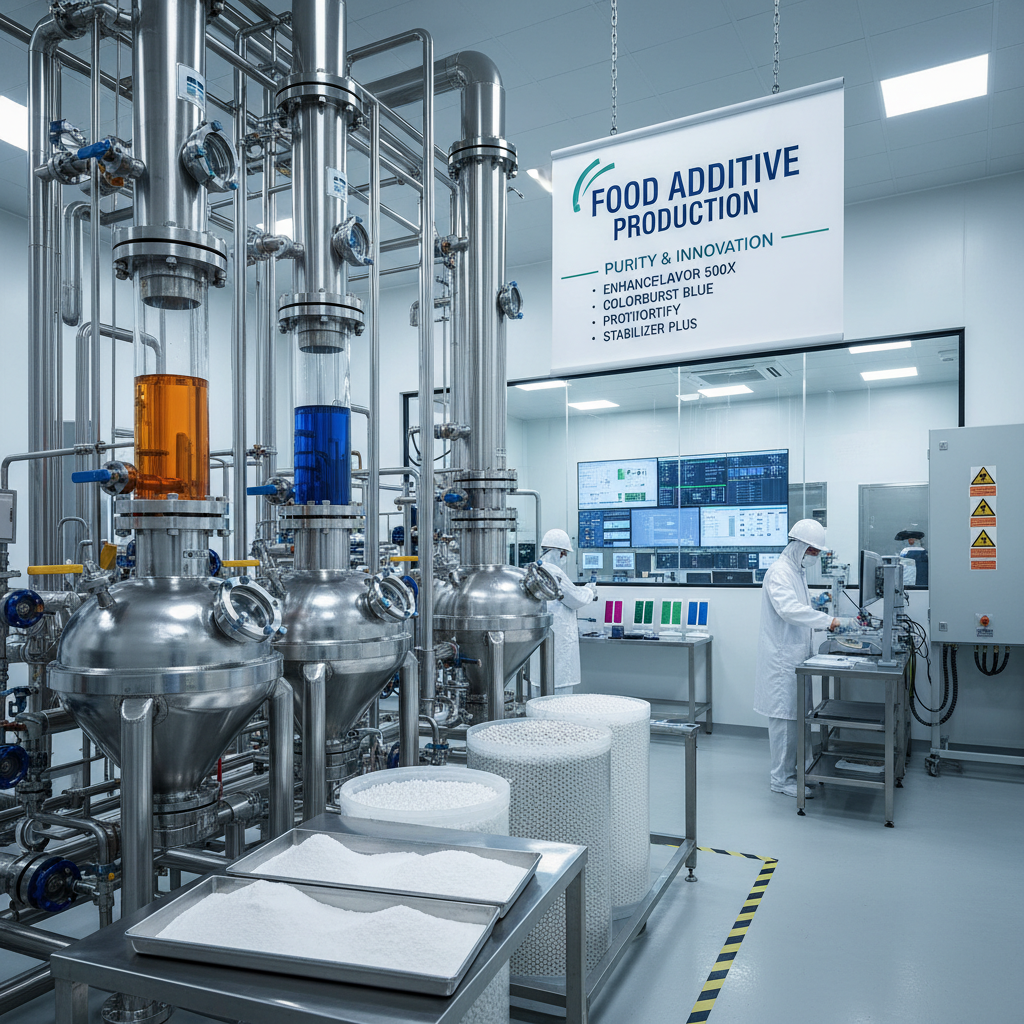
Several technical factors determine how much bouillon is in a cube, starting with the dehydration method. Spray drying and freeze drying are the two primary methods used to turn liquid stock into powder. Freeze drying preserves more of the original flavor molecules, allowing for a more potent cube.
The role of food additives is crucial here. Emulsifiers and anti-caking agents are added to ensure that the bouillon remains a free-flowing powder before it is pressed into a cube. This prevents clumping and ensures that the distribution of flavor—essentially how much bouillon is in a cube—is uniform across every single unit produced in a factory.
Pressure and compression forces in the manufacturing plant also play a role. If the compression is too high, the cube becomes a rock that won't dissolve; if it is too low, the cube collapses. The precision of the molding process is what ultimately defines the physical volume and the resulting concentration of the seasoning.
Comparative Analysis of Bouillon Concentrations
When comparing different brands, the answer to how much bouillon is in a cube varies based on the "premium" nature of the product. Premium cubes often contain a higher percentage of actual meat or vegetable extracts and lower salt content, whereas economy cubes rely more heavily on salt and artificial enhancers to mimic the taste of a rich stock.
This variance impacts the culinary outcome. A high-concentration cube provides a deeper, more complex flavor profile that stands up to long simmering times, while a lower-concentration cube is best suited for quick soups or as a subtle seasoning for grains.
Comparison of Flavor Potency: How Much Bouillon is in a Cube
Global Applications in Humanitarian Aid
In post-disaster relief operations or refugee camps, the efficiency of how much bouillon is in a cube becomes a critical factor for survival and dignity. Because these cubes are lightweight and nutrient-dense, they are far easier to transport than liquid stocks or fresh bones and vegetables.
NGOs and international aid organizations utilize these concentrated seasonings to make basic staples, like rice or porridge, more palatable and savory. This not only improves the psychological well-being of displaced populations but also provides essential minerals like iodine and iron, which are often fortified into the bouillon blend.
Economic Advantages of Condensed Seasoning
The economic value derived from how much bouillon is in a cube is immense for both the manufacturer and the end consumer. For the producer, shipping a compressed cube is significantly cheaper than shipping liquid, reducing fuel costs and the carbon footprint associated with logistics.
For the consumer, a single pack of cubes offers a long-term storage solution that doesn't require refrigeration. This reliability ensures that flavor and taste are available year-round, regardless of seasonal availability of fresh ingredients.
Furthermore, the standardization of the "cube" format allows for precise cost-per-serving calculations in commercial kitchens, enabling chefs to maintain strict food cost margins while ensuring the taste remains consistent across thousands of plates.
Future Innovations in Bouillon Technology
As we look toward the future, the question of how much bouillon is in a cube will be answered by new technologies such as nano-encapsulation. This technology allows flavor molecules to be protected in tiny capsules, releasing only when they hit hot water, which prevents flavor degradation during storage.
There is also a strong shift toward "Clean Label" products. Future bouillon cubes will likely replace artificial MSG and salt with natural yeast extracts and fermented plant proteins, maintaining the same concentration of taste while improving the health profile.
Sustainability is also driving innovation. Biodegradable wrappers are replacing aluminum foils, and the production process is becoming more energy-efficient through the use of solar-powered dehydration plants, ensuring that the convenience of the bouillon cube does not come at an environmental cost.
Comparison of Bouillon Production Technologies and Their Impact on Concentration
| Technology Type |
Flavor Retention |
Dissolution Speed |
Cost Efficiency |
| Spray Drying |
Medium |
Fast |
High |
| Freeze Drying |
Very High |
Medium |
Low |
| Nano-Encapsulation |
Extreme |
Controlled |
Medium |
| Vacuum Compression |
High |
Slow |
Medium |
| Cold-Pressed Solids |
Medium |
Medium |
High |
| Fermentation-Based |
High |
Fast |
Medium |
FAQS
On average, a standard bouillon cube contains about 10 to 12 grams of concentrated seasoning. This small amount is designed to flavor approximately 500ml (about 2 cups) of boiling water, creating a full-strength stock. The weight consists of salt, dehydrated proteins or vegetables, fats, and flavor enhancers.
Yes, because of the high concentration of flavors, one cube typically equals 2 cups of liquid stock. However, be mindful of the salt content, as bouillon cubes are significantly more concentrated in sodium than homemade stocks. Always taste your dish before adding extra salt.
The dissolution speed depends on the compression force used during manufacturing and the types of binders included. Higher-density cubes may take longer to break down, whereas those with more air pockets or specific emulsifiers dissolve almost instantly in hot water.
Yes, many modern manufacturers are reducing salt and increasing the use of potassium chloride or natural umami extracts (like yeast extract) to maintain the flavor profile while lowering the sodium content, catering to health-conscious consumers.
Bouillon cubes should be stored in a cool, dry place. Humidity is the biggest enemy, as the concentrated salts and sugars in the cube can attract moisture, leading to clumping or degradation of the flavor extracts. Keep them in their original foil wrapping until use.
Absolutely. Their standardized concentration makes them ideal for large-scale food production where consistency is key. They eliminate the time and cost associated with simmering large pots of bones for hours, providing a reliable baseline flavor for soups, sauces, and stews.
Conclusion
In summary, the question of how much bouillon is in a cube reveals a sophisticated intersection of chemistry, logistics, and culinary art. From the precise ratio of dehydrated solids to the global impact of providing shelf-stable nutrients to remote areas, the bouillon cube stands as a triumph of food engineering. By optimizing concentration and stability, manufacturers provide a tool that is equally valuable in a Michelin-star kitchen and a humanitarian relief camp.
Looking ahead, the industry is moving toward healthier, more sustainable versions of these flavor powerhouses. As we embrace clean-label ingredients and eco-friendly packaging, the essence of the bouillon cube—providing maximum flavor in a minimum footprint—will continue to evolve. For those seeking professional-grade additives and seasoning solutions, understanding these dynamics is the first step toward culinary excellence. Visit our website: www.chinaseasoning.com