Understanding how much chicken bouillon in a cube is more than just a culinary curiosity; it is a fundamental aspect of precision in food science and industrial seasoning. For home cooks and professional chefs alike, the concentrated nature of these cubes allows for a standardized flavor profile that ensures consistency across different batches of soup, stews, and sauces.
From a global manufacturing perspective, the ratio of solids to liquid in bouillon represents a triumph of dehydration and additive technology. By condensing complex flavor profiles into a small, portable format, food additive manufacturers have revolutionized how savory tastes are distributed and utilized in diverse geographic regions, regardless of access to fresh ingredients.
Whether you are analyzing the sodium content for dietary reasons or scaling a recipe for industrial production, knowing exactly how much chicken bouillon in a cube equates to fresh stock is critical. This knowledge bridges the gap between convenience and gourmet quality, allowing for precise control over the salt and umami levels in any dish.
Global Impact of Bouillon Concentration
The global reliance on concentrated flavor enhancers is a testament to the efficiency of modern food additives. In many developing economies, the ability to provide a nutrient-dense, savory base through a small cube is essential for food security and palatable nutrition. The industry has evolved to ensure that the concentration of ingredients—specifically how much chicken bouillon in a cube—meets international ISO standards for shelf-stability and taste consistency.
This standardization allows food manufacturers to export seasoning solutions across borders without worrying about the degradation of organic chicken stock, which would require expensive cold-chain logistics. By converting liquid essence into a solid cube, the industry reduces carbon footprints associated with transporting water, focusing instead on the active flavor compounds.
Defining the Standard Bouillon Unit
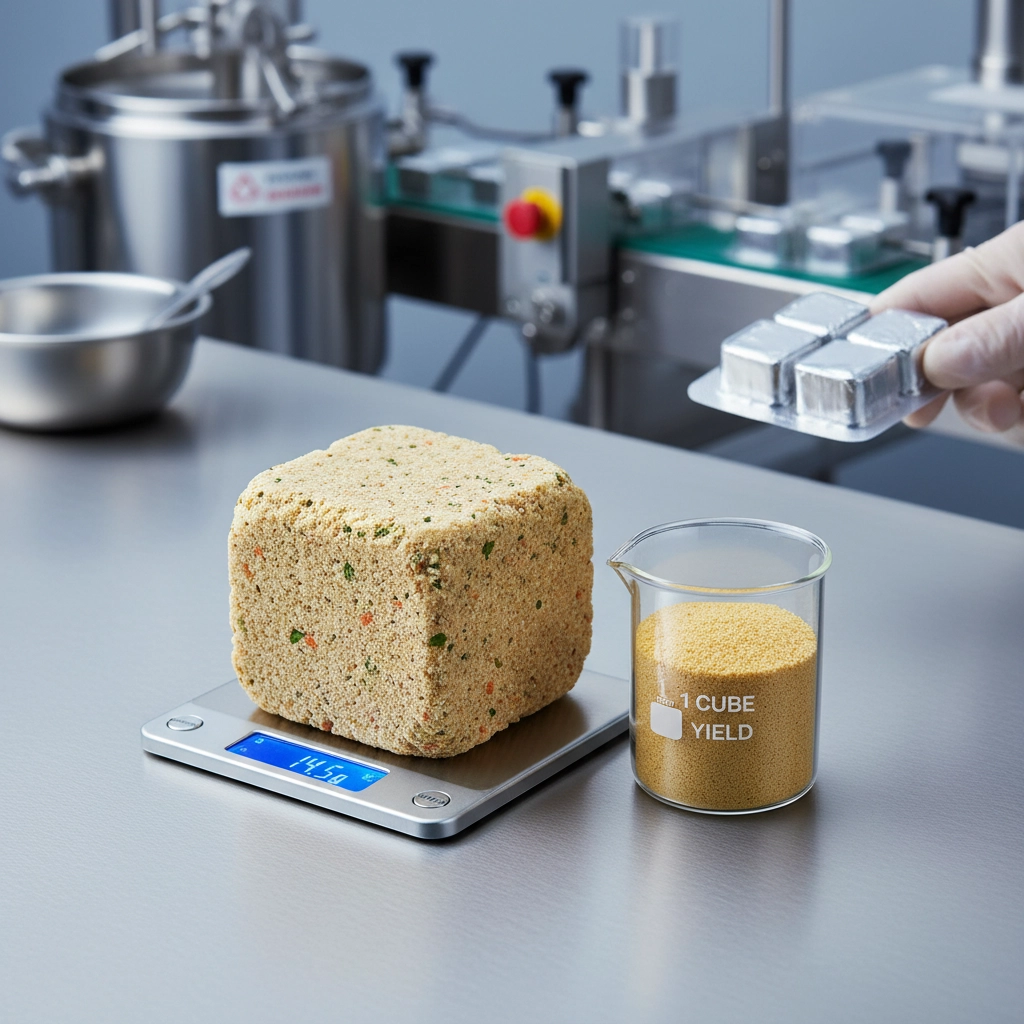
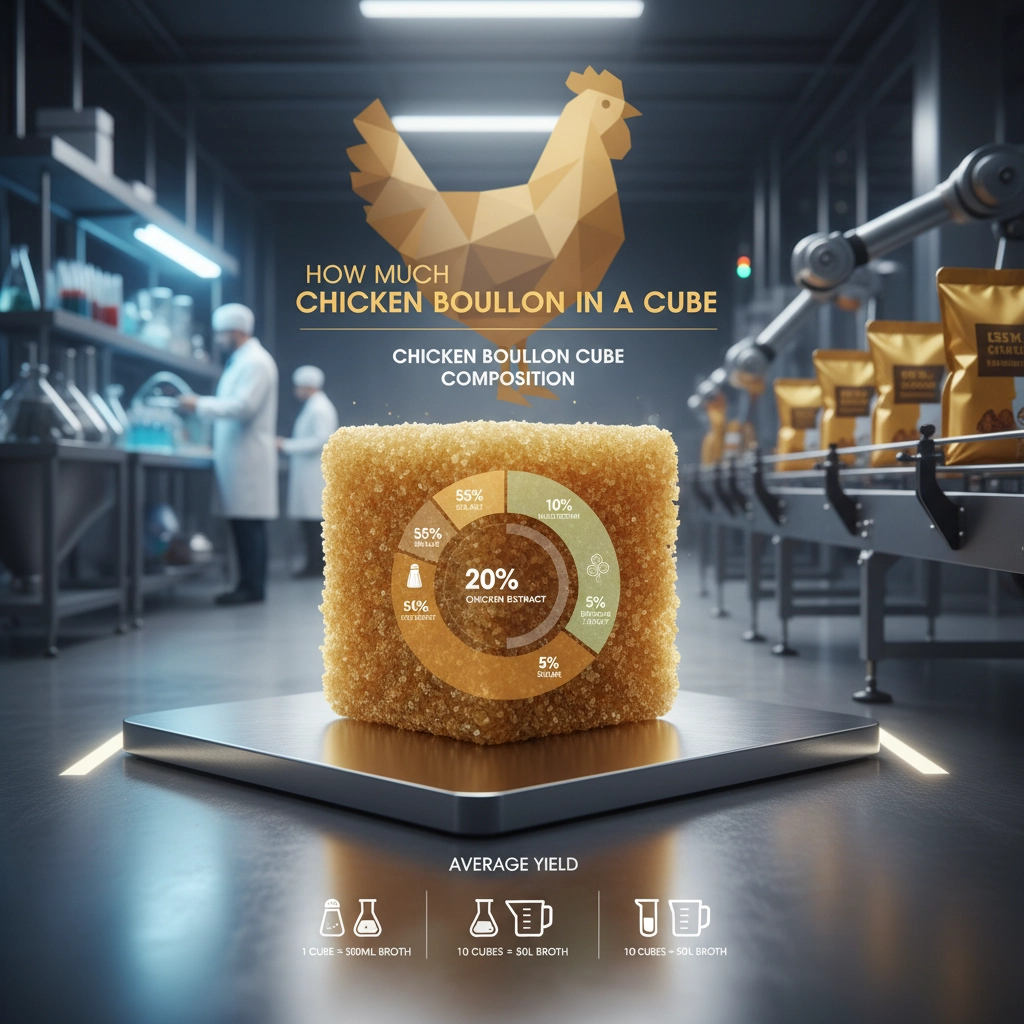
To simply define it, when people ask how much chicken bouillon in a cube, they are usually referring to the equivalent amount of liquid stock that a single cube can produce. Typically, one standard bouillon cube is designed to be dissolved in approximately 500ml (about 2 cups) of boiling water to create a full-strength broth.
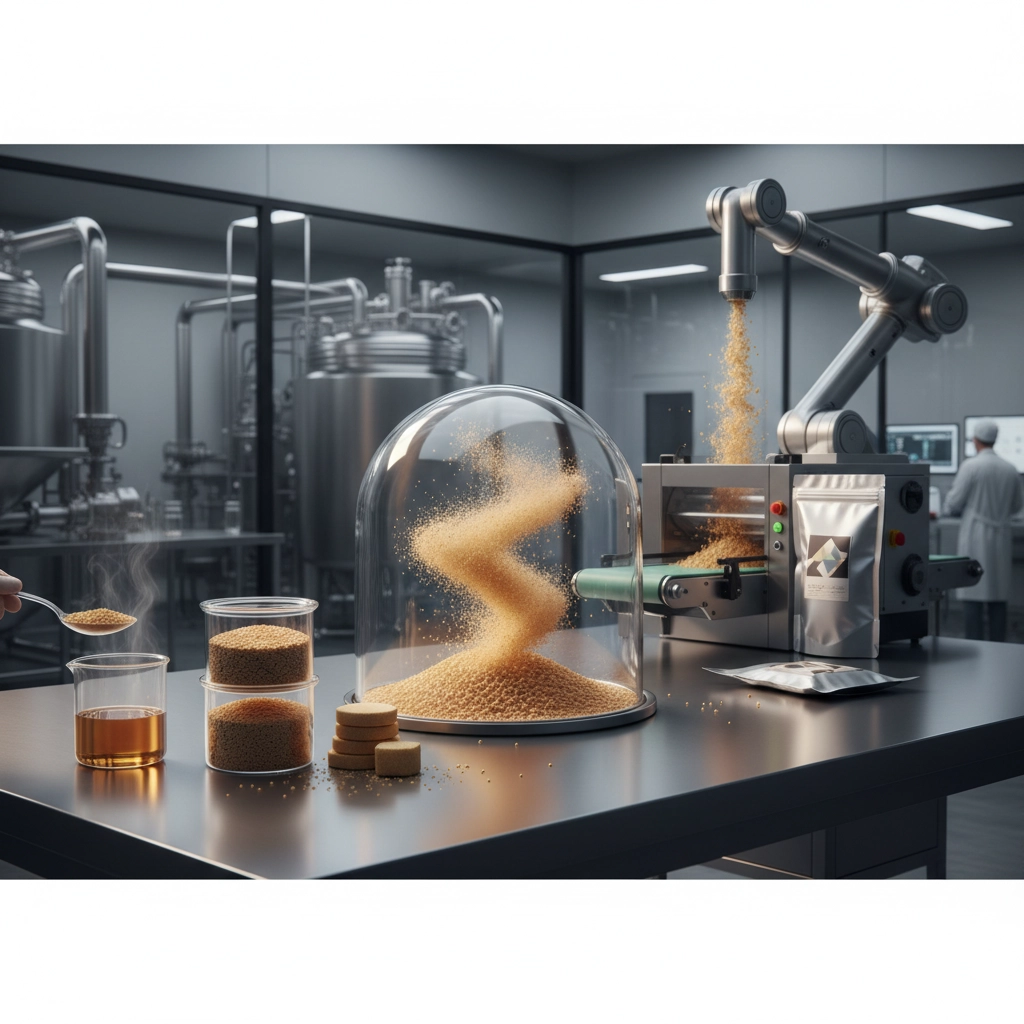
From a technical standpoint, the "cube" is a compressed matrix of salt, hydrolyzed vegetable protein, cornstarch, and chicken extract. This precise engineering ensures that the dissolution rate is uniform, preventing clumps and ensuring that the savory agents are evenly distributed throughout the water.
This definition is crucial for humanitarian needs, where NGOs must calculate the exact caloric and sodium intake provided to populations in crisis. Knowing the exact concentration helps in formulating balanced meals where the bouillon acts as both a flavor enhancer and a necessary source of electrolytes.
Core Components of Concentrated Cubes
The primary factor determining how much chicken bouillon in a cube is the salt content. Salt acts not only as a flavor enhancer but as a primary preservative that draws moisture out of the organic components, allowing the cube to remain shelf-stable for years without refrigeration.
Another critical component is the use of binders and anti-caking agents. These ensure that the high concentration of flavor particles does not clump together, allowing the user to easily measure exactly how much chicken bouillon in a cube is needed for a specific volume of liquid.
Finally, the inclusion of MSG (Monosodium Glutamate) or yeast extracts provides the "umami" depth. By concentrating these savory molecules, manufacturers can achieve a professional-grade taste profile in a fraction of the space required for traditional slow-simmered stocks.
Scalability and Cost Efficiency Analysis
For large-scale food production, the scalability of concentrated cubes is unmatched. Instead of maintaining massive vats of liquid stock, factories can store thousands of units of bouillon, calculating the exact ratio of how much chicken bouillon in a cube is required for multi-ton batches of product.
This leads to significant cost reductions in storage and logistics. The transition from liquid to solid-state seasoning allows for a drastic reduction in packaging waste and energy consumption during transport, providing a logical financial advantage to the food additive industry.
Efficiency Ratings of Different Bouillon Formats
Global Applications in Food Relief
In post-disaster relief operations, the utility of knowing how much chicken bouillon in a cube becomes a matter of survival and dignity. When fresh food is unavailable, bouillon provides a way to make bland grains (like rice or maize) palatable and salty, which is essential for maintaining appetite in stressed populations.
International organizations like the World Food Programme often utilize these concentrates because they are lightweight and impervious to temperature fluctuations. The high concentration ensures that a small shipment of cubes can flavor thousands of liters of soup, maximizing the impact of every kilogram of aid delivered to remote industrial zones or conflict areas.
Long-term Value of Dehydrated Seasonings
The long-term value of understanding how much chicken bouillon in a cube is found in its reliability. Unlike fresh stocks that spoil in days, dehydrated cubes offer a guaranteed flavor baseline that remains unchanged for years. This trust is what allows global food brands to maintain a consistent taste whether their product is consumed in New York or Nairobi.
Beyond the logical cost-savings, there is an emotional angle of safety. In an era of food instability, having a concentrated, sealed source of seasoning provides a sense of security for households. It ensures that regardless of market fluctuations in fresh poultry prices, a basic level of savory nutrition is always accessible.
Innovation in the food additive sector continues to push the boundaries of this value, introducing low-sodium versions that maintain the same intensity, proving that "concentration" doesn't have to mean "unhealthy."
Future Trends in Flavor Compression
The future of how much chicken bouillon in a cube lies in the intersection of biotechnology and sustainability. We are seeing a shift toward "green" bouillon, where the concentrated base is derived from fermented plant proteins rather than animal extracts, reducing the environmental impact of livestock farming.
Digital transformation is also entering the factory. AI-driven dosing systems now calculate the exact particle size and compression force required to optimize the dissolution speed of each cube, ensuring that the user gets exactly the promised amount of flavor the moment the cube hits the water.
Furthermore, automation in packaging is reducing the use of non-biodegradable foils, moving toward compostable wraps that protect the concentrate from moisture without harming the planet.
Comparative Analysis of Bouillon Concentration and Utility
| Concentration Level |
Water Ratio (ml) |
Shelf Life (Months) |
Application Score |
| Standard Cube |
500ml |
24-36 |
9/10 |
| Ultra-Concentrate |
1000ml |
36-48 |
8/10 |
| Low Sodium Cube |
400ml |
18-24 |
7/10 |
| Industrial Block |
5000ml |
60 |
10/10 |
| Organic Pressed |
450ml |
12 |
6/10 |
| Quick-Dissolve |
500ml |
24 |
9/10 |
FAQS
Generally, one standard chicken bouillon cube is equivalent to approximately 500ml (2 cups) of prepared chicken broth. However, this can vary by brand. To achieve a more concentrated flavor, you can use one cube in 250ml of water, or for a milder taste, dilute it in 750ml. Always check the manufacturer's label for the specific concentration ratio.
Yes, you can. The key is to maintain the ratio of how much chicken bouillon in a cube matches the volume of liquid. For every 500ml of stock called for in a recipe, use one cube. Be cautious with additional salt, as bouillon cubes are highly concentrated in sodium compared to homemade stock.
Dissolution speed depends on the binding agents and the compression pressure used during manufacturing. Cubes with higher fat content or specific starches may require boiling water to break down the matrix. Stirring vigorously or crushing the cube into powder before adding it to water can accelerate the process.
Because of how much chicken bouillon in a cube is concentrated, the sodium levels are indeed high. One cube can contain a significant percentage of the recommended daily intake. We suggest using low-sodium alternatives or increasing the water ratio to dilute the salt concentration without losing the savory essence.
They are typically wrapped in aluminum foil or plastic film to create an airtight seal. This prevents moisture from entering the cube, which would cause the concentrated salts to clump and the flavor to degrade. Store them in a cool, dry place to ensure the chemical stability of the food additives.
Yes, modern food science has created vegetable bouillon cubes that utilize yeast extract and mushroom powders to mimic the umami of chicken. These are engineered to have the same concentration ratios, meaning you use them exactly the same way you would a traditional chicken cube.
Conclusion
In summary, understanding how much chicken bouillon in a cube is essential for achieving culinary precision, operational efficiency in food manufacturing, and logistical success in humanitarian aid. By condensing complex flavor profiles into a shelf-stable, standardized format, the food additive industry has provided a versatile tool that balances cost, taste, and accessibility on a global scale.
Looking forward, the evolution of flavor compression will likely move toward healthier, plant-based concentrates and sustainable packaging. For businesses and consumers alike, embracing these innovations ensures that high-quality savory tastes remain accessible while reducing the environmental footprint of food production. To explore professional-grade seasoning solutions, visit our website: www.chinaseasoning.com