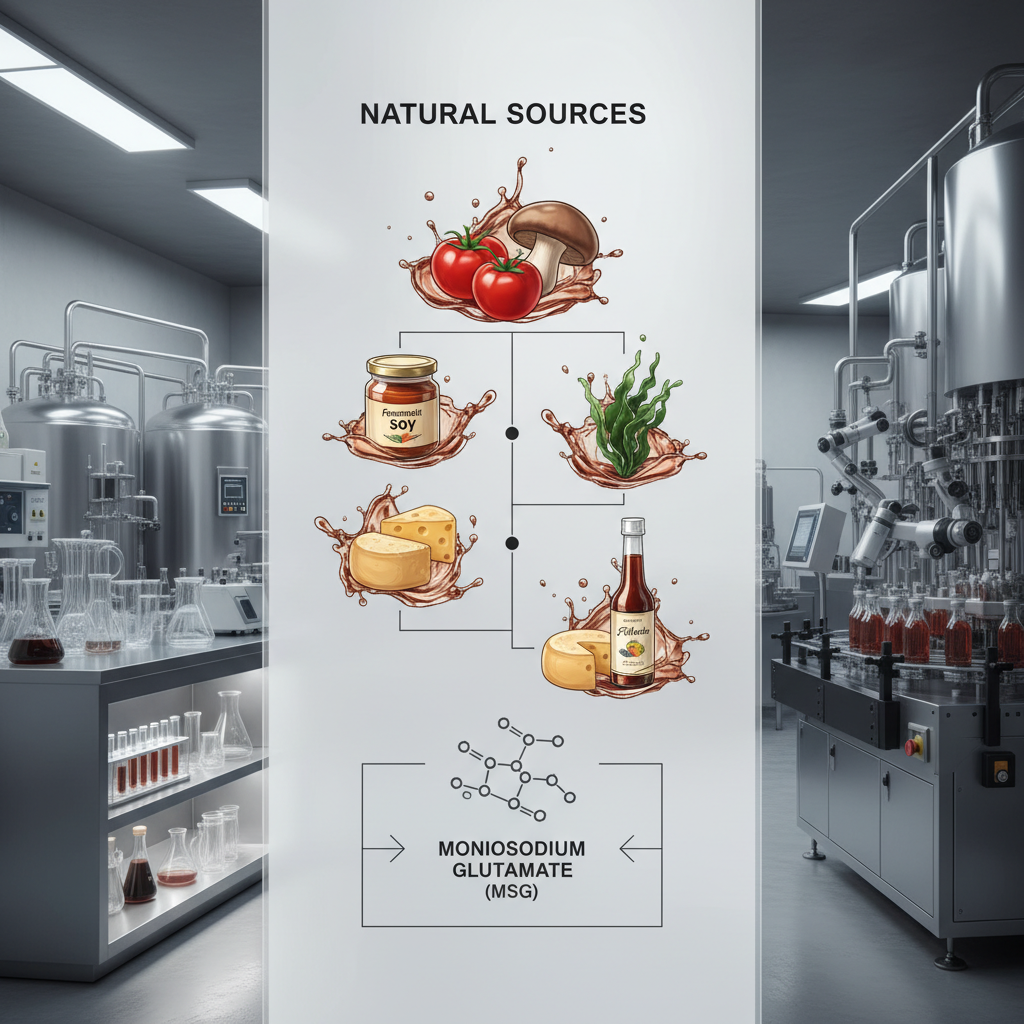
Understanding the variety of natural sources of monosodium glutamate is essential for both culinary artists and food scientists aiming to enhance flavor profiles without relying solely on synthetic additives. Glutamate, the amino acid responsible for the savory "umami" taste, is ubiquitous in nature, existing in everything from aged cheeses to ripe tomatoes. By leveraging these natural reservoirs, manufacturers can create cleaner labels and more appealing products for health-conscious consumers.
Globally, the demand for savory flavor enhancers has shifted toward transparency and "whole-food" origins. This transition is driven by a deeper understanding of how natural sources of monosodium glutamate function biologically to stimulate taste receptors, providing a satisfying depth of flavor that reduces the need for excessive sodium chloride. Whether in food additives or pharmaceutical intermediates, the purity of the glutamate source defines the quality of the end product.
For the modern food industry, mastering the integration of these natural components means balancing cost-efficiency with nutritional integrity. This guide explores the scientific basis, industrial applications, and future trends associated with identifying and utilizing the most potent natural sources of monosodium glutamate to optimize taste and health.
The Biological Basis of Natural Glutamates
At its core, the "savory" sensation we associate with natural sources of monosodium glutamate is a biological signal. Glutamate is an amino acid found in almost every living cell, acting as a key neurotransmitter in the brain and a flavor precursor in food. When we consume foods rich in these natural glutamates, they bind to specific T1R1 and T1R3 receptors on the tongue, triggering the umami taste.
The synergy between free glutamates and nucleotides (like inosinate and guanylate) is what makes certain natural sources exponentially more flavorful than others. This biological interplay allows the food industry to create complex flavor profiles by combining different natural sources of monosodium glutamate, effectively enhancing the perceived saltiness and richness without adding more sodium.
Primary Plant-Based Natural Sources of Monosodium Glutamate
Among the most potent plant-based natural sources of monosodium glutamate are ripe tomatoes and various types of fungi. Tomatoes, especially when concentrated into pastes, contain high levels of free glutamic acid. Similarly, shiitake and porcini mushrooms are celebrated for their deep umami characteristics, providing a robust base for vegan and vegetarian flavor enhancers.
Seaweeds, particularly Kombu (kelp), are historically significant as the first identified natural sources of monosodium glutamate. Kombu is so rich in glutamate that it served as the inspiration for the scientific isolation of MSG. In modern food additives, kelp extracts are frequently used to provide a clean, ocean-inspired savory note that complements seafood and vegetable dishes.
Legumes, such as soy beans and peas, also stand out as critical components. Through natural aging or fermentation processes, the proteins in these legumes break down into free amino acids. This makes soy-based products some of the most reliable and scalable natural sources of monosodium glutamate for large-scale industrial food production.
Fermentation and the Industrial Evolution of Umami
Fermentation transforms standard ingredients into concentrated natural sources of monosodium glutamate. By using microorganisms like Corynebacterium glutamicum, the industry can convert simple sugars or starches into high-purity glutamic acid. This biological process mimics the natural breakdown of proteins seen in traditional fermented foods like miso and fish sauce.
The efficiency of fermentation as a method to harness natural sources of monosodium glutamate has revolutionized the food additive sector. It allows for the production of a consistent, standardized flavor enhancer that maintains a "natural" origin, bridging the gap between raw botanical extracts and purified chemical additives.
Beyond flavor, the fermentation of these sources plays a vital role in creating pharmaceutical intermediates. The precision of microbial fermentation ensures that the resulting glutamates are free from impurities, making them suitable for medical applications where high bio-availability and safety are paramount.
Comparative Efficacy of Different Glutamate Sources
Not all natural sources of monosodium glutamate are created equal in terms of potency and application. For instance, while tomato paste provides a sweet-savory balance, kelp provides a sharp, clean umami. Understanding these nuances allows developers to select the right source based on the desired sensory outcome and the target consumer demographic.
Cost-efficiency also varies significantly. Fermented soy remains one of the most economically viable natural sources of monosodium glutamate for mass-market products, whereas specialty mushroom extracts are reserved for premium, artisanal lines. The following chart illustrates the relative flavor intensity and cost-effectiveness of these various sources.
Flavor Intensity of Various Natural Glutamate Sources
Global Applications in Food and Pharma Industries
In the global food industry, natural sources of monosodium glutamate are indispensable for creating "savory" snacks and ready-to-eat meals. From the soy-based seasonings in East Asia to the cheese-derived glutamates in European cuisine, these sources allow for regional taste optimization while meeting the stringent requirements of food safety standards like ISO 22000.
Beyond the kitchen, the pharmaceutical industry utilizes these natural precursors to synthesize amino acid supplements and metabolic regulators. By sourcing glutamate from nature rather than synthetic petrochemicals, manufacturers can offer "bio-identical" intermediates that are better absorbed by the human body, enhancing the efficacy of medical treatments.
Sustainability and the Clean Label Movement
The "Clean Label" trend has placed natural sources of monosodium glutamate at the center of product innovation. Consumers are increasingly wary of chemical names on ingredient lists, preferring "yeast extract" or "mushroom powder" over "monosodium glutamate." This shift is not just about perception; it is about a holistic approach to health and sustainability.
Utilizing agricultural by-products—such as tomato pomace or spent brewery grains—as natural sources of monosodium glutamate contributes to a circular economy. By upcycling waste into high-value flavor enhancers, companies reduce their environmental footprint while maintaining high product quality.
This sustainable approach also enhances brand trust. When a company can prove that its savory notes come from ethically sourced, plant-based materials, it creates an emotional connection with the consumer, transforming a simple food additive into a statement of environmental responsibility.
Future Innovations in Natural Flavor Extraction
The future of natural sources of monosodium glutamate lies in biotechnology and precision extraction. Emerging techniques like supercritical CO2 extraction allow for the isolation of pure umami compounds without the use of harsh solvents, preserving the delicate aromatic profiles of the original botanical source.
Digital transformation is also playing a role. AI-driven flavor mapping is helping researchers identify previously overlooked natural sources of monosodium glutamate in rare algae or wild fungi, potentially unlocking entirely new sensory experiences for the consumer.
Furthermore, the integration of CRISPR and synthetic biology is enabling the creation of "designer" natural sources. By optimizing the metabolic pathways of yeast, scientists can produce specific glutamate-rich proteins that are tailored for particular food matrices, ensuring perfect stability and taste release.
Analysis of Natural Glutamate Source Performance
| Source Category |
Extraction Method |
Purity Level (1-10) |
Commercial Scalability |
| Marine Algae |
Cold Pressing |
8 |
Medium |
| Fermented Soy |
Microbial Fermentation |
9 |
High |
| Ripe Tomato |
Thermal Concentration |
6 |
Very High |
| Dried Fungi |
Enzymatic Hydrolysis |
7 |
Medium |
| Aged Cheese |
Natural Proteolysis |
8 |
Low |
| Yeast Extract |
Autolysis |
9 |
High |
FAQS
The most prominent natural sources include ripe tomatoes, various mushrooms (like shiitake), seaweed (especially Kombu), fermented soy products, and aged cheeses. These foods naturally contain high levels of glutamic acid, which provides the savory umami taste without the need for added synthetic enhancers.
Chemically, the glutamate molecule is identical whether it comes from a tomato or a lab. However, natural sources often come bundled with other nutrients, vitamins, and synergistic compounds (like nucleotides) that can alter the flavor profile and how the body processes the ingredient.
To satisfy "clean label" demands, manufacturers often use terms like "yeast extract," "hydrolyzed vegetable protein," or simply "tomato powder." These terms accurately describe the natural source while avoiding the stigmatized term "MSG," even though the biological effect is the same.
Yes. Because umami signals "savoriness" to the brain, adding natural sources of monosodium glutamate can make food taste satisfyingly salty even when the actual sodium chloride (table salt) content is reduced, making it a key tool for heart-healthy product development.
While glutamate itself is not an allergen, the sources are. For example, soy-based or seafood-based (fish sauce) glutamates can trigger allergies. It is crucial for manufacturers to clearly disclose the origin of their flavor enhancers to ensure consumer safety.
Yeast extracts, shiitake mushroom powders, and Kombu seaweed are the premier choices for vegan applications. They provide a deep, meaty savoriness that mimics animal proteins, making them essential for the development of plant-based meat alternatives.
Conclusion
Identifying and utilizing natural sources of monosodium glutamate is more than just a trend; it is a scientific approach to flavor optimization. By understanding the biological synergy between plants, fungi, and fermentation, the food industry can create products that are not only delicious but also align with the global movement toward transparency, sustainability, and health.
As we look toward the future, the integration of precision biotechnology and circular economy principles will further refine how we extract and apply these savory components. We encourage food scientists and procurement managers to explore a wider array of botanical and fermented sources to elevate their product lines. Visit our website for more professional insights: www.chinaseasoning.com