Monosodium Glutamate, commonly known as MSG, remains one of the most misunderstood yet widely utilized flavor enhancers in the global food industry. Understanding the diverse msg uses in food is essential for food manufacturers who aim to balance taste profiles while maintaining cost-efficiency and product consistency across different markets.
From a technical perspective, the application of MSG is rooted in the science of "umami," the fifth basic taste, which provides a savory depth that mimics the natural flavors found in aged cheeses, cured meats, and ripe tomatoes. By strategically implementing these applications, producers can enhance the palatability of low-sodium products and improve the overall sensory experience for the consumer.
In an era where clean-label trends and nutritional transparency are paramount, the industry is shifting toward a more scientific and transparent communication of how MSG functions. Exploring the comprehensive msg uses in food allows brands to leverage this powerful ingredient to create satisfying, high-quality food products that meet evolving global dietary demands.
The Science of Umami and MSG Functionality
At its core, the effectiveness of msg uses in food lies in the presence of glutamate, an amino acid that triggers specific receptors on the tongue. When MSG dissolves, it releases glutamate ions that signal the brain to perceive a "savory" or "meaty" taste, which is fundamentally different from salty, sweet, sour, or bitter notes. This biological interaction is what makes MSG an indispensable tool for flavor chemists.
By amplifying the existing flavors of other ingredients, MSG acts as a catalyst rather than just a seasoning. In industrial food production, this allows for a more rounded taste profile, ensuring that the primary ingredients—whether they be plant-based proteins or premium meats—are perceived at their fullest potential by the end consumer.
Industrial Applications Across Food Categories
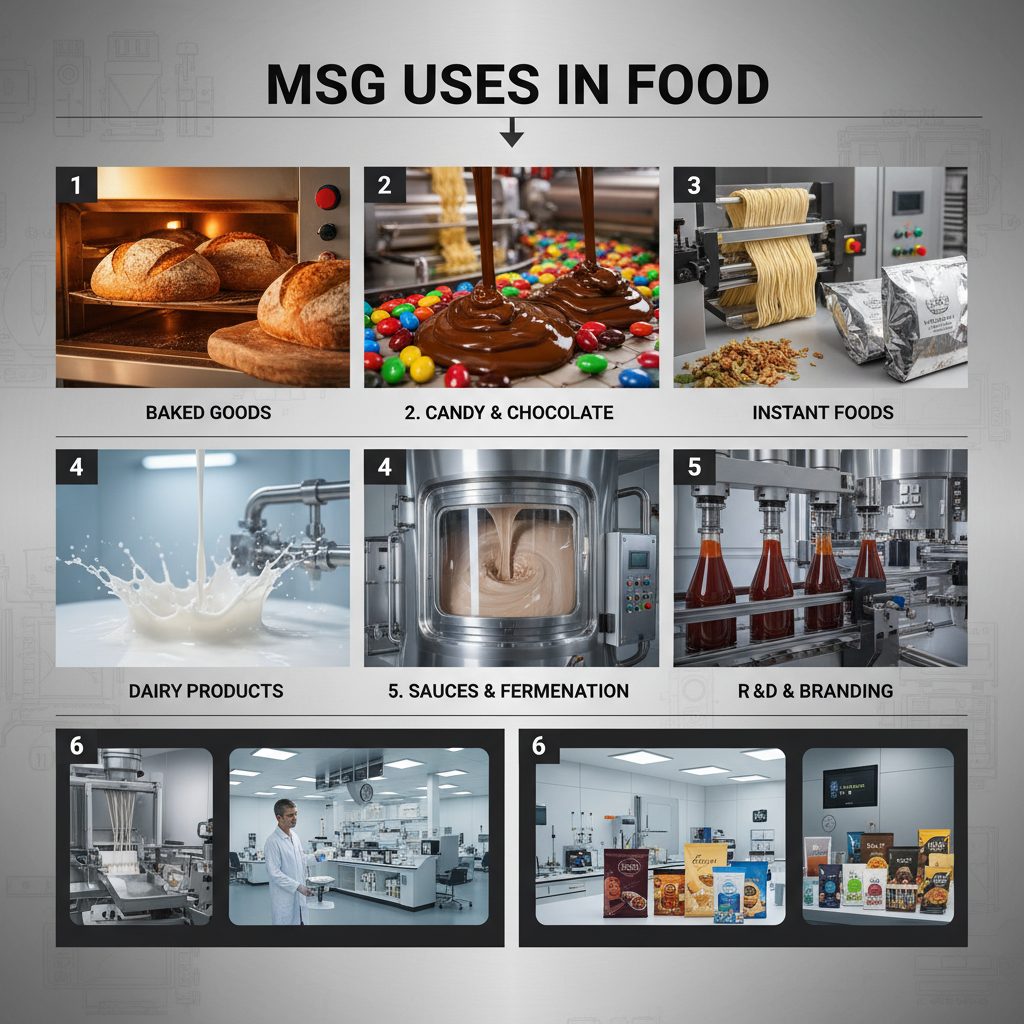
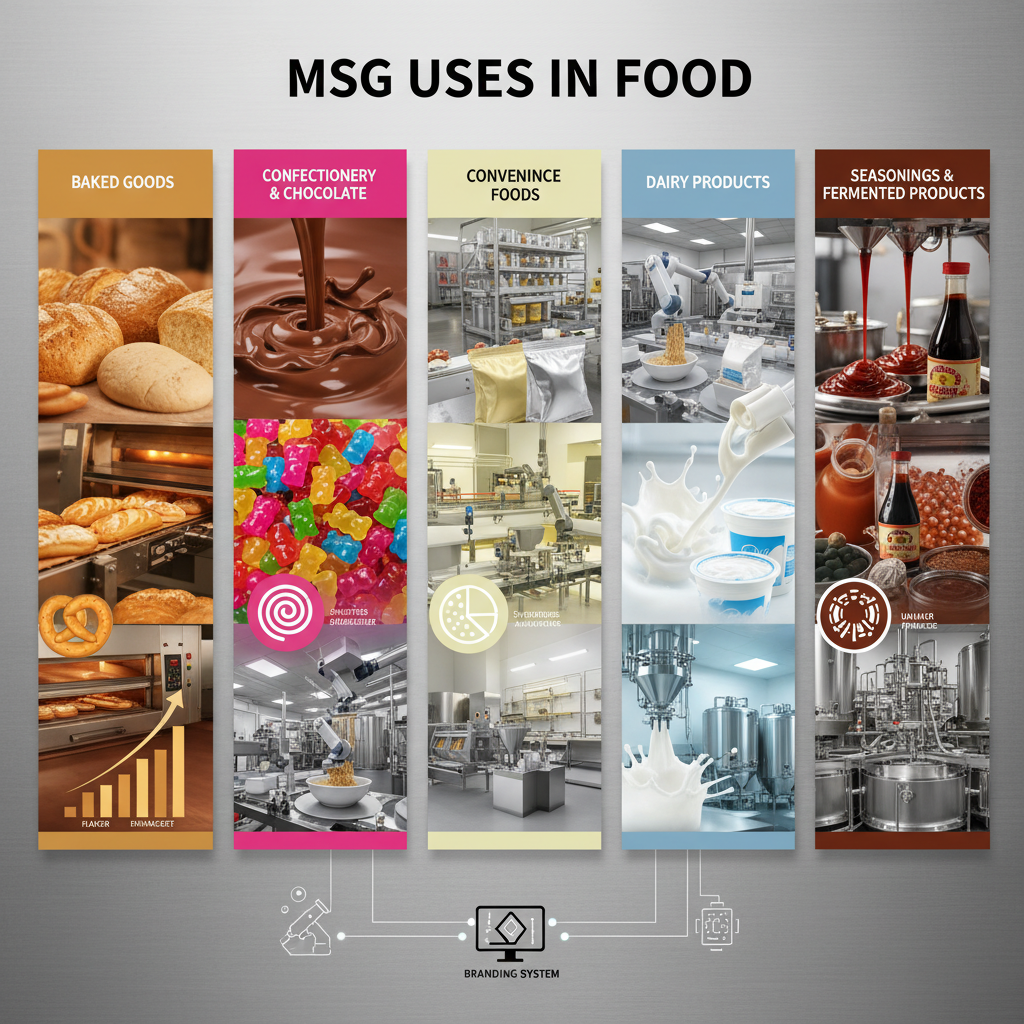
The versatility of msg uses in food spans almost every major processed food category. In the snack industry, MSG is integrated into extruded corn chips and savory crackers to create a "craveable" quality that encourages repeat consumption. This is achieved by coating the product in a precise blend of MSG and other spices, ensuring a consistent flavor burst in every bite.
In the realm of ready-to-eat meals and frozen dinners, MSG is used to compensate for the loss of volatile flavor compounds that occurs during high-heat processing or long-term freezing. By adding glutamate, manufacturers can restore the depth of flavor that is often stripped away during the sterilization or freezing process, maintaining the integrity of soups, stews, and sauces.
Furthermore, the beverage and condiment sectors utilize MSG to create complex bases for bouillons and dipping sauces. In these applications, the additive ensures a standardized taste across different batches of raw materials, which may vary in natural glutamate levels depending on the harvest or source of the ingredients.
Synergy and Sodium Reduction Strategies
One of the most critical technical aspects of msg uses in food is its synergistic relationship with 5'-ribonucleotides, such as IMP and GMP. When these compounds are combined with MSG, the intensity of the umami taste is not just added but multiplied, allowing for a much smaller amount of the additive to achieve a powerful sensory impact.
From a public health perspective, these synergistic msg uses in food are pivotal for sodium reduction. Since MSG contains approximately 12% sodium compared to the 39% found in table salt (NaCl), replacing a portion of salt with MSG can reduce the overall sodium content of a product by up to 40% without sacrificing the perceived saltiness or flavor intensity.
This strategy is particularly valuable for pharmaceutical-grade dietary foods and health-conscious product lines. By manipulating the glutamate-to-sodium ratio, food scientists can design products that meet stringent health guidelines while remaining delicious, thereby bridging the gap between nutritional requirements and consumer satisfaction.
Performance Metrics of Flavor Enhancement
To quantify the effectiveness of msg uses in food, industry experts utilize sensory panels and analytical data. The goal is to find the "bliss point"—the precise concentration where the flavor enhancement is maximized without the additive becoming detectable as a separate taste.
By measuring the intensity of flavor across different food matrices, manufacturers can determine the most efficient dosage for each product line, optimizing both the cost of raw materials and the quality of the final output.
Comparative Efficiency of MSG Uses in Food Applications
Global Regulatory Landscape and Safety Standards
The safety of msg uses in food has been extensively validated by global health authorities. The Joint FAO/WHO Expert Committee on Food Additives (JECFA) and the US FDA have classified MSG as "generally recognized as safe" (GRAS). These classifications are based on decades of clinical research showing that glutamate is processed by the body in the same way as naturally occurring glutamates in tomatoes or parmesan cheese.
Despite the scientific consensus, regional differences in labeling laws persist. In some markets, "hydrolyzed vegetable protein" or "yeast extract" is used as a technical alternative to provide the same glutamate benefits while appealing to consumers who have a preconceived bias against the term "MSG."
Economic Value and Manufacturing Efficiency
From a procurement standpoint, the widespread msg uses in food provide a significant cost advantage. Because MSG is highly potent, very small quantities are required to achieve a noticeable improvement in taste, reducing the need for expensive natural flavor extracts or high volumes of premium ingredients to reach the desired flavor threshold.
Furthermore, the stability of MSG in various environments—including high-temperature extrusion and acidic conditions—makes it an operationally efficient choice for large-scale manufacturing. It does not degrade easily, ensuring that the product's taste profile remains stable from the factory gate to the consumer's table.
This reliability reduces the rate of batch failures and quality control rejects, contributing to a leaner production cycle. For manufacturers of food additives and intermediates, providing a high-purity MSG product is essential for ensuring these industrial efficiencies are realized across the supply chain.
Future Innovations in Taste Modification
The evolution of msg uses in food is now moving toward biotechnology and fermentation. Modern production methods utilize sustainable carbohydrate sources (like sugarcane or corn) and precision fermentation to create an even purer form of glutamate, reducing the environmental footprint of additive manufacturing.
Another emerging trend is the integration of MSG into "clean-label" plant-based meat alternatives. As the world moves toward sustainable proteins, the challenge is mimicking the savory depth of animal fats. MSG, combined with yeast-derived nucleotides, is proving to be the most effective way to make pea or soy proteins taste "meaty" and satisfying.
Looking ahead, we expect to see more "smart seasoning" systems where MSG is encapsulated for timed release, ensuring that the flavor peaks at the exact moment of consumption, further enhancing the consumer experience.
Analysis of MSG Application Effectiveness by Food Category
| Food Category |
Primary Use Case |
Sodium Reduction Potential |
Taste Impact Score |
| Savory Snacks |
Surface Coating/Seasoning |
Medium |
9/10 |
| Instant Soups |
Base Broth Enhancement |
High |
10/10 |
| Processed Meats |
Curing Blend Integration |
Low |
7/10 |
| Vegan Proteins |
Umami Mimicry |
Medium |
9/10 |
| Condiments |
Flavor Standardization |
Medium |
8/10 |
| Frozen Entrees |
Post-Processing Recovery |
High |
8/10 |
FAQS
The most common uses include enhancing the savory profiles of snack foods, instant soups, sauces, and frozen meals. MSG is primarily used to create "umami," which adds depth to the flavor and helps standardize taste across different batches of ingredients, ensuring consistency for the consumer.
Yes, absolutely. Because MSG contains significantly less sodium than traditional table salt, it can be used as a partial replacement. Through synergistic effects with other nucleotides, it enhances the perception of saltiness, allowing manufacturers to reduce overall sodium levels while maintaining a high-quality taste.
Yes, MSG is recognized as safe (GRAS) by global health organizations including the FDA and JECFA. It is a naturally occurring amino acid found in many whole foods. When used within recommended guidelines, it is a safe and effective tool for flavor enhancement in industrial food production.
Yeast extract is essentially a natural source of glutamates. In many cases, using yeast extract is a way to provide the same umami effect as MSG but with a "natural" label. Both serve the same functional purpose of enhancing savoriness through the release of glutamate ions.
No, one of the primary advantages of MSG is its stability. It remains effective even after exposure to the high temperatures used in canning, pasteurization, and extrusion, making it an ideal additive for processed and ready-to-eat food products.
Depending on your application, you may need food-grade MSG for general consumption or pharmaceutical-grade intermediates for specialized dietary products. It is important to verify purity levels and certifications (such as ISO or Halal/Kosher) to ensure compliance with your target market's regulations.
Conclusion
In summary, the strategic msg uses in food extend far beyond simple seasoning. From enabling significant sodium reduction and optimizing manufacturing costs to providing a critical flavor bridge for plant-based proteins, MSG remains a cornerstone of modern food science. By understanding the synergy between glutamates and nucleotides, food producers can craft products that are not only delicious but also align with health and sustainability goals.
As the industry evolves toward biotechnology and cleaner labels, the role of MSG will likely shift toward more sustainable fermentation processes and precision application. We encourage food manufacturers and developers to embrace a science-based approach to flavor enhancement to stay competitive in a global market. For premium food additives and professional guidance, visit our website: www.chinaseasoning.com.