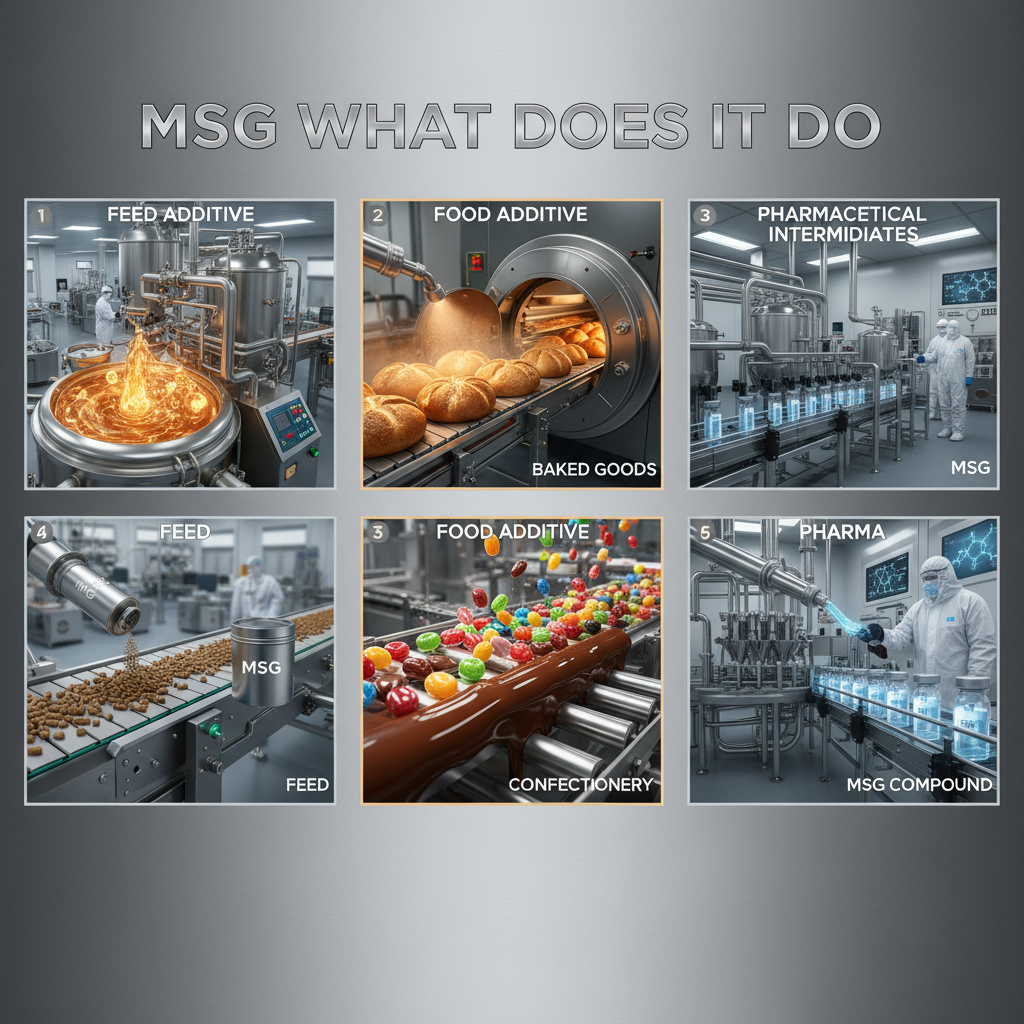
Monosodium Glutamate, commonly known as MSG, is one of the most debated yet widely used food additives in the global culinary and industrial landscape. When people ask msg what does it do, they are usually looking for a scientific explanation of how this salt of glutamic acid interacts with our taste receptors to create the savory profile known as "umami." Understanding its function is crucial for food manufacturers and chefs who aim to optimize flavor profiles without relying solely on excessive sodium.
From a global industrial perspective, the application of MSG extends far beyond simple seasoning; it is a precision tool in food chemistry used to enhance the palatability of proteins and vegetables alike. By isolating the essence of savoriness, it allows for a more consistent taste experience across mass-produced food products, ensuring that nutritional value and taste are balanced. The global demand for efficient flavor enhancers continues to grow as the food industry seeks sustainable ways to reduce salt intake while maintaining flavor intensity.
Despite historical misconceptions, modern food science and regulatory bodies like the FDA and WHO have clarified the role of this additive. Exploring msg what does it do reveals a complex interaction between amino acids and human biology, positioning MSG as a vital component in the categories of Food Additives and Pharmaceutical Intermediates where purity and stability are paramount.
The Biological Mechanism of Umami
To understand msg what does it do on a biological level, we must look at the T1R1 and T1R3 taste receptors on the human tongue. MSG provides the glutamate ion, which binds to these specific receptors, signaling the brain to perceive a "savory" or "meaty" taste. This is the fifth basic taste, distinct from sweet, sour, salty, and bitter, and it is naturally found in foods like aged cheeses, ripe tomatoes, and mushrooms.
By concentrating this effect, MSG acts as a catalyst that amplifies other flavors in a dish. It doesn't just add its own taste; it creates a synergistic effect with nucleotides (like IMP and GMP), significantly increasing the perceived intensity of the food's natural flavors. This biological efficiency is why such small quantities can have a profound impact on the overall sensory experience of a product.
Industrial Production and Purity Standards
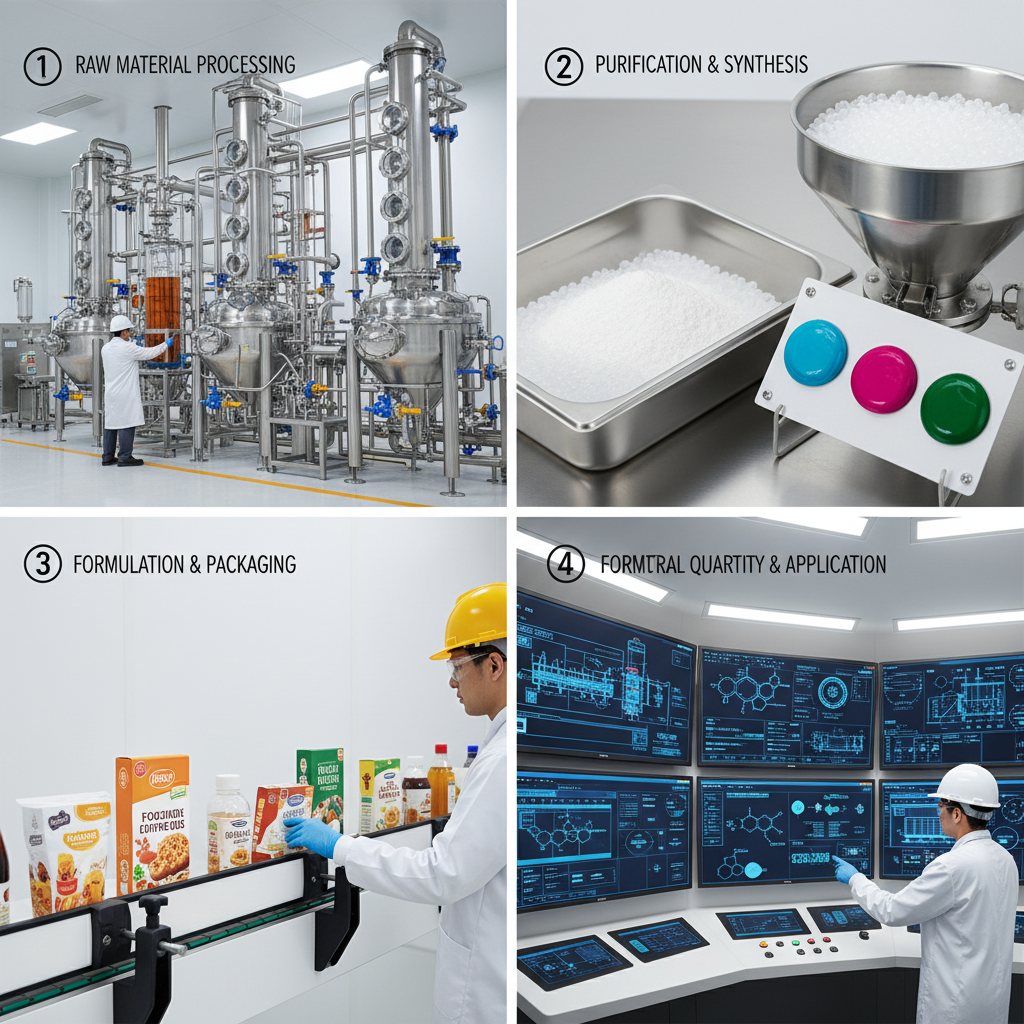
The modern industrial production of MSG has evolved from chemical synthesis to highly efficient microbial fermentation. Using sugar sources like molasses or corn starch, specific bacteria (such as Corynebacterium glutamicum) are utilized to produce high-purity glutamic acid, which is then neutralized with sodium to create the final crystalline powder. This process ensures that the additive remains stable and consistent for large-scale food manufacturing.
Purity is a non-negotiable standard in the food additive industry. High-grade MSG must be free from contaminants and heavy metals to meet international ISO and FCC standards. For manufacturers dealing with Pharmaceutical Intermediates, the precision of the fermentation process is critical, as any deviation in pH or temperature can alter the chemical structure, affecting the final product's solubility and taste profile.
When companies evaluate msg what does it do in their supply chain, they prioritize the "white-crystal" purity level. This level of refinement allows the additive to dissolve instantly in aqueous solutions, making it ideal for liquid seasonings, powdered soup bases, and industrial-scale meat processing where homogeneity is key to quality control.
Strategic Applications in Food Processing
In the realm of professional food manufacturing, understanding msg what does it do allows engineers to reduce total sodium content. Because MSG contains about two-thirds less sodium than table salt, it can be used to maintain a high flavor profile while lowering the overall sodium load, addressing growing global health concerns regarding hypertension and cardiovascular health.
Strategic application involves "flavor layering," where MSG is combined with other food additives to create a complex taste architecture. In Feed Additives, for example, the inclusion of glutamate-based compounds can improve the palatability of livestock feed, encouraging better consumption rates and enhancing the growth efficiency of animals in intensive farming environments.
Furthermore, in the production of processed meats and frozen dinners, MSG acts as a stabilizer for flavor during the freezing and thawing cycle. It prevents the "flavor fade" that often occurs in chemically processed foods, ensuring that the consumer experiences the same rich, savory taste whether the product is consumed immediately after production or after months of cold storage.
Comparative Efficiency of Flavor Enhancers
When comparing various additives, the efficiency of MSG is unmatched in terms of cost-to-performance ratio. While natural extracts (like yeast extracts or mushroom powders) provide similar umami notes, they often require much higher dosages to achieve the same sensory impact. This makes the synthetic, fermentation-derived MSG a more sustainable and scalable choice for global food distributors.
The following data illustrates how different methods of flavor enhancement compare in terms of effectiveness, cost, and stability, highlighting why the industry continues to rely on the specific properties of glutamates.
Efficiency Analysis: MSG vs Other Enhancers
Global Market Integration and Logistics
The global supply chain for MSG is a marvel of industrial logistics, with major production hubs in Asia supplying markets in North America and Europe. Because MSG is a stable, non-perishable crystalline powder, it can be shipped in bulk containers across oceans without the need for refrigeration, making it one of the most cost-effective food additives to import and export.
Market integration is driven by the diverse culinary needs of different regions. While Southeast Asian markets use it heavily in sauces and street foods, the Western market has seen a resurgence in its use within the "clean label" movement, where it is often rebranded as "natural flavor" or integrated into complex seasoning blends to improve the taste of plant-based meat alternatives.
Safety Profiles and Regulatory Compliance
A critical part of explaining msg what does it do is addressing the safety profile. Decades of rigorous scientific study have consistently shown that MSG is "generally recognized as safe" (GRAS) by the FDA. The human body processes the glutamate in MSG in the exact same way it processes the glutamate found naturally in a slice of Parmesan cheese or a tomato.
Regulatory compliance requires strict adherence to dosage limits and labeling laws. In the European Union and the US, MSG must be clearly listed on ingredient labels, ensuring transparency for the consumer. For manufacturers, this means maintaining a precise ledger of additive concentrations to ensure that the final product remains within the safety guidelines of the destination country.
Beyond basic safety, the industry is now focusing on " hypoallergenic" certifications. By refining the fermentation process to remove potential allergens, producers can ensure that their MSG is suitable for a wider range of dietary requirements, further increasing its versatility in the global pharmaceutical and food additive markets.
Future Innovations in Taste Modulation
The future of flavor enhancement is moving toward "precision taste modulation." Instead of using MSG as a standalone additive, scientists are developing synergistic blends that combine glutamates with specific peptides and minerals to target very specific taste receptors. This allows for the creation of "smart seasonings" that can make low-calorie foods taste indulgent without adding unhealthy fats or sugars.
Digital transformation is also playing a role. AI-driven flavor profiling is now used to determine the exact milligram of MSG needed to balance the bitterness of certain plant-based proteins. This level of automation reduces waste and ensures a mathematically perfect flavor balance, transforming the traditional "art" of seasoning into a precise science.
Sustainability is the final frontier. The industry is shifting toward "Green MSG," using carbon-capture technology or agricultural waste as the feedstock for fermentation. This not only reduces the carbon footprint of production but also aligns the product with the global push toward a circular economy.
Comparative Analysis of Taste Modulation Innovations
| Innovation Type |
Mechanism |
Primary Benefit |
Industrial Impact |
| Synergistic Blends |
MSG + Nucleotides |
Exponential Umami Boost |
Reduced Dosage |
| AI Flavor Profiling |
Algorithm-based dosing |
Precision Consistency |
Zero Taste Waste |
| Green Fermentation |
Agri-waste feedstock |
Eco-friendly Production |
Carbon Neutrality |
| Nano-Encapsulation |
Timed-release crystals |
Sustained Flavor Release |
Premium Food Tech |
| Plant-Based Hybrids |
MSG + Vegan Proteins |
Meat-like Savoriness |
Vegan Market Growth |
| Low-Sodium Salts |
Potassium-Glutamate |
Heart-Healthy Seasoning |
Medical Grade Food |
FAQS
The primary function is to trigger the umami taste receptors on the tongue, creating a savory, rich flavor profile. It acts as a flavor enhancer, meaning it doesn't just add its own taste but amplifies the existing flavors of other ingredients, making the overall dish taste more "complete" and satisfying.
Yes, MSG is classified as GRAS (Generally Recognized as Safe) by major health organizations including the FDA and EFSA. Since it provides glutamate—an amino acid naturally occurring in many foods—the body processes it normally. In moderate amounts typical of food additives, it poses no known long-term health risks for the general population.
MSG contains significantly less sodium than traditional table salt (NaCl). By replacing a portion of salt with MSG, manufacturers can achieve the same or even a stronger savory impact while reducing the total milligrams of sodium per serving, which is beneficial for cardiovascular health.
Yes, glutamates serve as important pharmaceutical intermediates. Because of their stability and biological activity, they are used in the synthesis of various medical compounds and as stabilizers in certain drug delivery systems where specific amino acid profiles are required.
Chemically, there is no difference. Whether the glutamate comes from a tomato or from a crystalline MSG powder, the molecule is identical. The body cannot distinguish between the two, and they both interact with the T1R1/T1R3 receptors in the same manner.
MSG is hygroscopic, meaning it absorbs moisture from the air. To maintain purity and prevent clumping, it should be stored in airtight containers in a cool, dry environment. For industrial quantities, moisture-proof bulk bags with desiccant controls are recommended.
Conclusion
In summary, understanding msg what does it do allows us to appreciate it as more than just a seasoning; it is a cornerstone of modern food science. From its biological role in triggering umami to its industrial application in reducing sodium and enhancing plant-based proteins, MSG provides an efficient, safe, and scalable solution for the global food and pharmaceutical industries.
As we look toward the future, the integration of AI and green chemistry will only further refine the use of glutamates, making them more sustainable and targeted. For businesses looking to optimize their product profiles, leveraging high-purity food additives is the key to balancing nutritional health with an irresistible taste experience. Visit our website for more professional insights: www.chinaseasoning.com