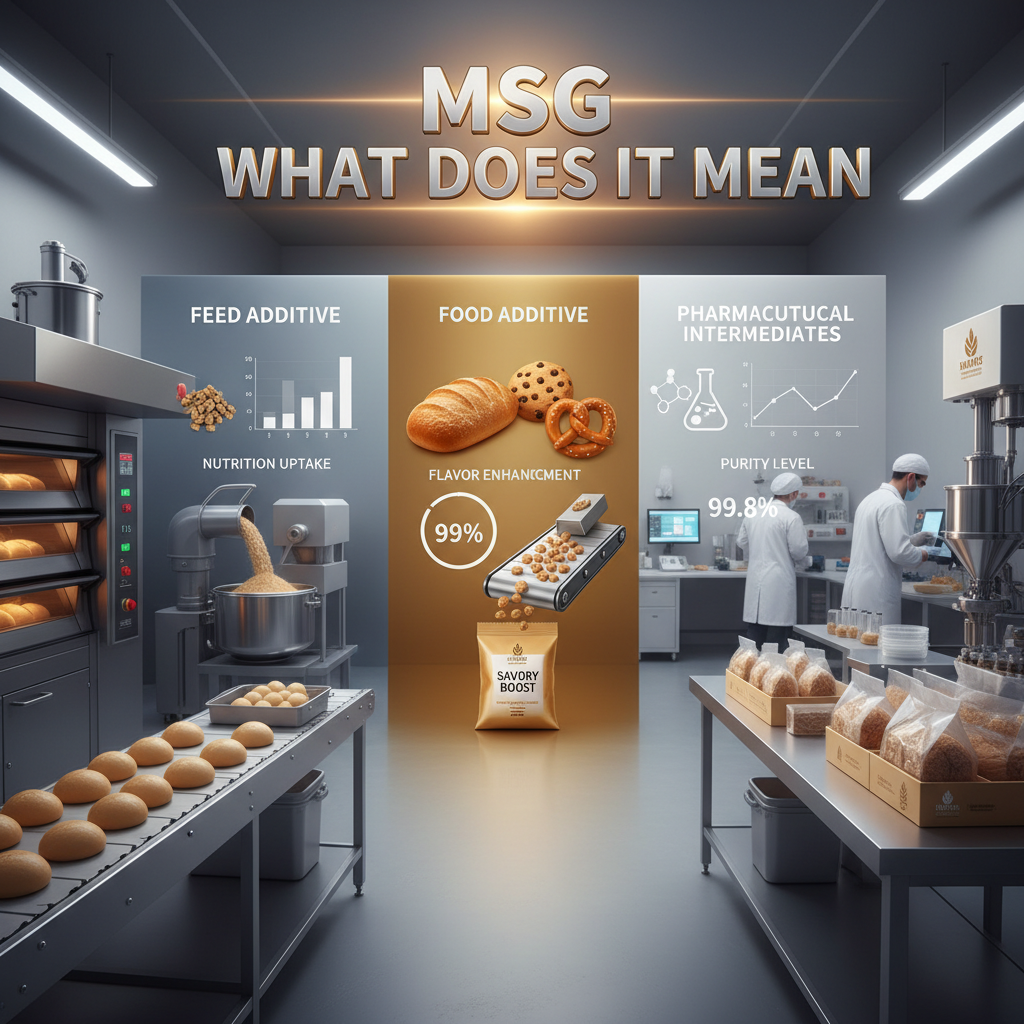
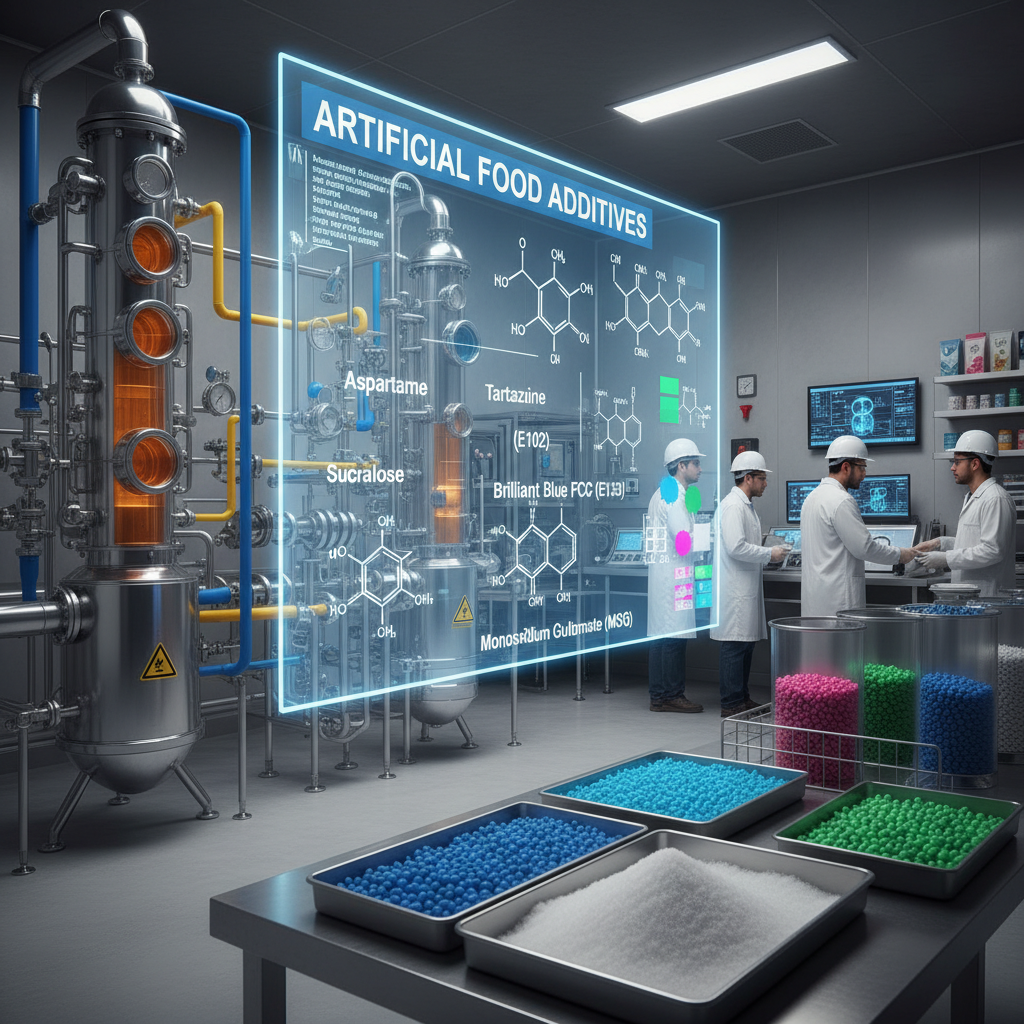
When browsing ingredient labels on processed snacks or restaurant menus, many consumers often encounter the acronym MSG and find themselves asking, "msg what does it mean?" In the context of food science and additive manufacturing, Monosodium Glutamate is more than just a controversial additive; it is the sodium salt of glutamic acid, one of the most abundant naturally occurring amino acids. Understanding the fundamental chemistry of this compound allows us to move past myths and appreciate its role in enhancing the sensory experience of food globally.
From a global industrial perspective, the production of MSG is a cornerstone of the food additive sector, bridging the gap between fermentation technology and culinary application. Whether it is used in a high-end pharmaceutical intermediate process or as a staple in commercial feed additives, the essence of what this substance provides is "umami"—the fifth basic taste. By isolating this specific flavor profile, manufacturers can create consistent, savory profiles that satisfy human biological cravings for protein-rich foods.
For professionals in the food manufacturing industry, clarifying msg what does it mean is essential for maintaining transparency and adhering to international food safety standards. As consumer demand shifts toward "clean labels," the industry is evolving to provide educational content that explains the biological safety and functional utility of glutamates. This guide explores the scientific definition, industrial applications, and the future of flavor enhancement in the modern food economy.
The Scientific Definition of MSG
To truly understand msg what does it mean, one must look at the molecular level. MSG is the sodium salt of glutamic acid, an amino acid that occurs naturally in tomatoes, parmesan cheese, and mushrooms. In industrial manufacturing, it is typically produced through the fermentation of starches (such as sugarcane or corn) using bacteria like Corynebacterium glutamicum, which converts the sugars into glutamic acid, subsequently neutralized with sodium hydroxide.
This process results in a white, crystalline powder that is highly soluble in water. When ingested, the body breaks down MSG into glutamate and sodium, the same components found in naturally occurring proteins. This fundamental biological equivalence is why global health authorities, including the FDA and EFSA, categorize it as "Generally Recognized as Safe" (GRAS).
Global Industrial Production Standards
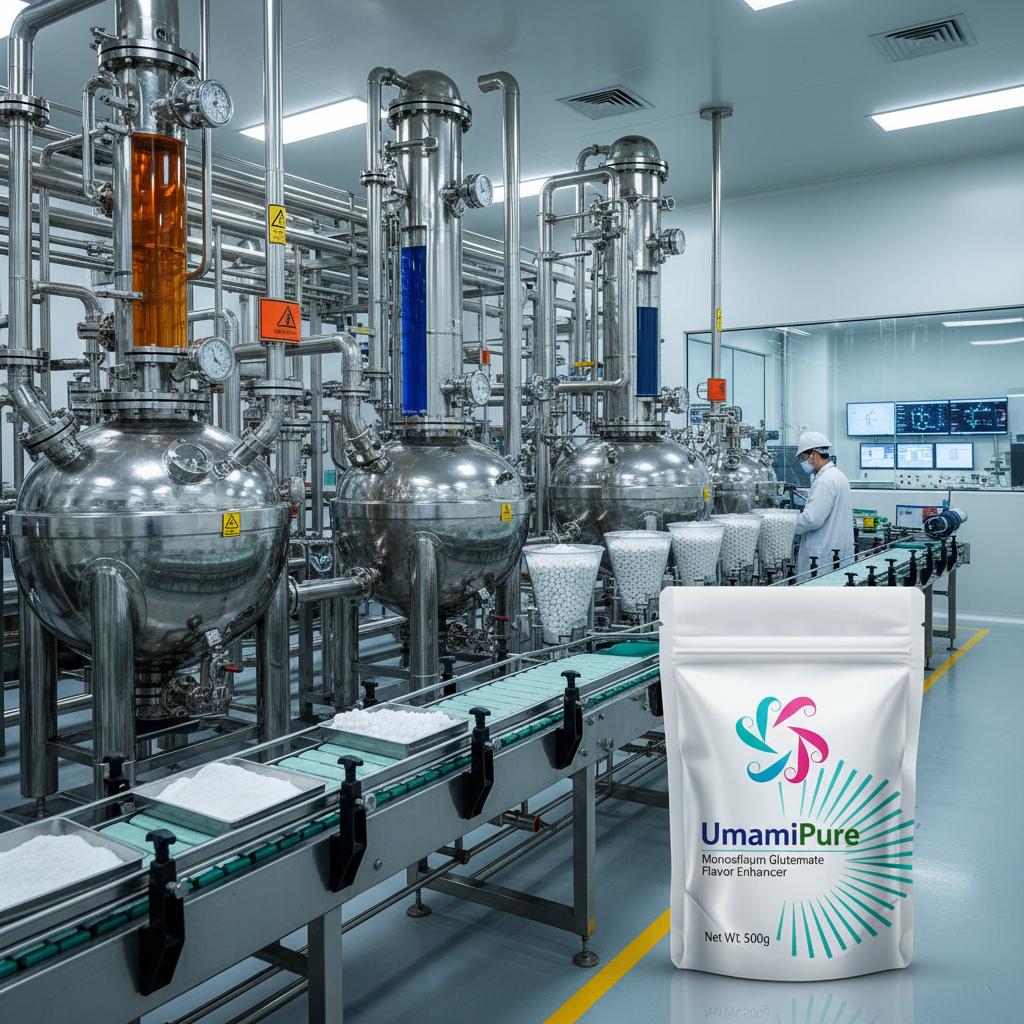
The global production of MSG is a highly optimized industrial process that adheres to strict ISO and food safety certifications. Because it serves as a critical component in food additives and pharmaceutical intermediates, purity is paramount. Modern factories employ advanced crystallization and centrifugal separation techniques to ensure that the final product is free from contaminants and maintains a consistent crystalline structure.
According to industry data, the demand for flavor enhancers has surged in emerging markets across Asia and Africa, where it is used to maintain taste profiles in affordable protein alternatives. The scalability of fermentation-based production allows manufacturers to meet this global demand while maintaining cost-efficiency, ensuring that the "umami" experience is accessible across different socio-economic strata.
However, the industry faces the challenge of balancing high-volume output with environmental sustainability. Many leading manufacturers are now integrating "green chemistry" principles, utilizing waste biomass as fermentation substrates to reduce the carbon footprint of the production cycle, thereby redefining the industrial meaning of additive manufacturing.
Core Components and Chemical Properties
When analyzing msg what does it mean from a chemical perspective, the core component is the glutamate ion. This ion interacts with specific T1R1 and T1R3 taste receptors on the human tongue, signaling the presence of L-glutamate, which the brain interprets as a savory or "meaty" flavor.
A critical factor in its industrial utility is its synergy with other nucleotides, such as Inosine Monophosphate (IMP) and Guanosine Monophosphate (GMP). When these components are combined, the perceived intensity of the umami taste is multiplied exponentially, allowing manufacturers to achieve deep flavor profiles with smaller quantities of additives.
Furthermore, the stability of MSG under various temperature and pH conditions makes it an ideal choice for processed foods. Whether it is integrated into a high-heat extrusion process for snacks or a cold-blend for pharmaceutical-grade supplements, the molecule remains stable, ensuring a consistent sensory outcome for the end-user.
Practical Applications in Food and Feed
The versatility of MSG extends far beyond the kitchen. In the food additive sector, it is used to reduce overall sodium intake; because MSG has a higher flavor impact than table salt, food scientists can reduce sodium chloride levels without sacrificing palatability. In the realm of feed additives, glutamates are often utilized to improve the appetite and growth rates of livestock by enhancing the taste of feed blends.
Moreover, in the production of pharmaceutical intermediates, the precursors of glutamic acid are used to synthesize various amino acid-based drugs. This crossover demonstrates that the answer to msg what does it mean involves a sophisticated network of biochemical applications that support both human nutrition and animal health.
Comparative Efficiency of Flavor Enhancement Methods
Economic Advantages of Flavor Enhancers
From a commercial standpoint, the integration of MSG provides an unmatched cost-to-performance ratio. For food manufacturers, using a concentrated flavor enhancer is significantly more economical than using large quantities of expensive natural proteins or meat extracts to achieve the same savory depth. This allows for the production of high-quality, tasty products at a price point accessible to the general public.
Additionally, the long shelf-life and ease of transport of crystalline MSG reduce logistics costs and waste. In an era of global supply chain volatility, having a stable, high-potency additive ensures that manufacturers can maintain product consistency regardless of the seasonal variation in natural raw ingredients.
Overcoming Regulatory and Social Challenges
One of the biggest hurdles in the industry is the historical stigma surrounding the term "MSG." For decades, anecdotal reports of "Chinese Restaurant Syndrome" created a perception of harm that was not supported by scientific evidence. To combat this, the industry is shifting toward transparency, educating consumers on msg what does it mean by highlighting its presence in natural foods.
Regulatory bodies have played a crucial role in this transition. By standardizing labeling laws and providing clear guidelines on safe consumption limits, governments have helped move the conversation from fear-based myths to evidence-based nutrition. This regulatory clarity allows companies to innovate without the fear of unfounded consumer backlash.
Furthermore, the industry is adopting "clean label" strategies, such as using "yeast extract" or "hydrolyzed vegetable protein," which are naturally rich in glutamates. This approach satisfies the consumer desire for natural ingredients while still delivering the functional benefits of the umami taste, proving that science and marketing can coexist to drive growth.
Future Innovations in Umami Technology
The future of the flavor additive industry lies in biotechnology and precision fermentation. Researchers are exploring ways to engineer microbial strains that can produce specific glutamate profiles with even higher purity and lower energy requirements. This digital transformation of the fermentation process allows for real-time monitoring and adjustment, maximizing yield and minimizing environmental waste.
Another emerging trend is the development of "smart additives" that can release flavor profiles at specific stages of digestion or cooking. By encapsulating MSG in biodegradable polymers, manufacturers can create a time-release savory experience, enhancing the gourmet quality of ready-to-eat meals and frozen foods.
Ultimately, the evolution of the industry will center on sustainability. The shift toward algae-based fermentation and the utilization of CO2-capture technology to feed the bacteria used in MSG production represents the next frontier in food additive manufacturing, ensuring that the world's favorite flavor enhancer is also eco-friendly.
Comparison of Modern Umami Production and Application Methods
| Production Method |
Purity Level |
Sustainability Score |
Primary Application |
| Traditional Fermentation |
High (99%) |
6/10 |
Commercial Food Additives |
| Precision Bio-Engineering |
Ultra-High (99.9%) |
9/10 |
Pharmaceutical Intermediates |
| Yeast Autolysis |
Medium (Mixed) |
8/10 |
Clean Label Consumer Goods |
| Protein Hydrolysis |
Medium (Mixed) |
7/10 |
Animal Feed Additives |
| Algae-based Synthesis |
High (98%) |
10/10 |
Eco-Friendly Seasonings |
| Chemical Synthesis |
Very High (99.5%) |
4/10 |
Industrial Laboratory Use |
FAQS
Yes, chemically, the glutamate in MSG is identical to the glutamate found naturally in foods like tomatoes, cheese, and soy sauce. Your body processes it in the exact same way, regardless of whether it comes from a natural source or an industrial additive, making it a safe way to enhance flavor without adding excess calories.
Absolutely. Because MSG contains only about one-third of the sodium found in table salt (sodium chloride) but provides a powerful savory punch, food scientists use it to reduce total sodium levels in products while maintaining a satisfying taste, supporting heart-healthy dietary goals.
Yeast extract is a complex mixture of proteins, B vitamins, and naturally occurring glutamates. While pure MSG is just a single molecule (sodium glutamate), yeast extract provides the same umami effect but is often preferred by brands seeking a "natural" ingredient list for clean-label marketing.
Yes, MSG and related glutamates are widely used in the feed industry. They act as palatability enhancers, encouraging livestock to consume more feed, which can lead to improved growth rates and overall health in commercial farming environments.
This belief stems from early anecdotal reports and not from controlled scientific studies. Extensive double-blind, placebo-controlled trials have failed to consistently find a link between MSG and these symptoms in the general population, leading health organizations to deem it safe.
Modern industrial production relies on the fermentation of carbohydrates (like corn or sugar beet) by specific bacteria. This biological process converts sugar into glutamic acid, which is then neutralized with sodium to create the stable, crystalline powder we recognize as MSG.
Conclusion
In summary, when we explore msg what does it mean, we discover a versatile and scientifically safe compound that plays a pivotal role in the global food and pharmaceutical landscape. From its biological roots in natural proteins to its high-efficiency industrial production, MSG provides the essential "umami" flavor that enhances food palatability and allows for the reduction of harmful sodium levels in the human diet.
Looking forward, the integration of green chemistry and precision fermentation will ensure that flavor enhancers continue to evolve in harmony with environmental sustainability. For manufacturers and consumers alike, embracing an evidence-based understanding of additives is the key to innovation and health in the modern food era. For high-quality additive solutions, visit our website: www.chinaseasoning.com