When diving into the world of flavor enhancers, one of the most frequent questions asked by consumers and food manufacturers alike is: msg what is it exactly? Monosodium Glutamate, commonly known as MSG, is the sodium salt of glutamic acid, an amino acid that occurs naturally in many protein-rich foods. Understanding its composition is the first step in debunking long-standing myths and recognizing its role in the global food additive industry.
From a commercial perspective, the global demand for taste modifiers has surged as the processed food market expands. The ability to consistently deliver "umami"—the savory fifth taste—allows producers to create satisfying products with reduced sodium content, making msg what is it a vital tool for balance and palatability across diverse culinary traditions.
Whether you are a professional in food manufacturing or a health-conscious consumer, grasping the chemistry and application of this additive is essential. By exploring its production, safety profiles, and functional benefits, we can move past anecdotal evidence toward a science-based understanding of how this ingredient shapes the modern dining experience.
The Chemical Composition of MSG
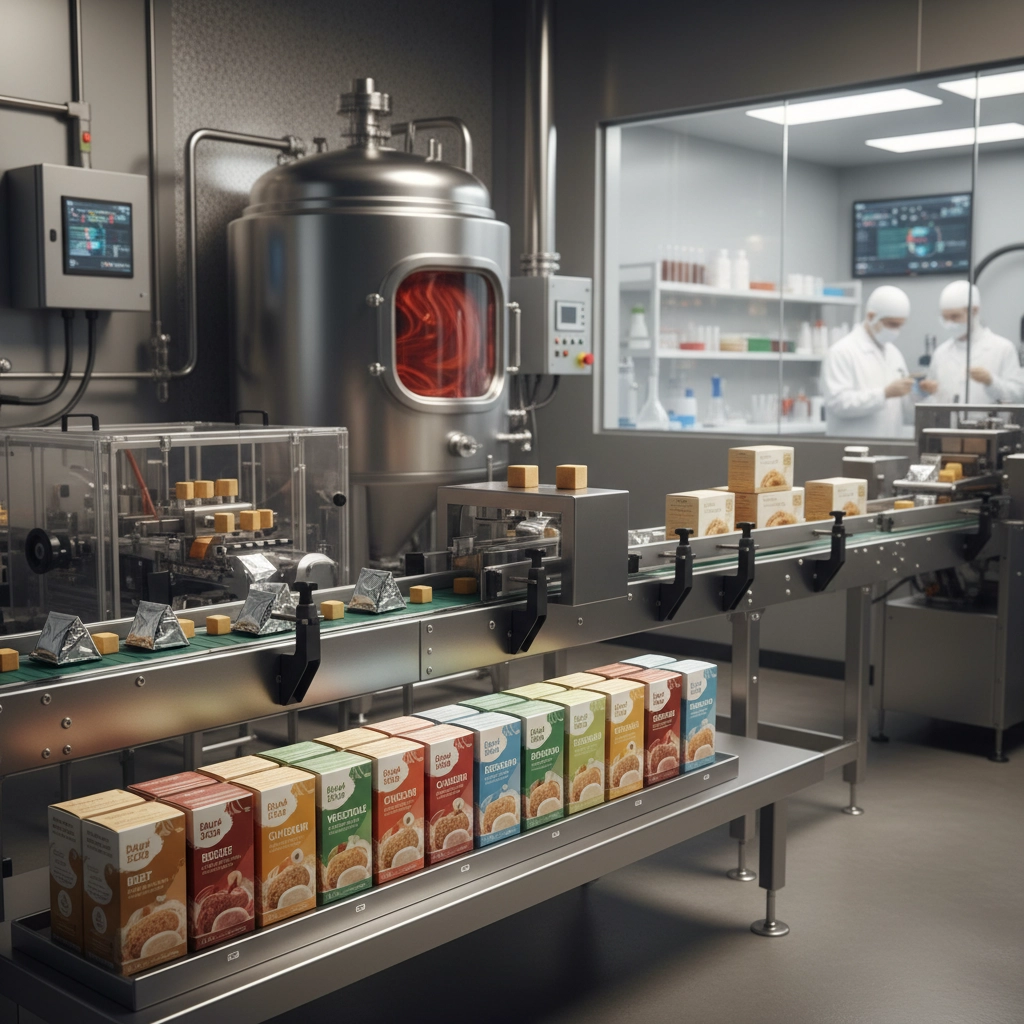
To truly answer msg what is it, we must look at the molecular level. MSG is composed of sodium and glutamate, a salt that is produced through the fermentation of starch or sugar. This process mirrors how many natural flavors are developed in fermented foods like aged cheeses or soy sauce, utilizing specific microbial strains to convert carbohydrates into glutamic acid.
In its pure form, it is a white crystalline powder that dissolves easily in water. Its primary function is to stimulate the glutamate receptors on the tongue, which signals the brain to perceive a savory, "meaty" flavor. This efficiency makes it an indispensable tool in the food additive sector, providing a concentrated source of flavor that is far more potent than bulk ingredients.
Global Industry Relevance and Demand
The global market for flavor enhancers is a multi-billion dollar industry, driven by the increasing consumption of convenience foods and the diversification of global diets. As emerging economies adopt more processed food standards, the demand for cost-effective solutions to maintain taste profiles has grown. Industry data suggests that the shift toward "clean label" products is actually pushing manufacturers to find higher-purity versions of glutamate to reduce overall additive volume.
One of the primary challenges addressed by this additive is the inconsistency of raw agricultural ingredients. Natural proteins can vary in glutamate levels based on soil quality and harvest timing. By integrating a standardized additive, manufacturers ensure that every batch of a product tastes identical, regardless of where the raw materials were sourced, which is critical for brand loyalty and consumer trust.
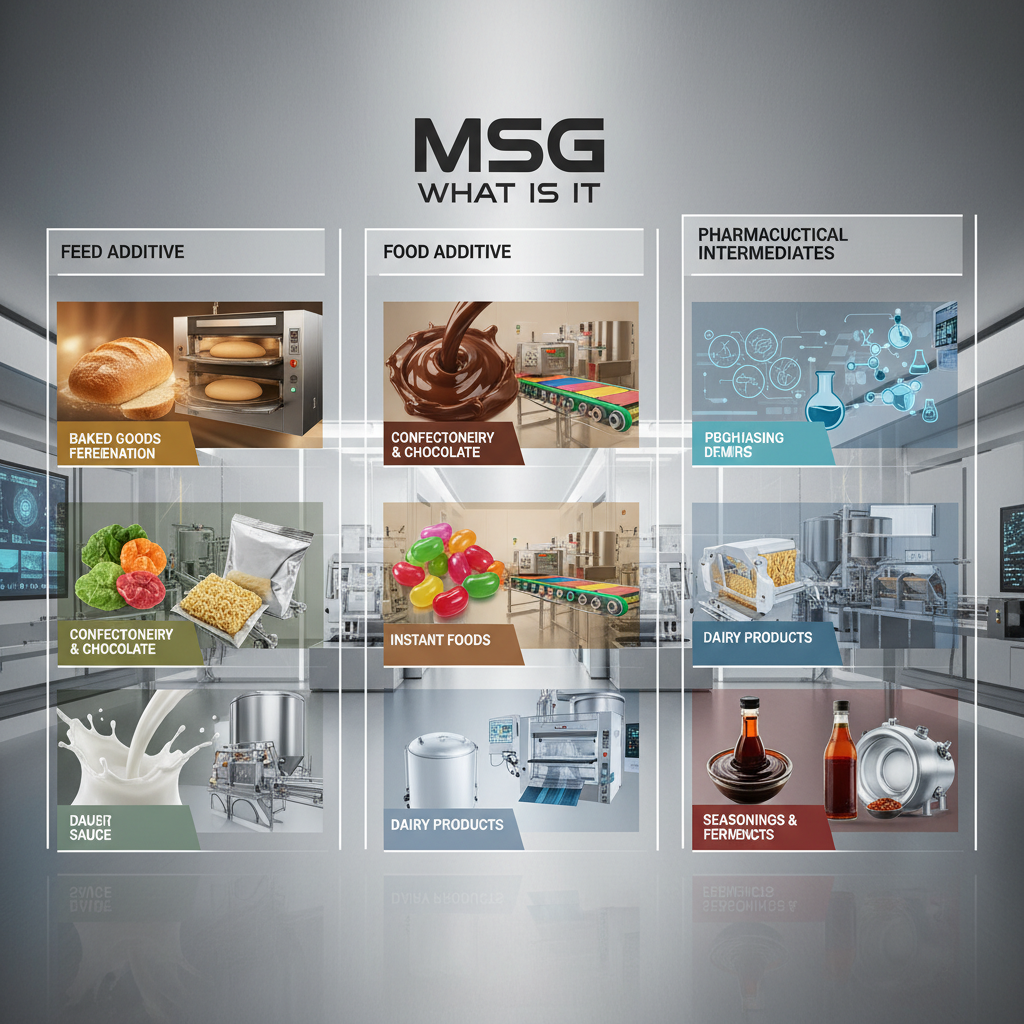
Furthermore, the integration of this additive into pharmaceutical intermediates and specialized feed additives has broadened its reach. It is no longer just a kitchen staple but a chemical building block used to optimize nutrition in animal feed and improve the stability of certain medicinal formulations, proving its versatility far beyond the dinner plate.
The Science of Umami and Taste Perception
When consumers ask msg what is it, they are often asking about the "umami" sensation. Umami, a Japanese term meaning "pleasant savory taste," is the biological response to L-glutamate. This taste serves as a biological signal that a food is rich in amino acids, which are the precursors to proteins, effectively guiding the human body toward nutrient-dense food sources.
The magic of msg what is it lies in its synergistic effect. When combined with nucleotides (like inosinate or guanylate), the perception of savoriness is not just added but multiplied. This allows food scientists to create deep, complex flavor profiles using a fraction of the ingredients typically required, optimizing both cost and nutritional density.
Modern sensory science has proven that the glutamate in MSG is processed by the body identically to the glutamate found in a tomato or a piece of Parmesan cheese. By understanding the physiology of taste receptors, the industry has been able to refine the application of these additives to avoid "over-saturation" while maximizing the sensory appeal of the final product.
Key Functional Advantages in Food Production
The primary commercial advantage of using this additive is its ability to reduce sodium intake without sacrificing flavor. Because glutamate triggers a strong savory response, manufacturers can reduce the amount of table salt (sodium chloride) by up to 40% while maintaining the same perceived saltiness. This addresses a critical global health challenge: the need to lower sodium consumption to combat hypertension and cardiovascular diseases.
Additionally, the scalability and cost-efficiency of the fermentation process make it a highly sustainable choice. Compared to extracting savory flavors from meat or expensive fungal sources, microbial fermentation is energy-efficient and produces a highly pure end-product that is stable during long-term storage and transport.
Comparative Performance of Flavor Enhancement Methods
Diverse Global Applications and Use Cases
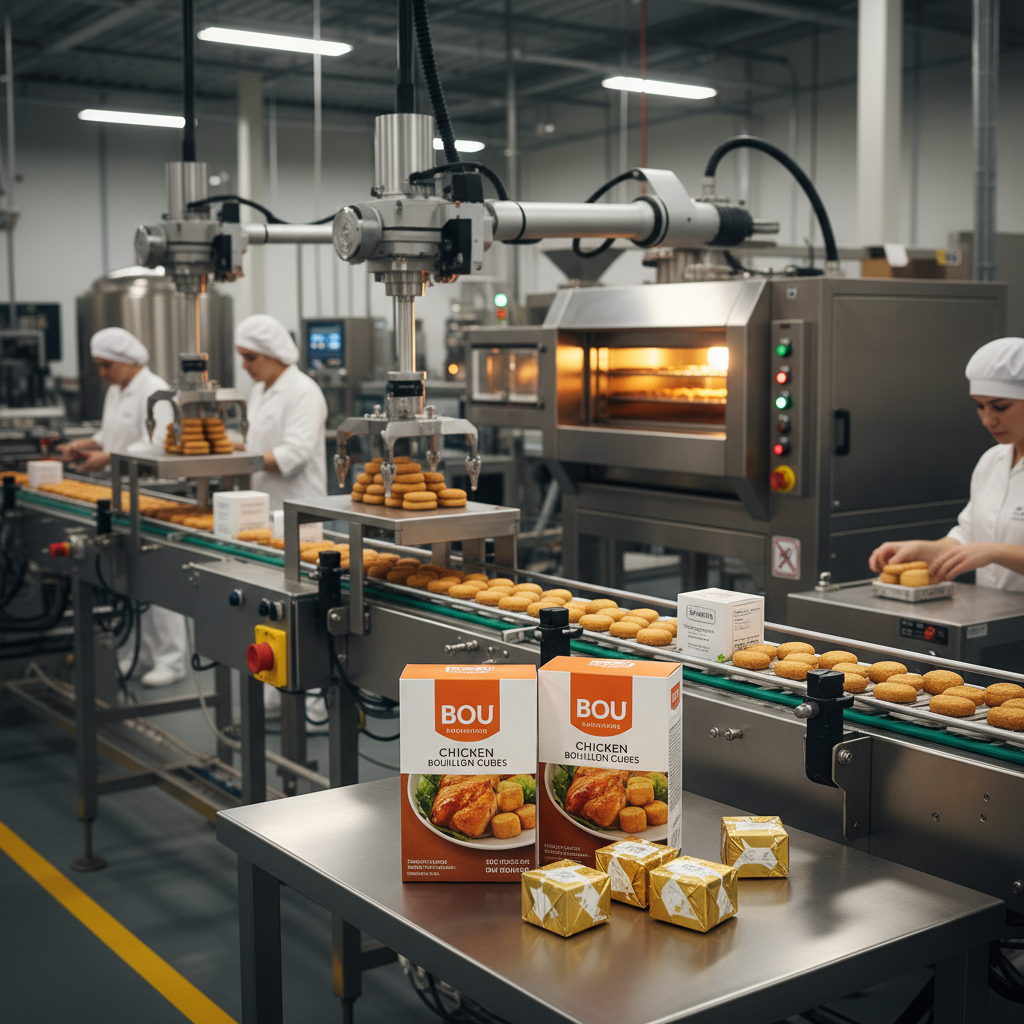
In real-world contexts, the application of glutamate varies by region and industry. In East Asia, it is a staple in everything from household seasonings to large-scale industrial soup production. In Western markets, it is more frequently used as a hidden ingredient in savory snacks, frozen dinners, and processed meats to ensure a consistent taste profile that appeals to a broad demographic.
Beyond the food sector, it finds critical use in animal nutrition. As a feed additive, it helps improve the palatability of livestock feed, encouraging better nutrient intake in young animals or those recovering from illness. In pharmaceutical contexts, glutamate intermediates are used in the synthesis of various medications, showcasing the chemical's role in improving human health from multiple angles.
Safety Standards and Regulatory Compliance
One of the most enduring challenges for the industry has been the "MSG Symptom Complex" myth. However, global health authorities, including the FDA (USA), EFSA (European Union), and JECFA (WHO/FAO), have consistently categorized msg what is it as "Generally Recognized as Safe" (GRAS). This classification is based on decades of double-blind, placebo-controlled studies showing no significant adverse effects in the general population when consumed in normal quantities.
Compliance is maintained through strict ISO and GMP standards during the manufacturing process. Modern production facilities employ advanced filtration and crystallization techniques to ensure that the final product is free from impurities, meeting the rigorous purity requirements of the pharmaceutical and food-grade sectors.
For companies importing these additives internationally, transparency in documentation—such as Certificates of Analysis (CoA) and Material Safety Data Sheets (MSDS)—is paramount. This regulatory rigor ensures that the additive remains a safe, reliable component of the global food supply chain.
Future Innovations in Taste Enhancement
The future of flavor enhancement is moving toward "precision fermentation." By using CRISPR and other gene-editing technologies, scientists are developing microbial strains that can produce L-glutamate more efficiently and with a lower carbon footprint. This digital transformation of biotech allows for a more sustainable production cycle, reducing the reliance on traditional sugar crops.
We are also seeing a trend toward "hybrid enhancers," where glutamate is combined with plant-based proteins to create a natural-identical flavor profile that satisfies the "clean label" demands of modern consumers. This innovation allows products to be marketed as "derived from natural fermentation" while retaining the technical performance of a pure additive.
As automation integrates into food processing, AI-driven flavor mapping is being used to determine the exact milligram of additive needed for specific demographics. This ensures that the sensory experience is optimized for the target market, reducing waste and enhancing the overall consumer experience.
Technical Analysis of Flavor Enhancer Performance and Sustainability
| Enhancer Type |
Taste Intensity (1-10) |
Production Cost |
Eco-Impact Score |
| Pure MSG |
10 |
Low |
High Efficiency |
| Yeast Extract |
7 |
Medium |
Medium |
| Hydrolyzed Vegetable Protein |
8 |
Low |
Medium |
| Natural Tomato Extract |
4 |
High |
Low (Waste Heavy) |
| Precision Ferment Glutamate |
10 |
Medium |
Very High |
| Mushroom Powder |
6 |
Medium-High |
High |
FAQS
Chemically, there is no difference. The glutamate in MSG is the same molecule found in tomatoes, mushrooms, and aged cheeses. The only difference is that MSG is a concentrated form of this amino acid combined with sodium to make it a stable, easy-to-use powder for food production.
MSG actually contains about two-thirds less sodium than table salt. For many people, replacing some of the table salt in their diet with MSG can help reduce overall sodium intake while maintaining the savory taste of their food, which may be beneficial for managing blood pressure.
Industrial MSG is produced through the fermentation of carbohydrates (such as sugar beet, sugar cane, or corn starch) using bacteria like Corynebacterium glutamicum. After fermentation, the glutamic acid is neutralized with sodium hydroxide and crystallized into the final powder form.
Yes, glutamate derivatives are often used as pharmaceutical intermediates. They serve as precursors for synthesizing various medications and are also studied for their role as neurotransmitters in the brain, making high-purity glutamate essential for medical research.
Most reported "MSG symptoms" have not been replicated in controlled scientific studies. However, some individuals may have a sensitivity to high doses of free glutamates on an empty stomach. When used in balanced food formulations, these reactions are extremely rare.
When sourcing, ensure the supplier provides a Certificate of Analysis (CoA) and adheres to ISO or GMP standards. It is important to verify that the product meets the food-grade purity levels required by your local regulatory body (such as the FDA or EFSA).
Conclusion
In summary, answering msg what is it reveals a complex intersection of chemistry, biology, and global commerce. Far from being a mere additive, Monosodium Glutamate is a scientifically validated tool that allows the food industry to balance flavor, reduce sodium levels, and maintain consistency across diverse product lines. From its microbial fermentation origins to its role in pharmaceutical intermediates, it remains one of the most versatile components in the modern additive arsenal.
Looking forward, the evolution toward precision fermentation and AI-driven sensory optimization will only increase the efficiency and sustainability of taste enhancers. For manufacturers, the key to success lies in leveraging these scientific advancements to create products that are both delicious and health-conscious. We encourage industry professionals to embrace a data-driven approach to flavor science to meet the evolving demands of the global consumer. Visit our website: www.chinaseasoning.com