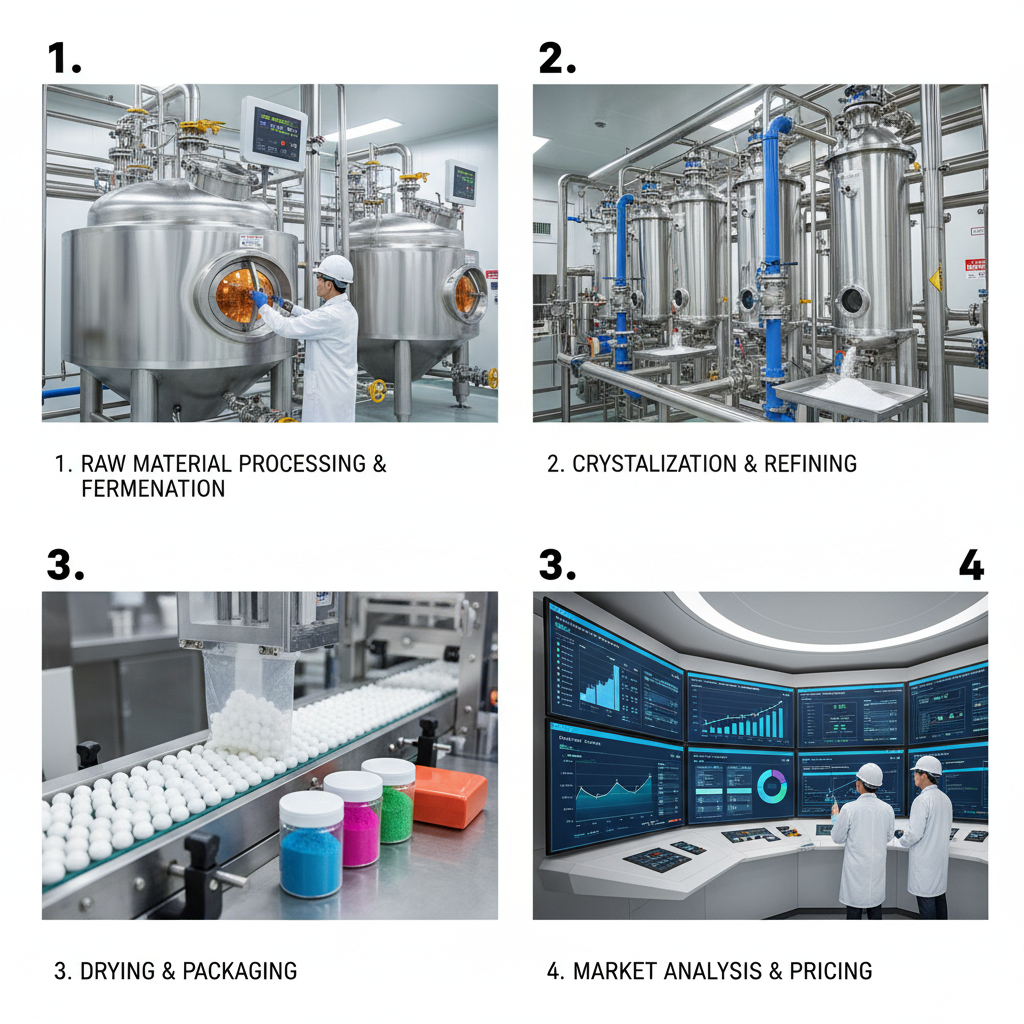
The global culinary landscape has been revolutionized by the convenience and versatility of concentrated seasonings, with bouillon cube flavors standing at the forefront of this transformation. These compact powerhouses of taste allow both professional chefs and home cooks to achieve complex, deep flavor profiles in a fraction of the time required for traditional stock reduction. By condensing essential proteins, salts, and aromatics, they provide a consistent baseline for soups, stews, and sauces across diverse cultural cuisines.
Understanding the science behind bouillon cube flavors is essential for food manufacturers and distributors looking to penetrate the modern fast-paced market. As consumer demand shifts toward "clean label" ingredients and ethnic authenticity, the formulation of these cubes has evolved from simple salt-based enhancers to sophisticated blends of yeast extracts, dehydrated vegetables, and natural flavor enhancers. This evolution ensures that the final product not only tastes authentic but also meets rigorous international food safety standards.
Ultimately, the strategic application of high-quality bouillon cube flavors enables the democratization of gourmet cooking. Whether used in high-end catering or as a critical nutrient-dense additive in humanitarian food aid, these flavor systems solve the problem of taste consistency and shelf-stability. By bridging the gap between industrial efficiency and gastronomic quality, they remain an indispensable tool in the global food additive industry.
Global Industry Context of Bouillon Cube Flavors
The global market for bouillon cube flavors has seen exponential growth, driven largely by the urbanization of populations in Asia and Africa and the rise of convenient meal kits in the West. According to food industry analysis, the demand for dehydrated seasonings is closely linked to the growth of the processed food sector, where consistency in flavor is non-negotiable. In many emerging economies, these cubes serve as an affordable alternative to fresh meat-based stocks, providing essential savory notes to daily meals.
However, the industry faces a significant challenge: balancing the high sodium content traditional to these products with the growing global health mandates from organizations like the WHO. This has pushed manufacturers to innovate, moving away from simple salt-loading toward the use of umami-rich yeast extracts and natural MSG alternatives to maintain the intense profile of bouillon cube flavors while reducing the health risks associated with excessive sodium intake.
Defining the Composition of Bouillon Cube Flavors
In simple technical terms, bouillon cube flavors are dehydrated, concentrated seasoning blocks composed of a mixture of salt, flavor enhancers, fats, and dehydrated organic matter. Unlike liquid stocks, these cubes are engineered for a long shelf life without the need for continuous refrigeration, making them a cornerstone of the food additive industry. They are designed to dissolve rapidly in hot water, releasing a complex bouquet of aromas and tastes that mimic hours of slow-simmering.
From a humanitarian perspective, these flavors are more than just kitchen conveniences. In post-disaster relief operations or regions with limited access to fresh produce, bouillon cubes provide a critical psychological and nutritional boost. By adding a familiar, savory taste to bland staples like rice or maize porridge, they improve the palatability of emergency rations, ensuring that displaced populations receive necessary caloric intake through appetizing meals.
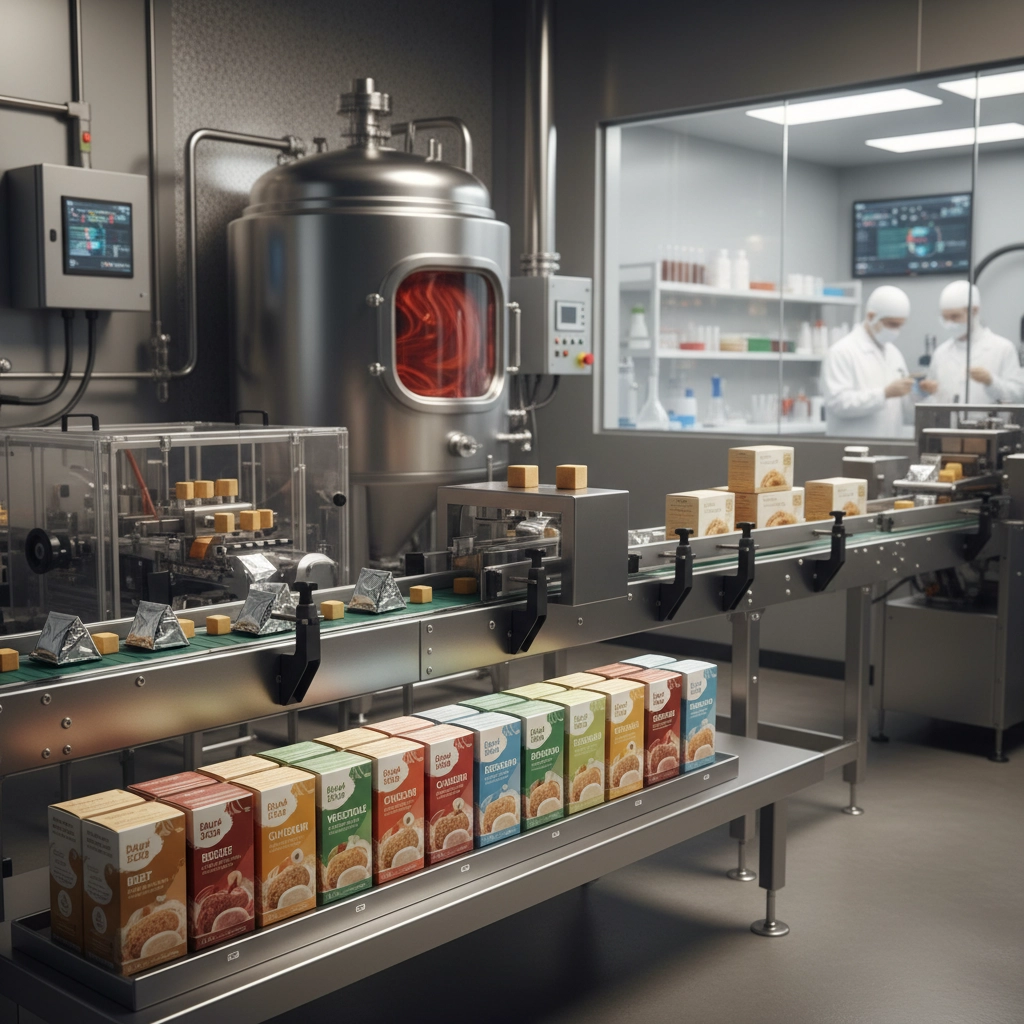
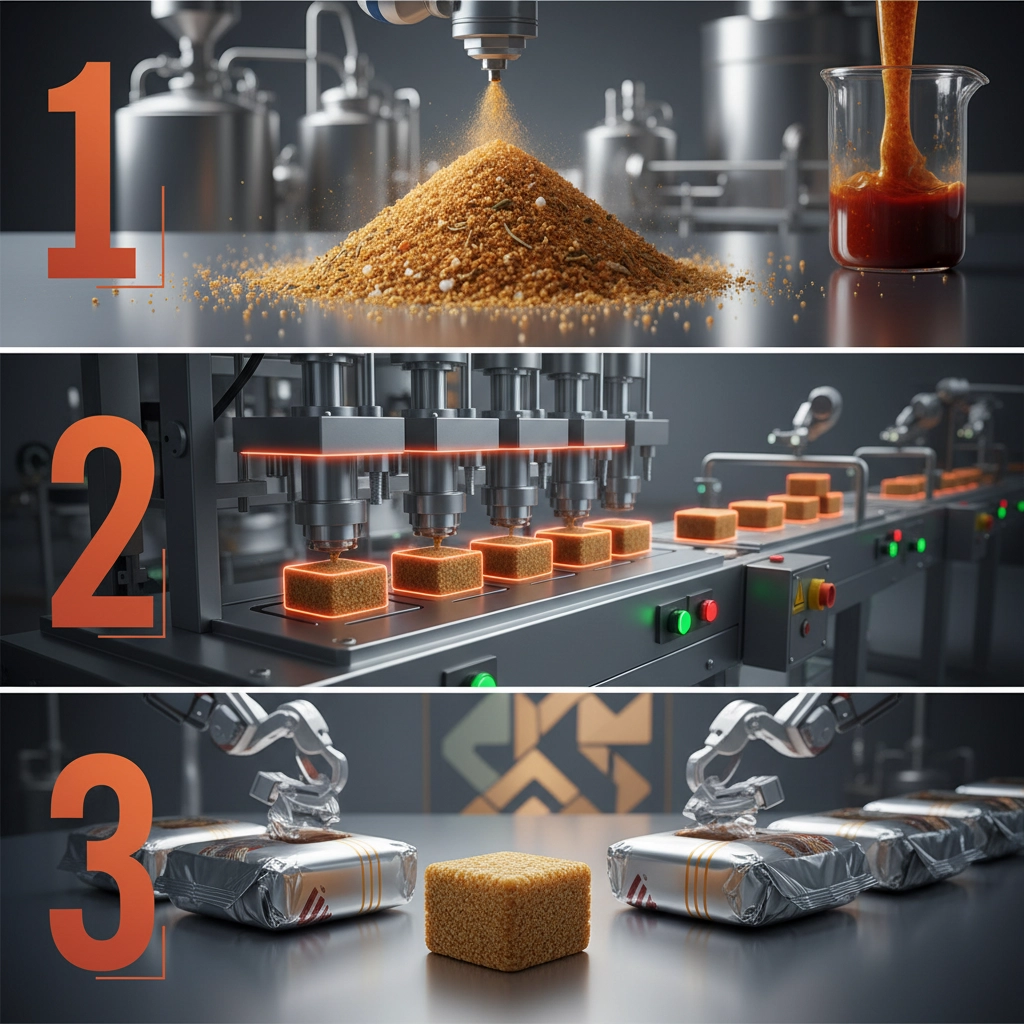
Modern industrial production of these flavors involves sophisticated spray-drying and granulation technologies. By controlling the particle size of the salt and the fat emulsification process, manufacturers can ensure that the bouillon cube flavors maintain their integrity during transport and storage, avoiding the common problem of "caking" or flavor degradation over time.
Core Components for Taste Stability
Achieving the perfect profile in bouillon cube flavors requires a meticulous balance of "The Five Tastes." While salt provides the foundation, the addition of glutamates (either naturally derived or synthetic) creates the deep umami sensation that consumers associate with high-quality meat stocks. This chemical synergy is what allows a small cube to flavor several liters of water effectively.
Fat content is another critical factor for bouillon cube flavors. The use of hydrogenated vegetable oils or animal fats not only carries the fat-soluble flavor compounds but also provides the "mouthfeel" and richness that prevents the broth from tasting thin or watery. The precision of the emulsification process determines how well the cube dissolves and how smoothly the fat disperses in the liquid.
Finally, the inclusion of dehydrated aromatics—such as onion, garlic, and parsley—adds the necessary top notes and visual appeal. These ingredients are often pre-treated to preserve their volatile oils, ensuring that when the bouillon cube flavors hit boiling water, the aroma is released instantaneously, simulating the experience of fresh cooking.
Global Applications and Market Use Cases
The application of bouillon cube flavors extends far beyond the home kitchen. In the commercial food service industry, they are used as "base notes" for large-scale catering, allowing kitchens to maintain flavor consistency across thousands of servings. In regions like West Africa, bouillon cubes have become a cultural staple, integrated into the traditional preparation of Jollof rice and various stews, where they are valued for their intensity and reliability.
Furthermore, in remote industrial zones or military deployments, these concentrated flavors are essential. Because they are lightweight and resistant to temperature fluctuations, they reduce the logistical burden of transporting heavy liquid bases. By utilizing advanced bouillon cube flavors, logistics managers can provide high-quality nutrition to personnel in the most challenging environments on earth.
Comparative Performance of Bouillon Cube Flavor Methods
Long-Term Value and Economic Advantages
From an economic standpoint, the value of bouillon cube flavors lies in the drastic reduction of waste and storage costs. Traditional stock production involves hours of energy use and results in significant protein loss during the reduction process. In contrast, these concentrated additives provide a standardized cost-per-serving, allowing food businesses to predict their margins with surgical precision.
Beyond the balance sheet, there is a profound emotional value in the reliability of these flavors. For many, a specific brand of bouillon evokes childhood memories or cultural identity. By investing in high-quality, consistent bouillon cube flavors, manufacturers build deep trust with their consumers, ensuring brand loyalty through the sensory experience of taste and smell.
Future Trends in Flavor Innovation
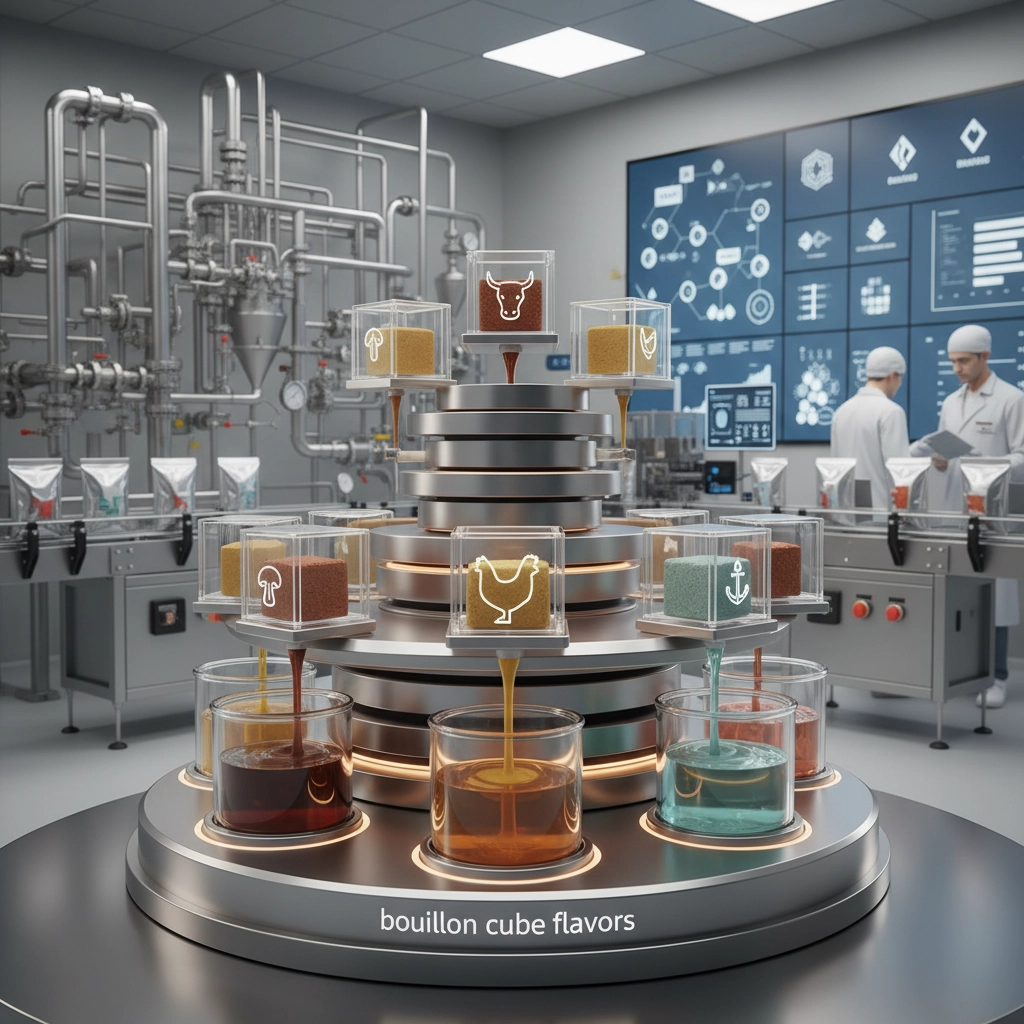
The future of bouillon cube flavors is being shaped by the "Green Revolution" in food science. We are seeing a rapid shift toward plant-based and vegan-certified bouillon, utilizing fermented mushrooms and algae to replicate the savory depth of beef or chicken. This transition not only appeals to the growing vegan demographic but also aligns with global sustainability goals to reduce the environmental impact of livestock farming.
Digital transformation is also entering the lab. AI-driven flavor profiling is now used to analyze thousands of consumer taste preferences across different regions, allowing manufacturers to create "hyper-local" bouillon cube flavors. For example, a cube designed for the Southeast Asian market may have a higher concentration of lemongrass and ginger, while a European version focuses on thyme and bay leaf, all while maintaining the same core industrial base.
Automation in the production line is further enhancing quality control. Real-time sensors can now detect the exact moisture content and salt distribution within each cube, ensuring that every single unit delivered to the consumer is identical. This level of precision is critical for maintaining the E-E-A-T (Experience, Expertise, Authoritativeness, and Trustworthiness) standards that global food distributors demand.
Technical Challenges and Formulation Solutions
One of the most persistent challenges in the production of bouillon cube flavors is the prevention of oxidation. Because these cubes contain fats, they are susceptible to becoming rancid if exposed to air and light. To solve this, manufacturers are increasingly moving toward vacuum-sealed foil packaging and the inclusion of natural antioxidants, such as rosemary extract, which extend shelf life without the need for synthetic preservatives.
Another hurdle is the "salt-reduction paradox": how to lower sodium without losing the characteristic "punch" of the flavor. Expert formulation now involves the use of potassium chloride and the amplification of umami through yeast autolysis. This allows the bouillon cube flavors to maintain their sensory impact while catering to health-conscious consumers and medical dietary requirements.
Finally, achieving a clean dissolve without leaving grit or clumps requires optimized granulation. By utilizing a process called "agglomeration," manufacturers can create particles that are more porous, allowing water to penetrate the cube faster. This technical refinement ensures a seamless user experience, from the moment the cube is dropped into the pot to the final taste of the broth.
Analysis of Technical Formulation and Quality Dimensions in Bouillon Cube Flavors
| Formulation Focus |
Technical Challenge |
Innovation Solution |
Impact Score (1-10) |
| Sodium Reduction |
Loss of salty "bite" |
Potassium Chloride & Yeast Extract |
9 |
| Shelf Stability |
Lipid Oxidation/Rancidity |
Rosemary Extract & Vacuum Foil |
8 |
| Dissolution Rate |
Clumping in cold water |
Advanced Fluid-Bed Agglomeration |
7 |
| Umami Depth |
Flat, one-dimensional taste |
Multi-stage Enzyme Hydrolysis |
10 |
| Clean Label |
Synthetic additive rejection |
Natural Vegetable Powders |
8 |
| Cost Efficiency |
Raw material price volatility |
Optimized Blend Ratios |
7 |
FAQS
Industrial bouillon cube flavors are engineered for stability, consistency, and shelf-life. They use dehydrated proteins and flavor enhancers (like yeast extracts) that allow them to be stored at room temperature for years, whereas home-made stocks are fresh, perishable, and vary in taste every time they are made.
The most effective way is to replace a portion of the sodium chloride with potassium chloride and increase the concentration of umami-rich ingredients like mushroom powder or hydrolyzed vegetable protein. This tricks the palate into perceiving a "fuller" taste even with less salt.
Yes, by using fermented soy, nutritional yeast, and specific mushroom blends (such as Shiitake), manufacturers can replicate the savory "meatiness" of traditional bouillon. These vegan versions are currently seeing a massive surge in global demand.
When stored in airtight, light-proof packaging, high-quality bouillon cube flavors can last between 18 to 36 months. The primary limiting factor is the oxidation of the fats, which is why vacuum packaging is highly recommended.
Ensure that the product complies with the destination country's food safety regulations (such as FDA or EFSA). Proper HS coding for "seasoning preparations" and detailed certificates of analysis (CoA) are essential for smooth customs clearance.
Absolutely. Many food manufacturers use crushed bouillon cubes as dry rubs for meats, flavor enhancers for snack foods, or as a seasoning base for pasta and rice mixes, providing a concentrated punch of flavor without adding excess moisture.
Conclusion
In summary, bouillon cube flavors represent a perfect intersection of food chemistry and consumer convenience. From their role in stabilizing the costs of commercial kitchens to their critical importance in global humanitarian aid, these concentrated seasonings provide an indispensable solution for flavor delivery. By balancing the technical requirements of shelf-stability, dissolution, and umami depth, the industry has created a product that transcends cultural and economic boundaries.
Looking forward, the evolution toward plant-based formulations and sodium-reduced profiles will only increase the relevance of these additives. As the global population grows and the demand for sustainable, high-quality food increases, the innovation in bouillon cube flavors will continue to drive the food industry toward a more efficient and inclusive future. For those seeking world-class seasoning solutions, we invite you to explore our professional range. Visit our website: www.chinaseasoning.com