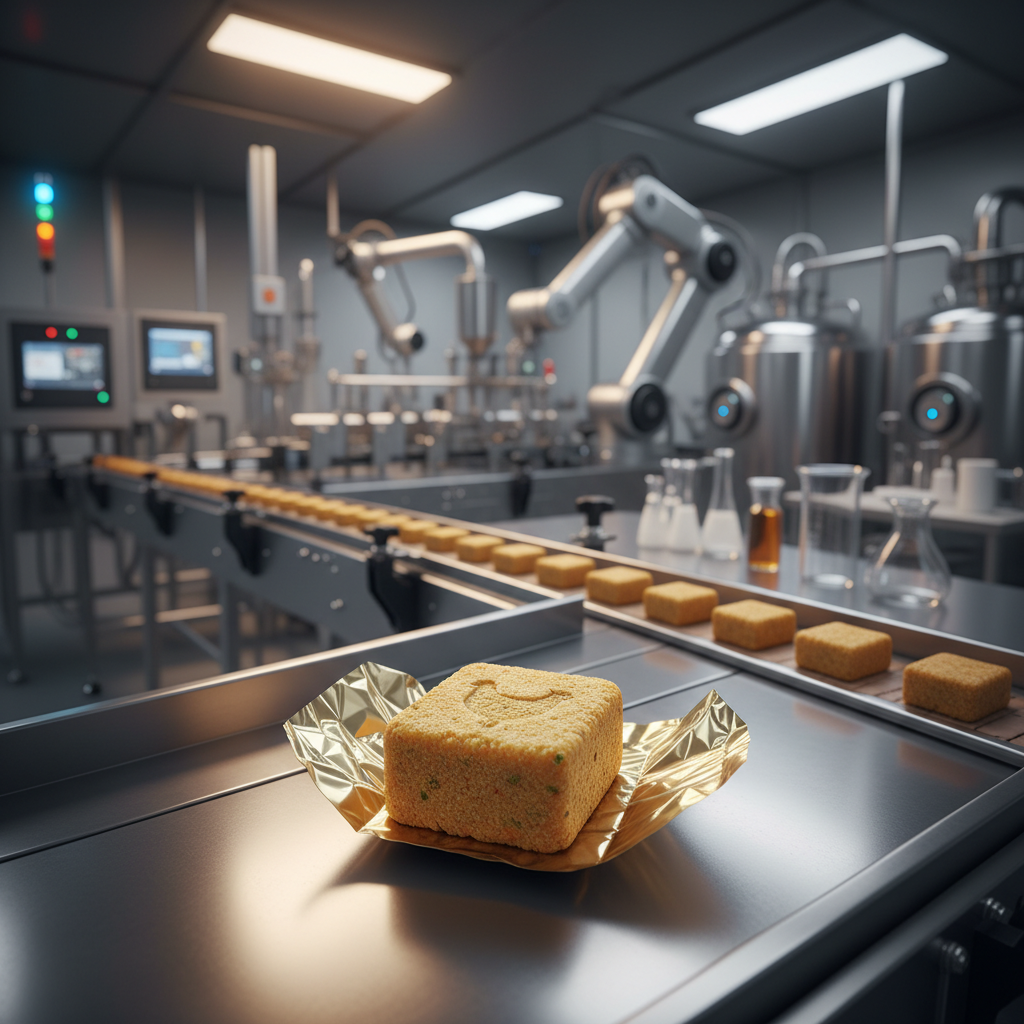
The modern culinary landscape relies heavily on efficiency and consistency, and the flavored bouillon cube stands as a cornerstone of this evolution. By condensing complex flavor profiles into a convenient, shelf-stable format, these cubes allow both home cooks and industrial food processors to achieve professional-grade taste without the exhaustive labor of simmering stocks for hours.
Globally, the demand for concentrated seasoning is driven by a fast-paced lifestyle and the need for standardized taste across different geographic regions. From the bustling kitchens of urban centers to large-scale food manufacturing plants, the integration of a high-quality flavored bouillon cube ensures that essential savory notes are delivered consistently, reducing waste and optimizing production costs.
Understanding the science behind these products—ranging from the precise balance of salt and umami to the advanced dehydration techniques—is crucial for businesses looking to scale their offerings. As the industry shifts toward cleaner labels and sustainable sourcing, the evolution of the bouillon cube reflects broader trends in food technology and nutritional science.
Global Market Dynamics of Flavored Bouillon Cubes
The global appetite for concentrated seasonings has seen a steady climb, with market data suggesting a significant CAGR in the processed condiments sector. The flavored bouillon cube has transitioned from a basic kitchen staple to a strategic asset in the food additive industry, enabling rapid flavor deployment in diverse culinary traditions from Asia to Latin America.
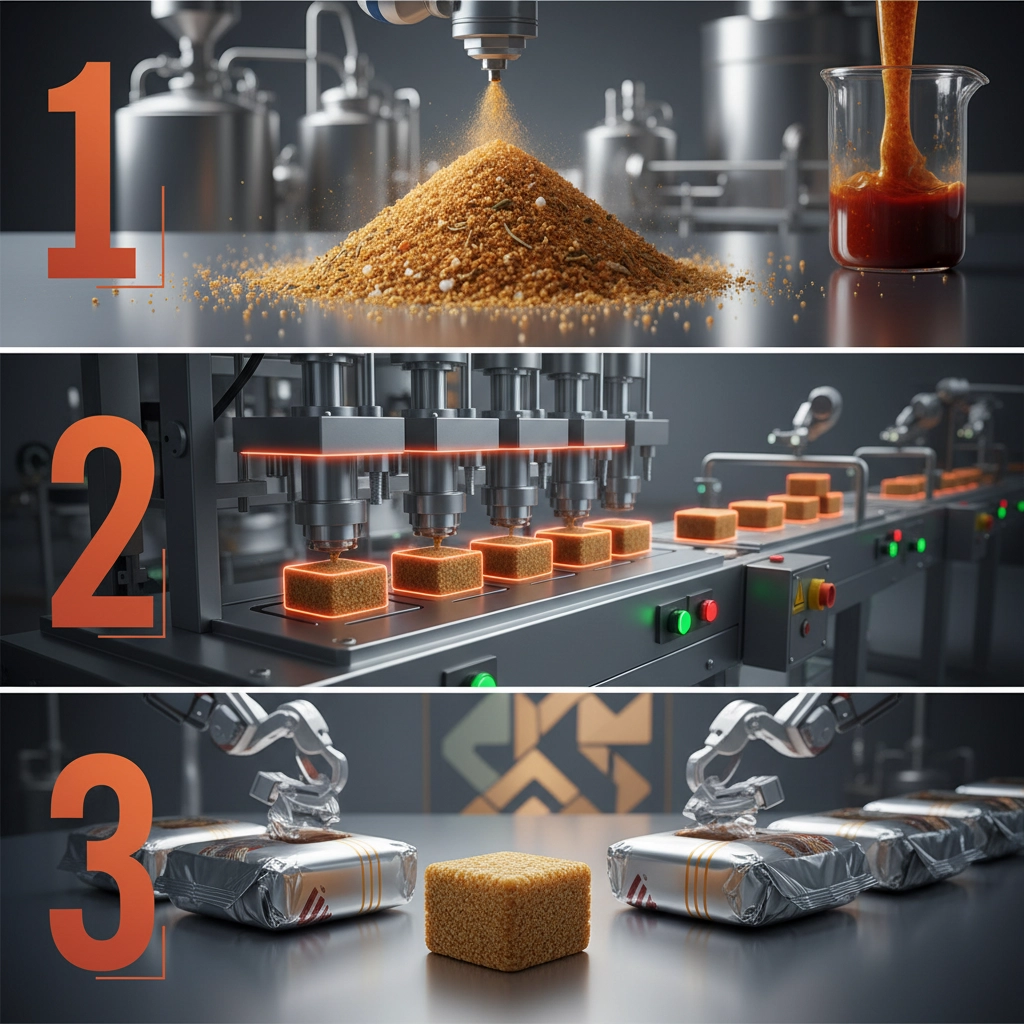
Challenges such as supply chain volatility and the rising cost of raw materials have pushed manufacturers to innovate. By utilizing advanced spray-drying and granulation technologies, producers are now able to maintain the potency of a flavored bouillon cube while reducing the overall volume of preservatives, meeting the stringent ISO standards required for international trade.
The Technical Definition and Composition
At its core, a flavored bouillon cube is a dehydrated concentrate of stock, salt, and flavor enhancers, compressed into a precise geometric form for measured dosage. Unlike liquid bases, these cubes utilize a combination of maltodextrin, vegetable fats, and hydrolyzed proteins to encapsulate flavor, ensuring that the aromatic compounds remain dormant until they contact boiling water.
From an industrial perspective, the composition must be meticulously balanced to prevent "caking" or moisture absorption. The use of anti-caking agents and precise lipid ratios ensures that each flavored bouillon cube dissolves uniformly, providing a consistent salinity and flavor profile regardless of the water quality in the end-user's region.
Furthermore, the intersection of food chemistry and humanitarian aid has highlighted the importance of these products. In disaster relief operations, bouillon cubes serve as an essential tool for enhancing the palatability and nutrient density of basic grains, proving that the flavored bouillon cube is as much a tool for survival and dignity as it is for gourmet cooking.
Core Components for Quality Control
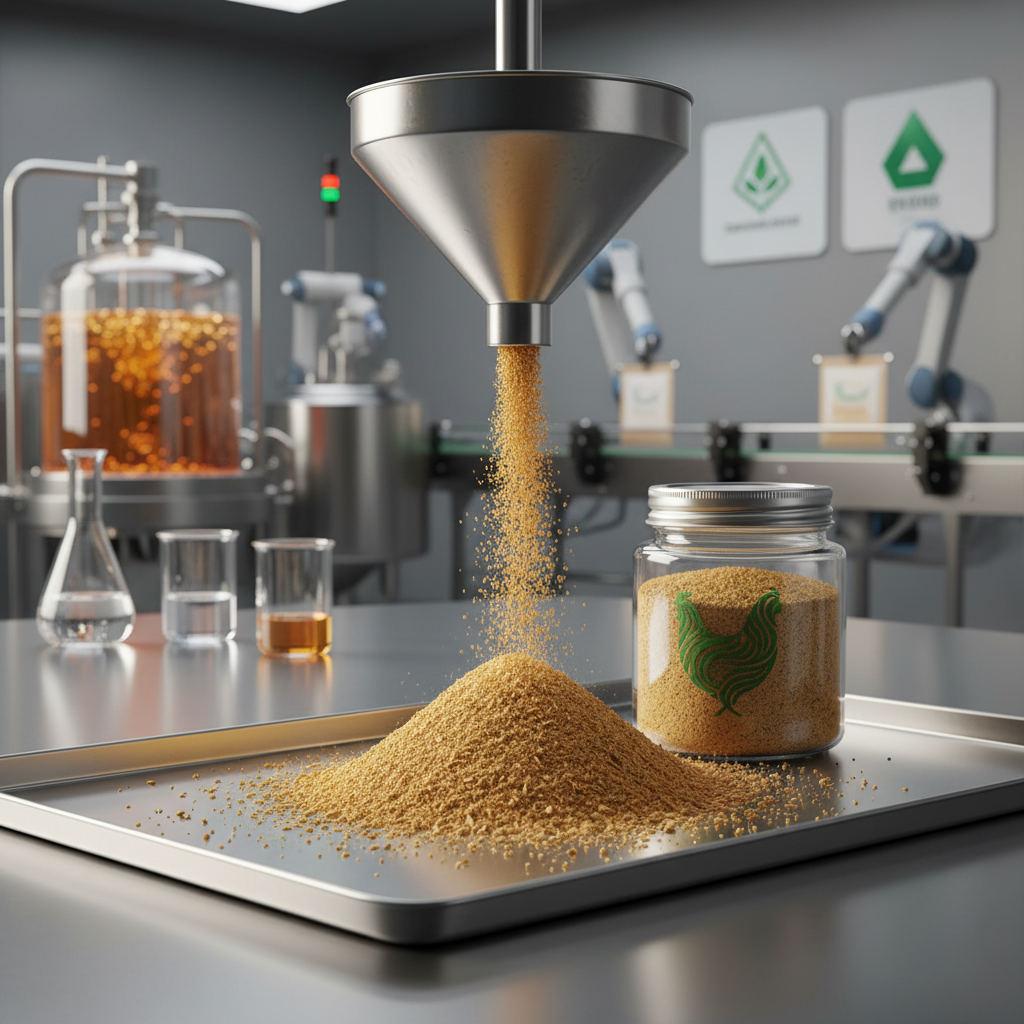
The integrity of a flavored bouillon cube depends first on the purity of its salt and flavor bases. High-grade sodium chloride and precisely extracted yeast extracts form the backbone of the umami profile, ensuring that the product tastes authentic and deep rather than artificially sharp.
Scalability is another critical factor; a flavored bouillon cube must be produced in batches of millions while maintaining a variance of less than 1% in flavor intensity. This requires automated dosing systems and real-time sensory analysis during the compression stage.
Finally, durability and shelf-life are achieved through moisture control. By optimizing the water activity (Aw) level, manufacturers can ensure the flavored bouillon cube remains stable for up to 24 months without the need for excessive synthetic preservatives, aligning with the global shift toward "Clean Label" ingredients.
Industrial Applications and Efficiency
In commercial food production, the use of a flavored bouillon cube allows for the drastic reduction of storage space and energy costs. Instead of transporting heavy liquid stocks, factories can store concentrated cubes, reducing the carbon footprint associated with logistics and eliminating the need for refrigerated transport for the base seasoning.
Moreover, these cubes are integral to the "instant" food sector, where precise flavor delivery is mandatory for consumer satisfaction. By integrating a flavored bouillon cube into pre-packaged meal kits or industrial soups, brands can guarantee a uniform taste experience across different global markets.
Efficiency Comparison of Seasoning Delivery Methods
Strategic Advantages in Food Logistics
One of the primary advantages of the flavored bouillon cube is its impact on the "last-mile" of food distribution. In remote industrial zones or regions with underdeveloped cold-chain infrastructure, the room-temperature stability of these cubes ensures that high-quality flavoring agents reach the end-user without degradation.
From a financial perspective, the density of the flavored bouillon cube minimizes packaging waste and maximizes shipping container utilization. This cost-efficiency allows manufacturers to invest more in the quality of raw ingredients, such as organic herbs or premium beef extracts, without increasing the final retail price significantly.
Sustainability and Green Manufacturing
The shift toward sustainability is redefining how a flavored bouillon cube is manufactured. Leading companies are now implementing closed-loop water systems during the extraction phase and switching to biodegradable foil packaging to reduce the environmental impact of single-use plastics.
Furthermore, the industry is exploring the use of upcycled ingredients. For example, vegetable scraps from other food processing lines are being converted into nutrient-rich powders that enhance the depth of the flavored bouillon cube, creating a circular economy within the factory walls.
Energy consumption is also being addressed through the adoption of vacuum-drying technology, which requires lower temperatures than traditional evaporation. This not only protects the volatile aromatic compounds of the flavored bouillon cube but also reduces the overall carbon emissions of the production facility.
Future Innovations in Seasoning Technology
Looking ahead, the flavored bouillon cube is poised for a digital transformation. Smart manufacturing, powered by AI, is being used to predict flavor trends and automatically adjust the ingredient ratios in real-time to match regional preferences, ensuring the product always stays relevant to the consumer.
We are also seeing the rise of "functional" bouillon. Future iterations of the flavored bouillon cube will likely incorporate fortified vitamins, minerals, or probiotics, transforming a simple seasoning tool into a vehicle for health and wellness, especially in underserved populations.
Finally, the integration of precision fermentation is allowing for the creation of "animal-free" savory profiles. This technology enables the production of a flavored bouillon cube that tastes identical to traditional beef or chicken stock but is entirely plant-based and sustainable.
Comparison of Future Bouillon Technology Trends
| Innovation Trend |
Technical Impact |
Market Potential |
Sustainability Score |
| Precision Fermentation |
Animal-free Umami |
Very High |
10/10 |
| Fortified Nutrition |
Added Micronutrients |
High |
8/10 |
| AI-Driven Flavoring |
Regional Customization |
Medium |
7/10 |
| Biodegradable Film |
Zero Plastic Waste |
High |
10/10 |
| Cold-Press Drying |
Aroma Preservation |
Medium |
9/10 |
| Low-Sodium Alternatives |
Potassium Substitution |
Very High |
8/10 |
FAQS
A professional flavored bouillon cube is engineered for stability and consistency. While home-made stock varies by batch, industrial cubes use precise concentrations of umami-rich extracts and standardized salt levels. This ensures that whether you are in a kitchen in New York or Tokyo, the taste profile remains identical, providing the reliability needed for commercial food scaling.
When stored in a cool, dry place and sealed in moisture-proof packaging, a high-quality flavored bouillon cube typically maintains its full aromatic profile for 18 to 24 months. The key is the low water activity level achieved during the dehydration process, which prevents oxidation and microbial growth.
Yes, modern food technology allows for the creation of low-sodium flavored bouillon cubes by substituting a portion of the sodium chloride with potassium salts or enhancing the umami depth through increased yeast extracts and mushroom powders. This allows the product to remain flavorful while catering to health-conscious consumers.
Absolutely. In fact, the flavored bouillon cube format is highly preferred in large-scale production because it is easier to dose, store, and transport than liquid equivalents. It is commonly used as a base for instant soups, sauces, and pre-packaged meal components.
Achieving a clean label for a flavored bouillon cube involves replacing synthetic MSG with natural flavor enhancers like hydrolyzed vegetable protein and substituting artificial colors with natural extracts like turmeric or paprika. This requires a deeper understanding of ingredient synergy to maintain the same taste intensity.
Importing flavored bouillon cubes requires adherence to the destination country's food safety regulations (such as FDA or EFSA). Most reputable manufacturers provide complete MSDS (Material Safety Data Sheets) and Certificates of Analysis (COA) to streamline the customs and quality verification process.
Conclusion
The flavored bouillon cube is far more than a simple kitchen convenience; it is a sophisticated product of food engineering that balances chemistry, logistics, and culinary art. From its role in reducing industrial waste and carbon footprints to its ability to provide consistent flavor in the most remote corners of the globe, its value proposition is clear. By integrating high-quality ingredients with sustainable manufacturing practices, the industry continues to prove that efficiency does not have to come at the expense of taste.
As we look toward a future of plant-based proteins and functional nutrition, the evolution of these concentrates will only accelerate. For businesses and food producers, investing in superior seasoning technology is not just about flavor—it is about scalability, reliability, and meeting the evolving demands of a global consumer base. To explore high-grade solutions and partner with industry leaders, visit our website: www.chinaseasoning.com.