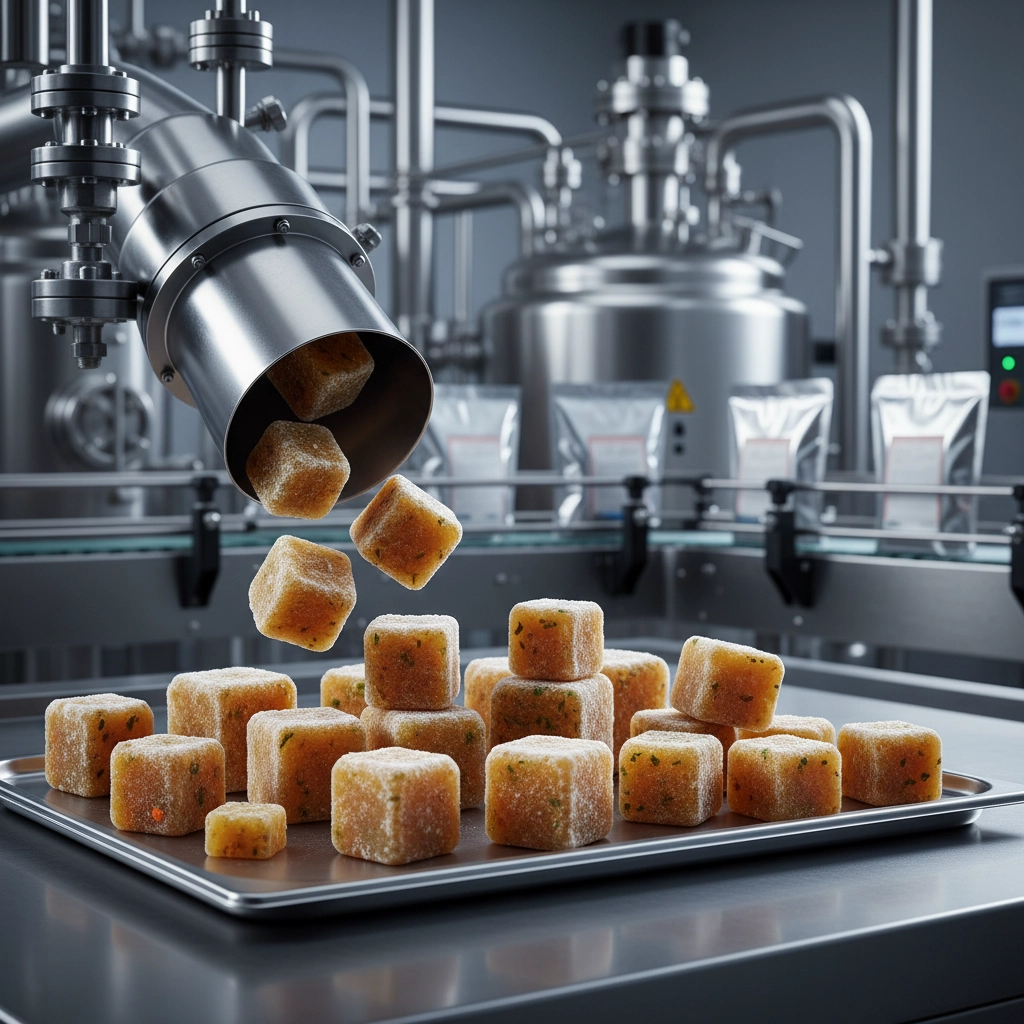
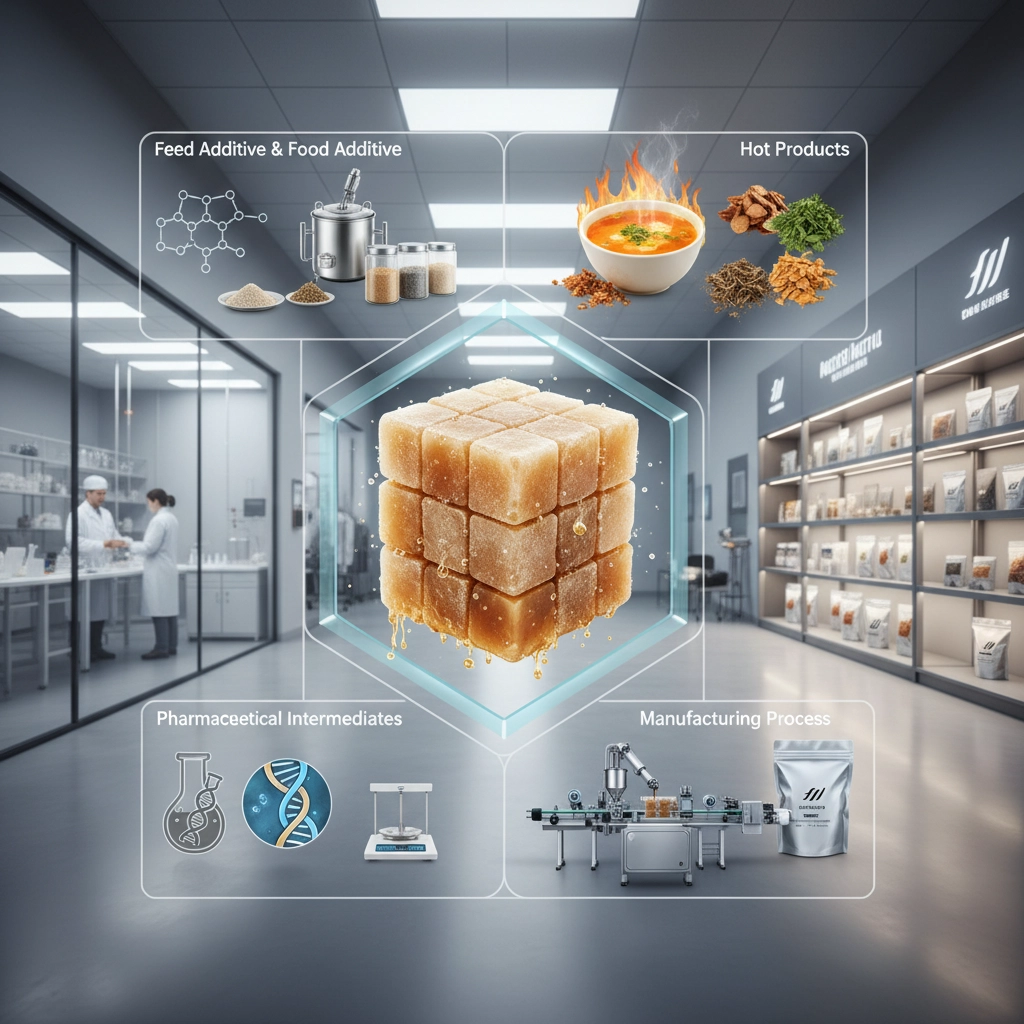
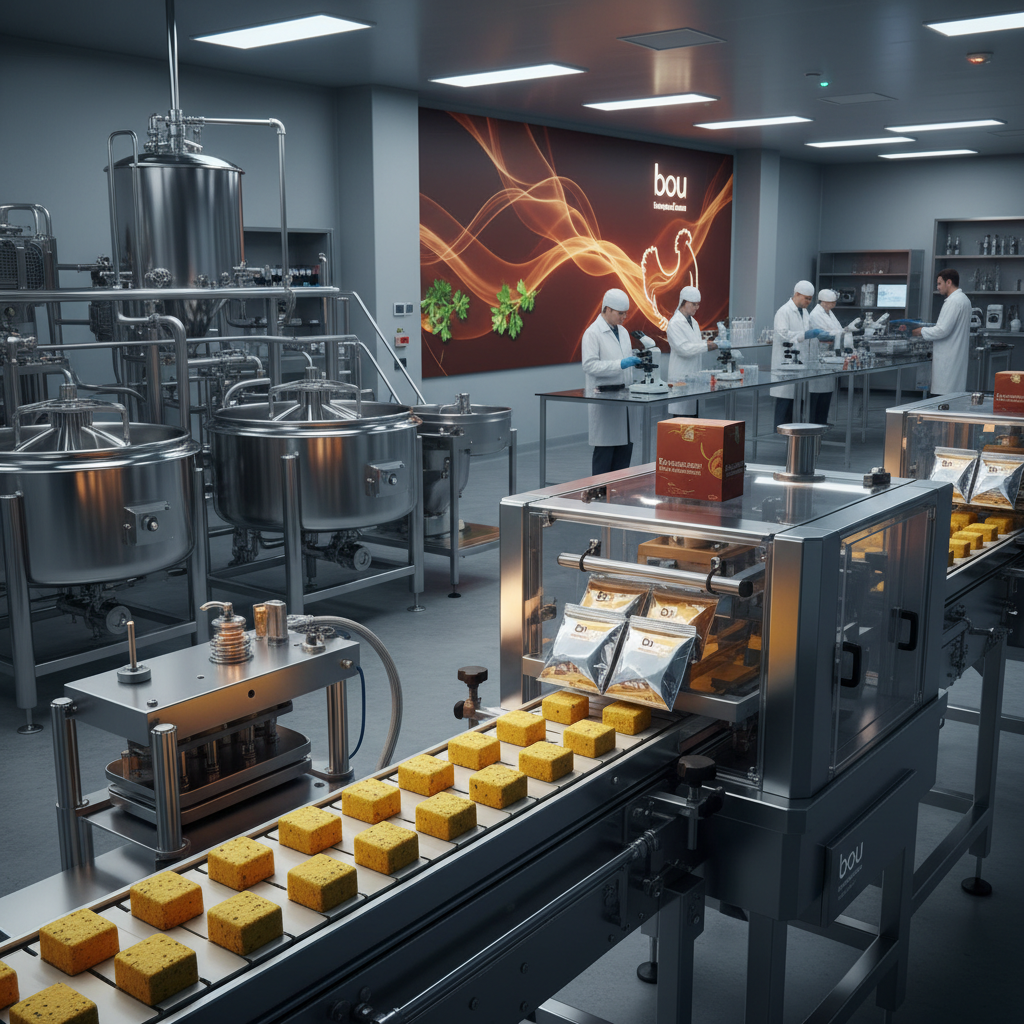
In the rapidly evolving landscape of the global food industry, frozen broth cubes have emerged as a pivotal innovation for both commercial kitchens and home cooks. By condensing rich, savory flavors into a precise, frozen format, these cubes eliminate the labor-intensive process of simmering bones and aromatics for hours, providing a streamlined solution for consistent taste profiles.
The global shift toward convenience without compromising nutritional integrity has pushed the demand for high-quality frozen broth cubes to new heights. As food manufacturers integrate advanced flash-freezing technologies, the ability to preserve volatile flavor compounds and essential nutrients remains a key competitive advantage in the food additive sector.
Understanding the technical composition and application of these cubes is essential for businesses looking to scale their production or enhance their product offerings. From reducing waste in industrial food processing to enabling rapid gourmet meal preparation, the strategic implementation of frozen broth concentrates is redefining efficiency in modern gastronomy.
Global Industry Context of Frozen Broth Cubes
The global market for concentrated flavor bases has seen a significant transition toward frozen formats. According to industry trends aligned with ISO quality standards, the demand for clean-label ingredients has forced a move away from dehydrated powders—which often rely on heavy sodium and artificial anti-caking agents—toward frozen broth cubes that maintain a more natural state.
One of the primary challenges the industry faces is the "flavor degradation" associated with traditional canning or drying. By employing rapid freezing techniques, manufacturers can "lock in" the aromatic profiles of fresh vegetables and meats, solving the problem of taste loss and providing a product that behaves almost identically to a fresh-made stock when melted.
Defining the Essence of Frozen Broth Cubes
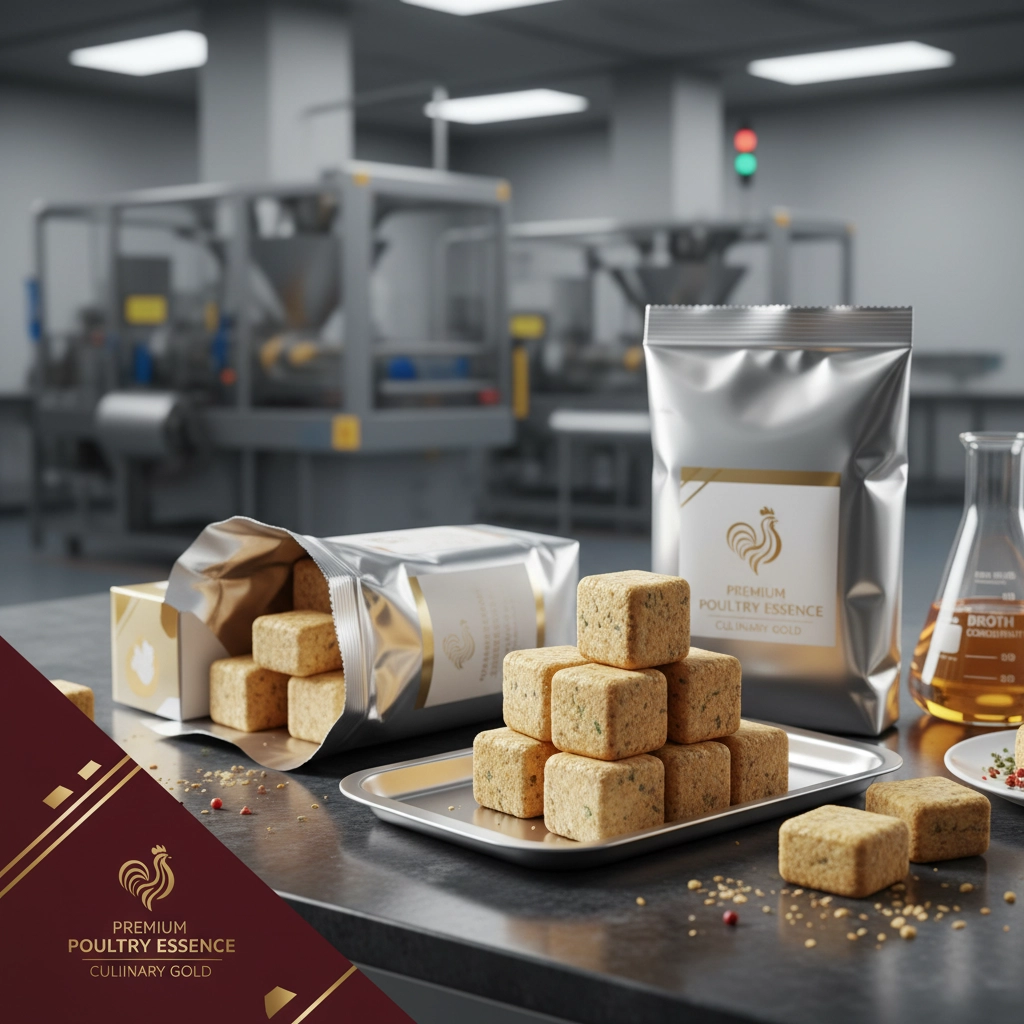
In simple terms, frozen broth cubes are highly concentrated flavor bases composed of reduced stocks, fats, and seasonings, portioned into precise cubes and flash-frozen. Unlike bouillon cubes, which are primarily salt and starch, these frozen alternatives are designed to deliver a rich, mouth-feel and a depth of flavor that mirrors traditional long-simmered broths.
From an industrial perspective, these cubes act as a standardized "flavor module." This means a chef in New York and a kitchen manager in Tokyo can achieve the exact same taste profile by using the same quantity of cubes, effectively removing the human error associated with traditional stock reduction.
Moreover, in the context of humanitarian aid and remote industrial zones, these cubes provide a nutrient-dense, easy-to-transport source of flavor and essential minerals. They bridge the gap between gourmet culinary standards and the logistical necessity of long-term storage in cold-chain environments.
Key Components for Maximum Flavor Stability
The efficacy of frozen broth cubes depends heavily on the synergy between the base protein and the stabilizing agents. High-quality collagen and gelatin extracted from natural sources provide the necessary viscosity, ensuring the cube does not separate during the thawing process.
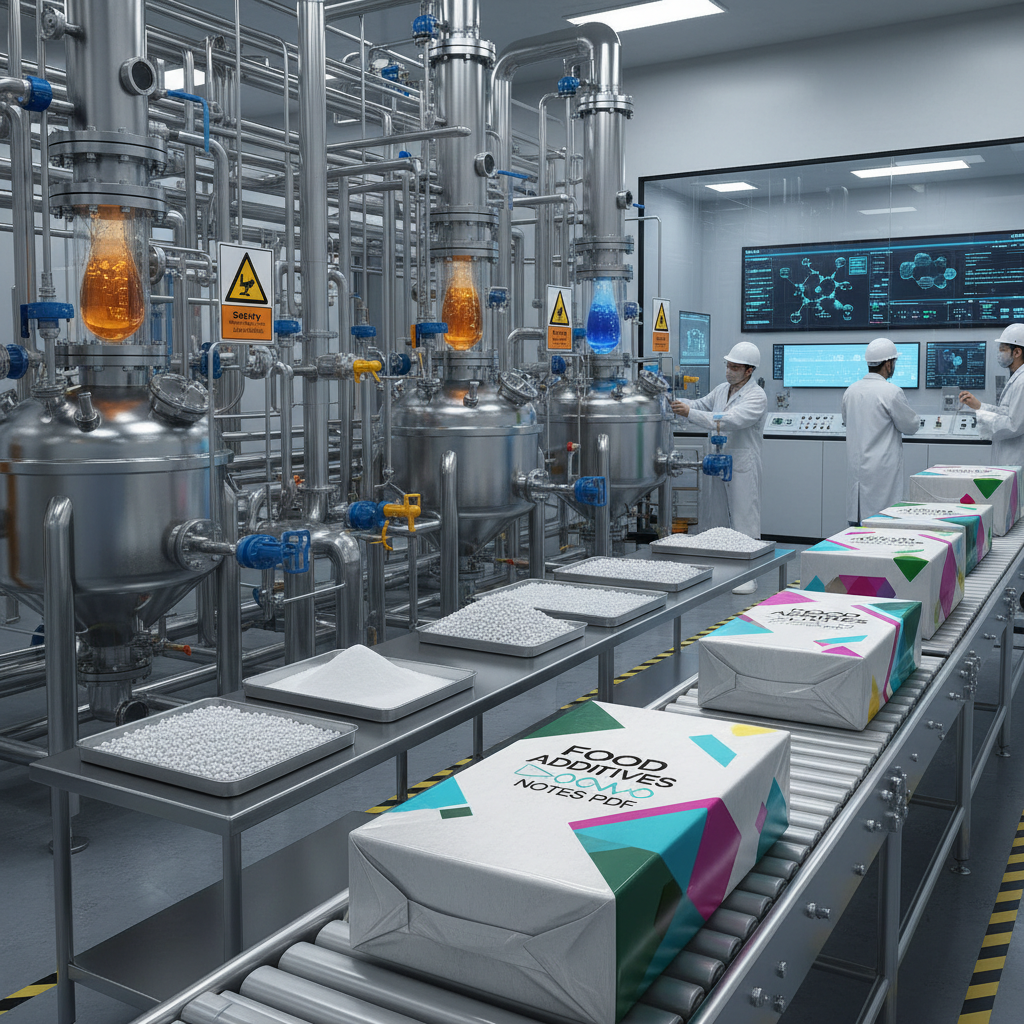
The integration of precise food additives—such as natural antioxidants and cryoprotectants—is what allows frozen broth cubes to resist ice crystallization. This prevents the "leaking" of flavor and maintains a smooth, homogenous texture even after months of storage at -18°C.
Finally, the balance of salt and umami-rich compounds (like natural glutamates) ensures that the broth remains palatable and functional. By optimizing these core components, manufacturers can create a product that scales across different cuisines, from French consommé to Asian dashi.
Core Performance Metrics and Scalability
When evaluating the performance of frozen broth cubes, the industry focuses on "melt-rate consistency" and "flavor release velocity." A superior cube must dissolve rapidly and uniformly in boiling liquid without leaving clumps or oily residues on the surface.
Scalability is achieved through automated dosing and freezing lines, allowing manufacturers to produce millions of units with milligram precision. This ensures that the cost-per-serving remains low while the perceived value of the final dish remains high.
Comparative Efficiency of Frozen Broth Cube Production Methods
Real-World Applications Across Global Markets
In the hospitality sector, specifically within high-volume hotel chains and cruise ships, frozen broth cubes are used to maintain consistency across multiple outlets. By utilizing these pre-portioned concentrates, executive chefs can ensure that a signature soup tastes identical whether it is served in the main dining room or a remote lounge.
Beyond luxury dining, these solutions are critical in post-disaster relief and remote industrial mining camps. In these environments, where fresh ingredients are scarce and fuel for long simmering is limited, frozen broth cubes provide an immediate, nutrient-rich base for hearty meals, enhancing the dignity and morale of personnel through better-tasting food.
Long-Term Value and Economic Advantages
The economic value of transitioning to frozen broth cubes lies primarily in the drastic reduction of food waste. Traditional stock making often results in significant evaporation loss and leftover scraps; cubes eliminate this variance by providing a precise yield per unit.
From a sustainability angle, the energy required to store frozen cubes is often lower than the cumulative energy spent simmering massive pots of water for 12-24 hours across hundreds of kitchens. This shift not only lowers utility costs but also reduces the carbon footprint of the culinary operation.
Furthermore, the psychological impact on staff cannot be overstated. By removing the most tedious part of prep work, kitchens can reduce burnout and refocus their skilled labor on plating and creative culinary development, leading to higher employee retention and better overall food quality.
Future Innovations in Broth Technology
The future of frozen broth cubes is leaning heavily toward "precision nutrition." We are seeing the integration of functional additives, such as collagen peptides and plant-based proteins, transforming a simple flavor base into a wellness product that supports joint health or muscle recovery.
Digital transformation is also playing a role through smart-packaging. Imagine a cube wrapper with a QR code that integrates directly with a kitchen's inventory management system, automatically triggering a reorder when stock levels of broth cubes drop below a certain threshold.
Sustainability will remain the driving force, with a push toward biodegradable, compostable films for individual cube wrapping. This ensures that the convenience of frozen broth does not come at the cost of increased plastic pollution in the global food supply chain.
Comparative Analysis of Frozen Broth Cube Formulation Standards
| Formulation Type |
Flavor Intensity (1-10) |
Stability Period |
Primary Application |
| Classic Beef Concentrate |
9 |
12 Months |
Stew & Gravy Base |
| Organic Vegetable Base |
7 |
9 Months |
Vegan Cuisine |
| Umami-Rich Chicken |
8 |
12 Months |
General Risotto/Soup |
| Seafood Reduction |
10 |
6 Months |
High-End Sauces |
| Low-Sodium Wellness |
6 |
10 Months |
Hospital Catering |
| Hybrid Plant-Protein |
8 |
12 Months |
Modern Fusion Food |
FAQS
Unlike bouillon cubes, which are mostly dehydrated salt and flavor enhancers, frozen broth cubes are made from reduced real stocks. They contain actual fats and proteins that provide a rich mouth-feel and more complex flavor profiles, requiring far fewer artificial additives to taste "natural."
Yes, they are ideal for industrial use. Because they are pre-portioned, they allow for absolute consistency in large batches. Many food manufacturers use them as a base for ready-to-eat meals to ensure every unit has the same flavor profile regardless of the production date.
When stored at a constant temperature of -18°C (0°F), most professional-grade frozen broth cubes maintain peak flavor and quality for 6 to 12 months. Proper vacuum packaging is essential to prevent freezer burn and oxidation.
Depending on the base, they may contain gluten (if flour is used as a thickener) or soy. However, most modern manufacturers offer "clean-label" versions that are gluten-free and soy-free to cater to diverse dietary needs and international food safety regulations.
Simply add the frozen cube directly to your simmering liquid or hot pan. There is no need to thaw it first; the heat of the dish will melt the cube rapidly, releasing the concentrated flavors uniformly into the sauce or soup.
Generally, yes. Liquid stocks involve transporting mostly water, which increases shipping weight and carbon emissions. frozen broth cubes are concentrated, meaning fewer shipments are required to deliver the same amount of flavor, significantly reducing the logistical footprint.
Conclusion
In summary, frozen broth cubes represent a masterclass in the intersection of food science and culinary art. By solving the persistent problems of flavor degradation, labor inefficiency, and waste, they provide a scalable solution for anyone from the home cook to the industrial food manufacturer. The combination of flash-freezing technology and precise ingredient formulation ensures that quality is never sacrificed for the sake of convenience.
Looking ahead, as the world moves toward more sustainable and nutrient-dense eating habits, these cubes will likely evolve into functional foods that provide both taste and health benefits. We encourage food businesses to embrace this efficiency to stay competitive in a fast-paced market. For more information on high-quality food additives and flavor solutions, visit our website: www.chinaseasoning.com.