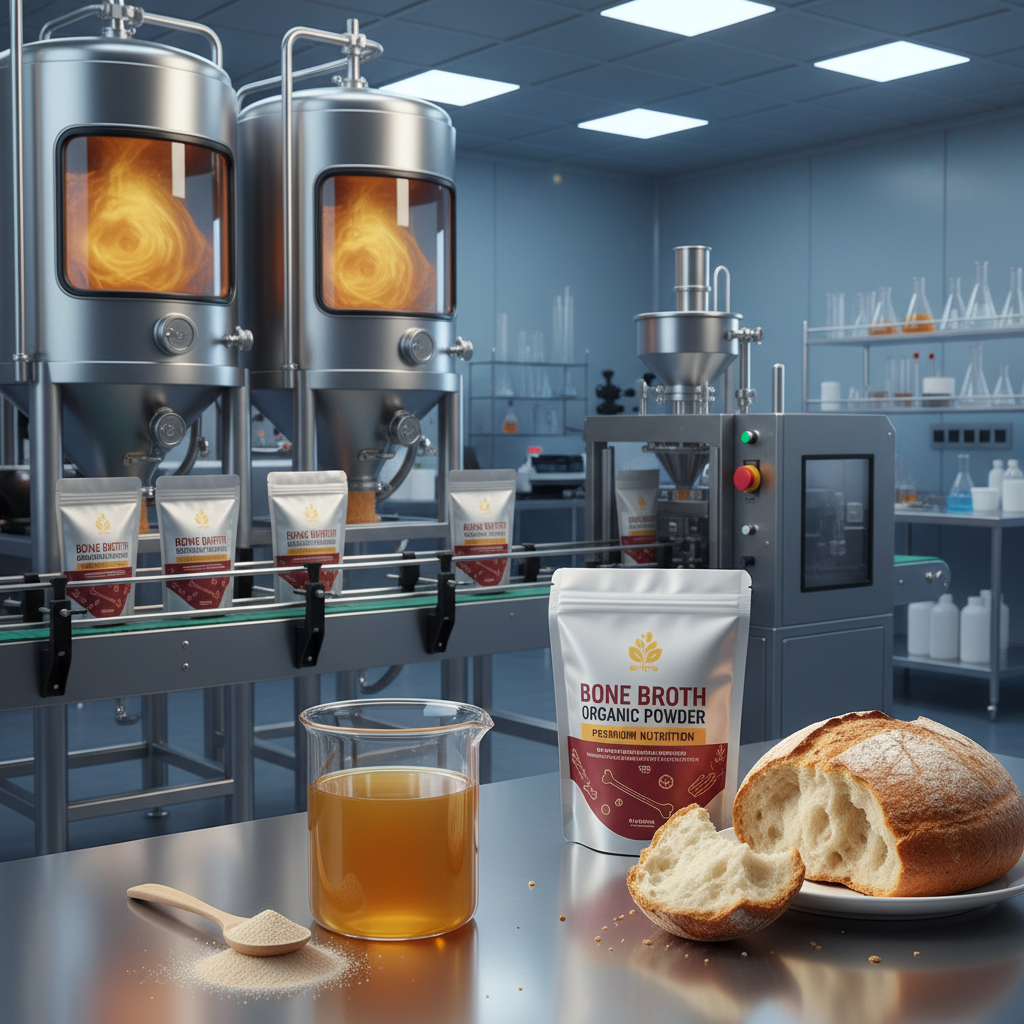
Understanding the intricacies of bouillon cube ingredients is essential for food manufacturers and culinary professionals aiming to balance flavor intensity with nutritional value. In an era where convenience drives consumer behavior, these concentrated flavor blocks have become global staples, bridging the gap between time-constrained meal preparation and the desire for rich, homemade tastes.
The global demand for processed seasonings has surged, driven by the expansion of the ready-to-eat meal sector and the need for shelf-stable flavor enhancers in diverse climates. By optimizing the blend of salts, fats, and flavor extracts, manufacturers can create a product that not only tastes authentic but also remains stable during long-term storage and transport across international borders.
However, the challenge lies in navigating the complex intersection of food safety regulations, clean-label trends, and cost-efficiency. Mastering the selection of high-quality bouillon cube ingredients allows brands to differentiate themselves in a crowded market, offering consumers a product that is both convenient and aligned with modern health standards.
The Global Significance of Bouillon Cube Ingredients
On a global scale, the strategic selection of bouillon cube ingredients is more than just a culinary choice; it is a matter of food security and economic accessibility. According to industry trends aligned with ISO food safety standards, the ability to compress high-nutrient flavor profiles into a small, dry format allows for the distribution of essential tastes and minerals to regions with limited refrigeration infrastructure.
In developing economies, these ingredients serve as an affordable way to enhance the palatability of basic staples like rice and maize, providing a psychological and sensory sense of "fullness" and satisfaction. This makes the science behind the ingredient blend a critical tool for humanitarian organizations and commercial food producers alike.
Defining the Composition of Modern Seasoning Cubes
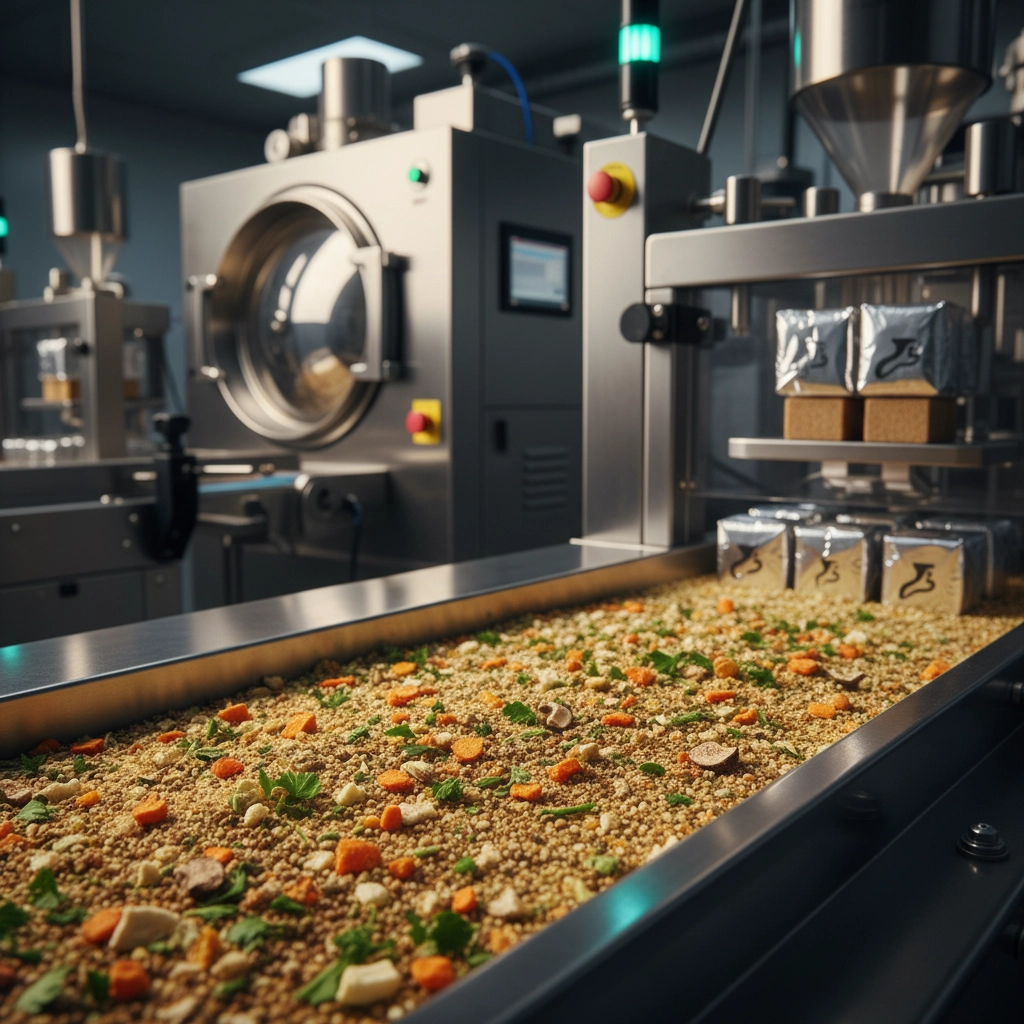
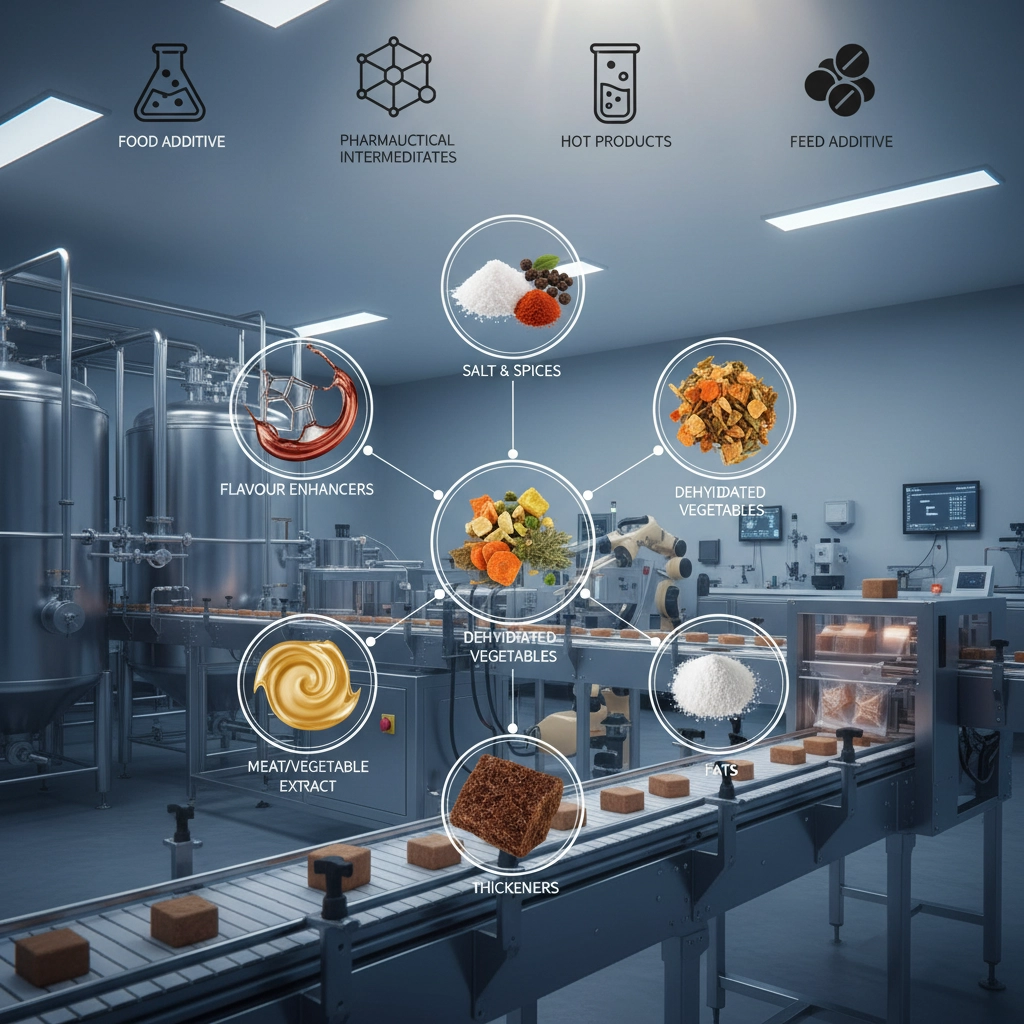
At its core, bouillon cube ingredients refer to a complex matrix of dehydrated components designed to dissolve rapidly in hot water. This usually includes a primary flavor base (such as beef, chicken, or vegetable extracts), a salt component for preservation and taste, and various binders that maintain the cube's physical integrity.
Beyond the basics, modern formulations incorporate hydrolyzed vegetable proteins (HVP) and yeast extracts to mimic the deep, savory "umami" profile found in slow-simmered stocks. These additives are crucial because they allow manufacturers to achieve a consistent taste profile across millions of units, regardless of the natural variance in raw agricultural produce.
From a technical perspective, the integration of anti-caking agents and stabilizers ensures that the bouillon cube ingredients do not clump in humid environments, ensuring the product remains user-friendly from the factory floor to the home kitchen.
Key Factors for Ingredient Stability and Efficacy
One of the primary concerns when formulating bouillon cube ingredients is hygroscopicity—the tendency of the powder to absorb moisture from the air. To counter this, developers use precise ratios of lipids and salts that act as a protective barrier, preventing the cube from softening or spoiling.
Scalability is another critical factor. A formula that works in a test kitchen must remain stable when produced in multi-ton batches. This requires the use of standardized bouillon cube ingredients that possess consistent particle size and solubility rates, ensuring every single cube dissolves evenly in boiling water.
Finally, cost-efficiency cannot be overlooked. By utilizing high-potency flavor concentrates rather than bulk raw materials, manufacturers can reduce shipping weights and storage costs while maintaining a premium taste profile that satisfies global consumer expectations.
Comparative Analysis of Flavoring Methods
The industry has seen a shift from traditional salt-heavy blends to more nuanced, extract-based formulations. While older methods relied heavily on MSG for flavor, newer iterations of bouillon cube ingredients utilize fermented yeast and natural mushroom extracts to achieve a cleaner label and a more sophisticated taste.
This transition is driven by consumer demand for "natural" products. By comparing the efficacy of synthetic enhancers versus natural extracts, manufacturers can determine the optimal balance that maintains the "punch" of the flavor while appealing to health-conscious demographics.
Efficiency Ratings of Different Bouillon Cube Ingredients Methods
Global Applications and Industrial Use Cases
In the commercial food service industry, bouillon cube ingredients are used as "base notes" for large-scale soup and sauce production. By using a standardized cube base, restaurant chains can ensure that a beef stew tastes identical in New York as it does in Tokyo, eliminating the variance inherent in fresh stock production.
Furthermore, in post-disaster relief operations, these concentrated ingredients are invaluable. Because they are lightweight and require no refrigeration, they provide a vital means of adding flavor and essential sodium to emergency rations, helping to maintain the morale and nutrition of displaced populations in remote industrial or disaster zones.
Long-Term Value and Sustainable Sourcing
The long-term value of investing in high-quality bouillon cube ingredients extends beyond immediate profit. Brands that prioritize sustainable sourcing—such as using RSPO-certified palm oil or ethically sourced salt—build deeper trust with their consumers. This ethical approach reduces the risk of supply chain disruptions and aligns the company with global ESG (Environmental, Social, and Governance) goals.
From a logical standpoint, sustainability also leads to innovation. For example, replacing synthetic fillers with upcycled vegetable fibers not only reduces waste but also improves the nutritional profile of the product. This creates a "virtuous cycle" where environmental responsibility drives product improvement.
Ultimately, the reliability of the ingredient chain ensures that manufacturers can withstand market volatility. By diversifying the sources of their bouillon cube ingredients, they protect themselves against regional crop failures or political instability, ensuring a steady flow of products to the global market.
Future Innovations in Seasoning Technology
The future of bouillon cube ingredients is being shaped by the digital transformation of food science. AI-driven flavor profiling is now allowing chemists to predict which combinations of amino acids and organic acids will create the most "authentic" meat taste without requiring actual animal products, paving the way for high-performance vegan bouillons.
Additionally, the move toward "green chemistry" is introducing biodegradable encapsulation techniques. These allow certain volatile flavor compounds to be released only when they hit boiling water, preventing the "stale" taste that can occur in older cubes and significantly extending the sensory shelf-life of the product.
Automation in the manufacturing process is also reducing waste and increasing precision. High-speed dosing systems ensure that the ratio of bouillon cube ingredients is exact to the milligram, reducing ingredient waste and ensuring absolute consistency across different product lines.
Analysis of Future Trends in Bouillon Ingredient Technology
| Innovation Trend |
Primary Ingredient Change |
Impact on Consumer |
Adoption Score (1-10) |
| Plant-Based Umami |
Fermented Shiitake Extract |
Vegan-friendly, clean label |
9 |
| Sodium Reduction |
Potassium Chloride Blend |
Heart-healthy alternative |
8 |
| Smart Encapsulation |
Maltodextrin Coating |
Fresh-burst aroma |
7 |
| Upcycled Fillers |
Brewers' Spent Grain |
Sustainability awareness |
6 |
| Fortified Nutrition |
Micronutrient Premixes |
Enhanced dietary value |
8 |
| Organic Certification |
Non-GMO Corn Starch |
Premium market positioning |
7 |
FAQS
For a clean label, manufacturers replace MSG and synthetic colors with natural alternatives like yeast extract, sea salt, organic cane sugar, and turmeric or paprika for color. The focus is on using recognizable, minimally processed ingredients that consumers trust while maintaining the savory profile.
Shelf life is primarily determined by the moisture content and the salt levels. Salt acts as a natural preservative by reducing water activity, while fats and anti-caking agents prevent the ingredients from absorbing ambient humidity, which would otherwise lead to mold or clumping.
Yes, the industry uses "umami" boosters like hydrolyzed vegetable protein, mushroom powder, and fermented soy to replicate the deep flavor of beef or chicken. These plant-based ingredients provide the same savory depth without any animal derivatives.
Solubility is controlled through particle size engineering and the selection of binders. By ensuring a fine, consistent grind and using soluble carriers like maltodextrin, manufacturers ensure that the cube dissolves quickly and completely without leaving gritty residue.
Absolutely. Because bouillon cubes are often used in basic meals, they are ideal vehicles for fortification. Micronutrients like Iron, Vitamin A, and Zinc can be integrated into the dry mix without altering the taste, making them valuable for nutritional support programs.
Hydrolyzed Vegetable Protein (HVP) is used to provide a concentrated source of glutamates, which are responsible for the savory taste. It acts as a flavor enhancer that rounds out the taste of the primary extracts, making the bouillon taste more "meaty" and satisfying.
Conclusion
In summary, the science of bouillon cube ingredients is a delicate balance of chemistry, culinary art, and industrial logistics. From the use of umami-rich extracts to the implementation of moisture-barrier technology, every component plays a vital role in ensuring that the final product is stable, tasty, and cost-effective. By focusing on purity, sustainability, and innovation, manufacturers can continue to meet the evolving needs of a global population that demands both convenience and quality.
Looking forward, the industry is poised for a shift toward personalized nutrition and hyper-sustainable sourcing. Companies that embrace these changes will not only survive the transition to "cleaner" eating but will lead the market in providing essential flavor solutions. We encourage food developers and distributors to explore the latest advancements in seasoning technology to elevate their product offerings. Visit our website: www.chinaseasoning.com