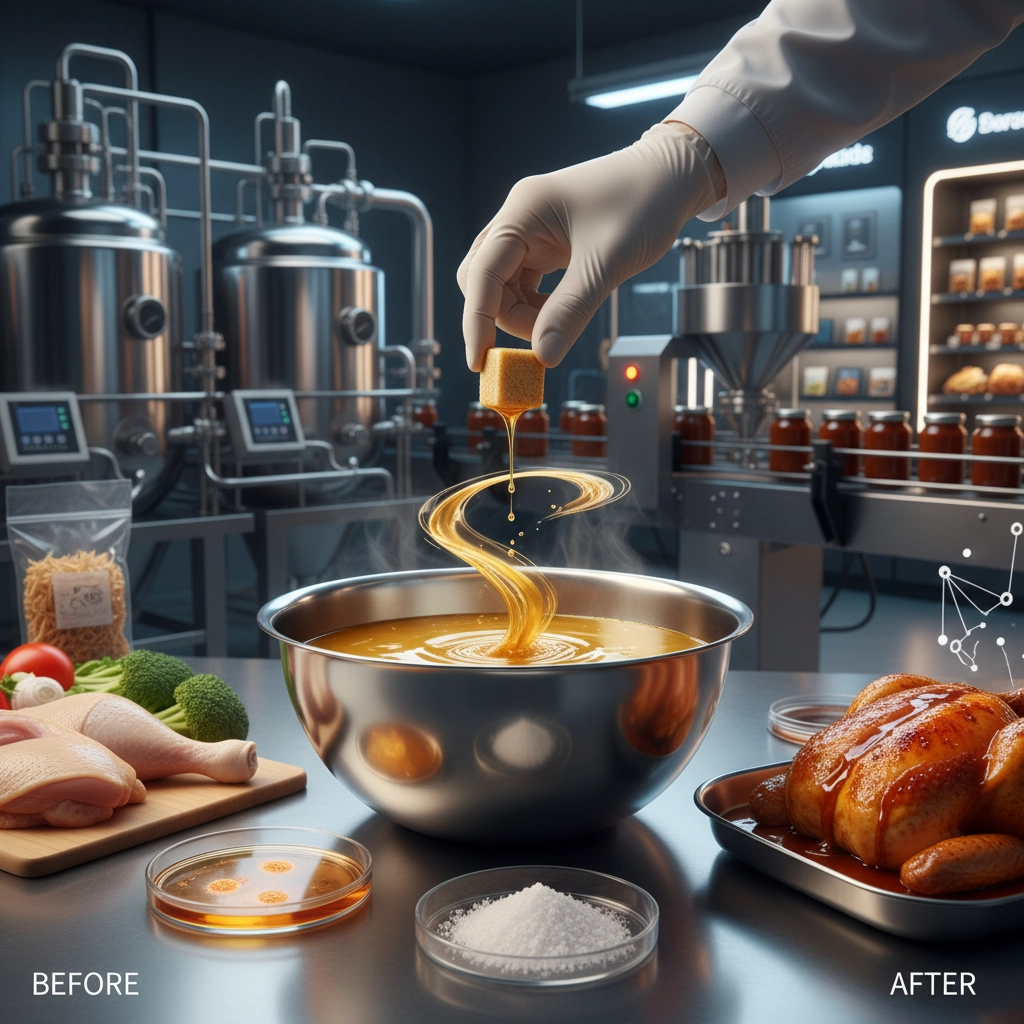
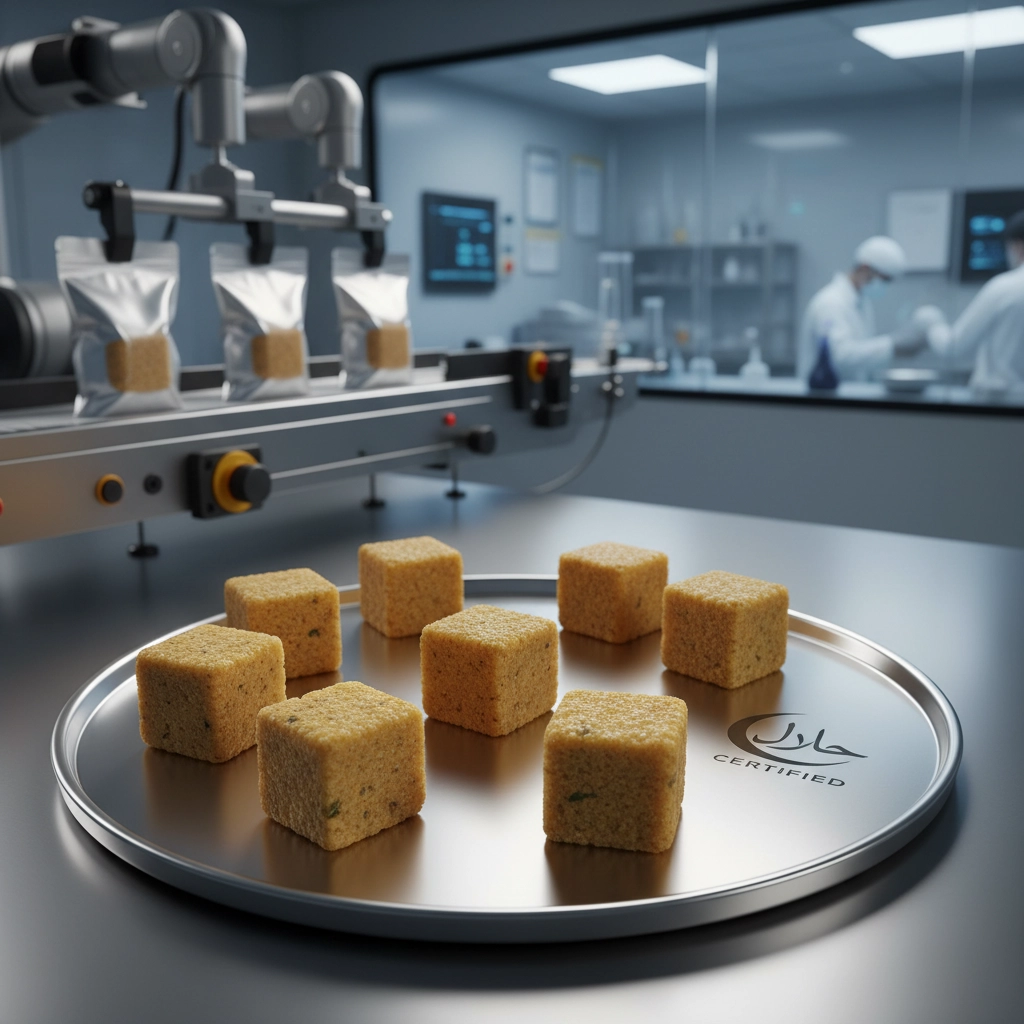
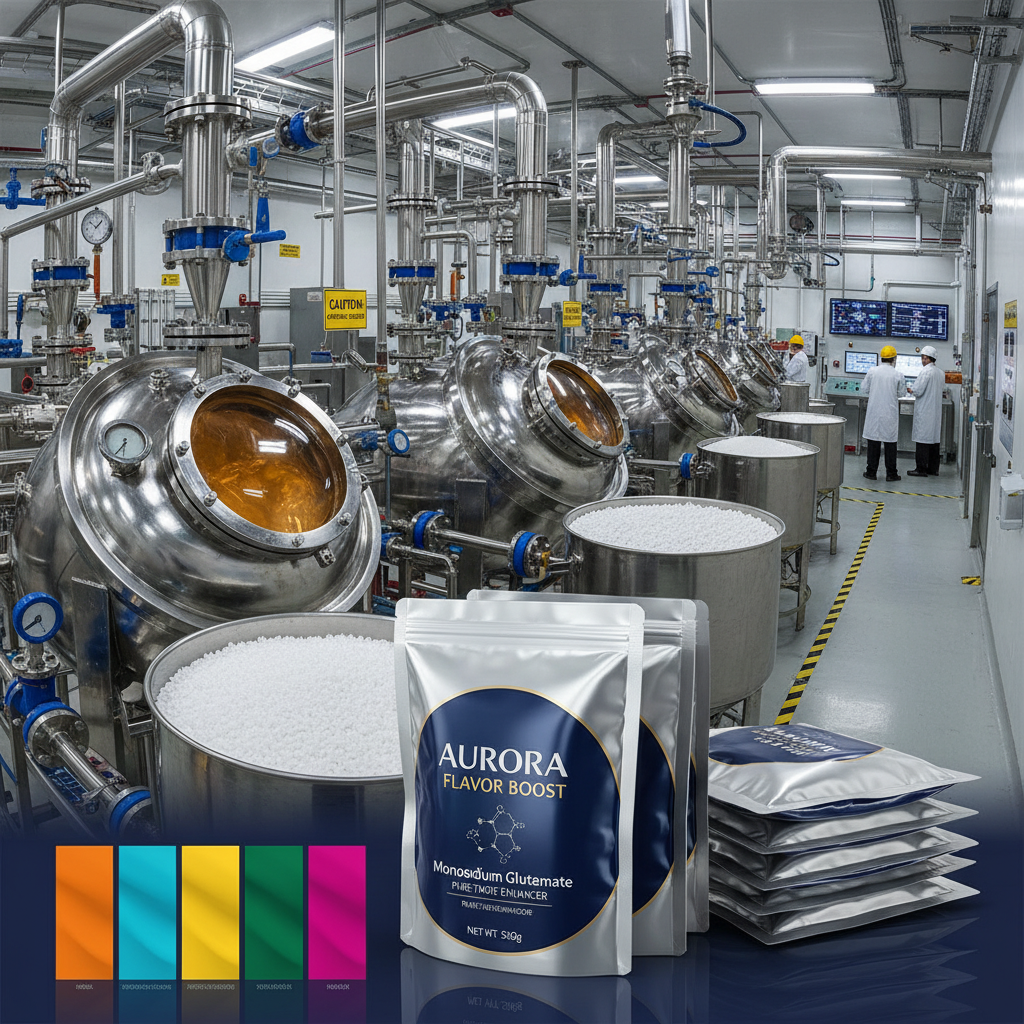
Understanding how to use chicken cubes effectively can transform a simple meal into a gourmet experience, offering a concentrated burst of savory flavor that is indispensable in modern kitchens. These condensed bouillon blocks serve as a versatile tool for both home cooks and industrial food processors, providing a consistent taste profile that simplifies complex seasoning processes across various cuisines.
From a global perspective, the ability to standardize taste through concentrated additives is crucial for maintaining quality control in large-scale food production. Knowing how to use chicken cubes allows chefs to reduce preparation time and costs while ensuring that the depth of flavor—traditionally achieved through hours of simmering bones—is present in every serving.
Whether you are preparing a hearty winter stew, a refined risotto, or an industrial-scale soup base, the strategic application of these additives enhances the overall sensory appeal of the dish. This guide explores the technical and practical dimensions of utilizing chicken bouillon to optimize flavor extraction and nutritional consistency.
Global Relevance of Chicken Bouillon Application
In the global food landscape, the demand for efficient flavor delivery systems has grown exponentially. According to industry trends mirrored in ISO food safety standards, the transition toward concentrated seasonings helps reduce waste and logistics costs. Understanding how to use chicken cubes is no longer just a culinary skill but a logistical necessity for food manufacturers striving for consistency across different geographic markets.
The challenge often lies in the balance between sodium content and flavor intensity. As health organizations like the WHO advocate for reduced salt intake, the industry is evolving. The modern approach to how to use chicken cubes involves integrating them with natural extracts and potassium-based salts to maintain that essential "umami" profile without compromising dietary guidelines.
Defining the Mechanism of Flavor Enhancement
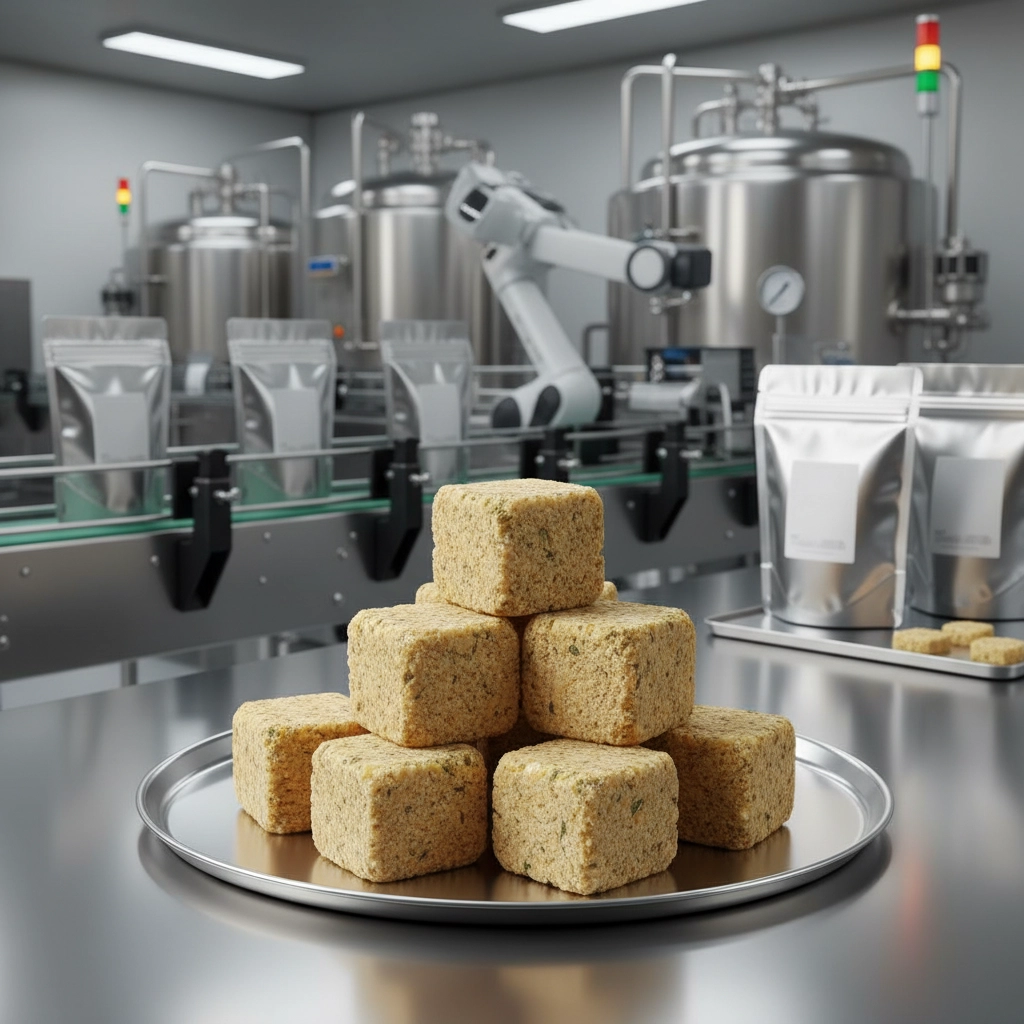
At its core, knowing how to use chicken cubes means understanding the synergy between dehydrated proteins, salts, and flavor enhancers. These cubes are engineered to provide a stable, shelf-ready version of a traditional chicken stock. By condensing the essence of poultry and aromatic vegetables, they provide an immediate foundation of taste that would otherwise take hours of labor to produce.
From a technical standpoint, the "magic" happens through the process of recrystallization and dehydration. When a user learns how to use chicken cubes by dissolving them in hot water, they are essentially rehydrating a complex matrix of amino acids and minerals. This process releases volatile aromatic compounds that stimulate the taste buds and create a perceived depth of flavor.
In modern industry, this mechanism is linked to humanitarian needs and rapid deployment. In disaster relief zones or remote industrial camps, providing nutrient-dense, flavor-rich meals is essential for morale and health. These bouillon cubes offer a reliable way to fortify bland grains or legumes, making them a critical component of global food security and nutritional support.
Core Components for Optimal Dissolution
To maximize the effectiveness of your seasoning, you must prioritize temperature control. Learning how to use chicken cubes starts with utilizing boiling or near-boiling water, which ensures that the fats and binders within the cube break down completely, preventing clumping in the final dish.
The second critical factor is the ratio of solute to solvent. When exploring how to use chicken cubes, it is vital to remember that these are concentrated products; overloading a dish can lead to excessive salinity. A standard ratio is typically one cube per 500ml of water, though this varies based on the desired intensity of the broth.
Finally, the sequence of integration matters. For the best results in how to use chicken cubes, add them early in the cooking process—such as during the sautéing of aromatics—to allow the flavors to penetrate the other ingredients through a process of infusion rather than just surface coating.
Practical Application Methods and Efficiency
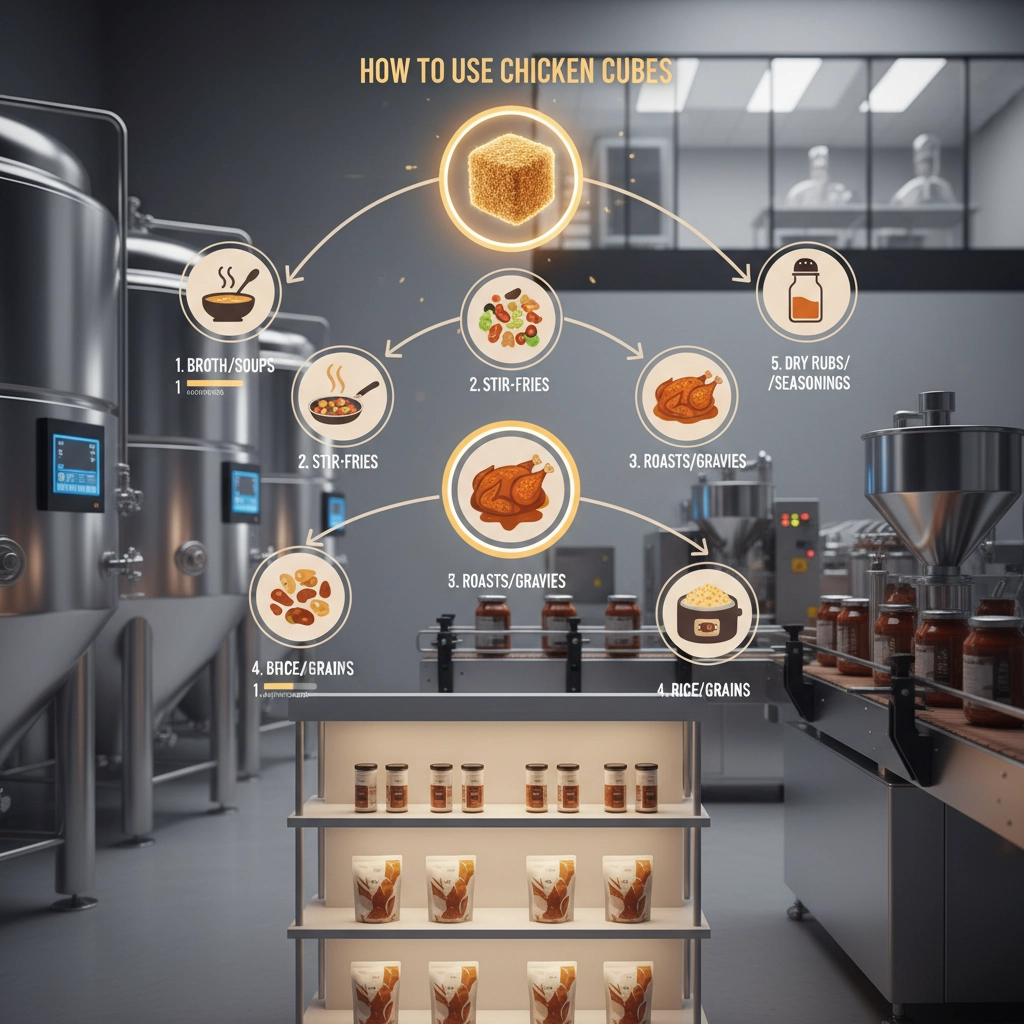
Depending on the desired outcome, there are multiple ways to incorporate these additives. For liquid-based dishes, direct dissolution is standard. However, for dry rubs or marinades, crushing the cube into a fine powder allows for an even distribution of flavor across the meat's surface, ensuring that every bite is consistently seasoned.
Efficiency in the kitchen is gained by treating the bouillon as a base rather than a final seasoning. By mastering how to use chicken cubes as a starting point, cooks can then layer additional fresh herbs or spices on top, creating a complex flavor profile that tastes homemade while benefiting from the industrial precision of the additive.
Comparative Effectiveness of Chicken Bouillon Application Methods
Industrial Use Cases in Global Food Manufacturing
In the realm of large-scale food manufacturing, knowing how to use chicken cubes evolves into the application of concentrated bouillon powders and pastes. These are used in the production of ready-to-eat (RTE) meals, where consistency across millions of units is mandatory. By utilizing standardized bouillon bases, manufacturers ensure that a meal produced in Asia tastes identical to one sold in Europe.
Furthermore, in the pharmaceutical intermediate and specialized food additive sectors, the components used in these cubes—such as MSG or yeast extracts—are analyzed for their ability to mask off-notes in fortified foods. This industrial application of how to use chicken cubes demonstrates the intersection of chemistry and culinary art, focusing on the optimization of sensory perceptions.
Long-Term Value and Economic Advantages
The economic impact of utilizing concentrated seasonings is significant. For commercial kitchens, the cost of sourcing, storing, and preparing fresh chicken carcasses for stock is prohibitive. Understanding how to use chicken cubes allows for a drastic reduction in storage space and a decrease in food waste, as the shelf life of a cube far exceeds that of a liquid stock.
Beyond the balance sheet, there is an emotional value in reliability. The trust that a chef places in a consistent product allows them to innovate in other areas of the dish. This reliability creates a foundation of safety and quality, ensuring that the consumer receives a product that meets their expectations every single time.
Moreover, the scalability provided by these additives enables small-scale entrepreneurs to launch food businesses with minimal overhead. By knowing how to use chicken cubes to create a signature base, a small business can scale its production rapidly without needing to invest in massive industrial kettles for traditional stock boiling.
Future Trends in Seasoning Technology
The future of how to use chicken cubes is trending toward "Clean Label" initiatives. We are seeing a shift toward organic ingredients, the removal of artificial dyes, and the use of fermentation-derived umami instead of synthetic enhancers. Digital transformation is also playing a role, with precision dosing systems in smart kitchens ensuring the exact amount of bouillon is used.
Sustainability is another driving force. Future innovations will likely include biodegradable packaging for cubes and the use of upcycled poultry by-products to create the bouillon base, reducing the environmental footprint of the manufacturing process. This ensures that the convenience of these products does not come at the cost of the planet.
As automation increases in the food industry, we expect to see "smart cubes" designed for specific automated cooking machines, optimized for rapid dissolution and specific viscosity levels. This evolution will further refine the way we think about how to use chicken cubes in both domestic and industrial settings.
Comparative Analysis of Modern Bouillon Integration Strategies
| Integration Method |
Dissolution Speed |
Flavor Distribution |
Cost Efficiency |
| Hot Water Dissolution |
Very High |
Uniform |
High |
| Dry Rub Application |
N/A |
Surface Level |
Medium |
| Slow Cooker Infusion |
Medium |
Deep Penetration |
High |
| Industrial Slurry |
High |
Perfectly Balanced |
Very High |
| Cold Water Steep |
Low |
Inconsistent |
Low |
| Pressure Cooker |
Very High |
Intense |
High |
FAQS
The best way to avoid over-salting is to omit additional salt from your recipe until the very end. Since chicken cubes are highly concentrated in sodium, let the bouillon act as your primary salt source. Taste your dish after the cube has fully dissolved and integrated, then adjust with salt only if necessary.
While not ideal for direct use, you can create a "concentrated dressing" by dissolving a small amount of crushed cube in a tiny bit of warm water or oil, then whisking it into your cold dressing. This adds a savory depth to potato salads or cold pasta without leaving grainy residue.
Yes, when crushed into a powder and used as a dry rub, the salts in the chicken cube help break down the protein fibers in meat, acting as a mild brine. This not only enhances the flavor but also helps the meat retain moisture during the cooking process.
To prevent the cubes from absorbing moisture (which makes them sticky and clumped), store them in an airtight container in a cool, dry place. Avoid refrigeration unless specified, as the humidity in a fridge can actually degrade the texture of the dehydrated cube.
Absolutely. In industrial settings, the powder form of these cubes is used for its stability and ease of measurement. It allows for precise formulation in large-batch mixing, ensuring that every unit of a product maintains the same flavor profile across different production lines.
Yes, the method of application remains the same for beef, vegetable, or mushroom cubes. However, be mindful of the flavor intensity; beef cubes are often more pungent, while vegetable cubes may require a slightly higher quantity to achieve the same "savory" impact as chicken.
Conclusion
Mastering how to use chicken cubes is a fundamental skill that bridges the gap between convenience and culinary quality. By understanding the importance of temperature, the precision of ratios, and the variety of application methods—from direct dissolution to dry rubs—one can consistently achieve a professional depth of flavor in any dish. These additives not only save time and reduce costs but also provide a reliable standard of taste that is essential in both home kitchens and global industrial food manufacturing.
Looking forward, the integration of sustainable ingredients and clean-label technologies will further enhance the value of these seasoning tools. As the food industry evolves toward more conscious consumption, the strategic use of high-quality bouillon will remain a cornerstone of flavor optimization. We encourage you to explore the versatility of these products to elevate your culinary creations. Visit our website for more professional insights: www.chinaseasoning.com