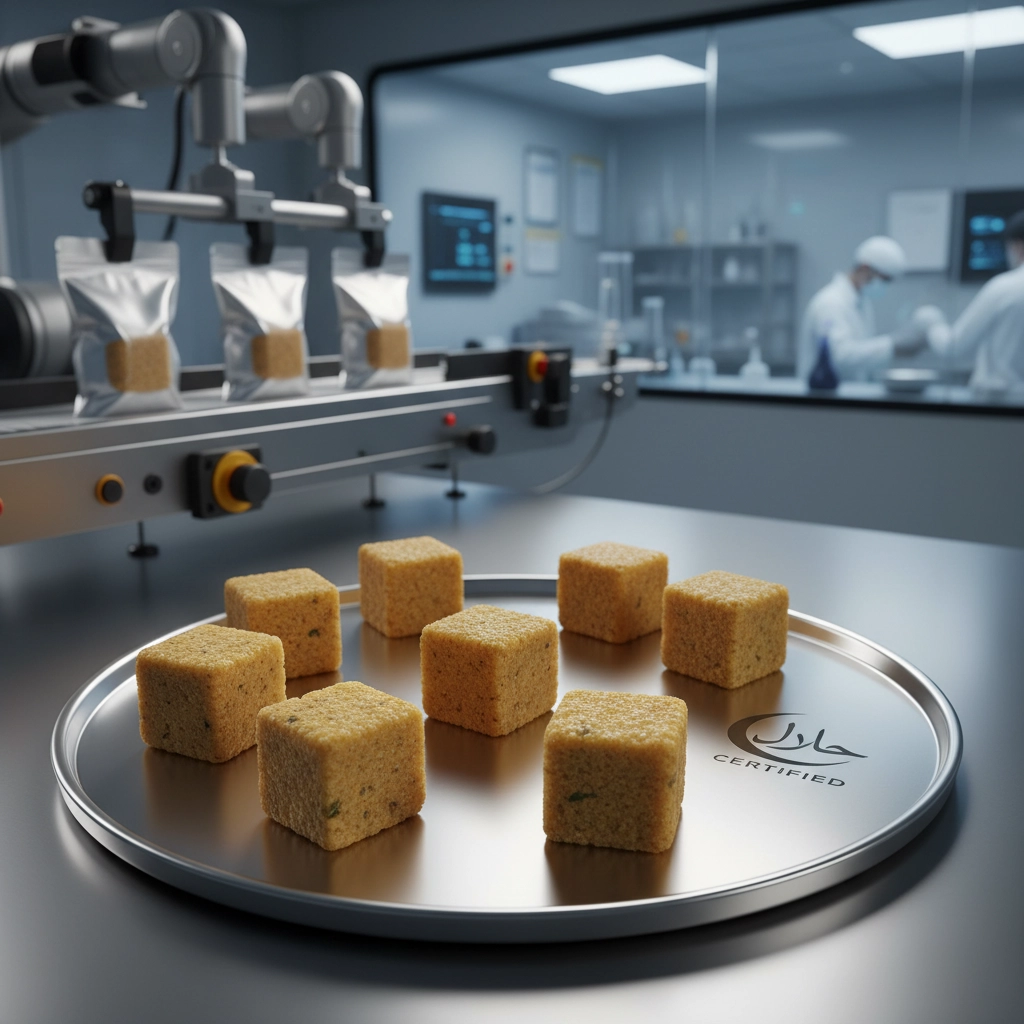
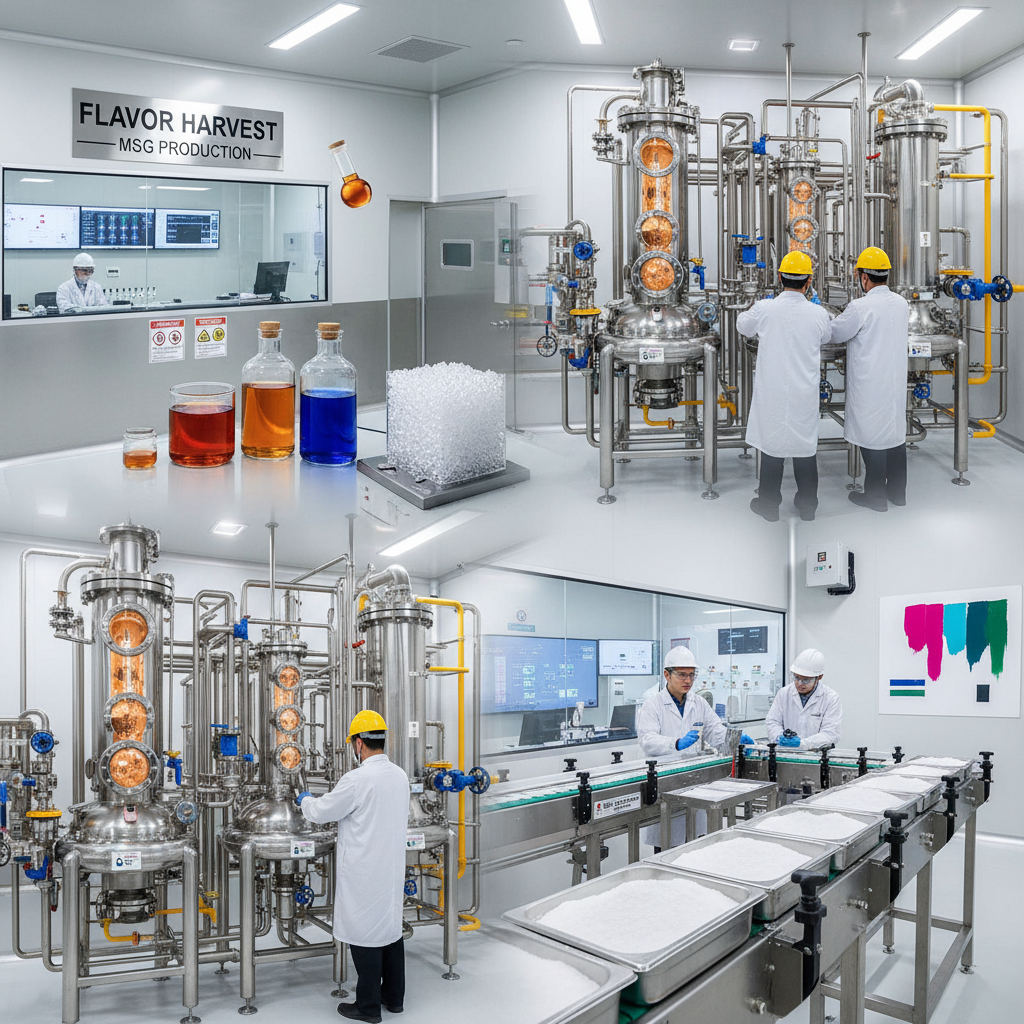
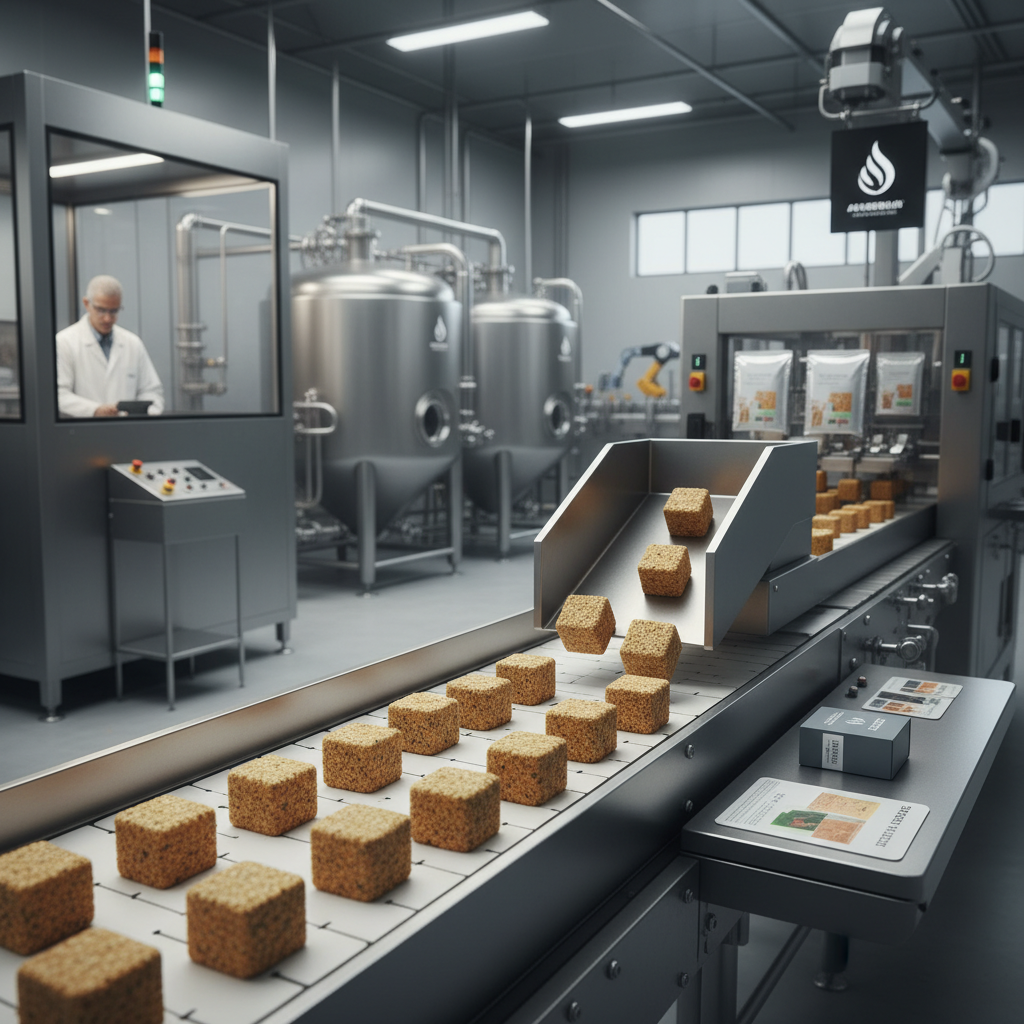
In the evolving landscape of global food production, halal chicken bouillon cubes have emerged as a critical intersection of culinary convenience and religious compliance. As the global Muslim population continues to grow, the demand for high-quality, certified seasoning that adheres to Sharia law has shifted from a niche requirement to a mainstream industrial necessity.
Understanding the nuances of these bouillon cubes is essential for food manufacturers and distributors who aim to penetrate markets in Southeast Asia, the Middle East, and beyond. Beyond simple flavor enhancement, these products represent a commitment to transparency, safety, and ethical sourcing, ensuring that the end consumer can enjoy a rich, savory taste without compromising their dietary values.
By integrating advanced food additive technology with strict Halal certification standards, the industry is now able to produce halal chicken bouillon cubes that offer long shelf-life, consistent flavor profiles, and full traceability, making them indispensable in both home kitchens and large-scale commercial catering.
Global Demand and the Halal Market Context
The global appetite for Halal-certified products is no longer confined to traditional markets. With the global Halal food market projected to reach trillions of dollars in the coming years, according to reports aligned with State of the Global Islamic Economy indicators, the need for standardized ingredients like halal chicken bouillon cubes has surged. This growth is driven by an increasing urban middle class in Muslim-majority countries and a growing diaspora in Western nations.
The primary challenge facing the industry is the "trust gap." Consumers are increasingly wary of hidden ingredients, such as non-halal animal fats or alcohol-based carriers, often found in generic bouillon. This creates a significant opportunity for manufacturers who can guarantee 100% compliance through rigorous certification and transparent supply chains, turning a regulatory hurdle into a competitive commercial advantage.
Defining Halal Chicken Bouillon Cubes in Modern Industry
At its core, halal chicken bouillon cubes are concentrated seasoning blocks made from chicken extract, salt, and a blend of spices, produced in strict accordance with Islamic dietary laws. This means every single ingredient—from the chicken source to the anti-caking agents—must be free from "haraam" (forbidden) substances and processed in facilities that prevent cross-contamination.
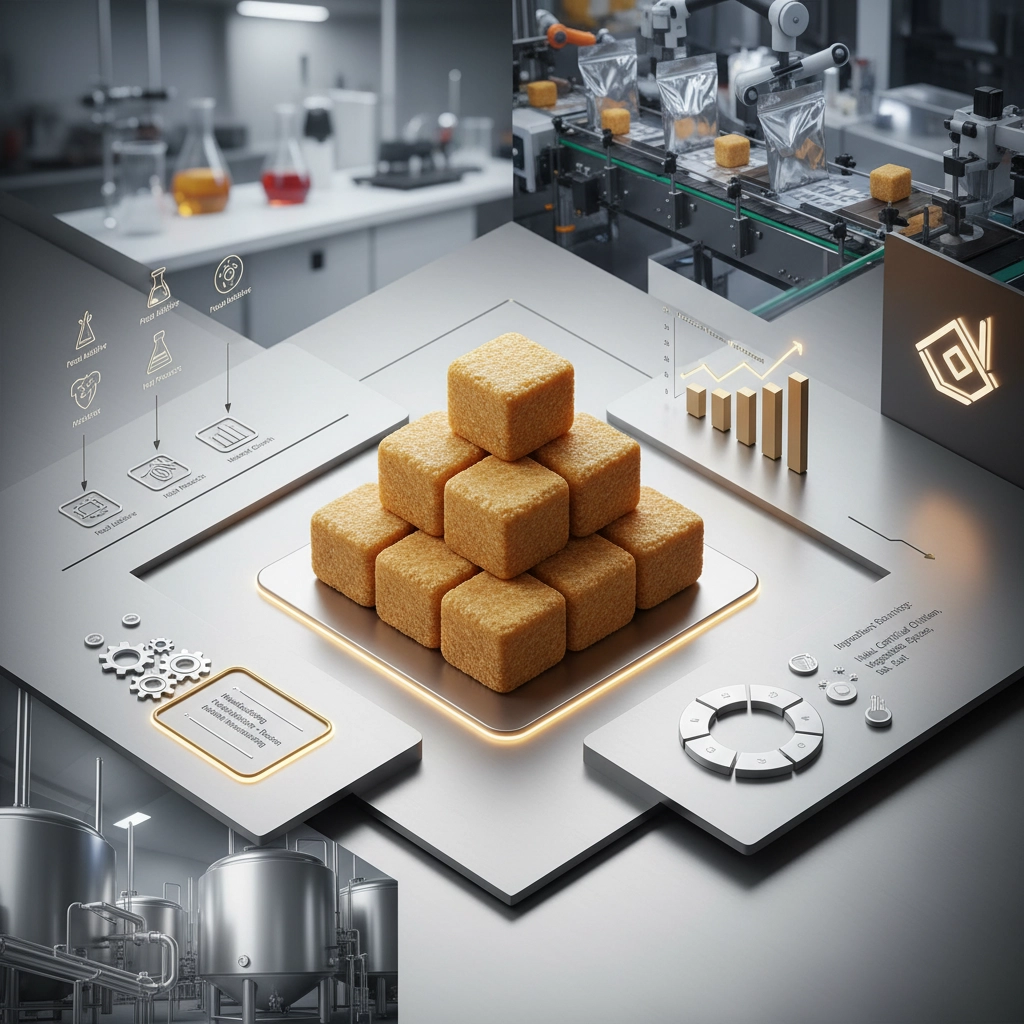
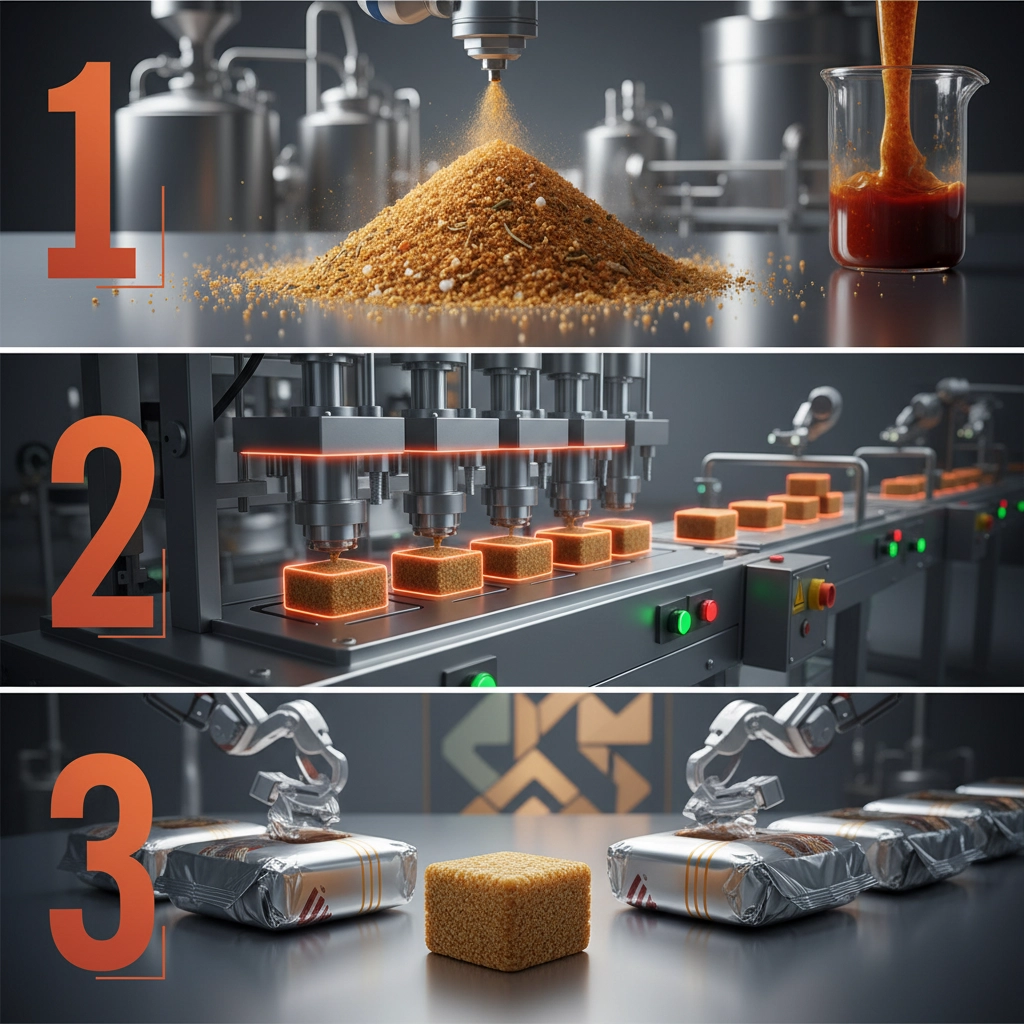
In the context of the modern food additive industry, these cubes are more than just flavor enhancers; they are engineered solutions for scalability. By dehydrating the savory essence of chicken and compressing it into a stable cube, manufacturers provide a product that is easy to transport, store, and dose, regardless of whether it is being used in a home kitchen in Jakarta or a commercial soup factory in Dubai.
Furthermore, the integration of these products into the "Food Additive" category allows for precise control over sodium levels and the inclusion of fortified nutrients. This evolution ensures that halal chicken bouillon cubes meet not only religious requirements but also modern health and safety standards, bridging the gap between traditional taste and industrial efficiency.
Core Components of Premium Halal Seasoning
The quality of halal chicken bouillon cubes depends heavily on the purity of the raw materials. High-grade chicken extract must be sourced from poultry slaughtered according to Halal rites, ensuring the foundational protein is compliant. This is coupled with refined salts and natural aromatic herbs that provide the characteristic savory depth.
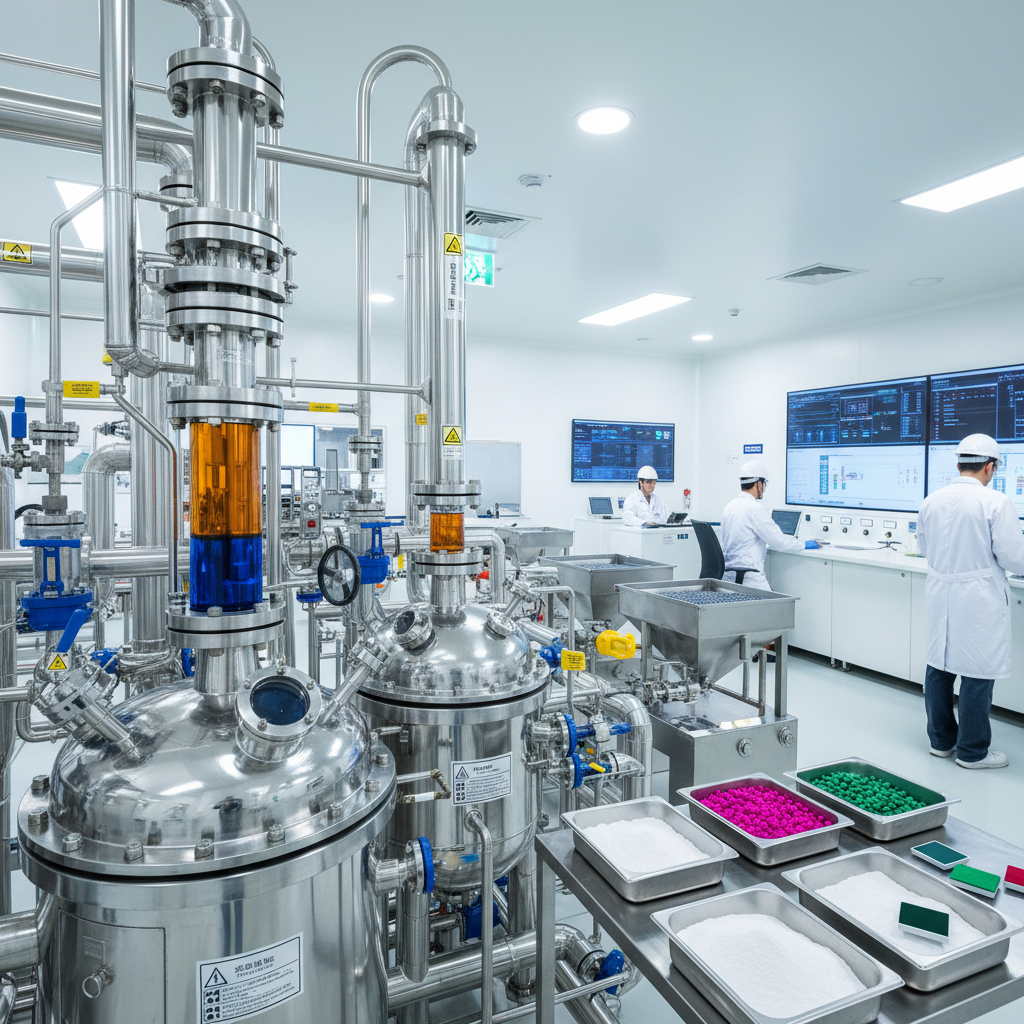
A critical technical aspect is the use of Halal-certified binders and anti-caking agents. Many traditional bouillon cubes use stearates or stabilizers that may be derived from non-halal animal sources. Premium halal chicken bouillon cubes replace these with plant-based alternatives or certified synthetic options, ensuring the product remains stable in humid climates without compromising its religious integrity.
Finally, the flavor profile is optimized through a precise balance of glutamates and natural extracts. By focusing on "clean label" trends, manufacturers are reducing artificial colors and MSG, moving toward a more natural composition that appeals to the health-conscious modern consumer while maintaining the intense "umami" flavor expected of professional-grade bouillon.
Efficiency and Cost-Benefit Analysis
From a commercial perspective, the adoption of halal chicken bouillon cubes offers unmatched cost efficiency. For large-scale food service providers, using concentrated cubes eliminates the need for hours of simmering raw chicken bones, significantly reducing labor costs, energy consumption, and water usage.
The logistical advantage is equally compelling. Because they are dehydrated and compact, these cubes reduce shipping volumes and eliminate the need for expensive cold-chain logistics, which is a major cost driver in the food additive industry. This makes them a highly scalable solution for international trade.
Performance Comparison of Halal Chicken Bouillon Cubes Formulations
Global Applications and Humanitarian Use Cases
The versatility of halal chicken bouillon cubes extends far beyond the domestic kitchen. In the hospitality industry, they are used to maintain consistency across global franchises, ensuring that a chicken-based dish tastes the same in Kuala Lumpur as it does in London, all while remaining Halal-compliant for a diverse clientele.
Crucially, these products play a vital role in humanitarian aid. In post-disaster relief operations or refugee camps in regions like Sub-Saharan Africa or the Middle East, providing nutrient-dense, easy-to-prepare, and religiously acceptable food is a matter of dignity and health. halal chicken bouillon cubes allow NGOs to provide flavor and essential salts to bland staples like rice or porridge, improving the psychological well-being of displaced populations.
Long-Term Value and Consumer Trust
Investing in certified halal chicken bouillon cubes provides long-term brand equity. For a food manufacturer, the Halal logo is not just a sticker; it is a symbol of trust. When a company demonstrates rigorous adherence to these standards, it fosters deep emotional loyalty among consumers who feel their values are being respected.
From a logical perspective, the reliability of these cubes ensures a reduction in waste. The precise dosing of bouillon cubes prevents the over-seasoning common with liquid concentrates, leading to more predictable cost-per-serving. This reliability is essential for professional kitchens operating on thin margins.
Ultimately, the value lies in the peace of mind. By eliminating the risk of dietary violations, halal chicken bouillon cubes remove the anxiety from the dining experience, allowing for an inclusive environment where safety and flavor coexist harmoniously.
Future Innovations in Halal Additive Technology
The future of halal chicken bouillon cubes is leaning heavily toward sustainability and "Clean Label" innovation. We are seeing a shift toward the use of organic chicken extracts and the replacement of synthetic flavor enhancers with fermentation-derived natural aromas. This aligns with the global trend of conscious consumption.
Digital transformation is also impacting the supply chain. Blockchain technology is being explored to provide "farm-to-cube" traceability. A consumer could potentially scan a QR code on a pack of halal chicken bouillon cubes to verify the Halal certification of the slaughterhouse and the origin of the salt and spices used.
Additionally, automation in the compression and packaging process is reducing human contact, further ensuring the purity of the product. The industry is moving toward biodegradable packaging, ensuring that the environmental footprint of these essential additives is minimized for future generations.
Comparative Analysis of Halal Bouillon Technology Generations
| Generation |
Primary Ingredients |
Certification Level |
Sustainability Score |
| Traditional |
Salt, MSG, Animal Fat |
Basic Local |
4/10 |
| Industrial Standard |
Chicken Powder, Hydrogenated Oil |
International Halal |
6/10 |
| Clean Label |
Natural Extracts, Sea Salt |
Certified Organic Halal |
8/10 |
| Fortified Halal |
Protein-Rich Extract, Vitamins |
Global Standard Halal |
7/10 |
| Eco-Friendly |
Plant-based binders, Local Chicken |
Strict Sharia Compliant |
9/10 |
| Next-Gen AI Optimized |
Precision Fermented Aromas |
Blockchain Verified Halal |
10/10 |
FAQS
To be certified Halal, the chicken must be slaughtered according to Islamic law (Zabiha). Additionally, all other ingredients—such as flavor enhancers, fats, and anti-caking agents—must be free from forbidden substances (like pork derivatives or alcohol). The production line must also be dedicated or strictly cleaned to avoid cross-contamination with non-halal products.
Yes, they are ideal for industrial use due to their concentration and stability. They provide a consistent flavor profile across large batches of food, reducing the variability associated with fresh ingredients. Their long shelf-life and ease of storage make them a cost-effective choice for food factories and catering services.
Many modern manufacturers now offer specialized versions of halal chicken bouillon cubes that are low-sodium or organic. It is important to check the specific product label for these certifications, as the "Halal" certification refers to religious compliance, while "Organic" or "Low-Sodium" refers to nutritional and agricultural standards.
Authenticity can be verified by looking for recognized Halal certification marks (such as JAKIM, MUI, or GIMSAS) on the packaging. Many premium suppliers also provide a certification number that can be cross-referenced on the certifying body's official website or via a blockchain-based QR code on the product.
Dehydrated bouillon cubes have a significantly longer shelf life, often ranging from 12 to 24 months if stored in a cool, dry place. In contrast, liquid stocks require refrigeration and typically last only a few days to weeks, making cubes the far more efficient option for long-term inventory management.
Distributors should partner with manufacturers who provide comprehensive documentation, including Halal certificates, COA (Certificate of Analysis), and MSDS (Material Safety Data Sheet). Utilizing standardized shipping containers and ensuring customs compliance for food additives can streamline the import process into Muslim-majority markets.
Conclusion
In summary, halal chicken bouillon cubes represent a sophisticated blend of religious adherence and industrial innovation. By solving the challenge of flavor consistency and dietary compliance, these products enable food manufacturers and humanitarian organizations to serve a global population with confidence. From the purity of their ingredients to the efficiency of their logistics, they provide a scalable solution that respects cultural values while meeting modern commercial demands.
Looking forward, the integration of clean-label ingredients and blockchain traceability will further elevate the standard of Halal seasonings. We encourage businesses to move beyond basic compliance and embrace these higher standards of transparency and sustainability. By prioritizing quality and ethics, you can build lasting trust with the global Halal consumer base. Visit our website for more professional solutions: www.chinaseasoning.com