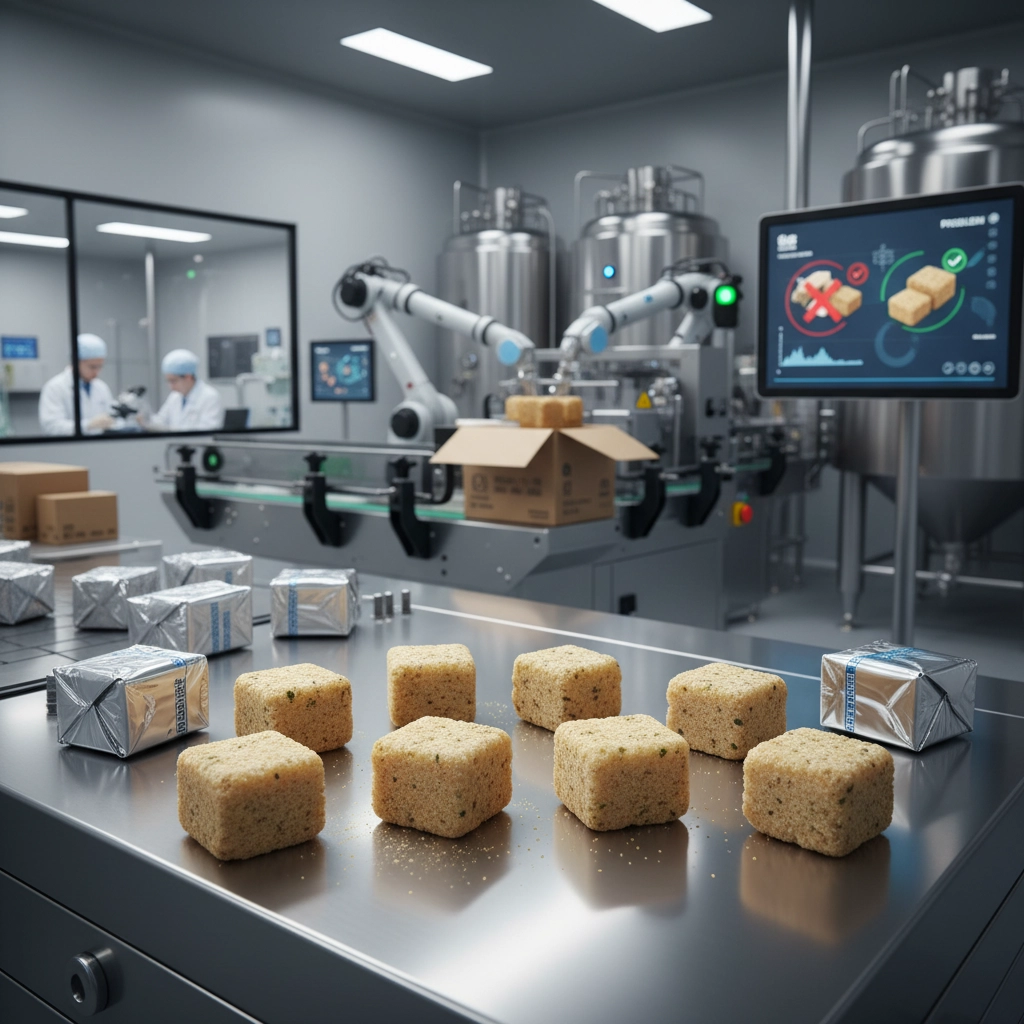
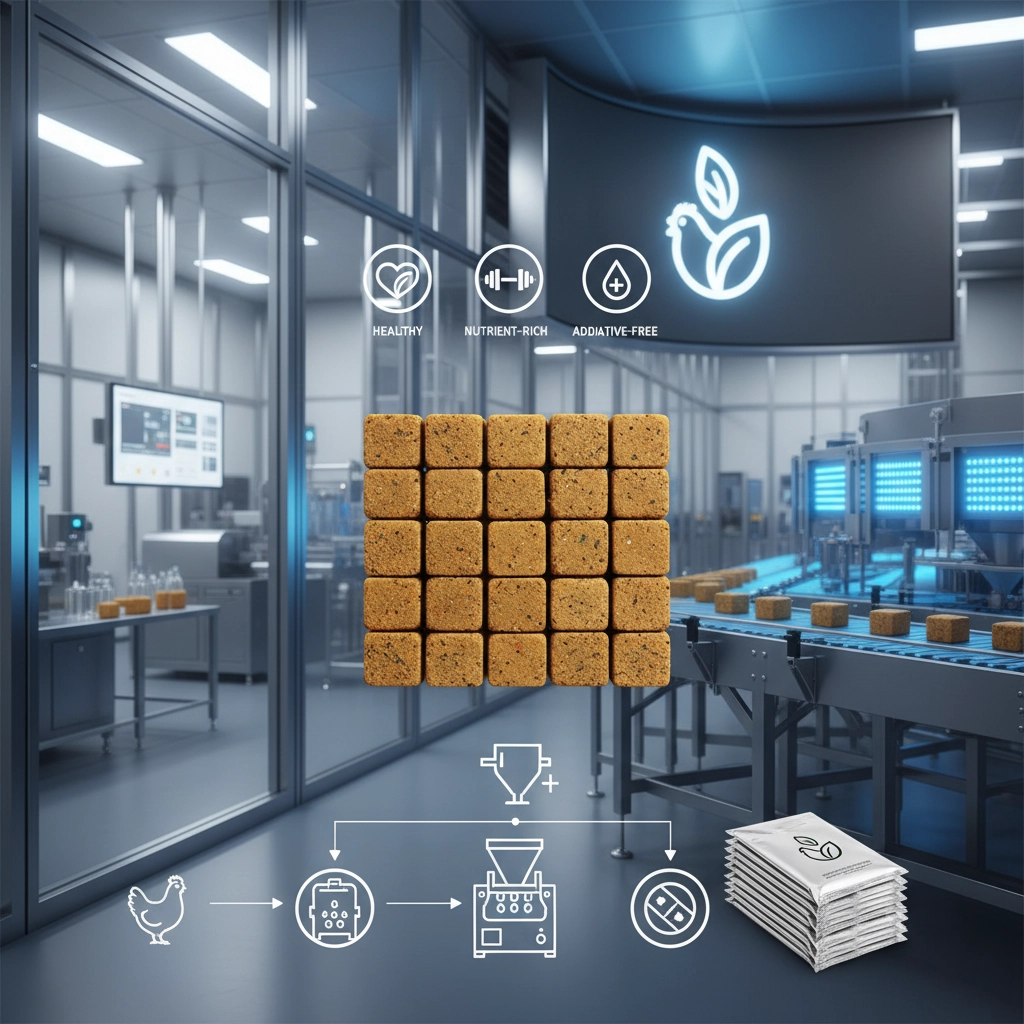
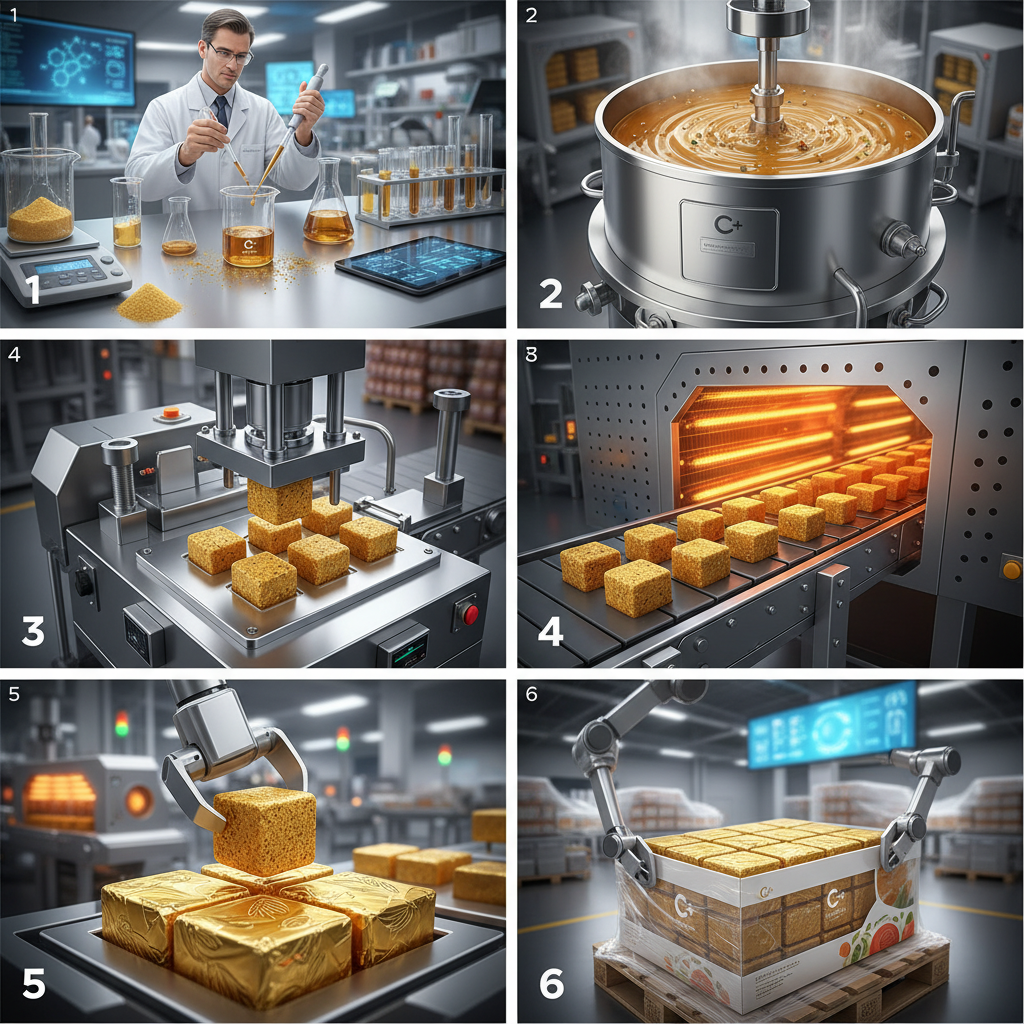
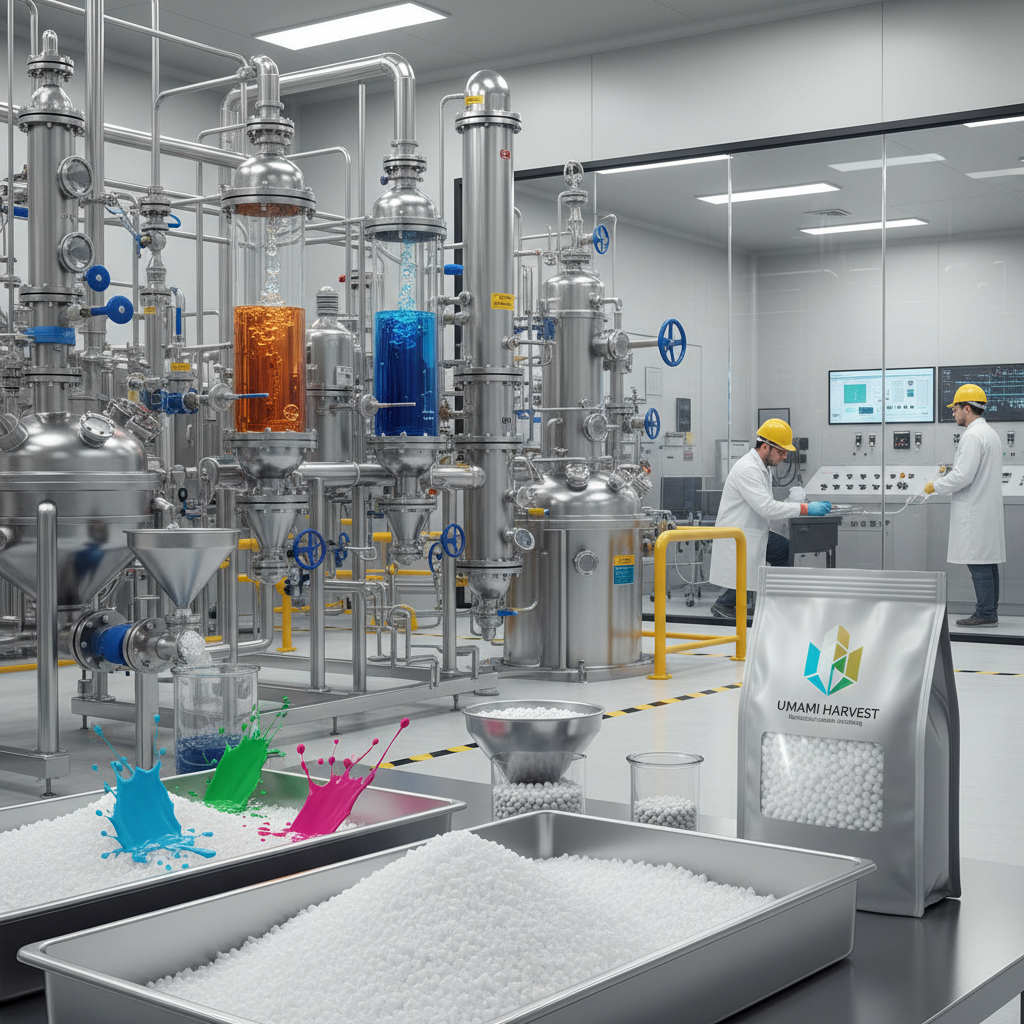
In the modern culinary landscape, the demand for convenience often clashes with the desire for wellness. healthy chicken bouillon cubes emerge as a pivotal solution, bridging the gap between rapid meal preparation and nutritional integrity. By leveraging advanced food additive technologies, these concentrated flavor bases provide the rich, savory essence of slow-simmered chicken broth without the excessive sodium and artificial preservatives found in traditional alternatives.
Globally, the shift toward "clean label" products has forced food manufacturers to rethink the composition of seasoning bases. Today, the focus has shifted from mere taste replication to the integration of organic extracts and natural enhancers. This evolution ensures that healthy chicken bouillon cubes serve not just as a flavor enhancer, but as a functional ingredient that supports a balanced diet across diverse demographic groups.
Understanding the science and application of these products is essential for food processors, distributors, and health-conscious consumers alike. From reducing the risk of hypertension through low-sodium formulations to maintaining stability in diverse climatic conditions, the innovation behind these cubes reflects a broader industrial commitment to public health and sustainable food systems.
Global Market Context of Healthy Chicken Bouillon Cubes
The global seasoning market is undergoing a radical transformation, driven by an increasing awareness of the links between high sodium intake and cardiovascular diseases. According to World Health Organization (WHO) guidelines, reducing salt intake is a primary goal for reducing global morbidity. This has created a significant vacuum in the market for healthy chicken bouillon cubes that do not sacrifice the "umami" profile consumers crave.
In emerging economies, where bouillon cubes are often a primary source of flavor in staple diets, the transition to healthier alternatives is a humanitarian priority. By replacing MSG and hydrogenated fats with natural yeast extracts and plant-based lipids, manufacturers are providing a scalable way to improve the nutritional profile of millions of daily meals worldwide.
Defining the Standards of Healthy Seasoning Bases
At its core, healthy chicken bouillon cubes are dehydrated concentrates of chicken stock, herbs, and minerals, specifically formulated to exclude harmful additives. Unlike conventional cubes that rely heavily on salt for preservation and flavor, "healthy" versions utilize vacuum-drying and natural antioxidants to maintain shelf-stability while keeping sodium levels within recommended daily limits.
From an industrial perspective, these products are a synergy of food chemistry and nutrition. They must meet strict ISO standards for food safety while adhering to dietary trends such as gluten-free, non-GMO, and organic certifications. This means the selection of raw materials—from the salt source to the thickening agents—must be scrutinized for purity and biological impact.
The connection to modern humanitarian needs is evident in food security programs. In regions where fresh produce is scarce, nutrient-fortified bouillon cubes can act as a vehicle for essential micronutrients, providing a cost-effective method to combat malnutrition while ensuring that the food remains palatable and culturally acceptable.
Core Components for Maximum Nutritional Value
To achieve the perfect balance of taste and health, healthy chicken bouillon cubes rely on several key technical components. First is the "Sodium Replacement Strategy," which often involves using potassium chloride or natural celery extracts to mimic the salty profile without the hypertensive risks associated with sodium chloride.
The second critical factor is the use of natural umami enhancers. Instead of synthetic MSG, manufacturers utilize hydrolyzed vegetable proteins or mushroom extracts. These components ensure that the healthy chicken bouillon cubes maintain a deep, savory richness that satisfies the palate while remaining chemically clean.
Finally, the stability of the cube is maintained through the use of natural binders and healthy fats. By replacing palm oil or trans-fats with organic coconut oil or sunflower lecithin, the product ensures a smooth dissolution in water and a consistent mouthfeel, proving that health-centric design does not require a compromise in sensory quality.
Practical Applications Across Global Industries
The versatility of healthy chicken bouillon cubes extends far beyond the home kitchen. In the industrial food service sector, they are used as standardized bases for large-scale soup and sauce production, ensuring consistency across thousands of servings while meeting the nutritional mandates of institutional catering, such as in hospitals or schools.
Furthermore, in disaster relief and remote industrial zones, these cubes are indispensable. Because they are lightweight, shelf-stable, and nutrient-dense, they allow NGOs and field engineers to provide flavor and essential minerals in environments where fresh ingredients are impossible to procure, thus maintaining the dignity and morale of those in high-stress situations.
Performance Analysis of Healthy Chicken Bouillon Cubes Variants
Tangible Advantages and Long-Term Value
The adoption of healthy chicken bouillon cubes offers a multifaceted value proposition. Economically, they reduce waste by providing a concentrated form of flavor that requires minimal storage space. Socially, they democratize access to healthy seasoning, allowing lower-income populations to avoid the health pitfalls of cheap, salt-heavy alternatives.
Beyond the logic of cost and health, there is an emotional component of trust. Consumers today feel a sense of security when a product is transparent about its ingredients. By utilizing clean-label processes, brands build long-term loyalty, transforming a simple kitchen staple into a symbol of a brand's commitment to the consumer's well-being.
Future Innovations in Flavor Technology
The next frontier for healthy chicken bouillon cubes lies in the integration of biotechnology and precision fermentation. We are seeing a shift toward "lab-grown" flavor precursors that can perfectly replicate the taste of roasted chicken without requiring animal derivatives, appealing to the rapidly growing flexitarian and vegan markets.
Digital transformation is also playing a role. Smart manufacturing (Industry 4.0) allows for real-time adjustment of nutrient levels during the extrusion process, ensuring that every single cube contains the exact milligram of vitamins and minerals promised on the label. This level of precision eliminates batch variance and enhances product reliability.
Sustainability is the final pillar of innovation. Future packaging will likely move toward biodegradable, seaweed-based films that dissolve in water along with the cube, completely eliminating plastic waste and aligning the product with the global movement toward a circular economy.
Overcoming Manufacturing Challenges and Solutions
One of the primary challenges in producing healthy chicken bouillon cubes is the "taste gap" created by reducing sodium. Salt not only flavors but also enhances other aromatic compounds. To solve this, expert food scientists are employing "flavor layering" techniques, using a combination of acidity (like lemon powder) and sweetness (like onion powder) to trick the brain into perceiving more salt than is actually present.
Another hurdle is the prevention of oxidation in natural fats, which can lead to rancidity. Traditional preservatives are forbidden in healthy formulations. The solution lies in the use of natural tocopherols (Vitamin E) and vacuum-sealed nitrogen flushing during the packaging process, which extends shelf life without the need for synthetic chemicals.
Finally, achieving a consistent "snap" or hardness in the cube without using synthetic binders requires precise control of compression pressure and moisture content. By optimizing the freeze-drying cycle, manufacturers can create a product that is physically robust for transport but dissolves instantly upon contact with hot water.
Technical Comparison of Production Methods for Healthy Chicken Bouillon Cubes
| Production Method |
Nutrient Retention |
Flavor Profile |
Cost Efficiency |
| Spray Drying |
Moderate |
Standard |
High |
| Freeze Drying |
Excellent |
Premium |
Low |
| Vacuum Evaporation |
High |
Rich |
Moderate |
| Cold Pressing |
Very High |
Natural |
Moderate |
| Drum Drying |
Low |
Basic |
Very High |
| Hybrid Extraction |
High |
Balanced |
Moderate |
FAQS
A bouillon cube is considered "healthy" when it significantly reduces sodium chloride content, eliminates synthetic MSG, and avoids hydrogenated fats. Instead, these products use natural yeast extracts for umami, potassium-based salt substitutes, and organic oils. The focus is on providing a clean label with recognizable, minimally processed ingredients that support cardiovascular health without sacrificing the traditional savory taste.
Absolutely. In fact, healthy chicken bouillon cubes are ideal for institutional catering in hospitals, schools, and corporate wellness centers. They allow chefs to maintain a consistent flavor profile across large batches of soup or stew while adhering to strict nutritional guidelines and dietary restrictions, such as low-sodium or gluten-free requirements, making them a versatile tool for professional kitchens.
Manufacturers achieve stability through a combination of low water activity (via advanced drying techniques) and the use of natural antioxidants like tocopherols. Additionally, vacuum packaging and nitrogen flushing remove oxygen from the wrapper, which prevents the natural oils from oxidizing. This ensures the product remains fresh and flavorful for months without needing synthetic chemicals.
While traditional cubes have a sharp, salty "hit," healthy versions offer a more nuanced, complex flavor profile. By using a blend of mushroom extracts, onion, and garlic powders, the savory depth is maintained. Most consumers find that once their palate adjusts to lower sodium levels, the natural flavors of the chicken and herbs become more prominent and enjoyable.
While standard chicken bouillon contains animal extracts, the "healthy" trend has led to the development of plant-based chicken-style bouillon. These use a combination of nutritional yeast, soy proteins, and specific aromatic herbs to mimic the exact flavor of chicken. Check the label for "plant-based" or "vegan" certifications to ensure it fits your dietary needs.
Importing requires ensuring the product meets the food safety regulations of the destination country (e.g., FDA in the US or EFSA in Europe). We recommend partnering with a manufacturer that provides comprehensive COA (Certificate of Analysis) and MSDS documentation. Logistics should focus on moisture-controlled shipping to prevent the cubes from clumping during transit in humid climates.
Conclusion
The transition toward healthy chicken bouillon cubes represents a critical intersection of industrial efficiency and public health. By replacing harmful additives with natural alternatives and leveraging precision manufacturing, these products provide a scalable solution to the global challenge of sodium reduction. From the home cook to the international relief agency, the value of a clean-label, nutrient-dense seasoning base is undeniable.
Looking forward, the continued integration of biotechnology and sustainable packaging will only enhance the viability of these products. We encourage food manufacturers and distributors to prioritize transparency and nutritional integrity to meet the evolving demands of the modern consumer. To explore high-quality, industry-leading seasoning solutions, visit our website: www.chinaseasoning.com