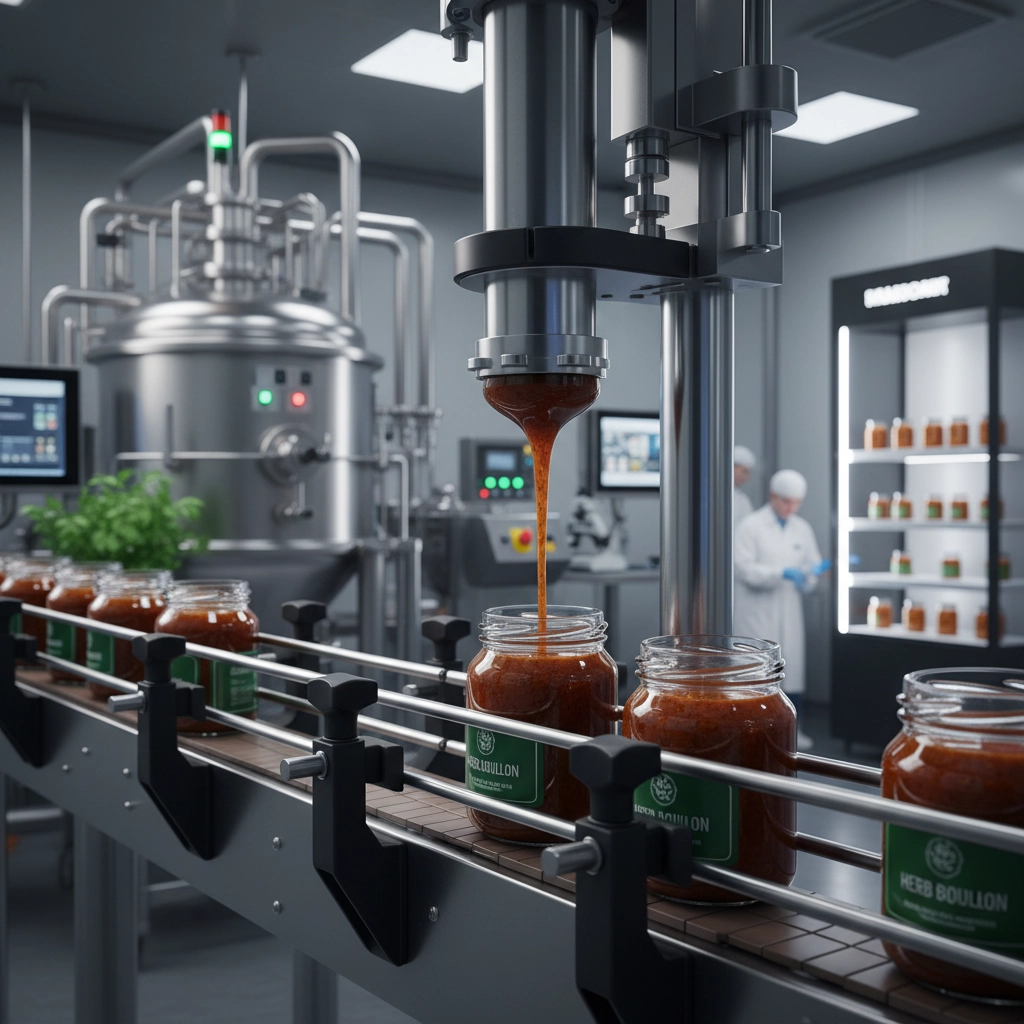
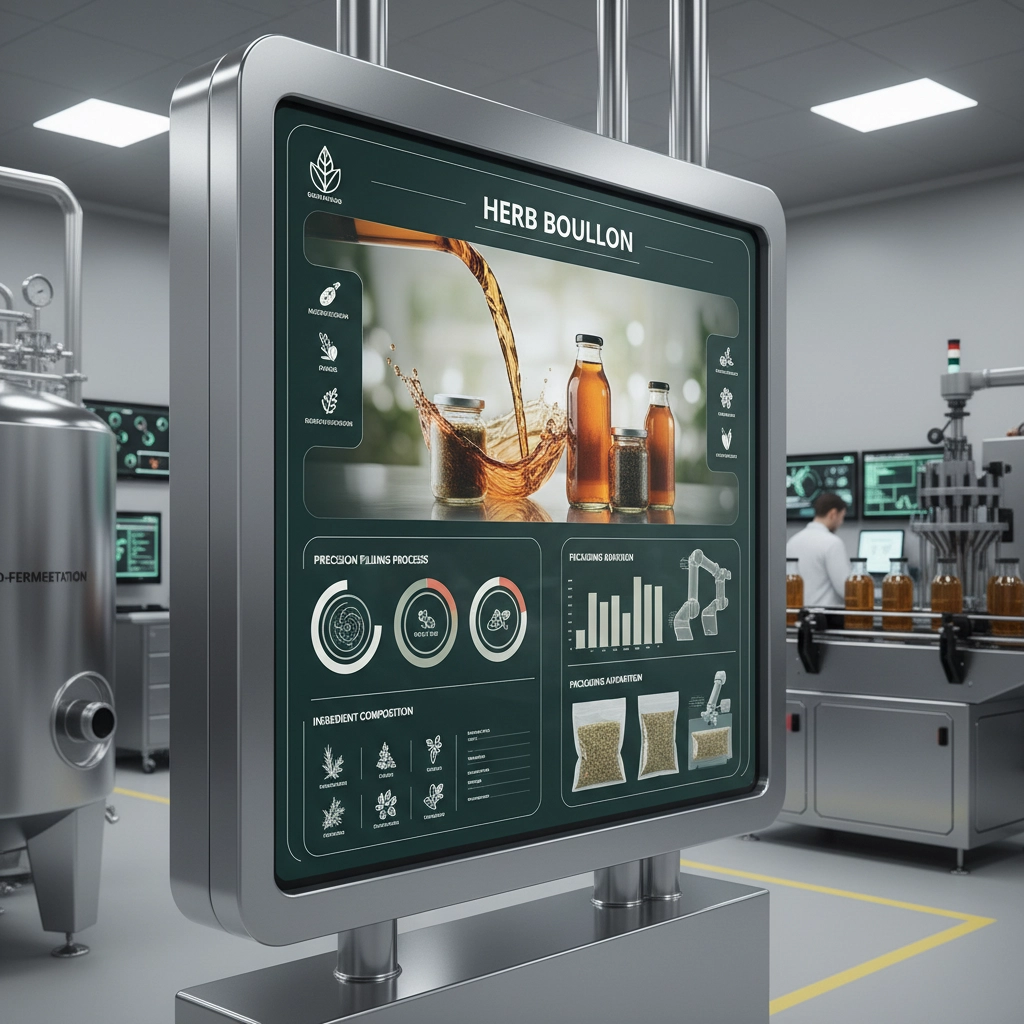
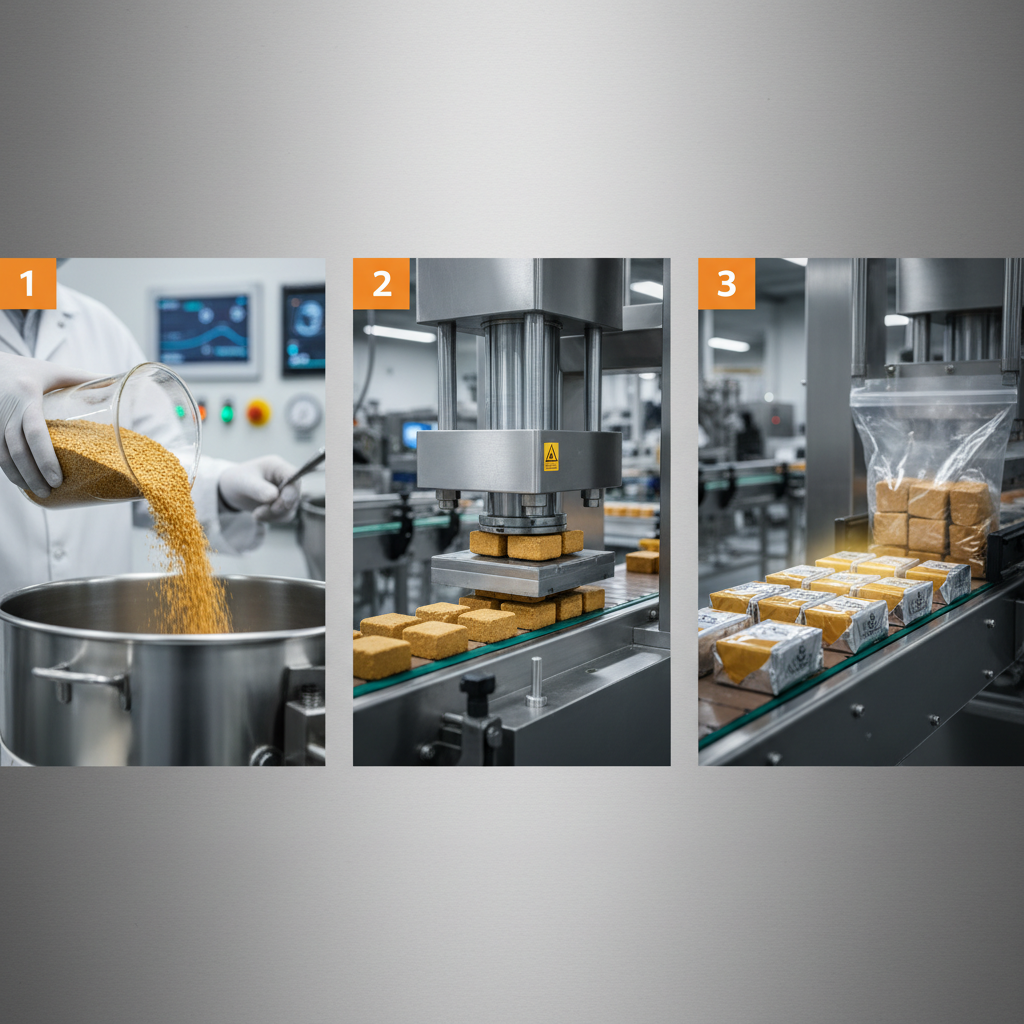
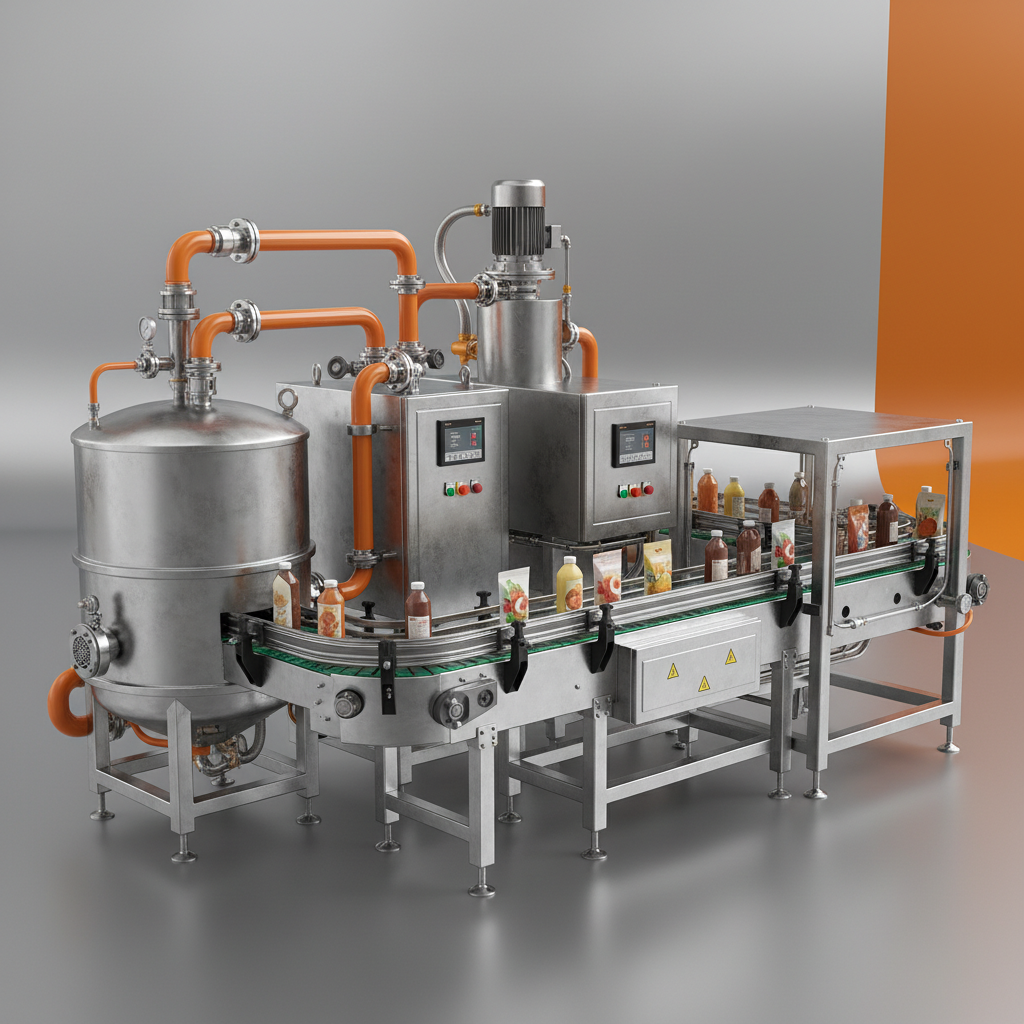
In the evolving landscape of global food production, herb bouillon has emerged as a critical intersection between traditional culinary artistry and modern food science. As consumers shift toward more convenient yet flavor-dense options, the demand for high-quality, dehydrated seasoning bases has spiked, driving manufacturers to innovate in nutrient retention and flavor stability.
Understanding the complexity of herb bouillon is essential for stakeholders across the food additive industry, as it represents a sophisticated blend of salt, fats, and botanical extracts. From a commercial perspective, mastering the balance of these ingredients allows for the creation of products that not only satisfy taste buds but also meet strict international regulatory standards for food safety and shelf-life.
Whether utilized in industrial-scale soup production or as a home-cooking staple, the versatility of herb bouillon provides a scalable solution for flavor consistency. By analyzing its chemical composition and production methods, manufacturers can optimize cost-efficiency while delivering a product that resonates with the global move toward "clean label" and organic-inspired food additives.
Global Market Dynamics of Herb Bouillon
The global appetite for savory, herb-infused bases has seen a steady climb, mirrored by the growth of the convenient food sector. According to trends observed in international trade data, the shift toward plant-based diets has pushed herb bouillon from a secondary ingredient to a primary flavor driver in vegan and vegetarian cuisines worldwide.
However, the industry faces a significant challenge: maintaining the volatile aromatic compounds of fresh herbs during the dehydration process. Manufacturers are now leveraging advanced spray-drying and freeze-drying technologies to ensure that the sensory profile of the bouillon remains consistent from the factory to the consumer's kitchen.
Technical Definition and Composition
At its most fundamental level, herb bouillon is a concentrated, dehydrated seasoning agent designed to be reconstituted in water to create a flavorful broth. Unlike simple salt blends, a professional-grade bouillon integrates a complex matrix of yeast extracts, vegetable powders, and a curated selection of herbs such as parsley, thyme, and bay leaf.
In the context of the food additive industry, this product is viewed as a "flavor carrier." The technical goal is to achieve a homogeneous distribution of particulates so that every cube or granule delivers an identical taste profile. This requires precise control over particle size and moisture content to prevent clumping and oxidation.
Modern humanitarian needs have also influenced the definition of bouillon. In disaster relief or remote industrial zones, herb bouillon serves as a critical tool for improving the palatability of basic rations, providing psychological comfort and essential sodium levels in high-stress environments.
Core Components for Quality Control
To ensure the excellence of herb bouillon, manufacturers focus heavily on Flavor Stability. This involves using antioxidants and specific pH regulators that prevent the "off-notes" often associated with processed vegetable fats, ensuring the product tastes fresh months after production.
Another pivotal factor is Solubility and Dispersion. A high-quality herb bouillon must dissolve rapidly in hot water without leaving gritty residues. This is achieved through the optimized use of maltodextrin or other food-grade carriers that facilitate a smooth transition from powder to liquid.
Finally, Cost Efficiency cannot be overlooked. By balancing expensive organic herb extracts with high-yield yeast proteins, producers can maintain a premium taste profile while keeping the price point accessible for mass-market distribution in the food additive sector.
Performance Metrics of Production Methods
The production of herb bouillon varies significantly depending on the intended end-use. While traditional air-drying is cost-effective for bulk industrial use, it often degrades the heat-sensitive aromatic oils of the herbs, leading to a flatter flavor profile.
In contrast, vacuum-drying and freeze-drying methods preserve the cellular structure of the botanical ingredients. Although these methods require higher capital investment, the resulting herb bouillon commands a higher market price due to its superior color and aroma.
Comparative Quality Rating of Herb Bouillon Production Methods
Industrial Applications and Use Cases
The application of herb bouillon extends far beyond the home kitchen. In the ready-to-eat (RTE) meal industry, it serves as a standardized base for instant soups and sauces, ensuring that a product tastes the same in New York as it does in Tokyo. This consistency is vital for global brand loyalty.
Beyond commercial food, we see specialized use cases in remote industrial zones, such as mining camps or offshore platforms. In these environments, herb bouillon provides a low-weight, high-impact flavor solution that reduces the logistical burden of transporting fresh produce while maintaining the nutritional morale of the workforce.
Long-term Value and Sustainability
From a sustainability perspective, herb bouillon offers a significant reduction in food waste. By concentrating the essence of herbs and vegetables into a stable powder, the industry minimizes the spoilage associated with fresh botanical logistics, effectively lowering the carbon footprint of the supply chain.
Furthermore, the economic value of bouillon lies in its versatility. It can be seamlessly integrated into different product categories, from pharmaceutical-grade nutrient broths to high-end gourmet seasonings. This adaptability allows manufacturers to hedge against market volatility by diversifying their product range.
Ultimately, the trust consumers place in these products stems from transparency. The move toward organic herb bouillon—free from MSG and synthetic dyes—reflects a deeper commitment to health and dignity, transforming a simple additive into a wellness-oriented ingredient.
Future Innovations in Flavor Technology
The future of herb bouillon is being shaped by the digital transformation of food chemistry. AI-driven flavor profiling is now being used to analyze thousands of herb combinations, identifying the exact molecular ratios that trigger the most positive sensory responses in diverse ethnic populations.
Additionally, we are seeing a trend toward "precision nutrition," where bouillon is fortified with micronutrients or probiotics. This transforms the product from a simple seasoning into a functional food, catering to an aging global population that requires nutrient-dense, easy-to-consume meals.
Sustainability policies are also pushing the industry toward green energy in processing. The adoption of solar-powered drying arrays and biodegradable packaging is ensuring that the lifecycle of herb bouillon aligns with the global goal of net-zero emissions.
Comparative Analysis of Herb Bouillon Innovation Trends
| Innovation Driver |
Technical Approach |
Expected Impact |
Implementation Complexity |
| AI Flavor Profiling |
Molecular Mapping |
Hyper-personalized taste |
High |
| Clean Labeling |
Natural Preservatives |
Increased consumer trust |
Medium |
| Functional Fortification |
Micro-encapsulation |
Health-benefit integration |
High |
| Eco-Packaging |
Corn-starch polymers |
Reduced plastic waste |
Low |
| Energy Transition |
Solar Thermal Drying |
Lower production costs |
Medium |
| Botanical Sourcing |
Vertical Farming |
Year-round freshness |
Medium |
FAQS
Herb bouillon specifically emphasizes a botanical profile, utilizing a higher concentration of dried herbs like thyme, rosemary, and parsley, whereas standard stock cubes often rely more heavily on meat extracts and generic salt enhancers. This makes herb bouillon a preferred choice for plant-based diets and lighter, aromatic dishes.
Manufacturers use a combination of low water activity (Aw) through advanced dehydration and the addition of natural antioxidants like rosemary extract. Proper vacuum sealing and moisture-proof packaging also prevent oxidation, ensuring the flavor remains potent for 12-24 months.
Yes, specialized versions of herb bouillon are used in pharmaceutical-grade nutrient broths. By removing certain allergens and fortifying the base with specific vitamins and minerals, it serves as a palatable vehicle for nutritional supplementation in clinical settings.
Absolutely. By increasing the concentration of umami-rich ingredients like yeast extract and mushroom powder, and utilizing a more diverse blend of aromatic herbs, manufacturers can reduce sodium levels while maintaining a "full" flavor profile that satisfies the palate.
Freeze-drying (lyophilization) is the gold standard. Because it removes water through sublimation at very low temperatures, it prevents the heat degradation of volatile essential oils, resulting in a bouillon that smells and tastes almost identical to fresh herbs.
Buyers should look for certifications such as ISO 22000, HACCP, and organic labels (USDA/EU). Requesting a COA (Certificate of Analysis) for each batch helps verify moisture content, purity levels, and the absence of contaminants.
Conclusion
The journey of herb bouillon from a simple kitchen helper to a high-tech food additive highlights the broader trends of convenience, health, and sustainability in the global food industry. By integrating advanced dehydration techniques with a deep understanding of botanical chemistry, the industry has created a product that offers unparalleled consistency and efficiency.
Looking ahead, the integration of AI-driven flavor design and functional nutrition will likely redefine the role of bouillon in our diets. For manufacturers and distributors, the key to success lies in balancing technical precision with a commitment to clean-label transparency. We invite you to explore our professional solutions and elevate your product line. Visit our website: www.chinaseasoning.com