In the fast-paced world of modern culinary production, the demand for consistent, high-quality flavor bases has led to the rise of hot chicken stock cubes as a pivotal ingredient. These concentrated flavor enhancers allow food manufacturers and home cooks alike to achieve a deep, savory poultry profile without the labor-intensive process of simmering bones for hours. By condensing essential proteins, salts, and aromatic spices into a stable form, these cubes bridge the gap between gourmet taste and industrial efficiency.
Globally, the shift toward convenience foods and the expansion of the ready-to-eat sector have amplified the relevance of seasoned bouillon. The ability to standardize taste across different batches and geographic regions makes hot chicken stock cubes an indispensable tool for maintaining brand consistency in the food additive industry. From enhancing instant noodles to enriching professional catering soups, the versatility of these cubes is unmatched in the realm of savory seasonings.
Understanding the science and application of these stock cubes is not merely about flavor; it is about optimizing cost-effectiveness, reducing food waste, and ensuring food security. As the global population grows, the need for nutrient-dense, shelf-stable flavorings that can be deployed in any kitchen environment becomes critical. This guide explores the technical dimensions, global applications, and future innovations of this essential food additive.
Global Industry Context of Hot Chicken Stock Cubes
The global market for seasoned bouillon is witnessing an unprecedented surge, driven by the urbanization of Asia and Africa and the demand for "quick-prep" meals in Western markets. According to food industry trends aligned with ISO quality standards, the efficiency of hot chicken stock cubes provides a scalable solution for food producers who need to maintain a specific taste profile across millions of units. The challenge often lies in balancing salt content with authentic poultry extracts to meet evolving health regulations without sacrificing the "umami" punch.
Furthermore, the logistics of transporting liquid stocks are costly and prone to spoilage. By converting these liquids into dehydrated cubes, the industry drastically reduces shipping weights and eliminates the need for expensive cold-chain logistics. This transformation not only lowers the carbon footprint of the supply chain but also ensures that high-quality chicken flavor can reach remote industrial zones and humanitarian aid centers where fresh ingredients are unavailable.
Defining the Essence of Hot Chicken Stock Cubes
At its core, hot chicken stock cubes are concentrated blocks of dehydrated seasoning, comprising chicken extracts, salt, flavor enhancers (such as MSG or yeast extract), and a blend of herbs and spices. The "hot" aspect refers both to the temperature at which they are typically dissolved and, in some specialized commercial variants, the addition of spicy elements to cater to regional palates like those in Southeast Asia or Mexico.
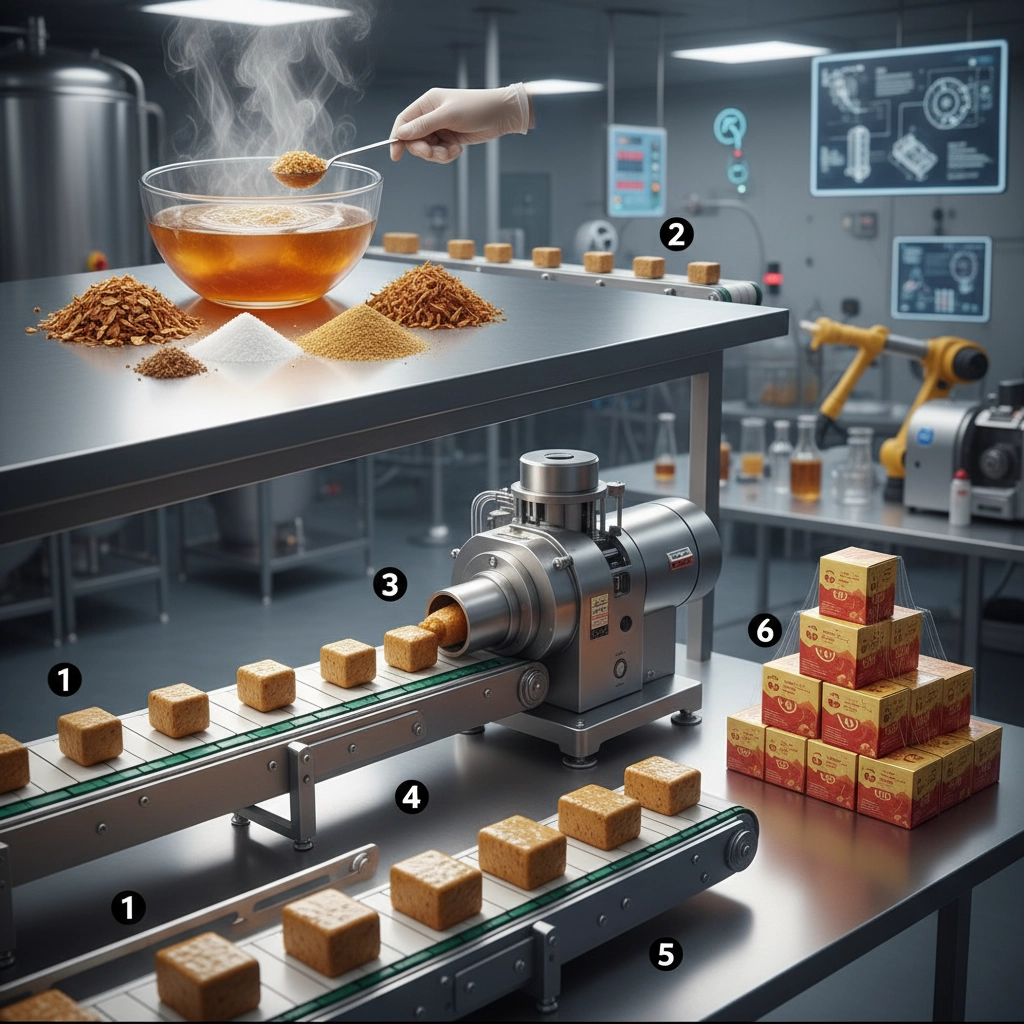
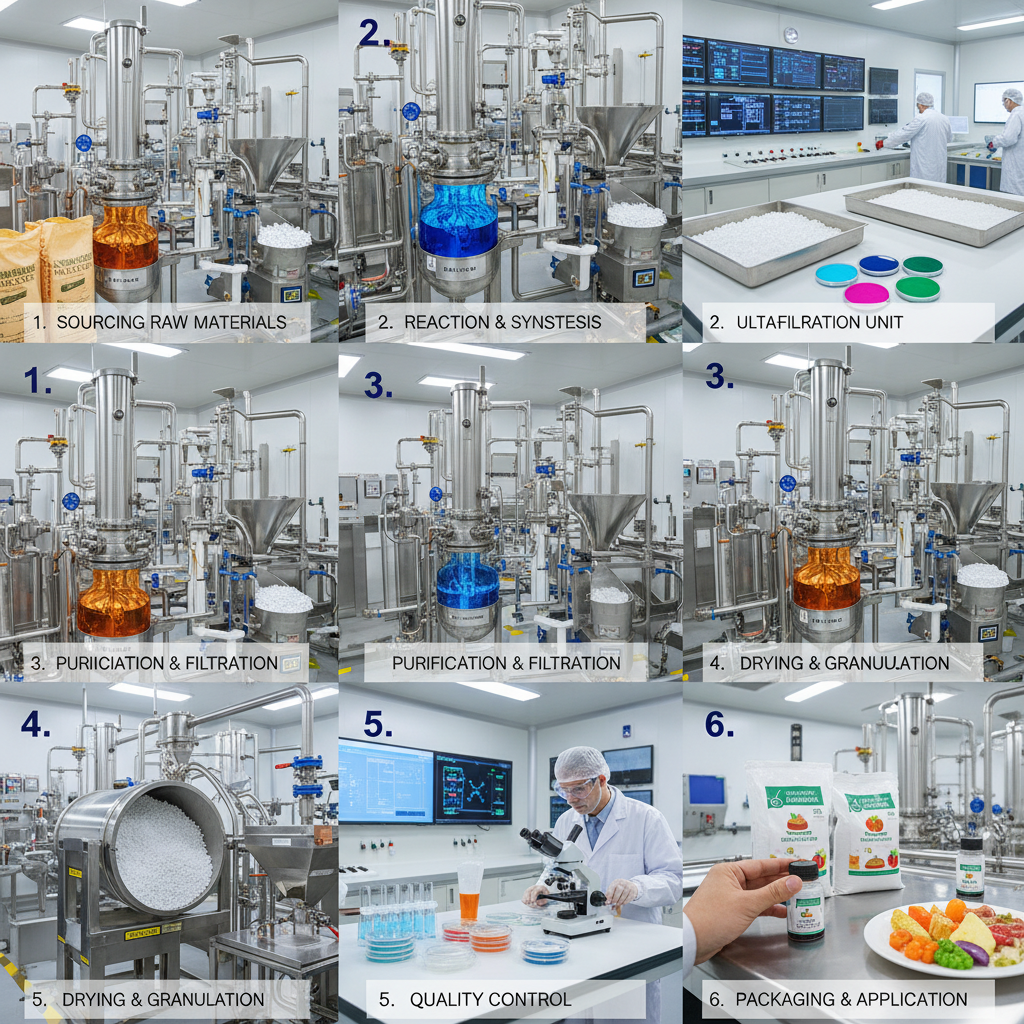
From a manufacturing perspective, these cubes are a triumph of food engineering. They utilize spray-drying and compression technology to lock in volatile flavor compounds that would otherwise evaporate during traditional boiling. This ensures that when a user adds the cube to boiling water, the reconstitution is rapid and the sensory experience is identical to a fresh stock, providing a reliable "base" for a multitude of culinary creations.
Beyond the kitchen, these products serve a critical humanitarian need. In disaster relief operations, providing nutrient-fortified, calorie-dense seasonings allows NGOs to make basic grains—like rice or maize—more palatable and nutritionally complete for displaced populations. Thus, the simple stock cube evolves from a convenience product into a tool for global food security and dignity.
Core Components for Optimal Flavor Delivery
The effectiveness of hot chicken stock cubes depends heavily on the quality of the poultry extract. High-grade cubes use real chicken concentrate, which provides the essential amino acids and fats necessary for a rich mouthfeel. The synergy between these proteins and sodium creates the foundational savory profile that defines a professional-grade stock.
Stability and solubility are equally critical. The inclusion of precise anti-caking agents and binders ensures that the cubes do not crumble during transport nor clump when added to water. For hot chicken stock cubes, the ratio of salt to fat must be meticulously calibrated to ensure a clean dissolve without leaving an oily residue on the surface of the liquid.
Finally, the aromatic profile is completed through the addition of dehydrated vegetables, such as onion and celery powders, and herbs like parsley. These components provide the "top notes" that mask the industrial nature of the processing, giving the end-user the impression of a home-cooked broth. The integration of these micro-ingredients determines the perceived premium quality of the product.
Industrial Applications and Use Cases
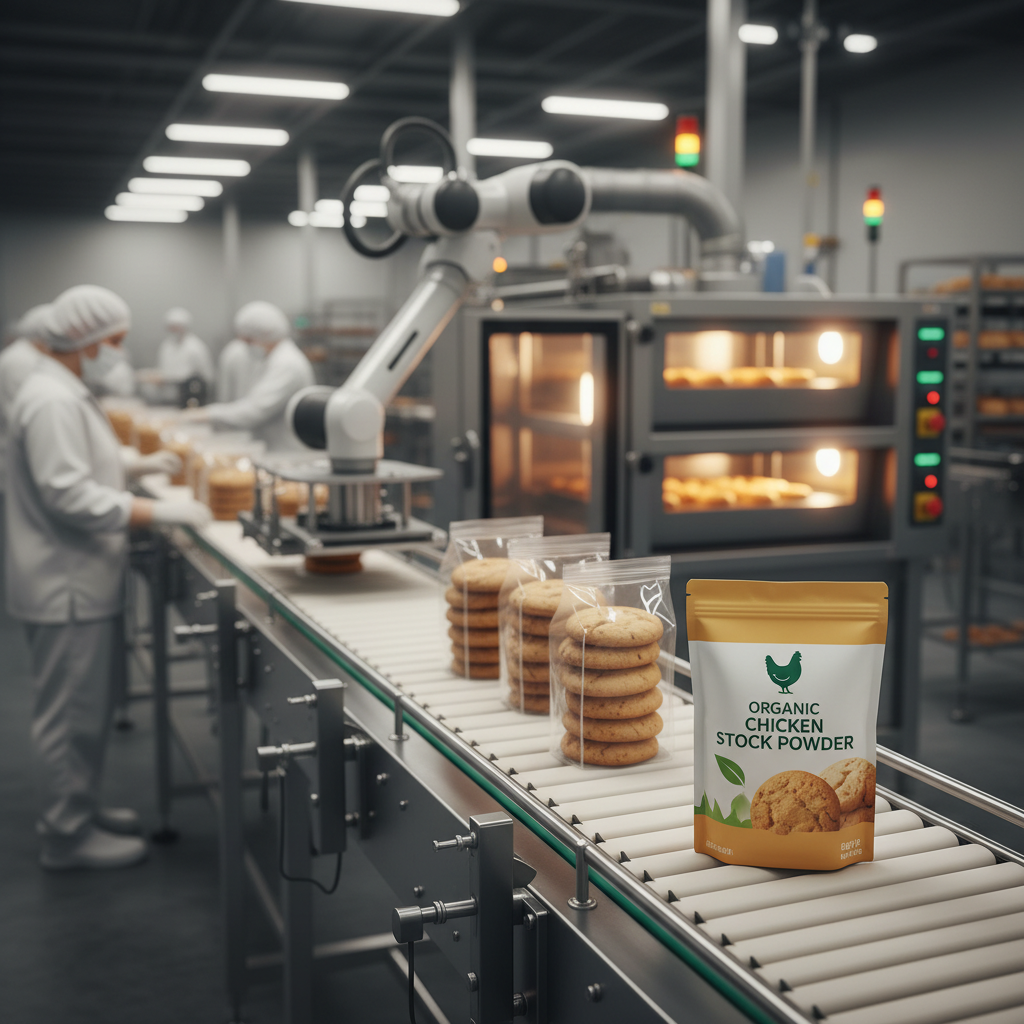
In the commercial food sector, hot chicken stock cubes are utilized as primary seasoning agents in the production of instant soups, gravies, and marinated meats. By using a pre-measured cube or its powdered equivalent, factories can automate their mixing processes, eliminating the variability associated with fresh ingredients and reducing the risk of microbial contamination.
Outside of the factory, these cubes are vital in "dark kitchens" and fast-food franchises. For a chain with a thousand locations, ensuring that the chicken soup in New York tastes exactly like the one in Tokyo is a massive challenge. The use of standardized hot chicken stock cubes ensures an identical flavor baseline, allowing the brand to scale rapidly without quality degradation.
Performance Comparison of Hot Chicken Stock Cube Formulations
Long-Term Value and Economic Advantages
The long-term value of adopting hot chicken stock cubes lies in the dramatic reduction of operational overhead. For a commercial kitchen, the labor cost of preparing stock from scratch is immense, involving hours of monitoring and significant energy consumption for boiling. Cubes provide a "plug-and-play" alternative that maintains a consistent gold standard of flavor while freeing up staff for higher-value tasks.
Sustainability is another logical angle. By utilizing dehydrated stock, businesses reduce the organic waste typically associated with fresh bone and vegetable scraps. Moreover, the high concentration of flavor means a small amount of product yields a large volume of stock, optimizing warehouse space and reducing the frequency of procurement cycles. This efficiency translates directly into higher profit margins and a more resilient supply chain.
Future Trends in Savory Cube Innovation
The next frontier for hot chicken stock cubes is the integration of "Clean Label" ingredients. Consumers are increasingly wary of artificial enhancers and synthetic dyes. Consequently, we are seeing a shift toward natural yeast extracts and mushroom-based umami boosters that mimic the taste of chicken without the use of chemical additives, appealing to the health-conscious and vegan-adjacent markets.
Digital transformation is also hitting the food additive sector. Smart manufacturing is allowing for "precision flavoring," where the composition of a cube can be adjusted in real-time based on the specific needs of a client's regional market. For instance, a batch of hot chicken stock cubes intended for the Latin American market may have increased acidity and spice, while those for the East Asian market may prioritize a sweeter, soy-influenced undertone.
Lastly, the move toward green energy in the spray-drying process is reducing the environmental impact of production. By utilizing solar-thermal energy and closed-loop water systems, manufacturers are ensuring that the convenience of the stock cube does not come at the cost of the planet, aligning the product with global ESG (Environmental, Social, and Governance) goals.
Overcoming Challenges in Stock Cube Production
One of the primary challenges in producing hot chicken stock cubes is the prevention of oxidation. The fats within the chicken extract can go rancid over time, leading to "off-flavors." To solve this, experts are employing advanced vacuum-sealing and the addition of natural antioxidants like rosemary extract, which extend shelf life without relying on synthetic preservatives.
Another hurdle is the balance of sodium. Global health organizations are pushing for lower salt intake, but salt is the primary preservative and flavor carrier in bouillon. The solution lies in "salt-replacement technology," using potassium chloride or flavor-enhancing minerals that trick the tongue into perceiving saltiness while actually reducing the total sodium content by up to 30%.
Finally, achieving a perfect "snap" and "dissolve" requires precise pressure control during the compression phase. If the cube is too hard, it won't dissolve; if it's too soft, it crumbles in the packaging. By utilizing AI-driven pressure sensors in the molding machines, producers can ensure every single cube meets a strict physical specification, guaranteeing user satisfaction every time.
Analysis of Formulation Performance in Hot Chicken Stock Cubes
| Formulation Type |
Solubility Rate |
Flavor Intensity |
Shelf Stability |
| Standard Industrial |
High |
Medium |
Excellent |
| Premium Gourmet |
Medium |
High |
Good |
| Low-Sodium Bio |
High |
Medium-Low |
Fair |
| Organic Natural |
Medium |
Medium |
Good |
| Fast-Dissolve Nano |
Ultra-High |
Medium |
Excellent |
| Spicy Fusion |
High |
High |
Excellent |
FAQS
Professional cubes offer absolute consistency and convenience. While home-made broth is fresh, it varies by batch and requires hours of energy. Commercial cubes are engineered for a specific flavor profile, allowing for standardized taste across global operations, and have a shelf life of months without refrigeration, making them economically superior for high-volume use.
When stored in their original moisture-proof foil packaging, hot chicken stock cubes can typically last 12 to 24 months. However, once opened, humidity can cause clumping. We recommend storing them in an airtight container in a cool, dry place to maintain their structural integrity and prevent the fats from oxidizing.
Yes, they are specifically designed for scalability. Many food manufacturers purchase the components of hot chicken stock cubes in bulk powder form to integrate directly into automated mixing lines for instant soups and sauces, ensuring that every single unit produced has the exact same savory profile.
Absolutely. Modern food science uses potassium-based salts and concentrated yeast extracts to maintain the "umami" depth while significantly reducing sodium levels. This allows health-conscious brands to provide a satisfying chicken flavor without compromising dietary guidelines.
Importing food additives requires compliance with the target country's food safety standards (such as FDA or EFSA). We provide all necessary COA (Certificate of Analysis) and MSDS documentation to ensure a smooth customs process. Using a specialized food-grade logistics partner is recommended to avoid temperature fluctuations during transit.
For large-scale dissolution, it is best to whisk the cubes into a small amount of boiling water first to create a concentrated slurry, then incorporate that slurry into the main vat. This prevents "clumping" and ensures the flavor is evenly distributed throughout the entire volume of liquid.
Conclusion
In summary, hot chicken stock cubes represent a critical intersection of culinary art and industrial science. By solving the problems of flavor inconsistency, high labor costs, and logistical inefficiency, they have become a cornerstone of the global food additive industry. From their precise chemical composition to their role in humanitarian aid, these cubes provide a reliable, scalable, and cost-effective way to deliver high-quality savory flavors to millions of people worldwide.
Looking forward, the evolution toward clean-label ingredients and sustainable manufacturing will only increase the value of these products. As consumers demand more transparency and healthier options, the industry must continue to innovate in salt reduction and natural flavor extraction. For businesses looking to optimize their flavor profiles and operational efficiency, investing in high-grade stock solutions is not just a convenience—it is a strategic advantage. Visit our website for more professional seasoning solutions: www.chinaseasoning.com