Understanding how do you use bouillon cubes is more than just a basic kitchen skill; it is an entry point into the science of flavor enhancement and food preservation. These concentrated bursts of savory goodness provide a convenient way to introduce deep, complex tastes into a variety of dishes without the need for hours of simmering raw bones or vegetables. In the global food industry, the efficiency of these additives has revolutionized how home cooks and professional chefs alike approach seasoning.
Across different cultures, the application of bouillon varies, but the core principle remains the same: maximizing umami. Whether it is used as a base for a hearty soup, a secret ingredient in a marinade, or a quick fix for a bland sauce, knowing the nuances of dissolution and ratio ensures a balanced flavor profile. The versatility of these cubes makes them indispensable in fast-paced culinary environments where consistency is key.
From a manufacturing perspective, the production of bouillon cubes involves sophisticated dehydration and compression techniques to ensure a long shelf life and stable potency. By mastering how do you use bouillon cubes, users can optimize their ingredient costs while maintaining high gastronomic standards, bridging the gap between industrial efficiency and artisanal taste.
The Fundamental Basics of Using Bouillon Cubes
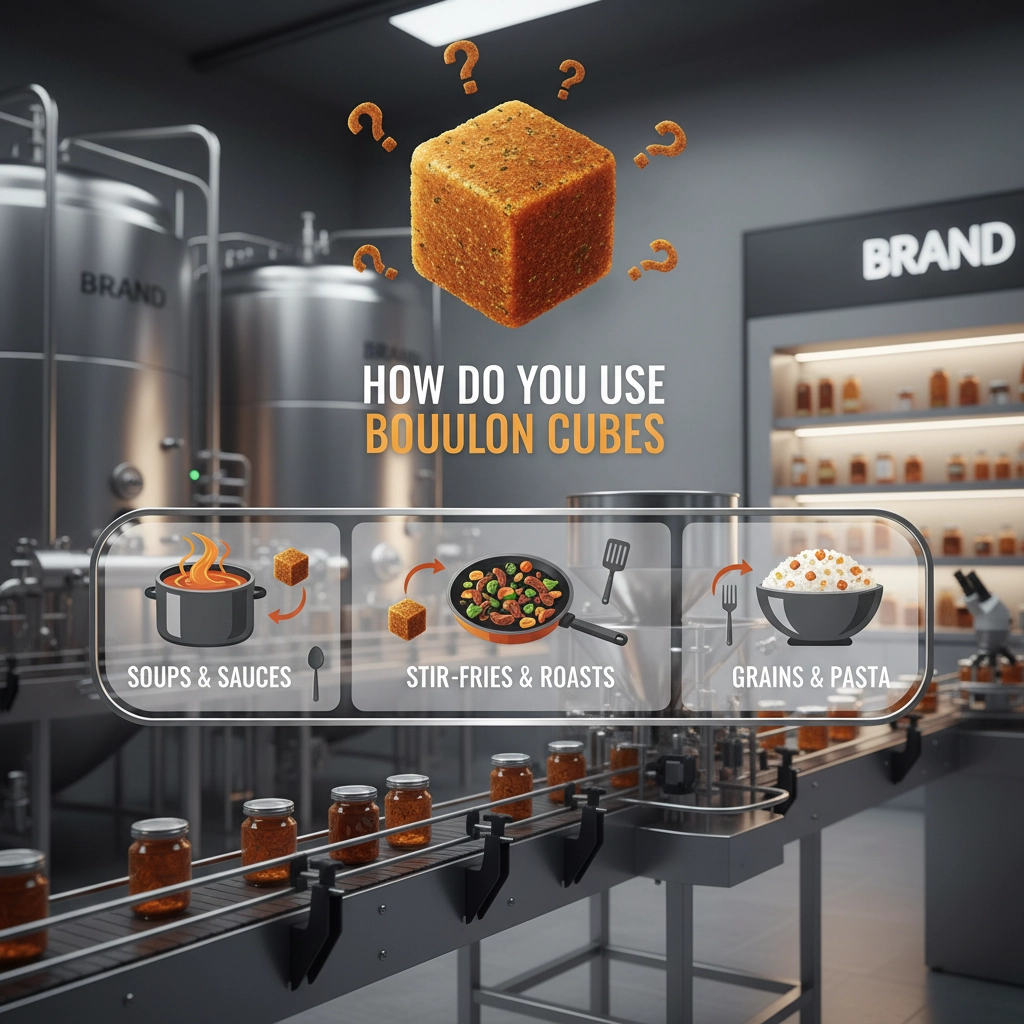
When exploring how do you use bouillon cubes, the first step is understanding the ratio of product to liquid. Typically, one cube is designed to dissolve in approximately two cups (500ml) of boiling water. This concentration provides a standardized salt and flavor baseline, allowing for predictable results across different batches of food.
For those seeking more control, crumbling the cube directly into a pan of sautéing vegetables—known as "blooming"—can intensify the aromatic compounds. This method allows the fats in the pan to carry the flavor more effectively than water alone, creating a richer foundation for stews and gravies.
Global Relevance and Industrial Application
In the global food landscape, bouillon cubes represent a triumph of food engineering. According to industry trends, the demand for concentrated seasonings has risen significantly in developing regions where access to fresh meat for long-term stock brewing is limited or expensive. This has made bouillon a critical tool for food security and nutritional supplementation in various humanitarian contexts.
The industrialization of flavor has allowed companies to standardize tastes across borders, ensuring that a "chicken flavor" profile remains consistent whether the product is used in Southeast Asia or Western Europe. This standardization is vital for global food chains and pharmaceutical-grade food intermediates that require strict adherence to taste parameters.
However, the challenge lies in the high sodium content often found in these products. Modern manufacturers are now pivoting toward low-sodium formulations and organic extracts to meet the health-conscious demands of the 21st-century consumer, while still maintaining the ease of use that makes these cubes so popular.
Technical Factors for Optimal Dissolution
One of the most common technical questions is how do you use bouillon cubes without leaving gritty residue. The key is the temperature of the solvent; boiling water is essential for breaking down the compressed fats and salts quickly and uniformly.
Furthermore, the order of addition matters. Adding the cube to a boiling liquid creates an immediate reaction, whereas adding it to cold water may lead to uneven clumps. To solve this, professional chefs often create a "slurry" by mixing the crumbled cube with a small amount of hot water before adding it to a larger pot.
Finally, the chemical composition of the cube—specifically the balance of maltodextrin and salt—affects its solubility. Understanding how do you use bouillon cubes based on their specific brand's ingredient list can help you avoid over-salting your final dish.
Efficiency and Cost-Benefit Analysis
From a commercial standpoint, the decision of how do you use bouillon cubes often comes down to labor costs. Preparing a traditional bone broth takes 12 to 24 hours of simmering and requires significant energy and storage space. In contrast, a bouillon cube provides a similar flavor profile in seconds, drastically reducing overhead for small-to-medium enterprises (SMEs).
The scalability of using concentrated additives is unmatched. Whether producing ten liters or ten thousand liters of soup, the precision of a pre-measured cube ensures that the taste remains uniform, eliminating the risk of human error associated with manual seasoning.
Efficiency Rating of Different Bouillon Application Methods
Diverse Real-World Use Cases
In professional catering and disaster relief operations, the question of how do you use bouillon cubes becomes a matter of logistics. In remote industrial zones or post-disaster camps, where fresh ingredients are unavailable, these cubes provide essential sodium and flavor to bland grains, improving the psychological well-being of the population through palatable food.
Beyond soups, bouillon cubes are used in the pharmaceutical and feed additive sectors as a reference for flavor profiling. By analyzing the breakdown of these cubes, manufacturers can develop more appetizing animal feeds or medicinal syrups that mask bitter active ingredients, showcasing the cross-industry utility of concentrated flavor additives.
Long-Term Value and Sustainability
The long-term value of understanding how do you use bouillon cubes lies in waste reduction. Because they are highly concentrated, they require significantly less packaging and transport energy compared to liquid stocks. This reduction in the carbon footprint makes them a more sustainable choice for global distribution.
Moreover, the reliability of bouillon cubes ensures food safety. The high salt content and low moisture levels inhibit microbial growth, reducing the risk of spoilage in environments without consistent refrigeration. This provides a layer of safety and dignity to food preparation in marginalized communities.
Innovation in the field is also driving the creation of "clean label" cubes. By removing artificial MSG and replacing it with yeast extracts and natural mushrooms, the industry is evolving to provide the same convenience without compromising health, ensuring that bouillon remains a staple in the modern pantry.
Future Trends in Flavor Additives
The future of how do you use bouillon cubes will be shaped by digital transformation and precision nutrition. We are seeing the rise of "smart seasonings" tailored to individual health profiles, where bouillon cubes are fortified with vitamins and minerals to fight malnutrition in specific geographic regions.
Automation in the food industry is also integrating bouillon delivery systems. In large-scale industrial kitchens, automated dispensers now calculate the exact amount of concentrated seasoning required based on the weight of the ingredients, eliminating waste and ensuring a perfect taste every time.
Finally, the shift toward plant-based diets is sparking a revolution in bouillon manufacturing. New fermentation technologies are allowing for "meat-free" cubes that replicate the exact molecular structure of beef or chicken stock, providing a sustainable, cruelty-free alternative that doesn't sacrifice the savory experience.
Analysis of Bouillon Cube Application Across Different Scenarios
| Application Sector |
Primary Usage Method |
Key Benefit |
Efficiency Score (1-10) |
| Home Cooking |
Boiling water dissolution |
Convenience & Speed |
9 |
| Industrial Catering |
Bulk slurry mixing |
Consistency & Scale |
10 |
| Humanitarian Aid |
Direct addition to grains |
Shelf-life & Nutrition |
8 |
| Animal Feed |
Powdered integration |
Palatability Increase |
7 |
| Restaurant Kitchens |
Blooming in fats |
Flavor Depth |
8 |
| Pharmaceuticals |
Reference profiling |
Taste Masking |
6 |
FAQS
The fastest and most effective way is to drop the cube into boiling water. The high temperature breaks down the compressed fats and salts almost instantly. For even faster integration in large volumes, crumble the cube into a small amount of boiling water first to create a concentrated liquid before stirring it into the main pot.
Yes, but you must be cautious. Most bouillon cubes are heavily salted to act as a preservative. It is highly recommended to taste your dish first before adding any additional salt. If you are sensitive to sodium, look for "low-sodium" versions or use a smaller fraction of a cube to achieve the desired flavor profile.
You can use them as a dry rub or seasoning. Simply crumble the cube into a fine powder using a grater or a mortar and pestle. This powder can then be mixed with other spices and rubbed onto meats or sprinkled over roasted vegetables to add a concentrated burst of umami flavor.
While not a direct nutritional replacement for bone broth, they offer an efficient way to add flavor. Homemade stocks contain more collagen and minerals, but bouillon cubes provide convenience and consistency. By choosing organic, MSG-free options, you can minimize the health trade-offs while keeping the culinary benefits.
Store them in a cool, dry place away from direct sunlight. Because they are hygroscopic (they attract moisture), keeping them in an airtight container is essential to prevent them from becoming sticky or clumping together, which can affect how they dissolve during use.
It depends on the product. Many traditional bouillon cubes contain animal fats or extracts. However, there is a wide range of vegetable-based bouillon cubes available that provide the same savory depth using yeast extracts and mushrooms, making them perfect for vegan and vegetarian diets.
Conclusion
Mastering how do you use bouillon cubes allows anyone—from the home cook to the industrial manufacturer—to achieve professional flavor results with minimal effort. By understanding the balance of dissolution temperatures, ratios, and application methods like blooming, you can transform a simple additive into a powerful culinary tool that ensures consistency, reduces costs, and maximizes umami.
As the industry moves toward cleaner labels and sustainable production, the role of concentrated flavor additives will only grow. Whether you are optimizing a commercial recipe or simply enhancing a family meal, the strategic use of bouillon cubes represents a perfect intersection of science and taste. To explore high-quality food additives and seasoning solutions, visit our website: www.chinaseasoning.com