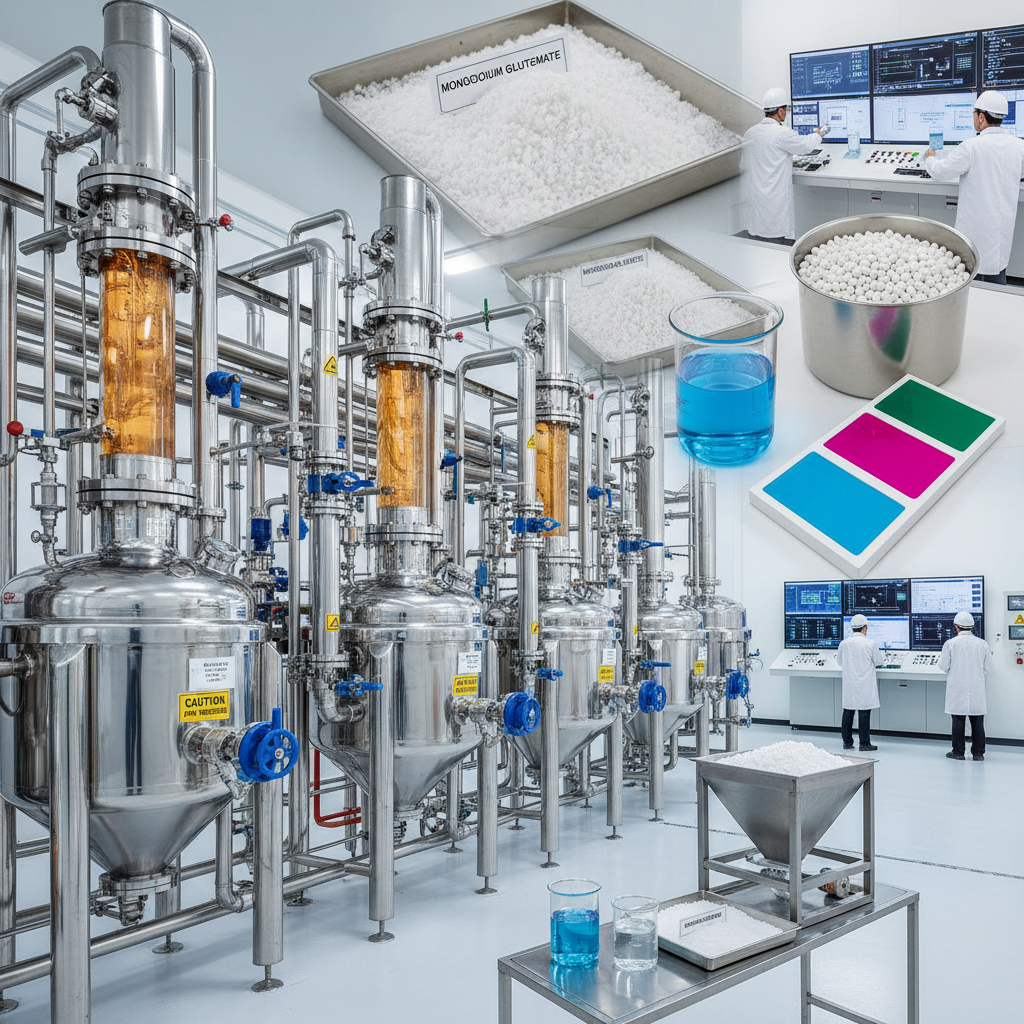
The production of monosodium glutamate by fermentation represents a pinnacle of industrial biotechnology, transforming simple agricultural raw materials into one of the world's most widely used flavor enhancers. By leveraging the metabolic capabilities of specific microorganisms, this process allows for the large-scale synthesis of L-glutamic acid, which is then neutralized to create the crystalline MSG we find in kitchens and industrial food plants globally.
Understanding this process is critical not only for food scientists but also for sustainability experts, as fermentation-based production offers a more eco-friendly alternative to traditional chemical synthesis. As global demand for palatable and affordable food grows, the efficiency of the production of monosodium glutamate by fermentation determines the accessibility of high-quality seasoning in emerging markets.
From a commercial perspective, the optimization of this biotechnological route ensures cost-effectiveness and purity, meeting strict international food safety standards. This guide delves into the intricate mechanics, global applications, and future innovations that define the modern landscape of the production of monosodium glutamate by fermentation.
The Biological Mechanism of MSG Fermentation
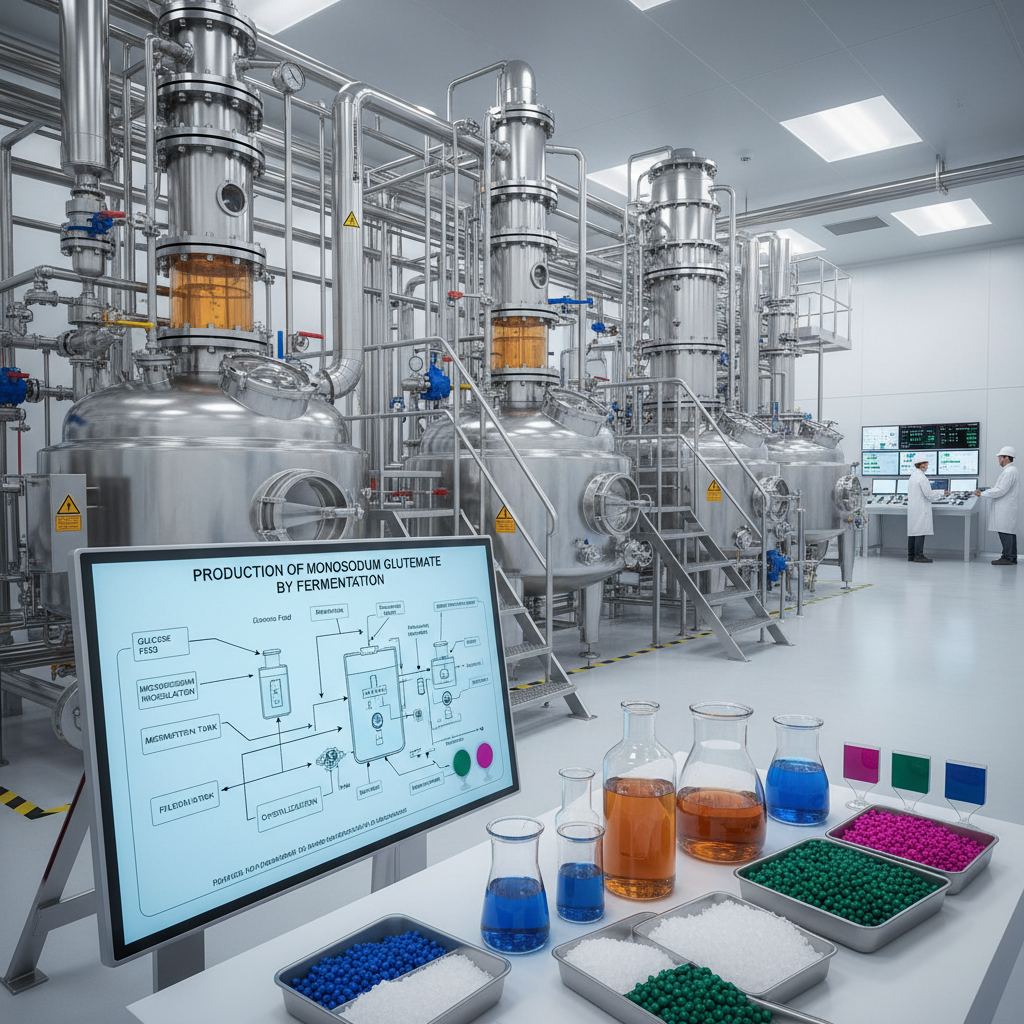
At its core, the production of monosodium glutamate by fermentation relies on the metabolic pathways of bacteria, most notably Corynebacterium glutamicum. These microorganisms are fed carbon sources, such as molasses or starch hydrolysates, which they convert into L-glutamic acid through a complex series of enzymatic reactions. The secret to industrial success lies in "leaking" the glutamate from the cell membrane into the surrounding broth, allowing for continuous collection.
Once the fermentation broth reaches peak concentration, the glutamic acid is isolated and neutralized with sodium hydroxide. This precise chemical transition transforms the organic acid into a stable, water-soluble salt—monosodium glutamate. The resulting crystals are then purified and dried, ensuring that the final product maintains the high purity required for pharmaceutical and food-grade applications.
Industrial Scale and Global Market Context
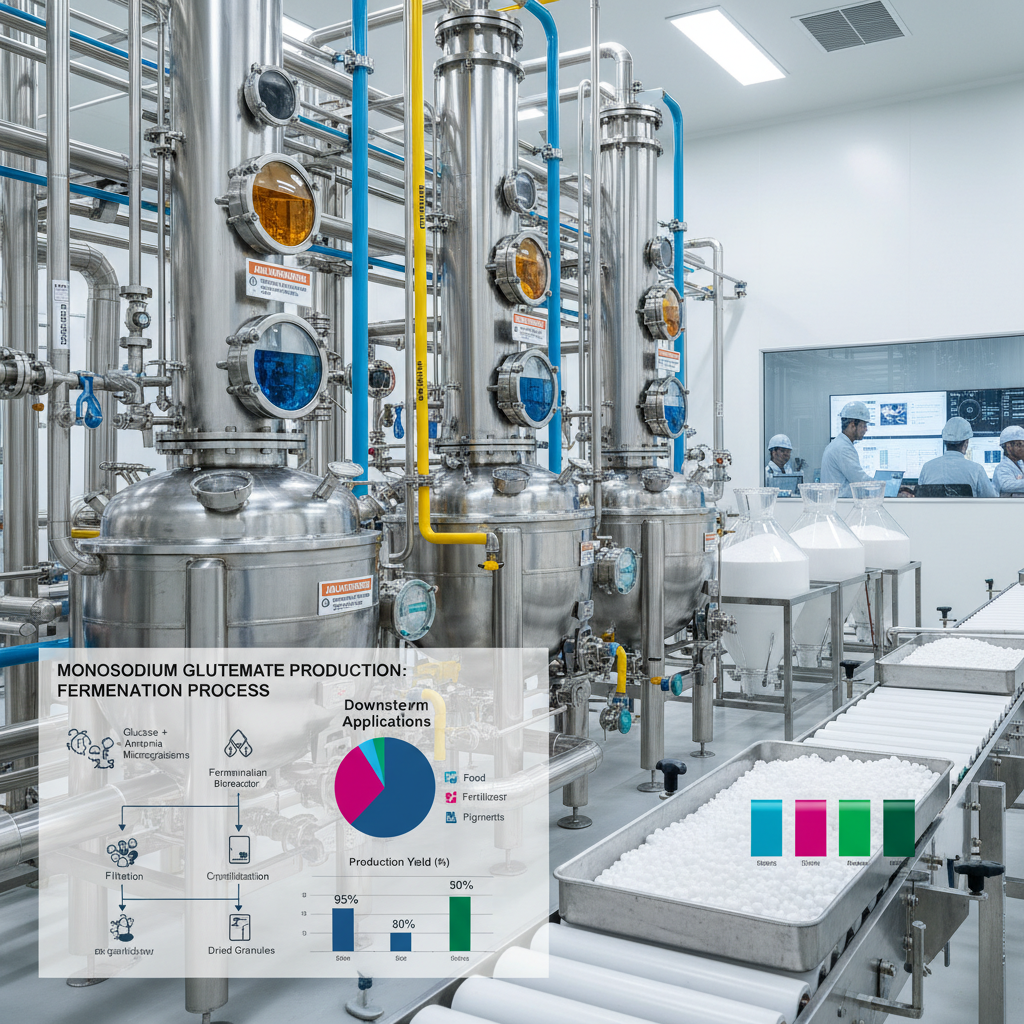
The global landscape of the production of monosodium glutamate by fermentation is dominated by high-capacity bioreactors that can process thousands of tons of substrate annually. According to industry data, Asia remains the primary hub of production, leveraging abundant sugarcane and corn resources to maintain a competitive edge in raw material costs. The integration of automated control systems has allowed manufacturers to maintain strict consistency across massive batches.
However, the industry faces the challenge of fluctuating feedstock prices and the pressure to reduce carbon footprints. The shift toward the production of monosodium glutamate by fermentation is not merely a choice of taste, but a strategic move toward bio-based manufacturing. By utilizing renewable agricultural waste instead of petrochemical precursors, the industry aligns itself with global ISO sustainability standards and the circular economy.
Moreover, the demand is no longer limited to basic culinary use. We see an increasing integration of fermentation-derived glutamate in the pharmaceutical intermediates sector and high-end animal feed additives, where purity and bio-availability are paramount. This diversification ensures that the production of monosodium glutamate by fermentation remains a resilient and growing pillar of the global chemical industry.
Key Factors Influencing Production Yield
Achieving a high titer in the production of monosodium glutamate by fermentation requires meticulous control over the bioreactor environment. Temperature and pH levels must be kept within a narrow window to prevent the microorganisms from diverting energy away from glutamate synthesis and toward biomass growth.
The choice of nitrogen source is another critical variable in the production of monosodium glutamate by fermentation. Ammonia or urea is typically added to provide the essential building blocks for amino acid synthesis, while the precise timing of these additions prevents the inhibition of key enzymes.
Finally, oxygen transfer rates play a decisive role. Since the process is aerobic, the efficient dissolution of air into the fermentation broth is essential. Any limitation in oxygen supply can lead to the production of unwanted by-products, significantly lowering the overall efficiency of the production of monosodium glutamate by fermentation.
Comparative Analysis of Fermentation Methods
Different strategies in the production of monosodium glutamate by fermentation can lead to varying levels of purity and cost-efficiency. Batch fermentation remains the traditional standard, offering simplicity in operation, whereas fed-batch systems allow for higher concentrations of glutamate by preventing substrate inhibition.
Continuous fermentation is the frontier of the industry, promising a constant output of product and reduced downtime. However, maintaining sterile conditions over long periods remains a significant engineering hurdle compared to the discrete cycles of traditional production of monosodium glutamate by fermentation.
Efficiency Comparison of MSG Production Methods
Global Applications across Food and Feed Industries
The outputs from the production of monosodium glutamate by fermentation find their way into a vast array of applications. In the food industry, it is the gold standard for enhancing "umami" flavors in processed meats, savory snacks, and ready-to-eat meals across Asia and Europe. Its ability to balance salts and intensify natural flavors makes it indispensable for industrial food manufacturing.
Beyond the kitchen, the production of monosodium glutamate by fermentation serves the animal nutrition sector. As a feed additive, L-glutamate supports gut health and protein synthesis in livestock, enhancing growth rates and feed conversion ratios. This cross-industry utility proves that the technology is not just about taste, but about optimizing biological nutrition on a global scale.
Sustainability and Environmental Value
One of the most compelling arguments for the production of monosodium glutamate by fermentation is its inherent sustainability. Unlike chemical synthesis, which may rely on petroleum-derived precursors, fermentation uses renewable sugars. This reduces the greenhouse gas emissions associated with the raw material supply chain and supports the agricultural economy.
Furthermore, the by-products of the production of monosodium glutamate by fermentation, such as spent microbial biomass, are rich in protein and minerals. Rather than being discarded as waste, these are often processed into organic fertilizers or high-protein animal feeds, creating a closed-loop system that minimizes environmental impact.
This commitment to green chemistry fosters trust with consumers who are increasingly conscious of the "bio-origin" of their food additives. By prioritizing the production of monosodium glutamate by fermentation, companies can demonstrate a tangible commitment to the UN Sustainable Development Goals, specifically those regarding responsible consumption and production.
Future Innovations in Microbial Engineering
The future of the production of monosodium glutamate by fermentation lies in the realm of CRISPR and synthetic biology. By precisely editing the genome of C. glutamicum, scientists are creating "super-strains" that can utilize non-traditional carbon sources, such as lignocellulosic biomass or even captured CO2, further decoupling production from food-crop competition.
Digital transformation is also reshaping the factory floor. AI-driven sensors now provide real-time metabolic profiling, allowing for autonomous adjustments to nutrient feeds. This ensures that the production of monosodium glutamate by fermentation achieves near-theoretical yields, reducing energy consumption and water usage per kilogram of product.
As we move toward "Industry 4.0," the integration of modular bioreactors will allow for localized production of monosodium glutamate by fermentation, reducing the carbon costs of international shipping. This shift toward decentralized, high-tech bio-manufacturing will ensure that the industry remains innovative and ecologically viable for decades to come.
Comparative Analysis of Future Fermentation Technologies
| Technology Phase |
Yield Impact |
Environmental Footprint |
Implementation Cost |
| Classic Fermentation |
Moderate (6/10) |
Medium |
Low |
| CRISPR-Enhanced Strains |
High (9/10) |
Low |
Medium |
| AI-Driven Bioprocessing |
Very High (10/10) |
Very Low |
High |
| Lignocellulosic Feedstock |
Moderate (7/10) |
Minimal |
Medium |
| Continuous Flow Systems |
High (8/10) |
Low |
High |
| Modular Bio-Plants |
Moderate (7/10) |
Very Low |
Medium |
FAQS
Yes, absolutely. The production of monosodium glutamate by fermentation uses GRAS (Generally Recognized as Safe) microorganisms and agricultural substrates. The resulting L-glutamate is identical to the glutamate found naturally in tomatoes and parmesan cheese, making it safe and widely approved by the FDA and EFSA.
Chemical synthesis relies on petroleum-based precursors and harsh catalysts, whereas the production of monosodium glutamate by fermentation uses sugar and bacteria. Fermentation is significantly more sustainable, cost-effective at scale, and produces a more "natural" L-isomer of glutamate.
The most efficient materials for the production of monosodium glutamate by fermentation are high-sugar substrates like sugarcane molasses and corn steep liquor. These provide the carbon and nitrogen sources necessary for rapid microbial growth and high glutamate secretion.
Yes. By applying advanced purification techniques such as ion-exchange chromatography and recrystallization, the fermentation process can yield pharmaceutical-grade glutamate used in medical infusions and as a precursor for other amino acid derivatives.
While traditional plants had wastewater challenges, modern production of monosodium glutamate by fermentation focuses on "zero-discharge" goals. By converting spent broth into organic fertilizers, plants now significantly reduce their environmental footprint and contribute to circular agriculture.
Depending on the strain and the system (batch vs. fed-batch), a typical cycle for the production of monosodium glutamate by fermentation ranges from 48 to 120 hours. Optimization of oxygen transfer and nutrient feeding is key to shortening this window.
Conclusion
The production of monosodium glutamate by fermentation is a masterclass in the application of industrial microbiology. From the precise genetic orchestration of C. glutamicum to the massive scale of global bioreactors, this process ensures that a critical flavor and nutritional component is available sustainably and affordably. By integrating green chemistry, circular economy principles, and cutting-edge biotechnology, the industry has evolved from simple food production to a sophisticated bio-manufacturing sector.
Looking forward, the synergy between AI and synthetic biology will likely push the boundaries of the production of monosodium glutamate by fermentation even further, reducing costs and environmental impacts. For businesses in the food, feed, and pharmaceutical sectors, embracing these bio-based solutions is not just an operational advantage but a necessity for long-term viability. We invite you to explore our high-purity solutions and learn more about the future of flavor. Visit our website: www.chinaseasoning.com