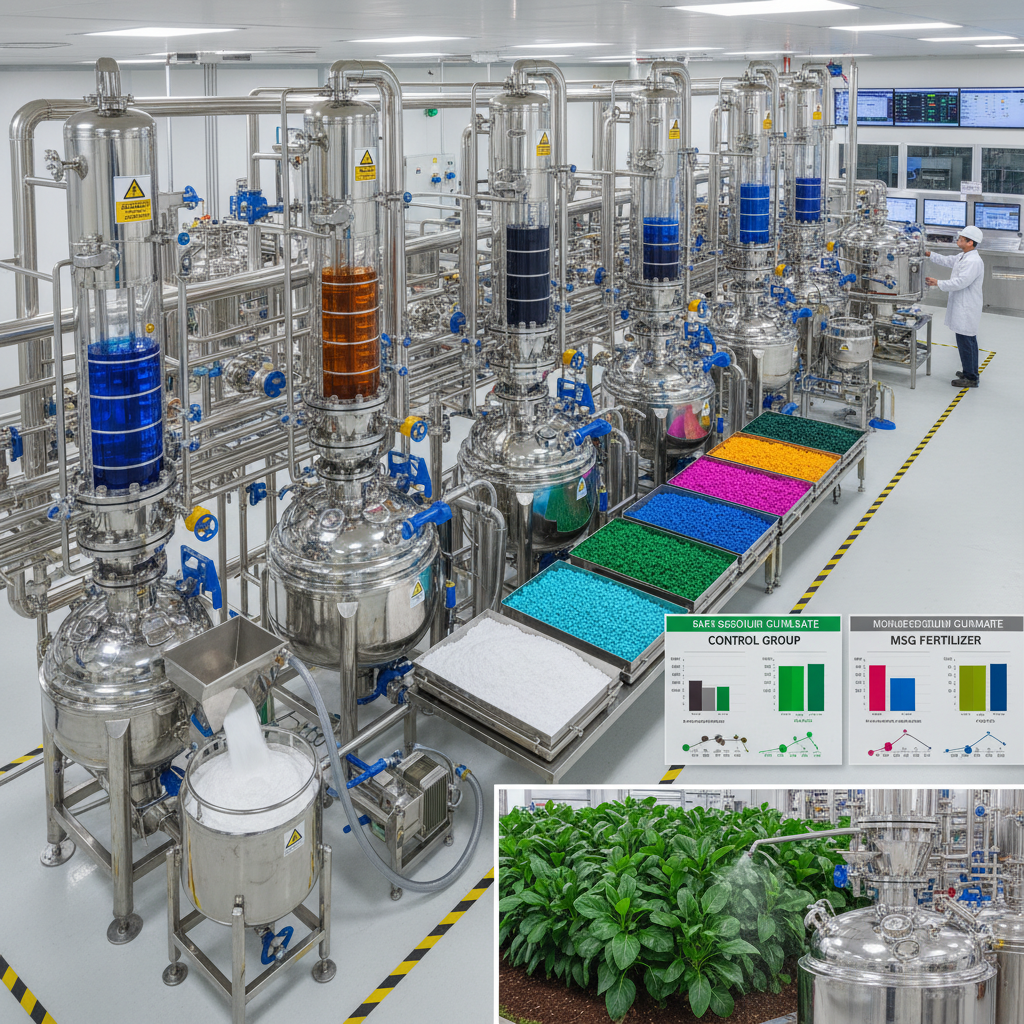
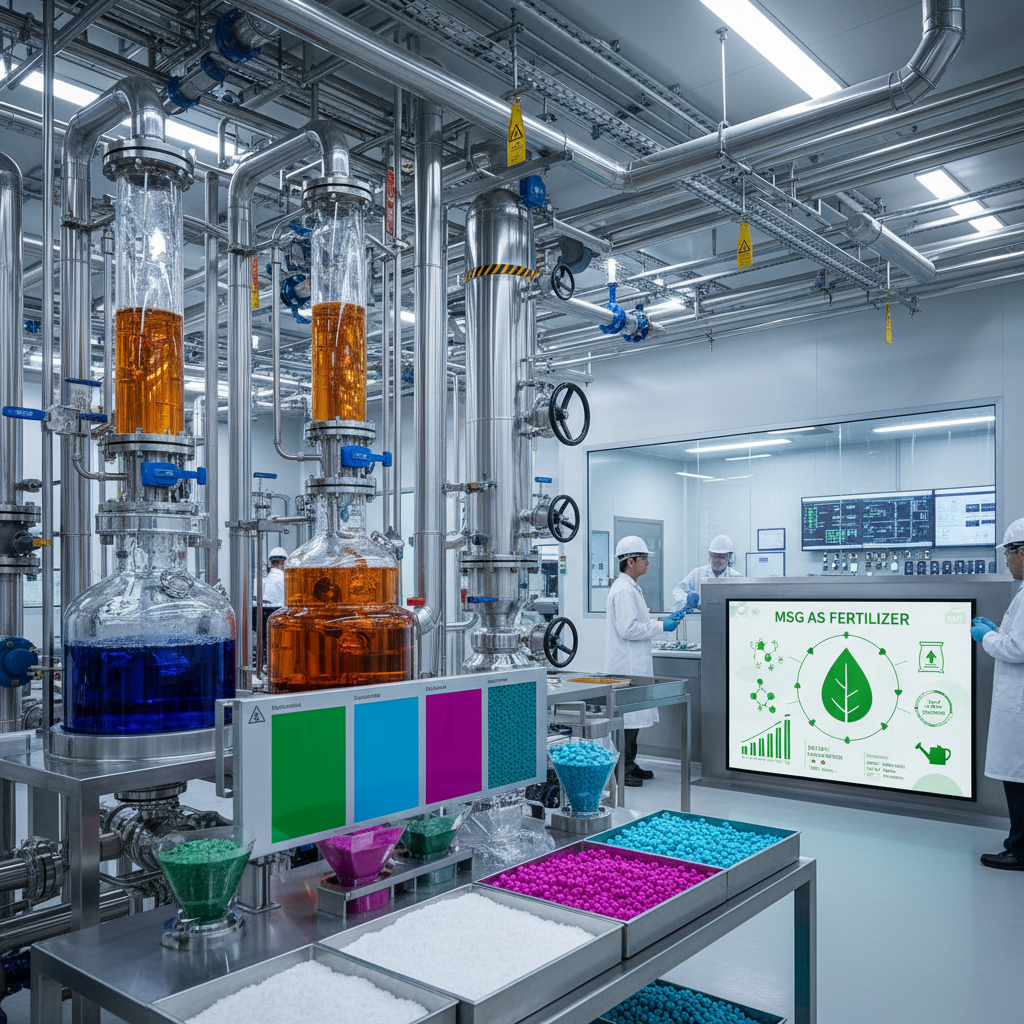
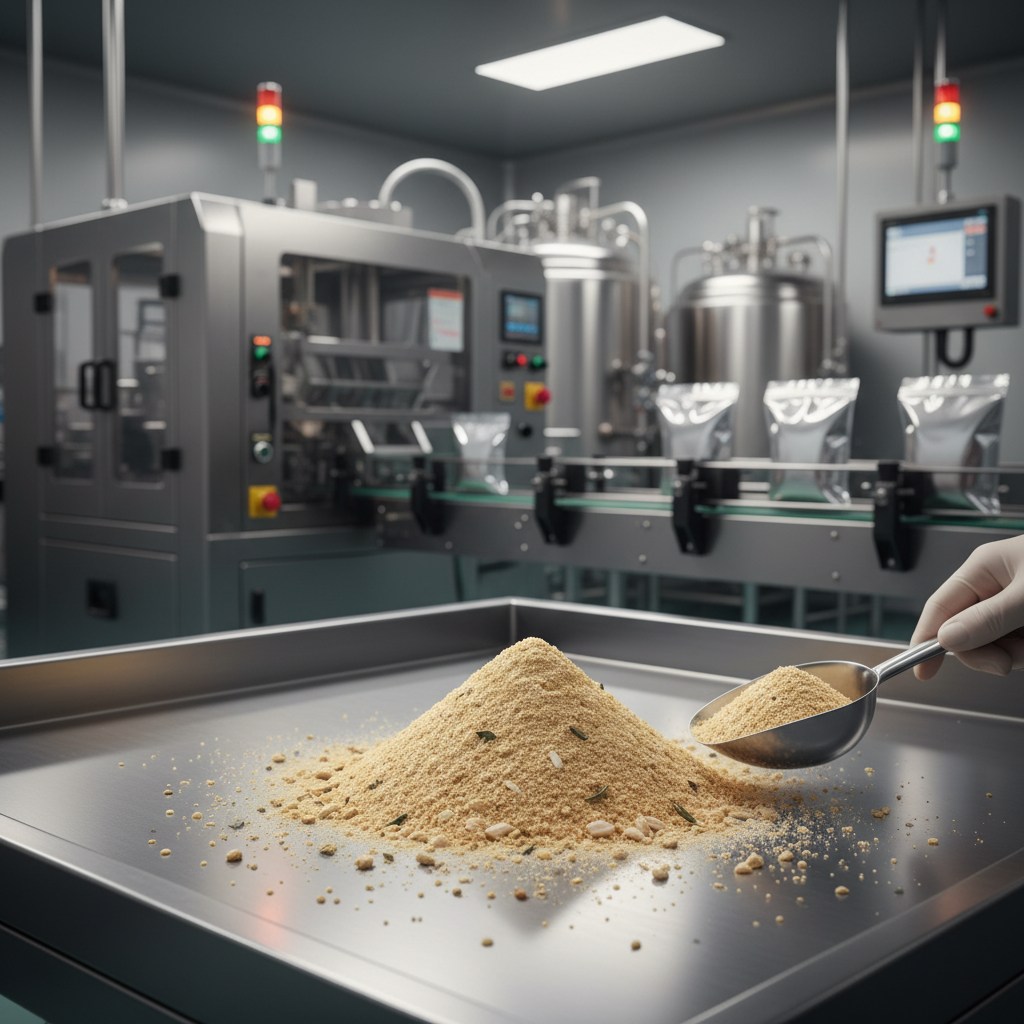
The concept of using msg as fertilizer has gained significant traction among home gardeners and small-scale agriculturalists seeking sustainable, low-cost alternatives to synthetic chemicals. Monosodium Glutamate (MSG), primarily known as a flavor enhancer in the food industry, contains essential nutrients like nitrogen, which is a critical building block for plant growth and chlorophyll production. By repurposing this food additive, growers can potentially stimulate leaf growth and improve the overall vitality of their crops.
Globally, the shift toward organic and circular economy practices has pushed individuals to explore the biological utility of common household substances. Understanding the chemistry behind using msg as fertilizer allows for a more nuanced approach to soil health, moving away from the "one-size-fits-all" mentality of commercial NPK fertilizers. This practice not only reduces waste but also empowers growers to manage their garden's nutrient cycles with greater precision.
However, the effectiveness of this method depends heavily on the dosage and the specific needs of the plant species. While the nitrogen content is beneficial, an imbalance can lead to nutrient lockout or soil salinity issues. This guide aims to provide a comprehensive, technical yet accessible exploration of the benefits, risks, and practical applications of incorporating MSG into your fertilization routine to ensure optimal harvest results.
The Chemical Basis of Using MSG as Fertilizer
At its core, using msg as fertilizer works because Monosodium Glutamate is a salt of glutamic acid. Glutamic acid is an amino acid that serves as a precursor to several other nitrogen-containing compounds in plants. When introduced to the soil, the nitrogen within the MSG molecule can be broken down by soil microorganisms, eventually becoming available to the plant roots in the form of nitrates or ammonium.
This process stimulates the production of chlorophyll, which is essential for photosynthesis. By increasing the efficiency of energy conversion, plants often exhibit a deeper green color and more robust foliage. This chemical interaction highlights how industrial food additives can be repurposed for agricultural benefit when applied with a scientific understanding of soil chemistry.
Global Context and Agricultural Relevance
The global agricultural landscape is currently facing a crisis of soil degradation and an over-reliance on synthetic urea-based fertilizers. According to data trends aligned with UN Sustainable Development Goals, the need for "circular nutrients"—the process of returning processed organic materials back to the earth—has never been higher. This is where the practice of using msg as fertilizer becomes relevant, as it transforms a mass-produced industrial additive into a nutrient source.
In many developing regions, the cost of commercial fertilizers has surged, making traditional farming unsustainable for smallholders. The ability to utilize food-grade additives as supplementary nutrients provides a buffer against price volatility. While not a replacement for a full NPK regimen, it serves as a tactical supplement that can enhance crop yield in nutrient-poor soils.
Moreover, the industry shift toward "Green Chemistry" encourages the exploration of non-traditional nitrogen sources. By analyzing the solubility and bioavailability of MSG, researchers and home gardeners alike are discovering that the "umami" compound can play a supportive role in the rhizosphere, promoting a more active microbial community that benefits the overall ecosystem.
Core Components of MSG-Based Nutrition
The primary driver of using msg as fertilizer is the presence of nitrogen in the form of an amino acid. Unlike highly volatile ammonia fertilizers, the nitrogen in MSG is released more gradually, reducing the risk of "nutrient burn" if applied correctly. This slow-release characteristic is vital for delicate seedlings and indoor plants.
Another critical factor is the role of sodium. While nitrogen is the hero, the "Monosodium" part of the formula means that sodium is introduced into the soil. In small quantities, this can be negligible, but in long-term using msg as fertilizer strategies, monitoring soil salinity is essential to prevent osmotic stress in the root system.
Lastly, the interaction with soil microbes cannot be ignored. Glutamate acts as a carbon and nitrogen source for various soil bacteria. This biostimulation effect encourages the growth of beneficial fungi and bacteria, which in turn helps the plant absorb other locked-up minerals like phosphorus and potassium from the soil.
Practical Application Methods and Efficiency
When implementing the strategy of using msg as fertilizer, the method of delivery is paramount. The most common approach is the aqueous solution method, where a small amount of MSG is dissolved in water and applied as a soil drench. This ensures an even distribution of nutrients and prevents the accumulation of salt in one specific spot.
Alternatively, some growers prefer a "top-dressing" approach, sprinkling granules around the base of the plant and watering them in. However, this requires precise measurement to avoid overloading the soil with sodium, especially in potted plants where drainage is limited.
Comparison of Application Efficiency for Using MSG as Fertilizer
Global Use Cases in Urban Farming
In dense urban environments like Tokyo or New York, where balcony gardening is common, using msg as fertilizer has become a "bio-hack" for city dwellers. Limited space often means limited access to bulk organic compost, making the use of a stable, pantry-available additive an attractive option for maintaining lush ornamental plants and small herb gardens.
Furthermore, in community-led agricultural projects in Southeast Asia, where MSG production is a significant industry, the repurposing of byproduct streams into organic-adjacent fertilizers is being explored. This creates a localized loop where food industry residuals are converted into biomass, reducing the carbon footprint associated with importing synthetic nitrogen from distant chemical plants.
Long-Term Value and Sustainability Impacts
The long-term value of using msg as fertilizer extends beyond simple plant growth; it is about the democratization of agricultural inputs. By reducing the dependence on expensive, patent-protected chemical fertilizers, growers gain a sense of autonomy over their food production. This shift promotes a more resilient food system where local resources are prioritized.
From a sustainability perspective, integrating MSG into a broader composting strategy—rather than using it as a standalone chemical—transforms it into a catalyst for decomposition. The nitrogen in MSG helps balance the carbon-rich "browns" (like dried leaves) in a compost pile, speeding up the creation of rich humus.
Ultimately, the emotional appeal of this practice lies in the innovation of the ordinary. There is a profound satisfaction in discovering that a substance once maligned in dietary myths can actually nourish the earth, bridging the gap between the kitchen and the garden in a way that is both logical and eco-friendly.
Challenges and Innovative Solutions
The most significant challenge when using msg as fertilizer is the risk of sodium toxicity. Sodium can interfere with the uptake of potassium and magnesium, potentially leading to yellowing leaves (chlorosis). To solve this, expert growers recommend a "rotation" strategy, where MSG is used during the early vegetative stage but replaced with potassium-rich organic matter during the flowering or fruiting stage.
Another hurdle is the variability in MSG purity. Some commercial brands include anti-caking agents or other additives that may not be garden-friendly. The solution is to use pure, food-grade Monosodium Glutamate or to create a fermented tea. Fermenting MSG with molasses and water allows beneficial microbes to "pre-digest" the salt, making the nitrogen more bioavailable and reducing the harshness of the sodium.
Finally, education remains a barrier. Many gardeners are hesitant due to misconceptions about MSG. The path forward involves evidence-based gardening, where small-scale trials and soil testing are used to prove the efficacy of the method, turning anecdotal success into a standardized, safe practice for sustainable horticulture.
Analysis of MSG Fertilizer Performance Across Different Plant Types
| Plant Category |
Growth Response |
Sodium Sensitivity |
Recommended Frequency |
| Leafy Greens |
High (Rapid Growth) |
Low |
Bi-weekly |
| Root Vegetables |
Moderate |
Medium |
Monthly |
| Flowering Plants |
Moderate (Leafy) |
High |
Early Stage Only |
| Succulents |
Low |
Very High |
Not Recommended |
| Fruit Trees |
High (Vigor) |
Low |
Seasonal |
| Indoor Foliage |
Very High (Gloss) |
Medium |
Monthly (Diluted) |
FAQS
While many plants respond well to the nitrogen in MSG, it is not suitable for all. Salt-sensitive plants, such as succulents or certain orchids, may suffer from sodium buildup, which can dehydrate the roots. It is best used for "heavy feeders" like leafy greens and large indoor tropicals. Always start with a diluted solution to test your plant's tolerance.
A general rule of thumb for using msg as fertilizer is 1 teaspoon of MSG per gallon of water. Over-concentrating the solution can lead to salt burn. For very young seedlings, we recommend cutting that dose in half. Always water the soil normally before applying the MSG solution to avoid shocking the roots.
No, MSG should be viewed as a supplement rather than a complete replacement. While it provides nitrogen, it lacks the phosphorus and potassium (P and K) necessary for root development and fruit production. For a healthy garden, combine MSG with organic compost, bone meal, or potassium-rich wood ash to ensure a balanced nutrient profile.
Generally, no. MSG is a salt of glutamic acid and does not contain sugars or proteins that typically attract common garden pests. In fact, some gardeners report that it doesn't have the same "sweet" draw as some organic liquid fertilizers. However, maintaining a balanced soil pH is the best way to manage pest populations.
Moderation is key. We recommend applying an MSG solution once every 2 to 4 weeks during the active growing season. Applying it more frequently increases the risk of sodium accumulation in the soil, which can eventually block the uptake of other essential nutrients. Flushing the soil with plain water once a month can help clear excess salts.
There is some anecdotal evidence suggesting that certain concentrations of MSG can deter specific soft-bodied insects, but this is not scientifically standardized. The primary benefit of using msg as fertilizer is nutritional. For pest control, it is better to rely on neem oil or integrated pest management (IPM) strategies.
Conclusion
In summary, using msg as fertilizer represents a fascinating intersection between food science and sustainable horticulture. By leveraging the nitrogen-rich properties of Monosodium Glutamate, gardeners can stimulate lush growth and enhance soil microbial activity. While the benefits are tangible—ranging from cost-efficiency to waste reduction—the practice requires a disciplined approach to avoid sodium toxicity and nutrient imbalance.
As we move toward a future of urban resilience and circular agriculture, exploring non-traditional nutrient sources becomes essential. We encourage growers to experiment mindfully, utilizing diluted solutions and rotating their nutrients to maintain a healthy soil ecosystem. For those looking for high-quality additives or more information on food-grade components, visit our website: www.chinaseasoning.com.