In the competitive landscape of the global food additive industry, chicken bou has emerged as a pivotal ingredient for manufacturers seeking to balance authentic flavor profiles with industrial scalability. As consumer demand shifts toward convenient yet savory meal solutions, the role of high-quality bouillon bases becomes essential in maintaining consistency across diverse product lines.
Understanding the technical nuances of chicken bou is not merely about taste; it is about the chemistry of umami, the stability of the additive, and the efficiency of the manufacturing process. For food processors, selecting a grade that meets international food safety standards while enhancing the sensory experience is a critical decision that impacts market penetration and customer loyalty.
Globally, the integration of advanced food additives like chicken bou allows brands to reduce production costs without sacrificing the perceived quality of the end product. This guide explores the intricate balance of composition, application, and future trends that define the modern standard of savory additives in the food manufacturing sector.
Global Industry Context of Chicken Bou
The global demand for chicken bou has seen a steady incline, mirroring the rise of the processed food sector in Asia-Pacific and Latin American markets. According to industrial food trend reports, the shift toward "ready-to-eat" (RTE) meals has forced manufacturers to seek potent, concentrated flavor bases that can withstand high-temperature processing while remaining stable during long-term storage.
However, the industry faces a significant challenge: the tension between "clean label" consumer trends and the need for intense savory profiles. Many traditional methods of creating chicken bou relied heavily on high sodium levels, which current WHO health guidelines suggest reducing. This has pushed the manufacturing sector to innovate, utilizing yeast extracts and biotechnology to maintain the "chicken" profile with lower salt content.
Defining the Technical Nature of Chicken Bou
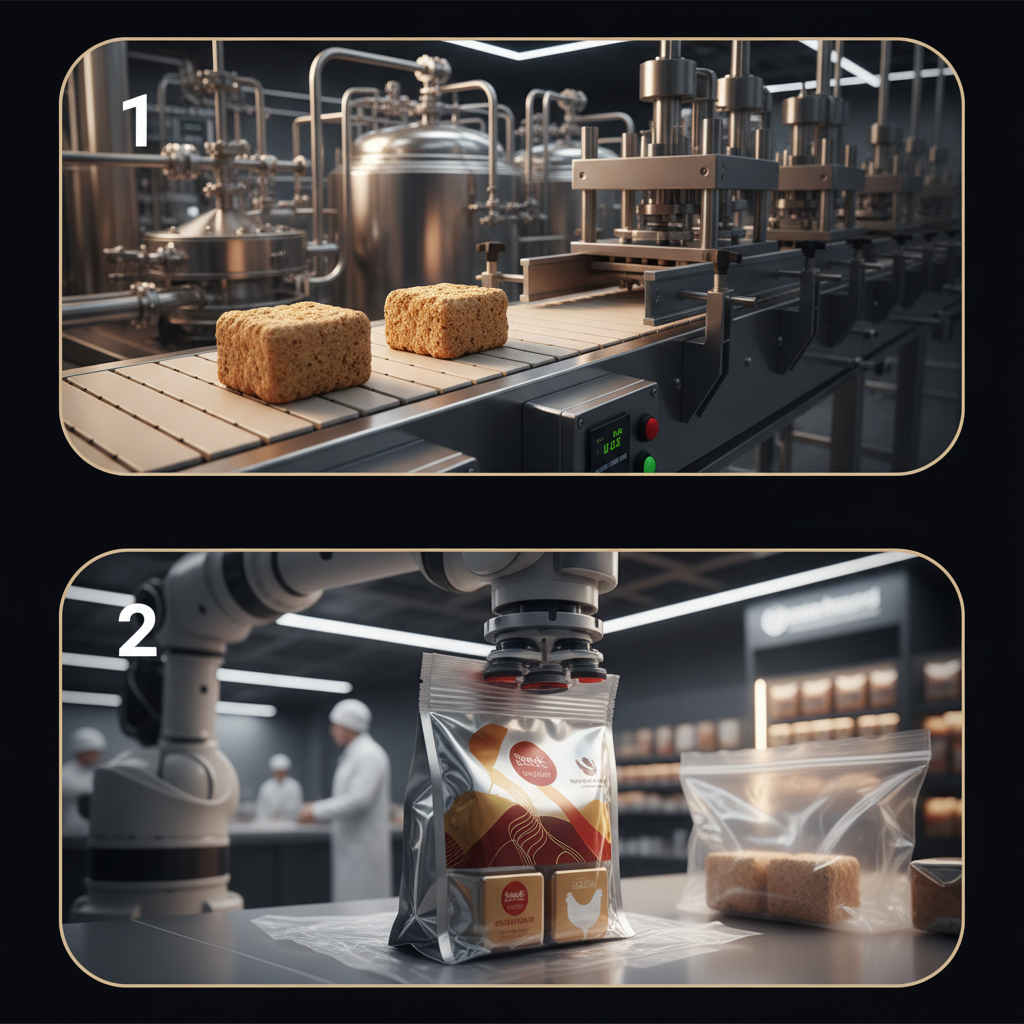
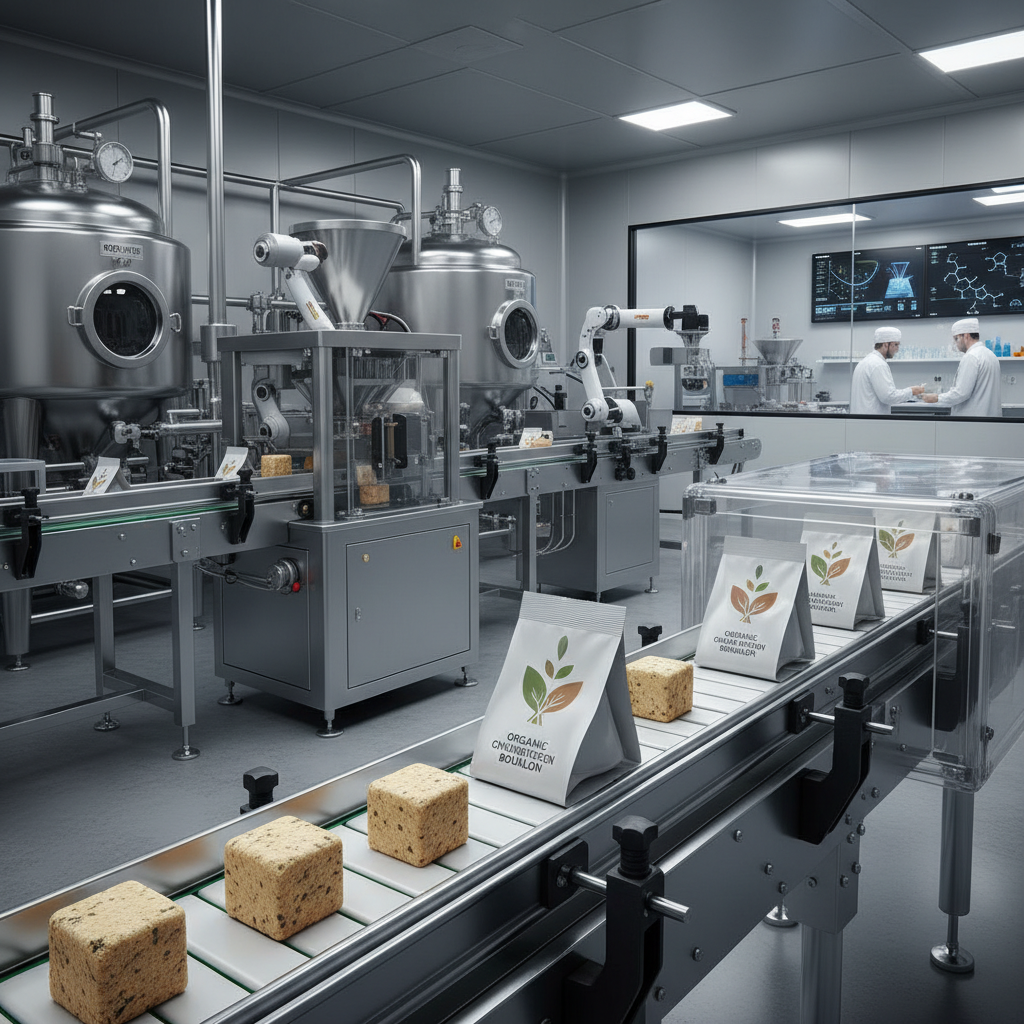
In technical terms, chicken bou is a complex food additive formulated as a concentrated seasoning base. It typically consists of a blend of hydrolyzed proteins, salt, sugar, and specific flavor enhancers designed to mimic the deep, savory profile of slow-simmered poultry stock. Unlike simple seasonings, it is engineered for solubility and dispersion in industrial-scale vats.
The connection between this additive and modern industry lies in its versatility. Whether used in the production of instant noodles, canned soups, or snack foods, the goal is to provide a consistent taste experience regardless of the raw ingredient variability. This standardization is what allows a global brand to taste identical in New York, London, and Shanghai.
From a humanitarian perspective, the efficiency of chicken bou also plays a role in food security. By fortifying concentrated bases with essential micronutrients, manufacturers can provide nutrient-dense, flavor-rich food solutions to regions facing malnutrition, making basic meals more palatable and nutritious.
Core Components of High-Quality Chicken Bou
The efficacy of chicken bou depends largely on its umami profile. The primary driver here is the balance of glutamates and nucleotides, which trigger the savory receptors on the human tongue, creating a perception of richness and "meatiness" without requiring excessive amounts of actual poultry extract.
Stability and solubility are the second pillars of a professional-grade chicken bou. In industrial settings, the additive must dissolve rapidly without clumping, ensuring that the flavor is evenly distributed throughout the batch. This requires precise particle size control and the use of high-quality anti-caking agents.
Finally, cost-efficiency is achieved through the strategic blend of carrier agents like maltodextrin. This allows the concentrated flavor of the chicken bou to be scaled across thousands of liters of product while maintaining a predictable cost-per-unit, making it an indispensable tool for pharmaceutical-grade food additives.
Practical Applications and Market Scalability
The real-world application of chicken bou extends far beyond the home kitchen. In the commercial food sector, it is used as a foundation for gravies, sauces, and marinades. For instance, in large-scale catering for remote industrial zones or military installations, these concentrated additives allow for the rapid preparation of high-calorie, flavorful meals with minimal kitchen infrastructure.
Furthermore, the scalability of chicken bou makes it a favorite for the snack food industry. By applying a spray-dried version of the bouillon to corn chips or extruded snacks, manufacturers can achieve a consistent "savory chicken" taste that survives the high-heat frying or baking process.
Comparative Performance of Chicken Bou Formulations
Long-Term Value and Economic Advantages
Investing in high-grade chicken bou provides tangible economic benefits by reducing the reliance on volatile fresh poultry markets. By using a stabilized additive, manufacturers can hedge against the price fluctuations of raw meat, ensuring a steady production cost and protecting profit margins over long-term contracts.
Beyond the financial aspect, there is a strong logical angle regarding reliability and trust. A standardized chicken bou ensures that food safety parameters—such as microbial load and moisture content—are strictly controlled, reducing the risk of batch contamination and product recalls, which are devastating to brand reputation.
Future Innovations in Savory Additives
The future of chicken bou is leaning heavily toward "Green Chemistry." We are seeing a rise in fermentation-based flavor production, where precision fermentation allows for the creation of identical chicken taste molecules without the need for animal-derived proteins. This not only appeals to the vegan market but significantly reduces the carbon footprint of additive production.
Digital transformation is also playing a role. AI-driven flavor profiling is now being used to optimize the chicken bou formula in real-time, adjusting the ratios of spices and enhancers based on consumer data from different geographic regions to create "hyper-localized" savory profiles.
Furthermore, the move toward automation in the mixing and packaging of these additives ensures zero-waste manufacturing. New encapsulation technologies are being developed to ensure that the aromatic compounds of chicken bou are only released upon heating, preserving the freshness of the flavor for much longer periods.
Overcoming Challenges in Chicken Bou Production
One of the most persistent limitations in chicken bou production is the "off-note" flavors that can occur during high-temperature spray drying. These metallic or burnt tastes can ruin a batch, leading to significant waste. Expert insights suggest the use of vacuum-drying or freeze-drying techniques to preserve the delicate volatile compounds of the chicken essence.
Another challenge is the regulatory landscape regarding additive labeling. As governments tighten restrictions on MSG and synthetic flavors, manufacturers must pivot toward "natural" flavor labels. The solution lies in using hydrolyzed vegetable proteins (HVP) and mushroom extracts to naturally boost the umami of the chicken bou.
Finally, moisture absorption (hygroscopy) remains a technical hurdle. To prevent the powder from clumping, the industry is moving toward advanced nano-coatings that protect the chicken bou particles from atmospheric humidity without altering the taste or solubility of the product.
Technical Analysis of Chicken Bou Production Standards
| Additive Grade |
Solubility Rate |
Umami Intensity |
Shelf Life (Months) |
| Industrial Standard |
High |
7/10 |
12 |
| Premium Gourmet |
Medium |
9/10 |
18 |
| Low-Sodium Eco |
High |
6/10 |
12 |
| Fast-Dissolve Nano |
Ultra-High |
8/10 |
24 |
| Plant-Based Alt |
High |
7/10 |
15 |
| Fortified Pharma |
Medium |
5/10 |
24 |
FAQS
Professional chicken bou utilizes a complex matrix of hydrolyzed proteins and nucleotide enhancers that target specific umami receptors. Unlike basic seasonings, it provides a multi-layered flavor profile (salty, savory, and aromatic) and is engineered for industrial solubility, ensuring no grit or clumps in large-scale production.
When stored in a cool, dry environment with moisture-proof packaging, high-grade chicken bou can remain stable for 12 to 24 months. Exposure to humidity can lead to caking, which reduces solubility and may accelerate the degradation of volatile aromatic compounds, though it doesn't necessarily compromise safety.
Traditional chicken bou is animal-derived. However, modern food science has produced "chicken-style" bouillon using yeast extracts and fermentation. These variants mimic the exact molecular structure of chicken flavor without using animal proteins, making them ideal for plant-based savory products.
The best way to prevent clumping is to ensure the chicken bou has a proper ratio of anti-caking agents like silicon dioxide. Additionally, implementing a vacuum-feeding system or a ribbon blender can ensure the additive is dispersed evenly before it hits the liquid phase of production.
Yes, most industrial-grade bouillon bases are designed to be heat-stable. However, extreme heat can sometimes alter the top-note aromas. We recommend using a stabilized version of chicken bou specifically formulated for retort packaging to ensure the flavor remains vibrant after sterilization.
The key is to increase the concentration of "potentiators" such as disodium inosinate (DIS) and disodium guanylate (DGD). These ingredients amplify the perception of saltiness and umami, allowing you to reduce actual NaCl levels in the chicken bou while maintaining the same sensory impact.
Conclusion
In summary, chicken bou represents a sophisticated intersection of food chemistry and industrial efficiency. By balancing umami intensity, solubility, and cost-effectiveness, it allows food manufacturers to deliver high-quality, consistent flavor profiles that meet the rigorous demands of the global market. From the initial formulation to the final application in processed goods, the technical precision of this additive is what defines the success of modern savory food products.
Looking forward, the industry will likely shift toward more sustainable, fermentation-derived versions of chicken bou, aligning with clean-label trends and environmental goals. Manufacturers who adopt these innovations early will not only improve their ecological footprint but also capture the growing segment of health-conscious consumers. For those seeking to optimize their product lines with professional-grade seasonings, visiting our specialized resources is the first step toward excellence. Visit our website: www.chinaseasoning.com