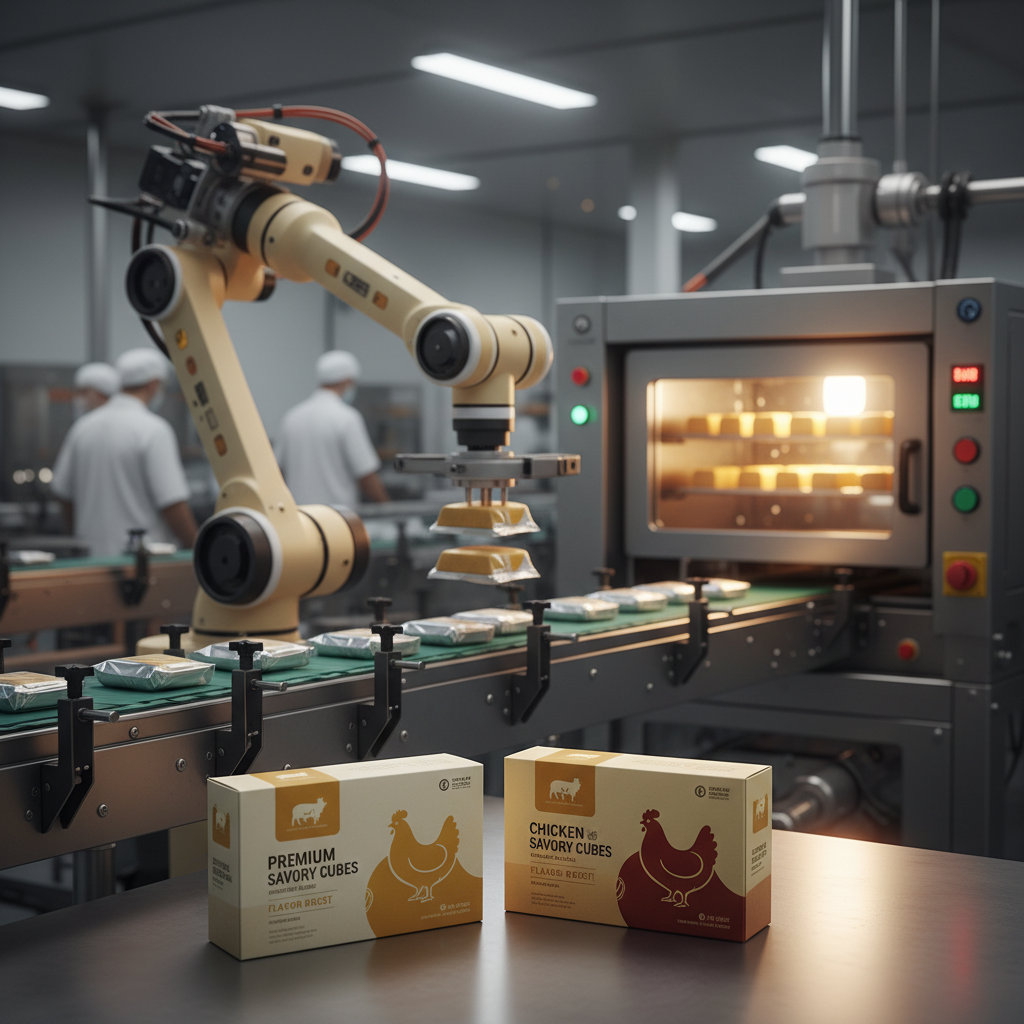
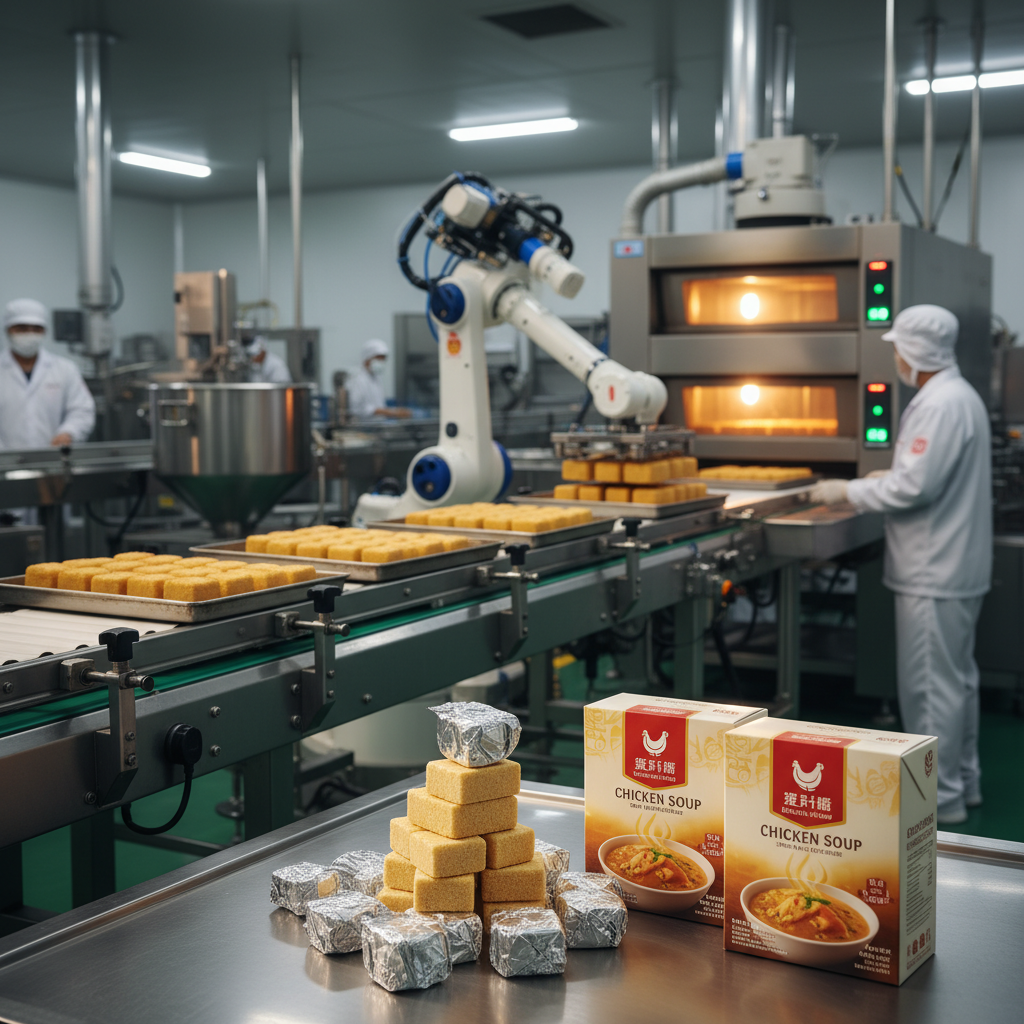
In the fast-paced world of modern culinary arts and industrial food production, the demand for consistent, high-quality flavor bases has led to the widespread adoption of chicken and beef stock cubes. These concentrated seasoning blocks serve as essential tools for chefs and home cooks alike, providing a reliable shortcut to deep, savory profiles without the time-consuming process of simmering bones for hours.
Globally, the shift toward convenience foods and the growth of the ready-to-eat sector have catapulted these stock cubes from simple pantry staples to critical industrial ingredients. By leveraging advanced dehydration and compression technologies, manufacturers can now deliver a product that maintains the aromatic integrity of meat extracts while ensuring an incredibly long shelf life and ease of transport.
Understanding the science and application of chicken and beef stock cubes is not just about taste; it is about efficiency, cost-control, and flavor standardization across global supply chains. Whether used in a high-end restaurant kitchen or as a base for processed soups in a factory, these cubes represent a perfect marriage of food chemistry and commercial utility.
Global Industry Context of Stock Cubes
The global market for savory seasonings has seen an unprecedented surge, driven by the urbanization of populations in Asia and Africa. According to food industry analysis, the integration of chicken and beef stock cubes into daily diets is linked to the rising need for nutrient-dense, flavor-rich additives that can be stored without refrigeration, aligning with ISO standards for food safety and stability.
However, the industry faces a persistent challenge: balancing the "clean label" trend—where consumers demand fewer artificial additives—with the need for the intense umami punch that traditional stock cubes provide. This tension is driving a wave of innovation in natural yeast extracts and hydrolyzed vegetable proteins to replace synthetic MSG.
Defining the Composition of Stock Cubes
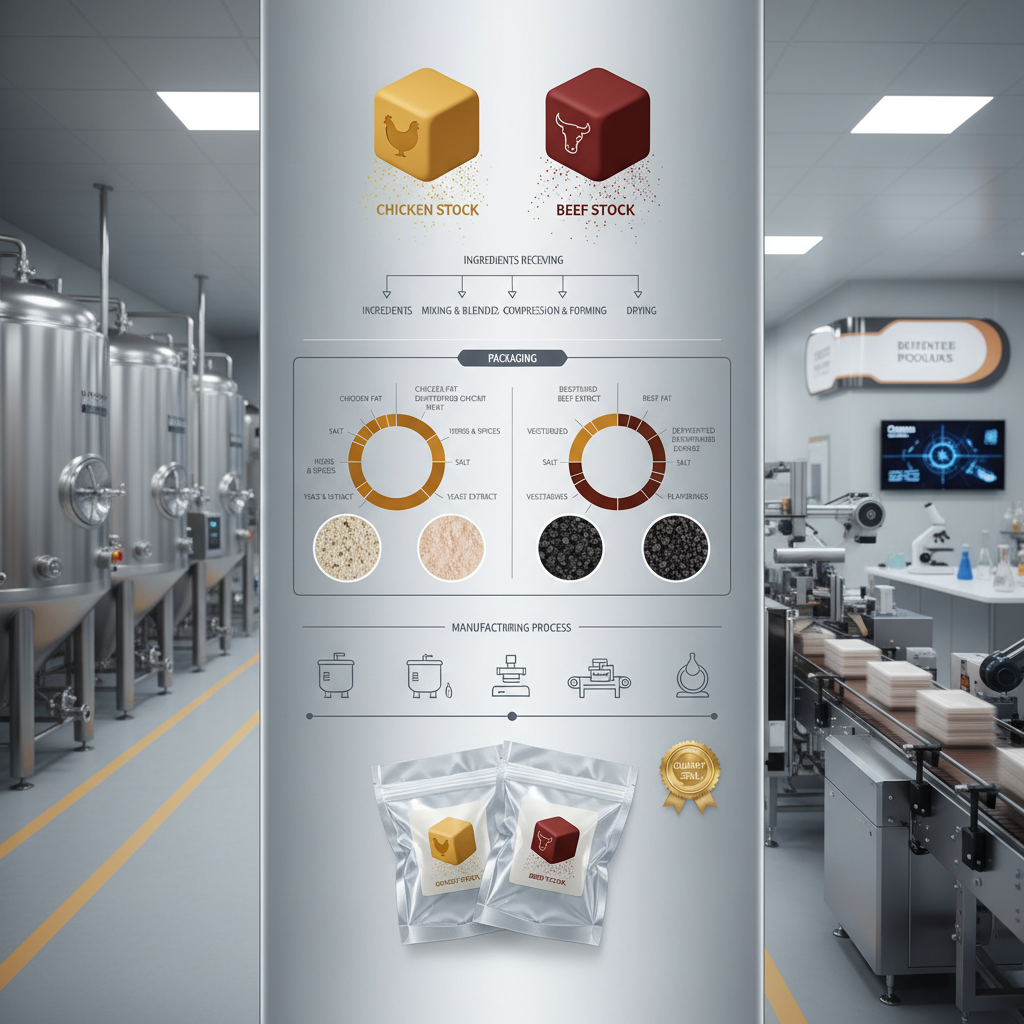
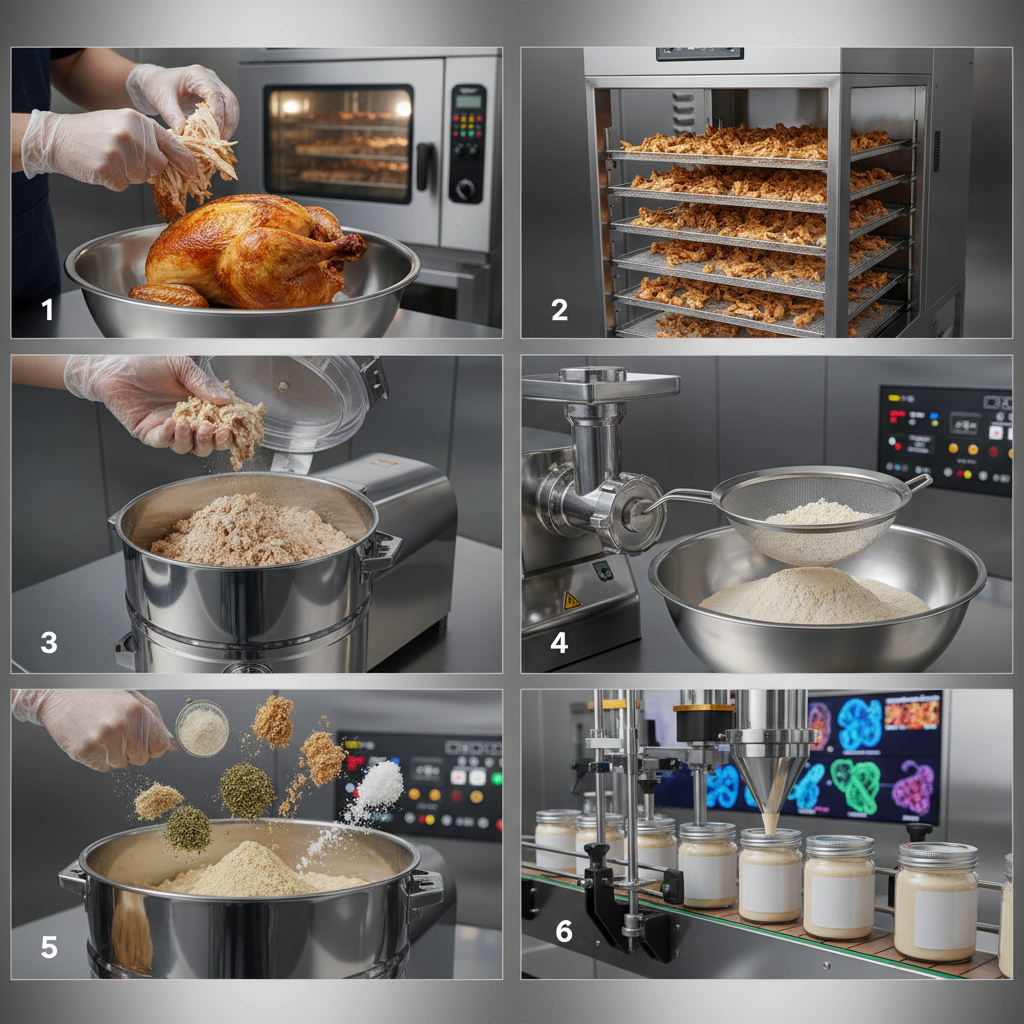
At its simplest, chicken and beef stock cubes are dehydrated concentrates of meat extracts, salt, fats, and aromatic herbs. Through a process of vacuum evaporation and spray drying, the liquid essence of a traditional stock is reduced to a powder, which is then compressed into a precise cubic dosage for consumer convenience.
Beyond the kitchen, these cubes serve a vital humanitarian role. In disaster relief operations or regions with limited cold-chain infrastructure, these concentrated blocks provide an essential source of flavor and salt, making bland staple grains more palatable and psychologically comforting for displaced populations.
From a technical standpoint, they are categorized under the broader umbrella of food additives. The precision in their manufacturing ensures that every single cube delivers the exact same sodium and flavor profile, which is critical for industrial food producers who must maintain strict consistency across millions of units.
Core Components for Flavor Stability
The primary driver of quality in chicken and beef stock cubes is the balance of umami-contributing compounds. Glutamates, whether naturally derived from beef extract or added via yeast, create the depth of flavor that mimics long-simmered meat, ensuring the product appeals to a global palate.
Stability and shelf-life are managed through the strategic use of anti-caking agents and controlled moisture levels. Because chicken and beef stock cubes are hygroscopic, meaning they absorb water from the air, the precision of the outer wrapping and the inclusion of food-grade stabilizers are paramount to prevent the cubes from softening or clumping.
Cost efficiency is another core pillar. By converting bulky liquid stocks into compact cubes, manufacturers drastically reduce shipping weights and warehouse footprints. This logistical optimization allows high-quality seasoning to be affordable for low-income markets while remaining profitable for the producer.
Practical Applications and Efficiency
The versatility of chicken and beef stock cubes extends far beyond basic soups. In the commercial food sector, they are used as "flavor accelerators" in marinades, sauces, and stuffings, allowing production lines to move faster without compromising the sensory experience of the final product.
For industrial kitchens, the use of pre-measured cubes eliminates the variability associated with fresh ingredients, such as the fluctuating salt content in different batches of fresh meat or the seasonal variation in herbs.
Performance Comparison of Stock Concentration Methods
Global Market Use Cases
In Southeast Asia and West Africa, chicken and beef stock cubes are often the primary seasoning agent in traditional stews and jollof rice, serving as a cultural cornerstone of flavor. In these regions, the ability to provide a rich, meaty taste without requiring expensive fresh cuts of beef daily is a significant economic advantage.
Conversely, in European and North American markets, the trend is shifting toward organic and low-sodium versions. Here, stock cubes are utilized by health-conscious consumers who want the convenience of a base but with added nutritional fortifications, such as vitamins or minerals, blending the line between food additives and nutraceuticals.
Long-term Value and Sustainability
The long-term value of chicken and beef stock cubes lies in their ability to reduce food waste. Traditional stock making involves significant water usage and the disposal of large amounts of organic waste; however, industrial production can optimize the extraction process, utilizing by-products of the meat industry that would otherwise be discarded.
From a reliability perspective, these products offer food security. Because they are resistant to spoilage, they provide a stable flavor source in areas prone to electrical grid failure, ensuring that the basic human need for palatable food is met regardless of environmental conditions.
Innovation in biodegradable packaging is also adding to their sustainability profile. By replacing traditional plastic foils with compostable materials, the industry is reducing the environmental footprint of the individual cube wrapper, aligning the product with global "green" initiatives.
Future Innovations in Seasoning Technology
The next frontier for chicken and beef stock cubes is the integration of precision fermentation. By using microbes to produce "identical-to-nature" meat proteins, manufacturers can create beef and chicken flavors that are completely animal-free, catering to the exploding vegan and vegetarian markets without sacrificing the traditional savory experience.
Digital transformation is also hitting the production line. Smart factories now use AI-driven sensory analysis to adjust the salt and spice levels in real-time, ensuring that every batch of cubes is mathematically optimized for the target region's taste preferences.
Automation in customized blending allows brands to offer "hyper-local" stock cubes, where a beef cube for the Mexican market might have a subtle hint of cumin, while a version for the French market emphasizes thyme and bay leaf, all produced on the same streamlined equipment.
Comparative Analysis of Stock Cube Innovations
| Innovation Type |
Impact on Flavor |
Cost Efficiency |
Sustainability Score |
| Precision Fermentation |
High (Animal-Free) |
Moderate |
10/10 |
| AI Sensory Blending |
Very High |
High |
7/10 |
| Biodegradable Foil |
Neutral |
Moderate |
9/10 |
| Low-Sodium Tech |
Moderate |
High |
8/10 |
| Yeast Extract Base |
High (Natural) |
High |
8/10 |
| Cold-Press Drying |
Very High |
Low |
7/10 |
FAQS
Professional stock cubes offer unmatched consistency and convenience. While homemade broth is fresh, industrial cubes use standardized meat extracts and stabilizers to ensure that the flavor profile remains identical across every use, which is critical for commercial recipes. Additionally, their shelf-stability eliminates the need for constant refrigeration and reheating.
Yes, they are ideal for emergency storage. Due to their low moisture content and high salt concentration, stock cubes are naturally resistant to microbial growth. When stored in a cool, dry place in their original packaging, they can maintain their flavor and nutritional value for years, making them a staple for disaster relief and survival kits.
Standard chicken and beef stock cubes contain animal extracts. However, the industry is rapidly evolving. Many manufacturers now offer "beef-style" or "chicken-style" cubes made from hydrolyzed vegetable proteins and yeast extracts, which provide the same savory umami taste without using animal products.
Clumping is caused by moisture absorption. To prevent this, always keep the cubes in an airtight container and store them away from steam or high-humidity areas (like directly above a stove). Using a desiccant pack in the storage container can also help maintain the dry environment required for a perfect cubic shape.
Monosodium Glutamate (MSG) is used to enhance the "umami" or savory taste. While some consumers prefer MSG-free options, it is a highly efficient way to achieve a deep meat flavor. Modern producers are increasingly replacing synthetic MSG with natural yeast extracts to satisfy the "clean label" demand while keeping the taste profile.
Importing in bulk requires adherence to the destination country's food additive regulations (such as FDA or EFSA). It is recommended to work with a supplier that provides full COA (Certificate of Analysis) and MSDS documentation to ensure smooth customs clearance and compliance with local health and safety laws.
Conclusion
The strategic importance of chicken and beef stock cubes extends far beyond the domestic kitchen, acting as a cornerstone of global food efficiency and flavor standardization. From their role in humanitarian aid to their application in massive industrial food chains, these concentrated seasoning blocks solve the critical problem of transporting and preserving rich, savory flavors across diverse climates and economies.
Looking forward, the industry is poised for a transformation led by sustainability and biotechnology. By embracing plant-based umami and eco-friendly packaging, the next generation of stock cubes will not only provide taste but also align with the ethical and environmental demands of the modern consumer. For those seeking high-quality, scalable seasoning solutions, visiting our website at www.chinaseasoning.com is the first step toward culinary excellence.