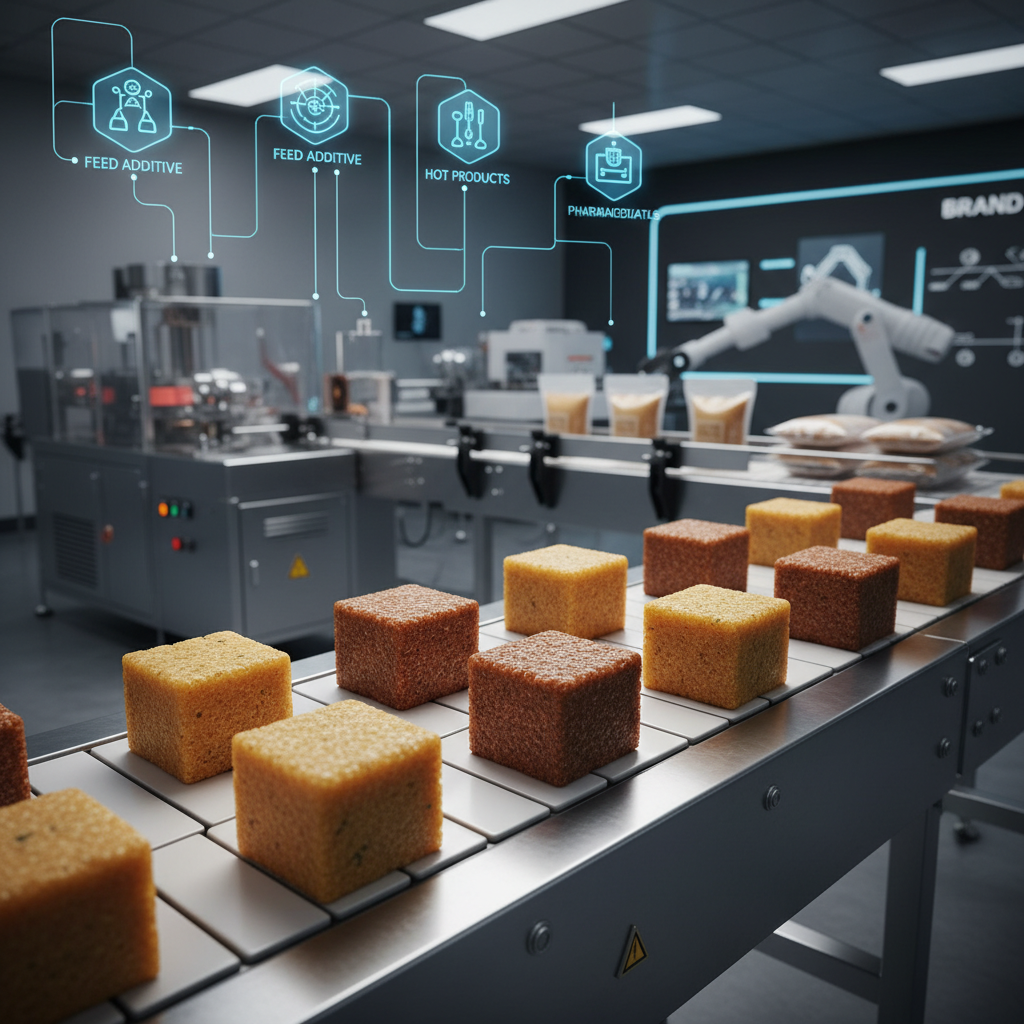
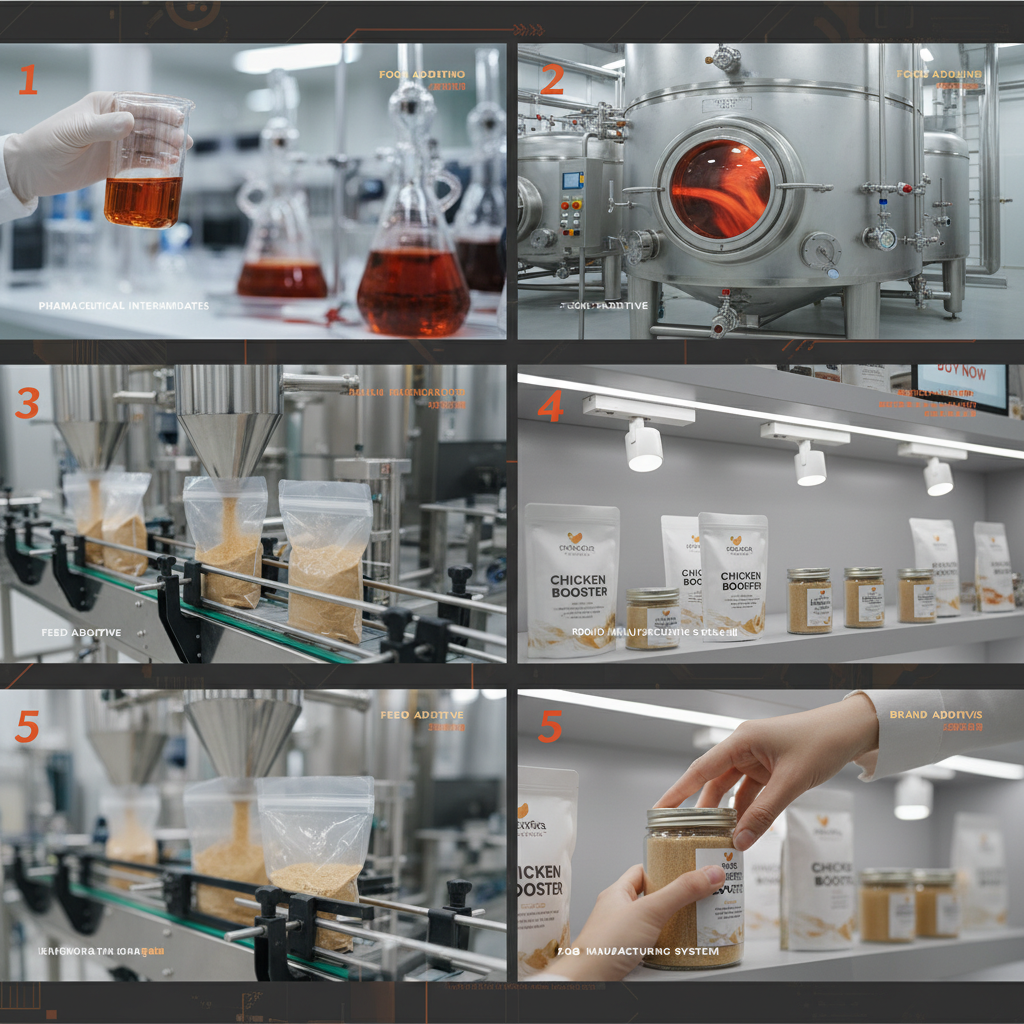
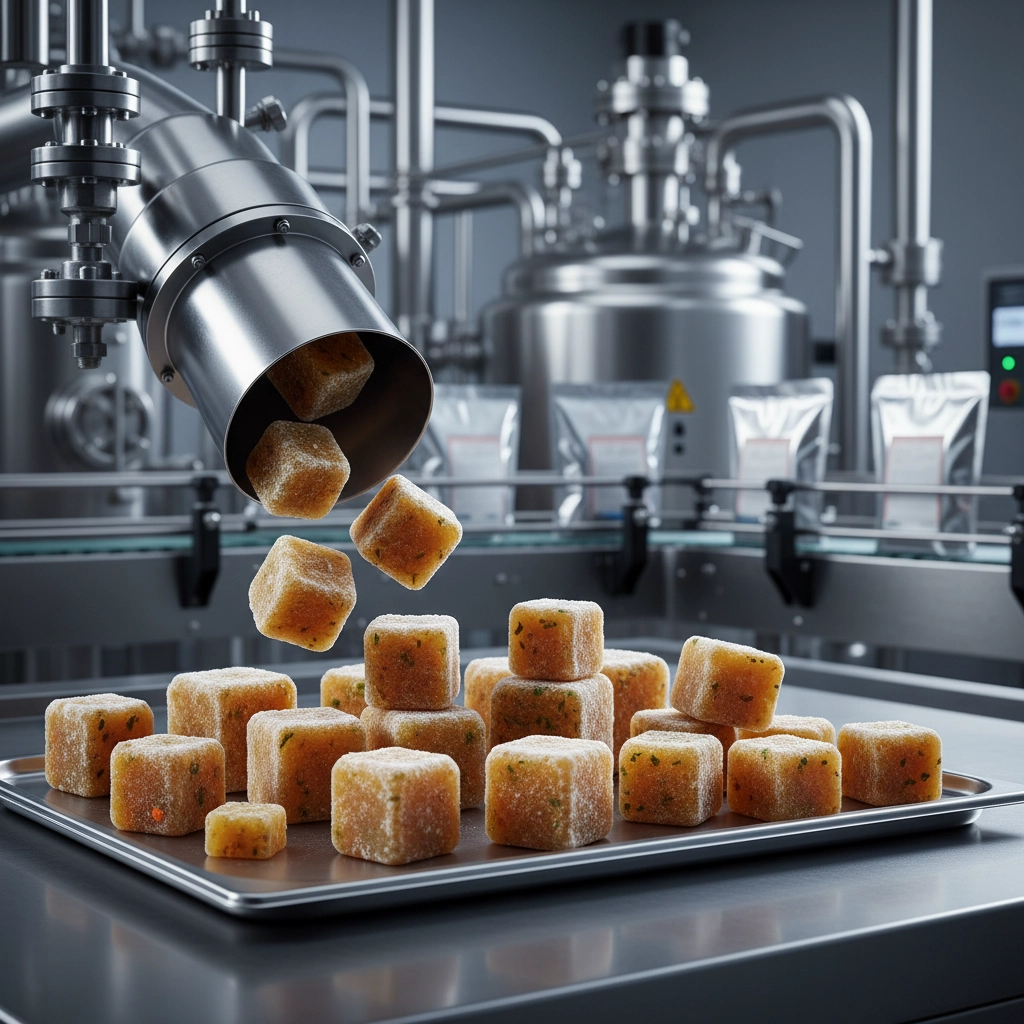
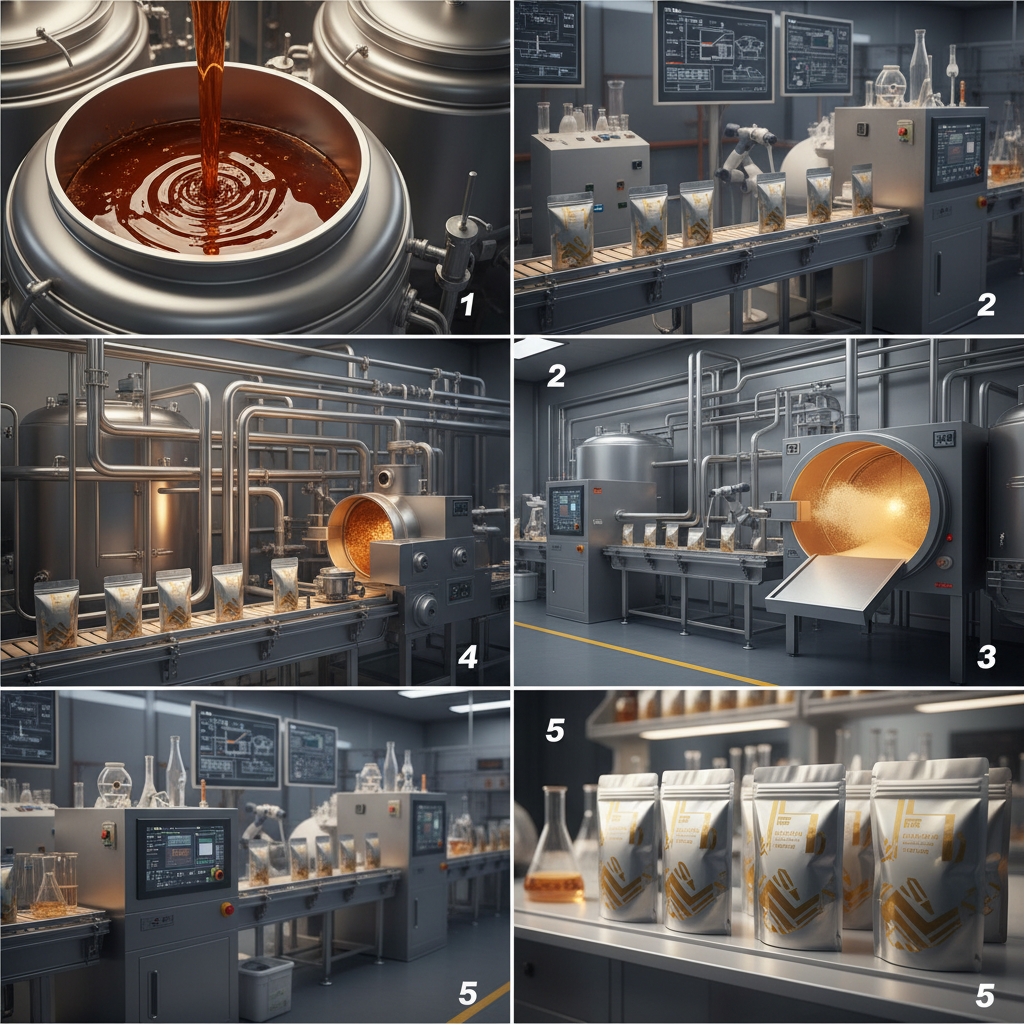
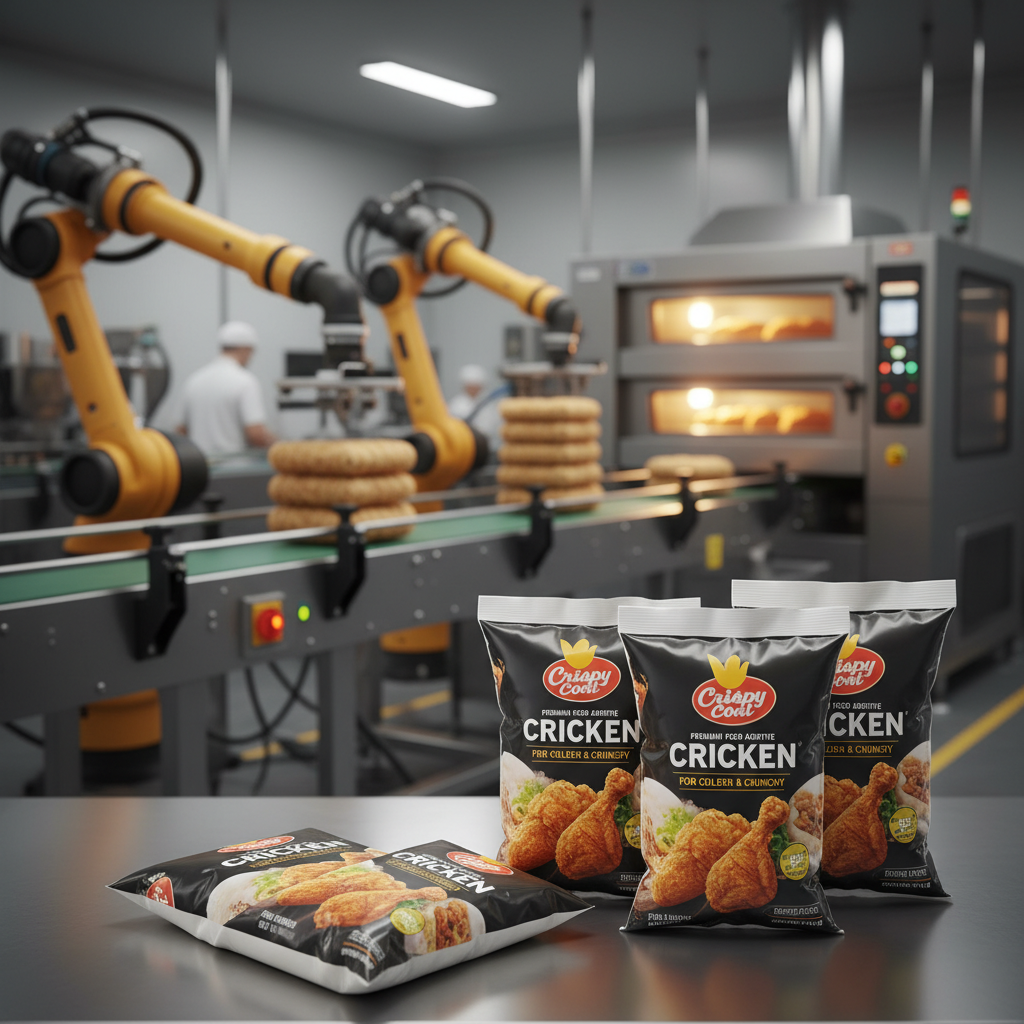
In the modern culinary landscape, chicken and beef bouillon cubes have evolved from simple kitchen conveniences into essential tools for global flavor standardization and nutritional efficiency. These concentrated seasoning powerhouses provide a consistent taste profile that allows both home cooks and industrial food processors to achieve deep, savory umami notes without the exhaustive time and resources required for traditional stock reduction.
The global demand for these products is driven by an increasing need for convenience and the rising costs of fresh livestock. By condensing the essence of slow-simmered meats into a shelf-stable format, chicken and beef bouillon cubes bridge the gap between gourmet flavor and mass-market accessibility, playing a pivotal role in the food additive industry's growth.
Understanding the science behind the formulation of these cubes—from salt ratios to the integration of yeast extracts—is crucial for manufacturers aiming to meet strict international food safety standards. As consumers pivot toward cleaner labels and reduced sodium, the innovation in bouillon production is focusing on maintaining the authentic essence of beef and chicken while enhancing health profiles.
Global Industry Context of Bouillon Cubes
The global market for chicken and beef bouillon cubes is intricately linked to the urbanization of emerging economies and the rise of the "fast-casual" dining sector. Data suggests that in regions across Africa and Southeast Asia, these cubes are not merely additives but primary seasoning agents that provide essential flavor in resource-limited environments, often adhering to ISO 22000 food safety management systems to ensure consumer health.
However, the industry faces a significant challenge: balancing the intense flavor profiles consumers crave with the growing global health imperative to reduce sodium intake. This tension has forced manufacturers to rethink the chemical composition of the cubes, shifting away from pure salt carriers toward more complex, nutrient-dense alternatives.
Defining Chicken and Beef Bouillon Cubes
In technical terms, chicken and beef bouillon cubes are dehydrated, compressed blocks of concentrated stock, seasoned with salts, herbs, and flavor enhancers. They are engineered to dissolve rapidly in hot water, releasing a complex emulsion of fats and proteins that mimic the taste of a traditional bone-broth reduction.
Beyond the kitchen, these cubes represent a triumph of food engineering. By utilizing spray-drying technology and precision pressing, the industry can transport the "essence" of beef and chicken across oceans without the need for expensive cold-chain logistics, making them vital for humanitarian food aid and remote industrial catering.
Modern iterations often categorize these products under the broader umbrella of food additives, where they serve as a base for soups, stews, and sauces. The synergy between the bovine and avian flavor profiles allows for versatile application, ensuring that regardless of the dietary restriction or cultural preference, a savory base is always available.
Core Components and Quality Factors
The efficacy of chicken and beef bouillon cubes depends largely on their solubility. High-quality cubes must disintegrate fully without leaving gritty residues, which requires a precise balance of binders and moisture control during the compression phase of manufacturing.
Flavor Stability is another critical factor. The volatile aromatic compounds of beef and chicken must be encapsulated to prevent oxidation. This ensures that the chicken and beef bouillon cubes maintain the same punchy, savory profile from the day of production until the end of their shelf life, regardless of humidity levels.
Finally, cost efficiency is the primary driver for commercial adoption. By optimizing the ratio of meat extracts to salt and flavor enhancers (like MSG or yeast extract), manufacturers can provide a high-perceived-value product that remains affordable for the mass market while meeting strict nutritional labeling requirements.
Performance Metrics of Seasoning Formulations
To ensure the highest quality, the industry utilizes specific benchmarks to evaluate chicken and beef bouillon cubes. These metrics range from the speed of dissolution in 100°C water to the sensory analysis of the "umami depth," which is measured by trained panels to ensure the beef profile isn't overpowered by salt.
The following data illustrates the comparative rating of different formulation methods used in the production of these cubes, highlighting how modern additive technology outperforms traditional drying methods.
Comparison of Bouillon Formulation Methods
Global Applications and Use Cases
The versatility of chicken and beef bouillon cubes makes them indispensable in diverse environments. In the hospitality industry, they are used as "flavor accelerators" in large-scale catering to ensure that thousand-liter vats of soup maintain a consistent taste profile, regardless of the variability in fresh ingredient batches.
In more critical contexts, such as post-disaster relief operations coordinated by NGOs, these cubes are a staple. Because they are lightweight, non-perishable, and high in sodium (which is necessary for electrolyte balance in high-stress environments), chicken and beef bouillon cubes provide both nutritional stimulation and psychological comfort to displaced populations.
Long-Term Value and Sustainability
The long-term value of investing in high-quality chicken and beef bouillon cubes extends beyond mere convenience. From a sustainability perspective, these cubes significantly reduce food waste by eliminating the need to discard unused portions of fresh stock, which has a very short shelf life and high spoilage rate.
Logistically, the transition to concentrated cubes reduces the carbon footprint associated with transporting water—since traditional liquid stocks are mostly water. This makes the distribution of chicken and beef bouillon cubes a more eco-friendly choice for global supply chains.
Moreover, there is a profound emotional value in the "taste of home" that these products provide. By standardizing the flavor of beef and chicken, manufacturers offer a sense of reliability and trust to consumers worldwide, fostering a global culinary language of comfort and satisfaction.
Future Trends and Technical Innovations
The next frontier for chicken and beef bouillon cubes lies in the integration of "Clean Label" technologies. Consumers are increasingly demanding the removal of synthetic MSG and artificial dyes, leading to the development of natural umami boosters derived from fermented fungi and hydrolyzed plant proteins.
Automation in the manufacturing process is also evolving. The shift toward AI-driven formulation allows companies to tweak the flavor profiles of chicken and beef bouillon cubes in real-time based on regional palate data, ensuring that a cube sold in Mexico has a slightly different spice profile than one sold in France.
Additionally, the industry is exploring biodegradable packaging to replace the traditional foil and plastic wraps, aligning the convenience of bouillon cubes with the global movement toward a circular economy.
Technical Analysis of Bouillon Innovation Trends
| Innovation Pillar |
Current Standard |
Future Evolution |
Expected Impact |
| Flavor Enhancer |
Monosodium Glutamate |
Yeast-derived Umami |
Higher Health Appeal |
| Sodium Content |
High (Preservative) |
Potassium-salt Blends |
Heart-Healthy Profile |
| Packaging |
Plastic/Aluminium |
Compostable Films |
Zero Waste Goal |
| Production |
Manual Batching |
AI-Optimized Mixing |
Perfect Consistency |
| Meat Source |
Standard Extracts |
Lab-Grown Collagen |
Ethical Sourcing |
| Dissolution |
Hot Water Only |
Instant Cold-Soluble |
Versatile Application |
FAQS
Chicken bouillon typically offers a lighter, more versatile salty-savory profile that complements vegetables and light grains. Beef bouillon is characterized by a deeper, more robust "meaty" intensity with notes of roasted protein and earthiness, making it ideal for hearty stews and gravies.
Yes, they are highly sustainable from a logistics perspective. They eliminate the carbon emissions associated with transporting water-heavy liquid stocks and significantly reduce organic waste by providing a shelf-stable alternative to perishable fresh broths.
To mitigate sodium, you can use half a cube for the same volume of water and supplement the flavor with fresh herbs, lemon juice, or black pepper. Alternatively, look for "low-sodium" variants that utilize potassium chloride or yeast extracts to maintain the savory taste.
Absolutely. Many pharmaceutical intermediates and food additive companies supply bouillon bases in bulk powder or cube form for use in instant noodles, frozen meals, and pre-packaged sauces to ensure flavor consistency across millions of units.
Technical quality is defined by three factors: rapid solubility (no clumps), flavor stability (no oxidation over time), and the "umami-to-salt" ratio, ensuring the meat essence is prominent rather than just tasting like salted water.
Because they are dehydrated and shelf-stable, they are typically shipped in bulk cartons via sea freight. They require standard food-grade certifications (like FDA or EFSA) and must be stored in cool, dry environments to prevent clumping caused by humidity.
Conclusion
In summary, chicken and beef bouillon cubes represent more than just a shortcut in the kitchen; they are a sophisticated intersection of food science, global logistics, and culinary art. By condensing complex flavor profiles into a durable, accessible format, these products have democratized gourmet taste and provided critical nutritional support in some of the world's most challenging environments.
Looking forward, the evolution toward cleaner labels, sustainable packaging, and AI-driven customization will only increase the relevance of these seasoning powerhouses. For businesses and consumers alike, the move toward high-quality, low-sodium, and ethically sourced bouillon is not just a trend, but a necessary step toward a healthier and more sustainable global food system. Visit our website for more professional solutions: www.chinaseasoning.com