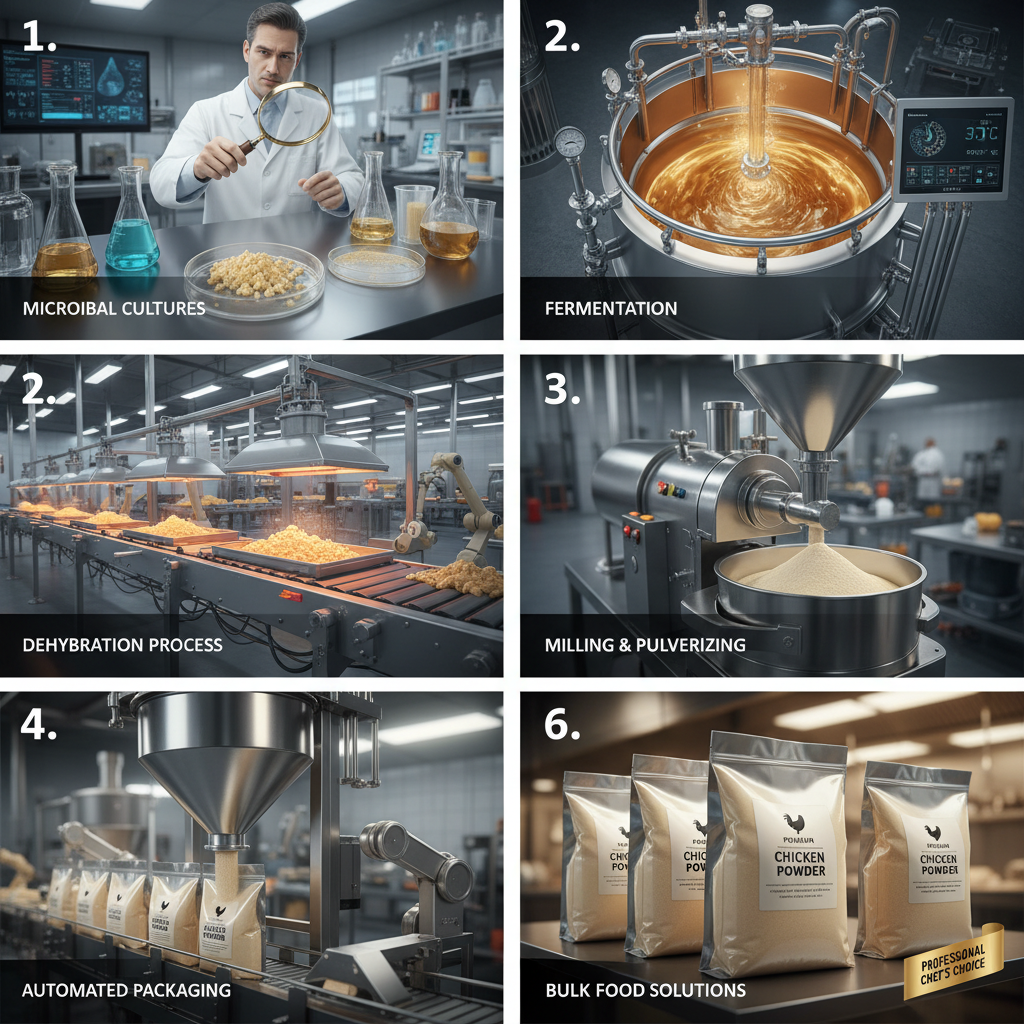
In the competitive landscape of the global food additive industry, the demand for high-quality flavor enhancers has surged, leading many commercial kitchens and food manufacturers to buy chicken powder as a primary method for achieving consistent, savory depth in their products. Chicken powder, a concentrated blend of meat extracts and seasonings, serves as a critical component in streamlining production cycles while maintaining the authentic "umami" profile that consumers crave globally.
The shift toward standardized seasoning solutions is driven by the need for scalability and cost-efficiency in food manufacturing. When enterprises decide to buy chicken powder in bulk, they are not just purchasing an ingredient, but a tool for quality control that eliminates the variability associated with fresh poultry stocks. This transition allows for precise formulation, ensuring that every batch of soup, snack, or processed meat tastes identical regardless of the production site.
Understanding the technical specifications, purity levels, and sourcing ethics is paramount for any procurement officer looking to buy chicken powder today. As global food safety standards like ISO and HACCP become more stringent, the focus has shifted toward additive-free or clean-label chicken powders that provide the same flavor punch without compromising the nutritional integrity of the final food product.
Global Market Dynamics of Chicken Powder
The global appetite for convenient, flavor-rich food solutions has created a robust market for poultry-based seasonings. Data from international trade monitors suggest that the move to buy chicken powder is particularly prevalent in the Asia-Pacific and Latin American regions, where fast-casual dining and ready-to-eat (RTE) meal kits are expanding rapidly. This growth is mirrored by the rising integration of food additives in pharmaceutical-grade nutrient supplements, where a savory profile is needed to mask medicinal tastes.
However, the industry faces a significant challenge: the balance between intense flavor and "clean label" requirements. Many manufacturers struggle to find a source to buy chicken powder from that avoids excessive MSG or artificial fillers while maintaining the stability required for long-distance shipping. This has led to a surge in demand for spray-dried extracts and freeze-dried options that preserve the volatile aromatic compounds of real chicken.
Defining Industrial Grade Chicken Powder
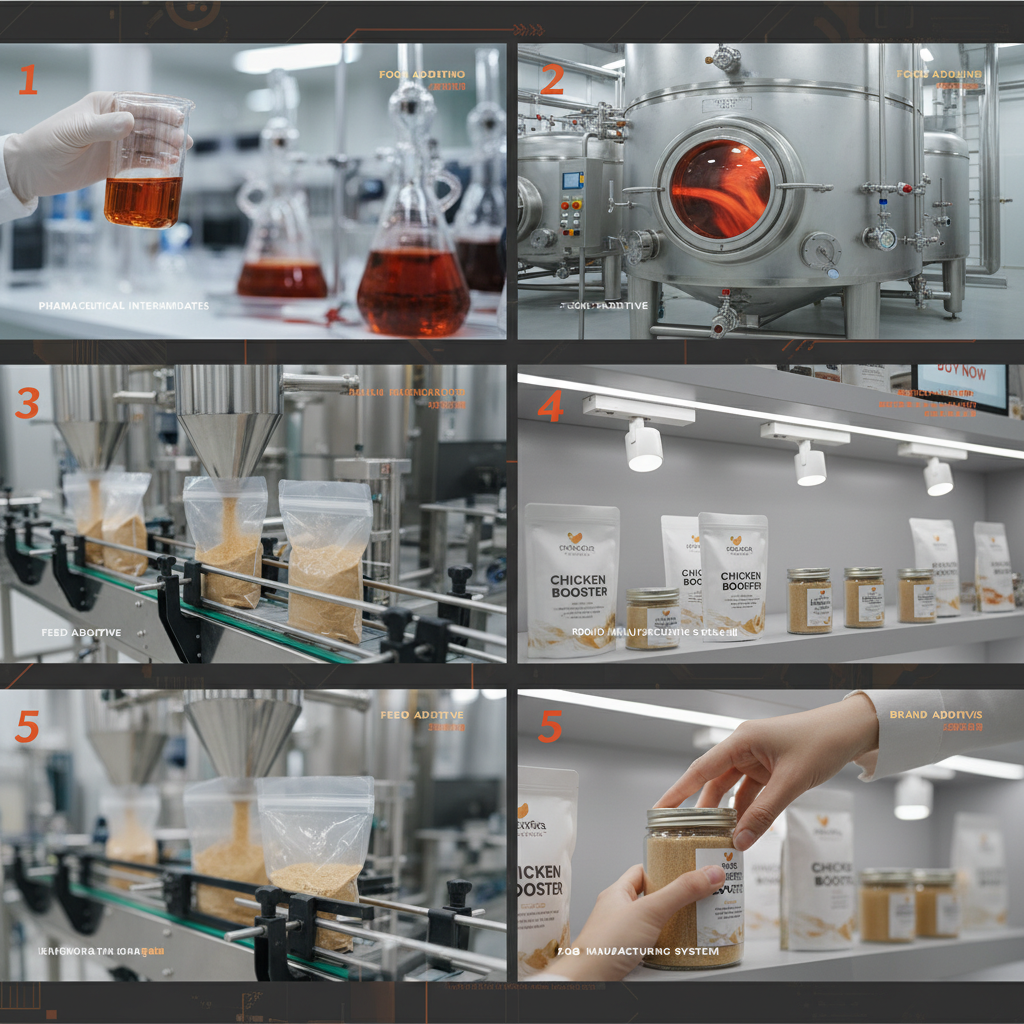
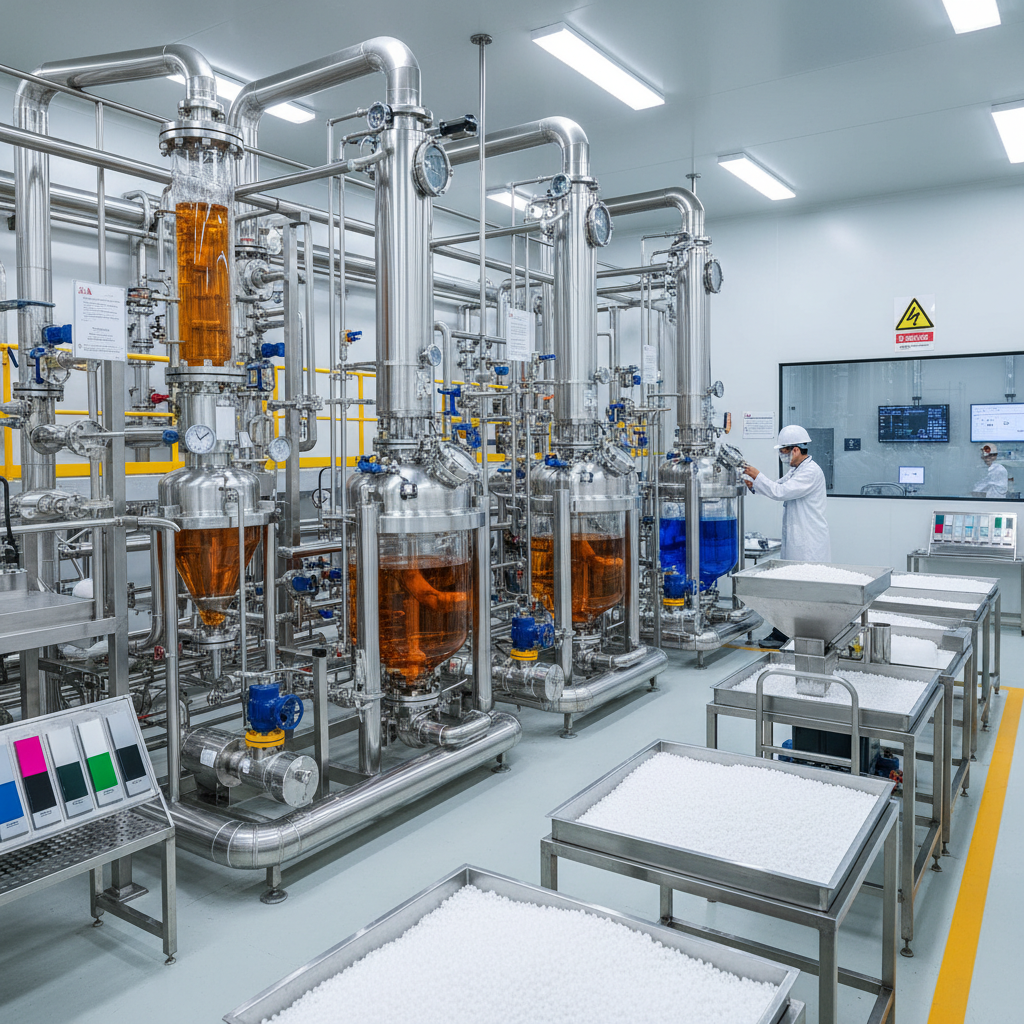
At its core, when a business decides to buy chicken powder, they are acquiring a dehydrated flavor concentrate. Unlike household bouillon cubes, industrial-grade powder is engineered for solubility, stability, and specific salt-to-protein ratios. It is typically produced through a process of extracting proteins and fats from chicken carcasses, which are then filtered, concentrated, and spray-dried into a fine, free-flowing powder.
This product is fundamentally linked to the modern need for food security and standardization. In large-scale catering—such as in military rations or disaster relief food packs—the ability to buy chicken powder allows for the delivery of calorie-dense, palatable meals that do not require refrigeration. It transforms a basic starch or vegetable base into a satisfying meal, addressing humanitarian needs for nutrition in remote areas.
Furthermore, the definition of "quality" in this context has evolved. Modern buyers no longer look for just "salt and flavor"; they seek specific amino acid profiles and low-ash content. The intersection of food science and additive manufacturing ensures that the powder can be integrated into various matrices—be it an oil-based sauce or a water-based soup—without clumping or separating.
Core Technical Components for Quality Assessment
The first critical factor when you buy chicken powder is the protein concentration. High-quality powders derive their savoriness from natural glutamates found in chicken protein rather than relying solely on added monosodium glutamate. This distinction is vital for brands targeting health-conscious demographics who demand transparency in ingredients.
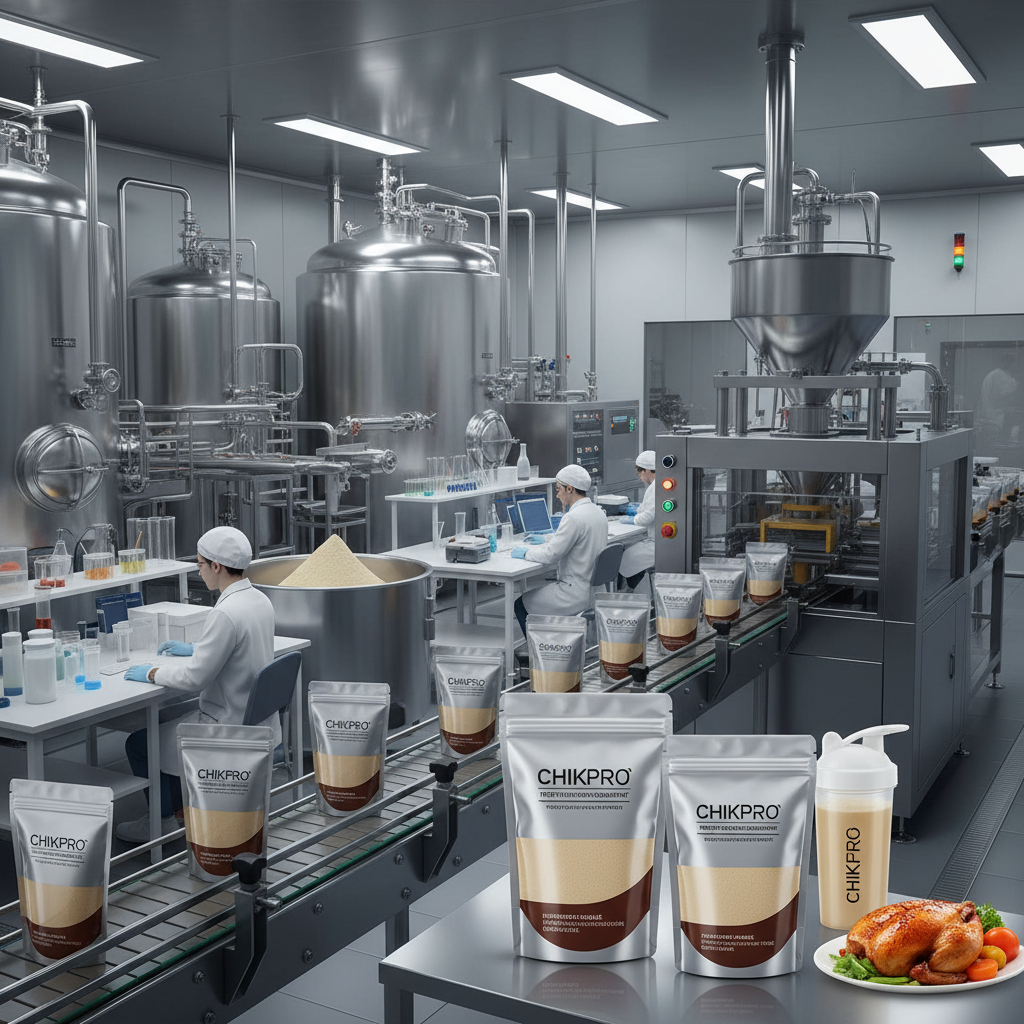
Secondly, solubility and particle size play a massive role in production efficiency. If you buy chicken powder with a non-uniform grain size, you risk "spotting" in the final product or clogging in industrial dosing machines. A micronized powder ensures a seamless blend, reducing the energy required for mixing and increasing the overall throughput of the production line.
Lastly, hygroscopicity—the tendency of the powder to absorb moisture from the air—is a key durability metric. Professional-grade products are often treated with anti-caking agents or specialized packaging to ensure that once a client decides to buy chicken powder, it remains a free-flowing powder throughout its shelf life, preventing the formation of hard lumps that hinder automated dispensing.
Performance Metrics in Commercial Applications
To evaluate the success of a seasoning integration, manufacturers often use a scoring system based on sensory analysis and cost-to-flavor ratios. When companies buy chicken powder, they test for "flavor release speed," which measures how quickly the savory notes hit the palate, and "aftertaste persistence," which ensures the flavor lingers without becoming metallic or overly salty.
These metrics are crucial because a powder that works in a slow-cooker stew may fail in a quick-fry snack application. By analyzing these variables, procurement teams can determine the exact grade of powder required for their specific product line, optimizing both the sensory experience and the raw material cost.
Comparison of Chicken Powder Grades for Commercial Use
Global Use Cases Across Food Industries
The versatility of this additive is evident in its widespread adoption across diverse sectors. In the snack food industry, companies buy chicken powder to create the signature coatings for extruded corn puffs and potato chips, where a high-intensity, low-moisture powder is required to adhere to the surface of the snack without making it soggy.
Beyond snacks, the instant noodle and soup market relies heavily on these concentrates. In Southeast Asian markets, for instance, the "seasoning sachet" is the heart of the product. Manufacturers buy chicken powder in massive quantities to create a base that can withstand high-temperature dehydration while remaining instantly soluble when the consumer adds boiling water.
Economic Advantages of Powdered Seasonings
From a financial perspective, the decision to buy chicken powder over using fresh chicken stock is a strategic move to reduce operational overhead. Fresh stock requires immense energy for simmering, significant storage space for refrigeration, and carries a high risk of microbial spoilage. In contrast, powder is shelf-stable, compact, and requires zero preparation time, directly lowering labor costs.
Furthermore, the scalability of powdered additives allows for precise "cost-per-serving" calculations. When a company can buy chicken powder and know exactly how many grams are needed to flavor 1,000 liters of soup, they can eliminate waste and optimize their margins. This predictability is essential for maintaining profitability in the low-margin food manufacturing sector.
There is also a psychological advantage in reliability. By sourcing from a certified manufacturer, brands avoid the "flavor drift" that happens with seasonal poultry variations. This consistency builds consumer trust, as the customer knows the product will taste exactly the same every time they buy it, regardless of where in the world it was produced.
Future Innovations in Flavor Extraction
The future of how we buy chicken powder is being reshaped by biotechnology and green chemistry. We are seeing a shift toward enzymatic hydrolysis, a process that breaks down proteins more efficiently to release deeper umami notes without adding artificial enhancers. This results in a "cleaner" powder that appeals to the modern, health-conscious consumer.
Additionally, digital transformation in the supply chain is making procurement more transparent. Blockchain technology is being integrated to allow those who buy chicken powder to trace the source of the poultry back to the farm, ensuring animal welfare standards and organic certifications are genuinely met.
Automation in production is also reducing the environmental footprint. New "closed-loop" spray drying systems recover heat and reduce water waste, making the process of producing the powder more sustainable. This alignment with ESG (Environmental, Social, and Governance) goals is becoming a deciding factor for global corporations.
Comparison Analysis of Chicken Powder Sourcing Methods
| Sourcing Method |
Flavor Profile |
Cost Efficiency |
Shelf Stability |
| Spray-Dried Extract |
Balanced & Consistent |
High |
Excellent |
| Freeze-Dried Powder |
Near-Fresh Taste |
Low |
Good |
| Seasoning Blend (MSG Based) |
Intense Umami |
Very High |
Excellent |
| Enzymatic Hydrolysate |
Complex & Natural |
Medium |
Very Good |
| Customized Formula |
Tailored to Product |
Medium |
Good |
| Organic/Clean Label |
Subtle & Pure |
Low |
Moderate |
FAQS
When purchasing for commercial scales, prioritize protein content over salt content. Look for "extract" rather than "seasoning" if you want a more natural flavor. Ensure the supplier provides a COA (Certificate of Analysis) detailing the purity, moisture levels, and absence of contaminants to ensure it meets food safety standards like ISO or HACCP.
Powdered forms are significantly more stable. While liquid concentrates often require refrigeration and have a shelf life of 6-12 months, properly sealed chicken powder can remain viable for 24 months at room temperature. This reduces cold-chain logistics costs and minimizes waste due to spoilage.
Yes, many modern manufacturers offer "clean label" or MSG-free versions. These typically use yeast extracts or enzymatic hydrolysis of chicken protein to achieve the same savory depth naturally. Always check the ingredient list for "yeast extract" or "hydrolyzed vegetable protein" as natural alternatives to pure MSG.
True chicken powder is animal-based. However, many companies that sell chicken powder also produce "vegan chicken flavor" using a combination of mushroom extracts, soy protein, and specific aromatic chemicals that mimic the scent and taste of poultry without using animal products.
Store the powder in a cool, dry environment with humidity control. Using airtight containers or vacuum-sealed bags is essential. If you buy chicken powder in large silos, investing in a mechanical agitator or using food-grade anti-caking agents (like silicon dioxide) can help maintain flowability.
MOQs vary by supplier, but for industrial grades, it typically starts at 25kg to 100kg drums. For customized formulations, the MOQ may be higher to cover the setup costs of the production line. It is always best to request a sample before committing to a bulk purchase.
Conclusion
The decision to buy chicken powder is more than a simple procurement choice; it is a strategic move toward operational efficiency, flavor consistency, and cost reduction. By understanding the technical nuances—from protein concentration to solubility—manufacturers can significantly enhance their product quality while streamlining their supply chains. The integration of advanced extraction technologies and a shift toward clean-label ingredients ensure that this essential additive remains relevant in an increasingly health-conscious global market.
Looking ahead, the industry will likely see a deeper fusion of biotechnology and sustainability, offering powders that are not only more flavorful but also more eco-friendly. For businesses seeking to stay competitive, partnering with a transparent and innovative supplier is the key to unlocking the full potential of their flavor profiles. We invite you to explore our professional-grade solutions to elevate your production standards. Visit our website: www.chinaseasoning.com