Understanding the fluctuations of the chicken powder price is essential for food manufacturers, industrial kitchens, and seasoning distributors worldwide. As a cornerstone of the savory flavor profile in countless processed foods, chicken powder serves as a cost-effective alternative to fresh poultry reductions, allowing brands to maintain consistency while controlling production overheads.
In the globalized food additive market, the chicken powder price is not merely a number but a reflection of complex supply chain dynamics, including the cost of raw poultry, energy prices for spray-drying, and international shipping logistics. For procurement managers, staying abreast of these trends is the difference between maintaining healthy margins and facing unexpected budgetary shortfalls.
Ultimately, analyzing the chicken powder price enables businesses to optimize their formulation strategies. By balancing high-quality taste profiles with economic viability, manufacturers can deliver premium-tasting products to consumers without compromising their own financial sustainability in a competitive global landscape.
Global Market Dynamics of Chicken Powder Price
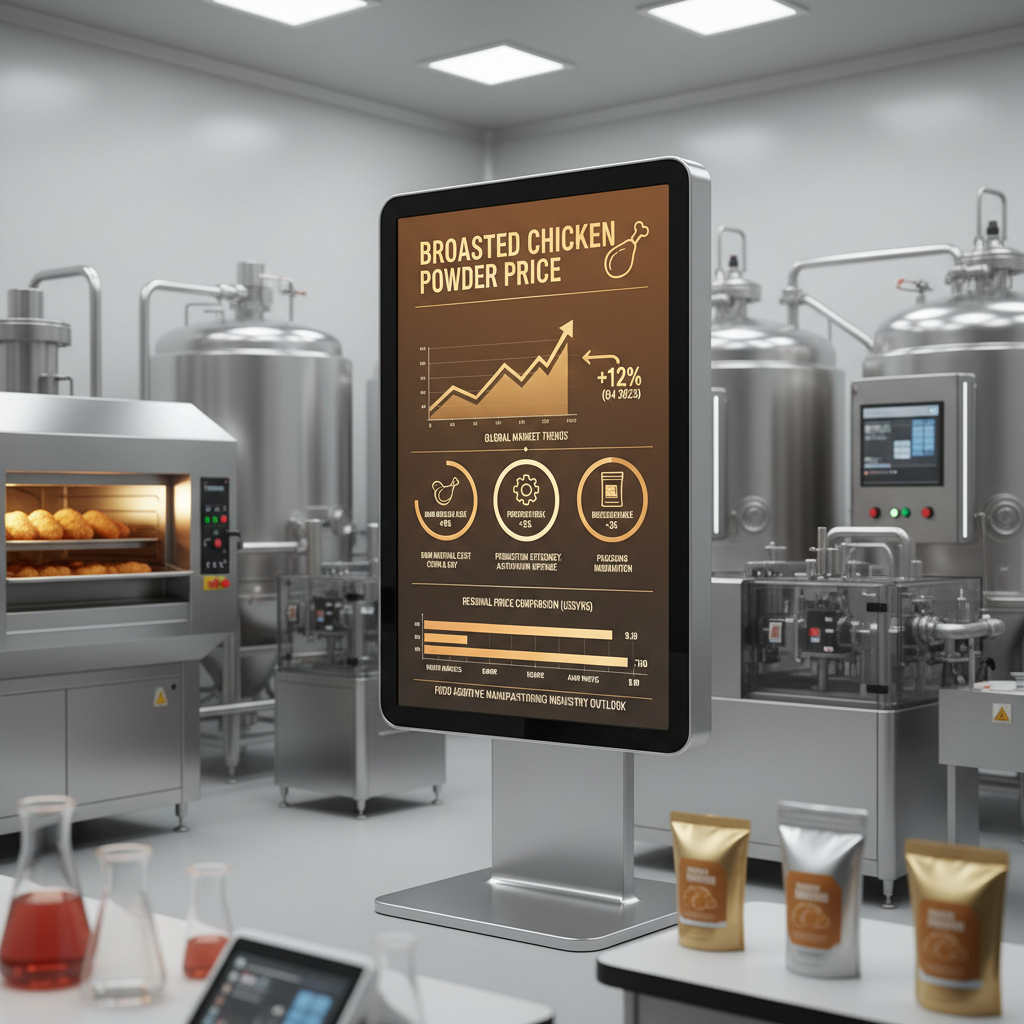
The global landscape for seasoning additives is currently undergoing a significant shift, with the chicken powder price acting as a primary indicator of raw material stability. According to industry trends often echoed in ISO food safety standards and World Bank commodity reports, the volatility of poultry markets—driven by avian influenza outbreaks and grain price spikes—directly correlates with the cost of processed powders.
For international importers, this volatility creates a challenge in long-term contract pricing. Manufacturers must navigate the tension between offering stable prices to their B2B clients and absorbing the rising costs of production. Consequently, the shift toward sustainable sourcing and synthetic flavor enhancements is becoming a strategic move to hedge against the unpredictable nature of the chicken powder price.
Defining the Economic Value of Chicken Powder
At its core, the chicken powder price represents the combined value of raw protein extraction, flavor concentration, and stability engineering. Unlike fresh chicken broth, the powdered form provides a shelf-stable, concentrated source of umami that can be transported globally without the need for expensive cold-chain logistics, thereby reducing the total cost of ownership for the end user.
In modern food industry terms, this price point reflects the "utility per kilogram." Because chicken powder is highly potent, a small amount can flavor massive batches of soup, snacks, or sauces. Therefore, the perceived value is not just in the unit price, but in the reduction of labor, storage space, and waste associated with fresh ingredients.
Furthermore, the connection to humanitarian needs is evident in food fortification programs. In regions with limited access to fresh proteins, affordable chicken powder provides a critical, nutrient-dense flavor enhancer that improves the palatability of emergency food rations, making the stability of the chicken powder price a matter of food security.
Core Factors Influencing Chicken Powder Price
The primary driver of the chicken powder price is the purity and source of the raw materials. High-grade powders derived from genuine chicken extract command a premium, whereas those utilizing a higher percentage of yeast extracts or hydrolyzed vegetable proteins are more budget-friendly.
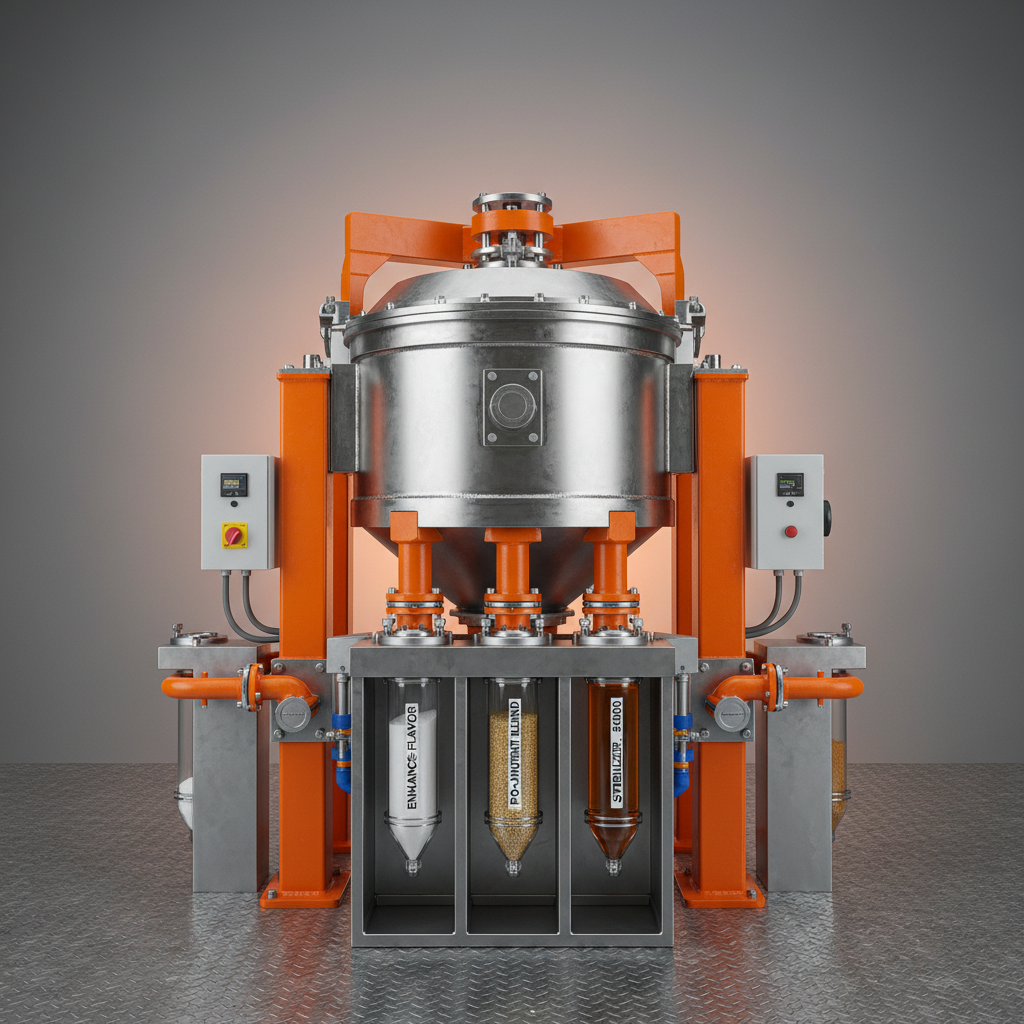
Processing technology also plays a pivotal role; for instance, spray-drying and freeze-drying methods significantly impact the final chicken powder price. Freeze-drying preserves more volatile flavor compounds but increases energy consumption, leading to a higher market price compared to traditional spray-dried variants.
Finally, regulatory compliance and certifications (such as HALAL, KOSHER, or Organic) add layers of cost. The rigorous auditing required to maintain these standards ensures safety and inclusivity but inevitably raises the chicken powder price to reflect the cost of quality assurance.
Cost Efficiency and Scalability in Production
When evaluating the chicken powder price, businesses must look beyond the initial purchase cost and consider scalability. Large-scale food processors benefit from bulk purchasing agreements that lower the per-unit cost, allowing them to scale production of instant noodles or frozen meals without a linear increase in seasoning expenses.
The operational efficiency gained from using a standardized powder—eliminating the need for simmering huge vats of chicken for hours—far outweighs the nominal fluctuations in the chicken powder price. This transition from "scratch cooking" to "industrial formulation" is what allows global food brands to maintain the same taste profile in New York as they do in Tokyo.
Comparison of Chicken Powder Price Efficiency Factors
Industrial Applications and Global Use Cases
The versatility of chicken powder makes it indispensable across various sectors. In the snack food industry, where precise flavor distribution is key, the chicken powder price is factored into the "dusting" costs for chips and extruded puffs. In Southeast Asian markets, where poultry-based seasonings are a staple, large-scale condiment manufacturers rely on stable pricing to keep street-food-inspired products affordable for the general public.
Beyond commercial snacks, we see critical use cases in remote industrial zones or military mess halls. In these environments, the ability to store a high-umami seasoning without refrigeration is vital. While the logistics of delivery to these areas might inflate the local chicken powder price, the long-term savings in spoilage and storage infrastructure make it the most logical choice for large-scale catering.
Long-Term Value and Sustainability Benefits
Investing in a reliable supplier for your chicken powder price strategy provides more than just financial predictability; it offers peace of mind. When a manufacturer secures a contract with a supplier that adheres to stringent E-E-A-T (Experience, Expertise, Authoritativeness, and Trustworthiness) principles, they are effectively insuring their brand against quality lapses that could lead to costly recalls.
From a sustainability perspective, powdered seasonings reduce the carbon footprint associated with transporting water. Fresh broths are primarily water; by removing the liquid, the weight and volume of shipments are drastically reduced. This means fewer trucks on the road and lower emissions per flavor unit delivered, adding an invisible "green value" to the chicken powder price.
Moreover, the precision of using powdered additives reduces food waste. Unlike fresh chicken, which has a short expiration window and variable potency, a standardized powder ensures that exactly the right amount of seasoning is used every time. This logical approach to resource management enhances the overall dignity and professionalism of the production line, fostering trust with the end consumer.
Future Trends in Chicken Powder Pricing
The future of the chicken powder price will likely be shaped by the rise of "clean label" demands. Consumers are increasingly avoiding MSG and artificial fillers, pushing manufacturers toward natural fermentation and enzyme-based hydrolysis. While these "clean" processes are currently more expensive, economies of scale are expected to bring these prices closer to traditional formulations.
Digital transformation is also playing a role. AI-driven demand forecasting is allowing suppliers to optimize their production schedules, reducing warehouse overhead and potentially lowering the chicken powder price for agile buyers who can integrate their inventory systems with their suppliers. Automation in spray-drying plants is further reducing labor costs, which may offset the rising cost of raw poultry.
Finally, the shift toward plant-based "chicken" flavors is creating a parallel market. As cellular agriculture and high-fidelity plant proteins evolve, we may see a divergence in the chicken powder price between traditional animal-derived powders and bio-identical synthetic alternatives, offering manufacturers more flexibility in catering to diverse dietary needs.
Analysis of Chicken Powder Price Variations by Grade and Technology
|
Product Grade
|
Pricing Tier
|
Primary Driver
|
Market Stability (1-10)
|
|
Industrial Economy
|
Low
|
High Yeast Extract %
|
9
|
|
Standard Commercial
|
Medium
|
Balanced Meat Extract
|
7
|
|
Premium Natural
|
High
|
Pure Chicken Concentrate
|
5
|
|
Freeze-Dried Elite
|
Very High
|
Cold-Process Tech
|
6
|
|
Organic Certified
|
High
|
Sourcing Compliance
|
8
|
|
Custom Formulation
|
Variable
|
R&D Labor Costs
|
4
|
FAQS
Price variance is primarily driven by the ratio of real chicken extract to fillers like maltodextrin or yeast extract. Premium suppliers use higher concentrations of genuine poultry protein and advanced drying techniques, which increases the cost but delivers a superior, more authentic flavor profile and better nutritional value.
Keep a close eye on the global poultry market and corn/soybean prices, as these are the primary inputs for chicken production. Additionally, monitoring energy costs in the regions where your supplier operates can give you a hint about potential price hikes in the spray-drying process.
While bulk buying is effective, you can also lower costs by optimizing your formula—perhaps by blending a high-premium powder with a standard grade. Additionally, entering into long-term fixed-price contracts can protect you from sudden market spikes.
Yes, organic certifications typically lead to a higher price due to the increased cost of organic-certified poultry feed and the rigorous auditing processes required to ensure no synthetic additives are used during production.
Logistics can add 5-15% to the total cost. However, because chicken powder is lightweight and shelf-stable, it is far more economical to ship than liquid concentrates, which often requires refrigerated containers and higher insurance premiums.
Yes, synthetic blends are generally cheaper. However, they may lack the depth and "mouthfeel" of real chicken extract. Many manufacturers choose a hybrid approach to keep the chicken powder price manageable while maintaining a high-quality taste.
Conclusion
Navigating the complexities of the chicken powder price requires a strategic balance between cost-efficiency and quality assurance. From understanding the impact of raw material volatility and processing technologies to leveraging bulk scalability and sustainable logistics, food manufacturers must treat seasoning procurement as a critical component of their operational success. By focusing on value-per-kilogram rather than just the unit price, businesses can ensure consistent product quality and long-term financial stability.
Looking ahead, the integration of clean-label ingredients and AI-driven supply chain management will likely redefine how we perceive the chicken powder price. We suggest that procurement managers diversify their supplier base and explore hybrid formulations to mitigate risk. For those seeking a partner that combines technical expertise with competitive pricing, we invite you to explore our comprehensive range of solutions. Visit our website: www.chinaseasoning.com