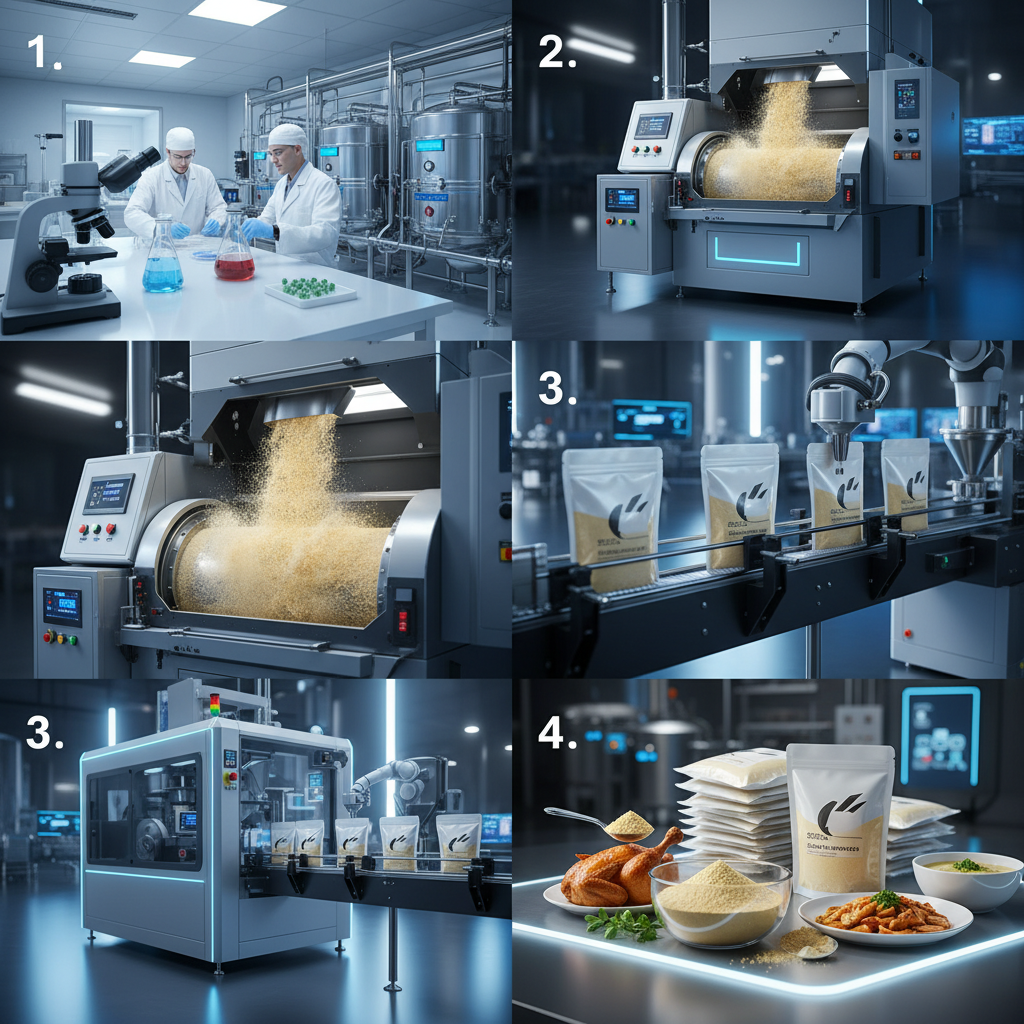
In the complex landscape of global food manufacturing, the role of flavor enhancement is paramount to consumer satisfaction and product loyalty. Among the most influential tools in a chef's or food scientist's arsenal is chinese seasoning msg, a crystalline compound that optimizes the savory "umami" profile of diverse culinary applications. Understanding its chemical properties and industrial application is essential for brands aiming to achieve consistent taste profiles across large-scale production lines.
From a global economic perspective, the demand for high-quality flavor enhancers has surged as urban populations seek convenient, ready-to-eat meals that do not sacrifice the depth of traditional home-cooked flavors. The strategic use of chinese seasoning msg allows manufacturers to reduce reliance on expensive natural extracts while maintaining a rich, satisfying taste that resonates with the human palate's biological preference for glutamates.
However, the industry currently faces the challenge of balancing taste efficiency with evolving health perceptions and clean-label trends. By integrating advanced fermentation technologies and stringent quality control standards, modern producers are transforming chinese seasoning msg from a simple additive into a precision tool for nutritional and sensory engineering, ensuring safety and efficacy in every gram.
The Global Industrial Relevance of chinese seasoning msg
The global distribution of flavor enhancers is a multi-billion dollar industry, with chinese seasoning msg serving as a cornerstone for both Asian and Western processed foods. According to market analysis, the shift toward convenience foods has increased the reliance on standardized umami agents to ensure that products taste identical whether they are consumed in New York, London, or Shanghai.
Beyond simple taste, the industrial relevance of chinese seasoning msg extends to its ability to mask off-notes in plant-based proteins. As the world moves toward sustainable meat alternatives, the "savory gap" becomes a technical hurdle that only high-purity seasoning agents can effectively bridge, making it indispensable for the next generation of food innovation.
Defining the Chemical Essence of chinese seasoning msg
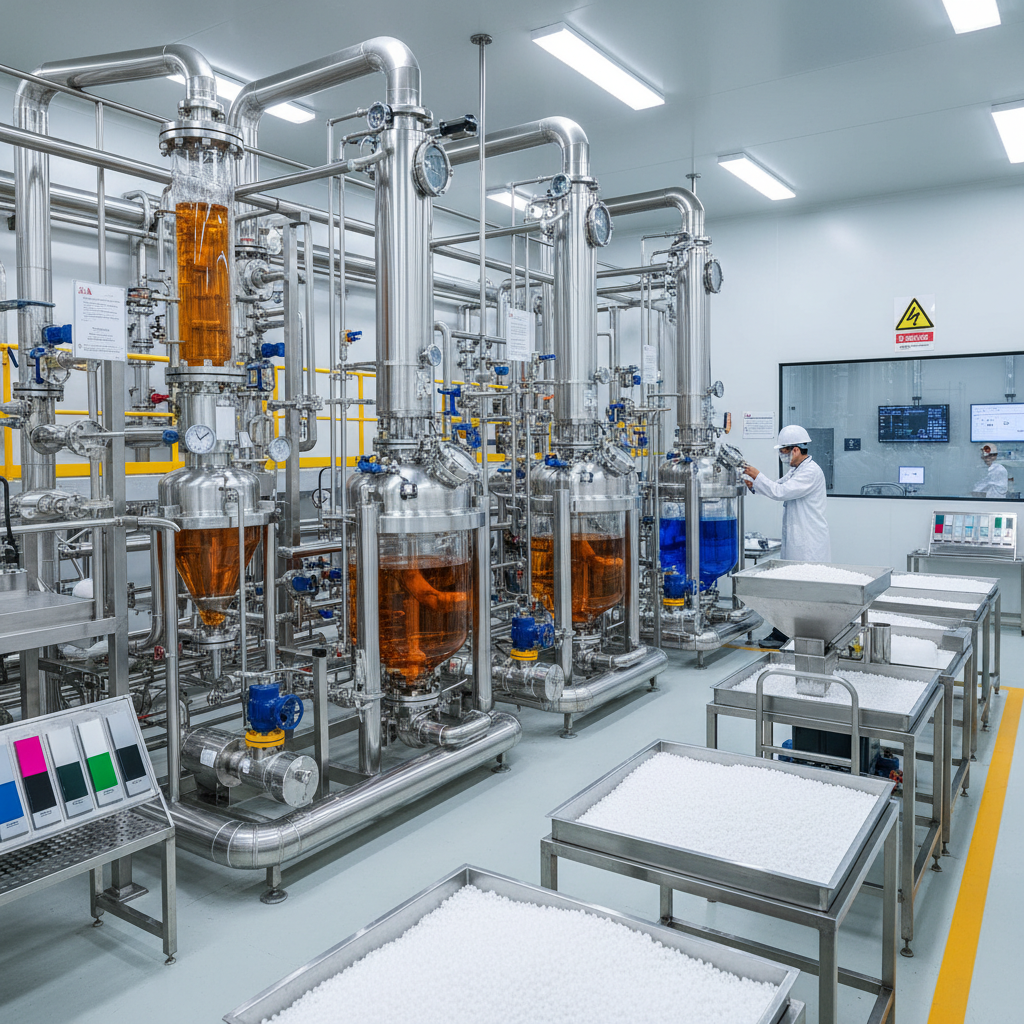
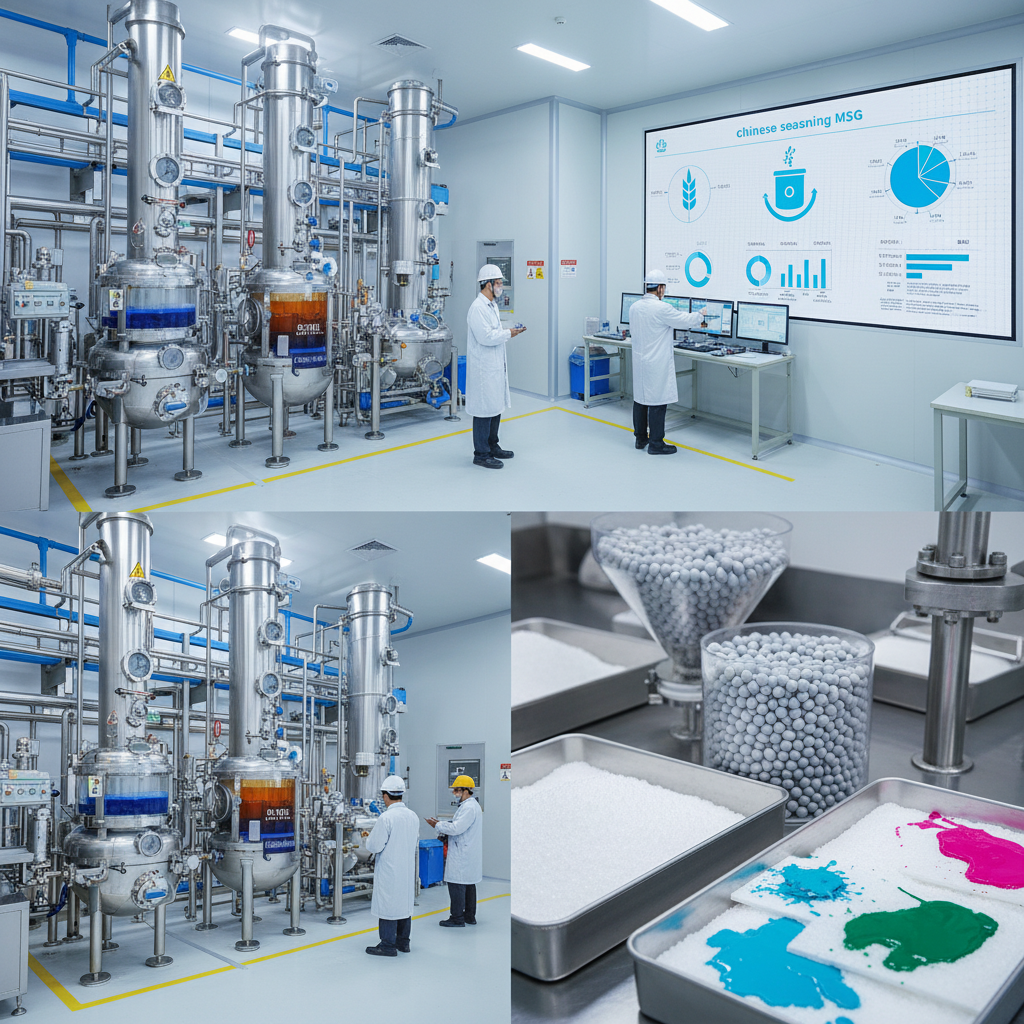
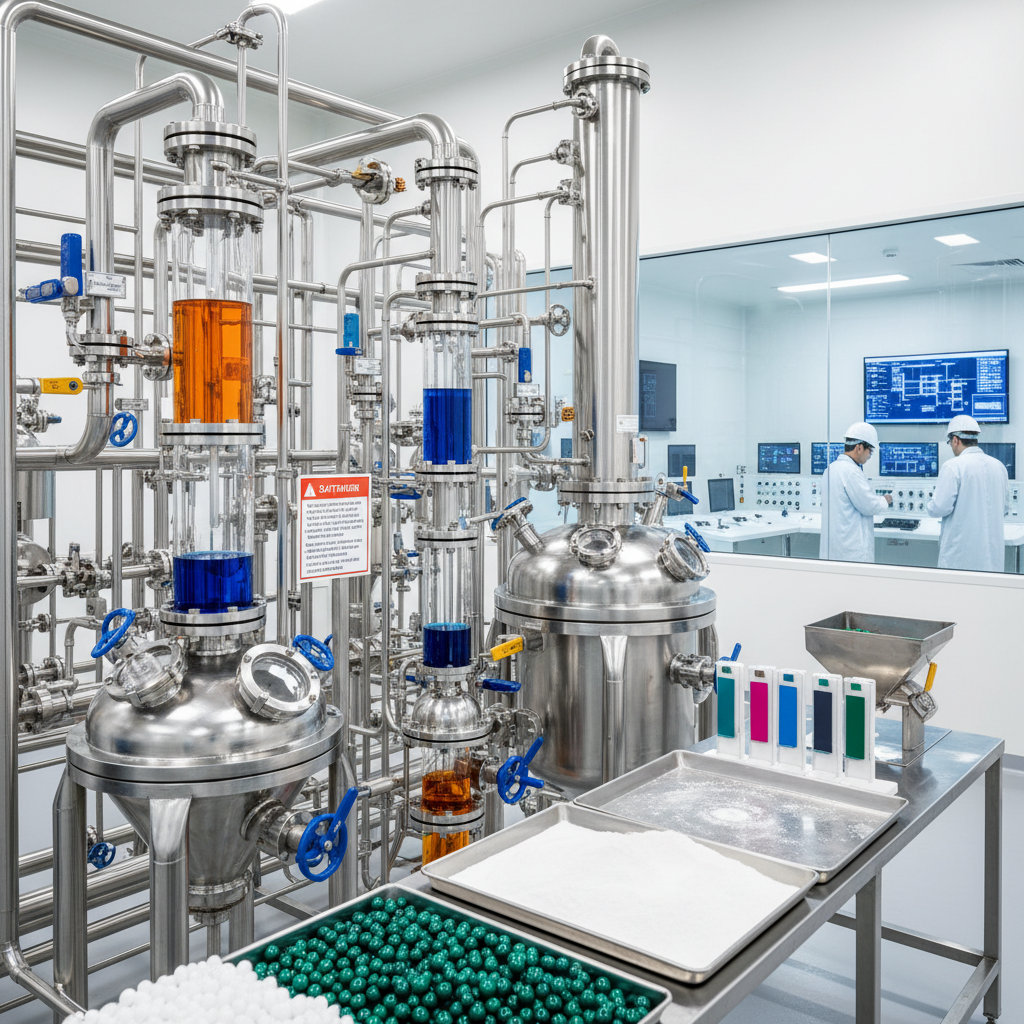
At its core, chinese seasoning msg is the sodium salt of glutamic acid, an amino acid found naturally in many foods like tomatoes and aged cheeses. In an industrial context, it is produced through the fermentation of starches (such as sugarcane or corn) using specific bacterial strains, resulting in a highly concentrated crystalline powder that triggers the umami receptors on the human tongue.
The significance of this compound lies in its ability to synergize with other nucleotides. When chinese seasoning msg is combined with inosinate or guanylate, the perceived intensity of the savory flavor is multiplied exponentially rather than linearly. This chemical synergy is what allows food manufacturers to achieve a "meaty" taste with minimal additive quantities.
Modern humanitarian and industrial needs have further refined the production of chinese seasoning msg to ensure it meets ISO and food-grade certifications. By providing a stable, long-shelf-life method of enhancing flavor, it supports the creation of fortified nutrient-dense foods in regions where fresh, flavor-rich ingredients are scarce or prohibitively expensive.
Core Components and Quality Factors of chinese seasoning msg
One of the primary quality factors for chinese seasoning msg is purity. High-grade industrial variants must maintain a purity level often exceeding 99%, ensuring that there are no residual fermentation byproducts that could alter the neutral scent or taste profile of the end product.
Solubility is another critical metric. The ability of chinese seasoning msg to dissolve rapidly in liquids without clumping ensures a homogenous distribution of flavor across a batch, which is vital for maintaining consistency in automated pharmaceutical intermediates and food additive blending.
Finally, the hygroscopic nature of chinese seasoning msg requires advanced packaging solutions. To prevent caking and maintain the free-flowing property of the crystals, manufacturers employ moisture-barrier films and anti-caking agents, ensuring the product remains stable during long-haul maritime shipping.
Practical Applications of chinese seasoning msg in Food Processing
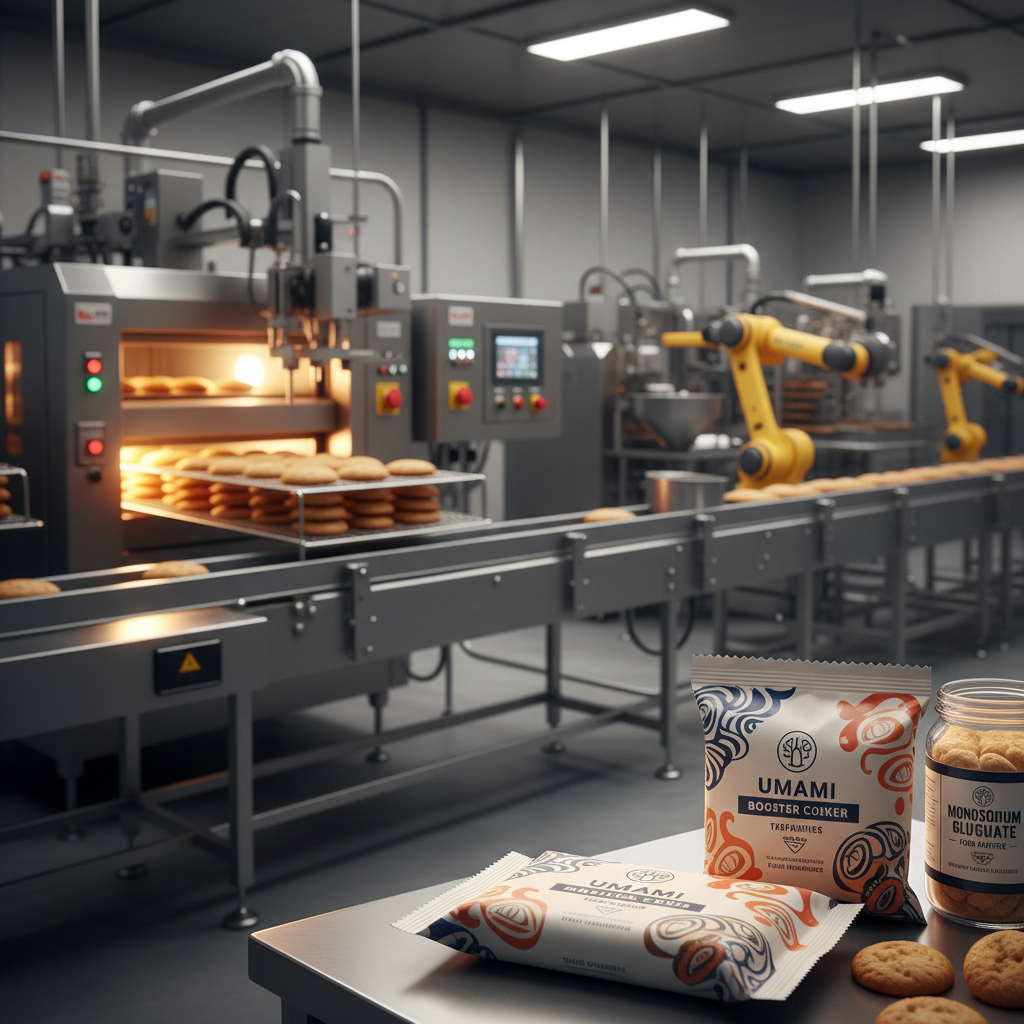
The application of chinese seasoning msg spans across various sectors, from the mass production of savory snacks to the formulation of professional-grade bouillon cubes. In the snack industry, it is used to create a "craveable" profile that encourages repeat consumption by stimulating the appetite through a balanced salt-umami ratio.
Beyond snacks, it plays a pivotal role in the meat-processing industry. By incorporating chinese seasoning msg into cured meats or frozen appetizers, manufacturers can maintain a consistent flavor profile even after the product has undergone freeze-thaw cycles, which typically degrade natural flavor compounds.
Performance Efficiency of chinese seasoning msg Variants
Tangible Benefits and Long-Term Value of chinese seasoning msg
From a cost-efficiency standpoint, chinese seasoning msg provides unmatched value. It allows brands to achieve a rich, savory taste using significantly smaller quantities of raw materials compared to using only natural stocks or extracts, thereby reducing logistics costs and ingredient waste.
Furthermore, the reliability of chinese seasoning msg ensures that food safety is not compromised. Because it is produced in controlled bioreactors, the risk of contamination—common in natural extracts derived from wild sources—is virtually eliminated, providing peace of mind for global export compliance.
Future Trends in the Production of chinese seasoning msg
The future of chinese seasoning msg is leaning heavily toward "green chemistry." Researchers are currently optimizing CRISPR-modified bacterial strains that can ferment agricultural waste—such as corn stover or rice husks—into high-purity glutamates, significantly reducing the carbon footprint of production.
Digital transformation is also hitting the factory floor. Smart manufacturing, utilizing AI-driven sensors, now allows for real-time monitoring of fermentation vats. This ensures that the chinese seasoning msg produced has a consistent crystal size and purity, reducing batch-to-batch variance to near-zero.
Moreover, there is a growing trend toward "blended umami" solutions. Instead of pure chinese seasoning msg, manufacturers are creating synergistic premixes that combine MSG with yeast extracts and mushroom powders to appeal to "clean label" consumers while retaining the powerful flavor-boosting properties of the original compound.
Challenges and Innovative Solutions for chinese seasoning msg
One of the persistent challenges facing chinese seasoning msg is the lingering consumer misconception regarding its health impact. Despite scientific consensus from organizations like the FDA and WHO, some markets still perceive it as "artificial," leading to a decline in usage in certain health-conscious demographics.
To overcome this, the industry is shifting toward educational transparency. By rebranding chinese seasoning msg as "fermentation-derived umami" and highlighting its presence in natural foods, companies are successfully repositioning the ingredient as a natural biological tool rather than a synthetic chemical.
Technically, the challenge of sodium reduction is being addressed through the development of "low-sodium" versions of chinese seasoning msg. By replacing sodium with potassium or using encapsulation technology, manufacturers can deliver the same flavor intensity with a fraction of the sodium content, aligning with global health initiatives to reduce hypertension.
Analysis of chinese seasoning msg Quality Standards and Market Performance
|
Product Grade
|
Purity Level (%)
|
Application Suitability
|
Stability Score (1-10)
|
|
Food Grade Pure
|
99.5%
|
High-end Seasoning
|
9
|
|
Industrial Bulk
|
98.0%
|
Processed Snacks
|
8
|
|
Pharma-Intermediate
|
99.9%
|
Medical Nutrition
|
10
|
|
Low-Sodium Variant
|
97.5%
|
Health Foods
|
7
|
|
Fermented Blend
|
95.0%
|
Clean Label Products
|
8
|
|
Nano-Encapsulated
|
99.0%
|
Fast-Release Coatings
|
9
|
FAQS
The primary difference lies in the purity level and the stringent nature of the quality control process. Food-grade chinese seasoning msg undergoes more rigorous filtration and testing to ensure it meets specific food safety certifications (like FCC or E362), whereas industrial grade may have slightly higher tolerance for impurities, making it suitable for non-consumable pharmaceutical intermediates or animal feed additives.
Yes, it is highly stable provided it is stored in a cool, dry environment. Because chinese seasoning msg is hygroscopic, the key to long-term storage is using moisture-proof packaging. When sealed correctly in HDPE bags or lined drums, it can maintain its chemical potency and physical form for several years without degradation.
It allows manufacturers to achieve the desired "savory" depth without using massive quantities of expensive proteins or natural extracts. By using chinese seasoning msg as a flavor amplifier, a company can reduce the amount of expensive raw ingredients required to reach the target taste profile, thereby lowering the overall Cost of Goods Sold (COGS).
Absolutely. Since most chinese seasoning msg is produced via the fermentation of plant-based starches (corn or sugarcane), it is naturally vegan. It is actually one of the most critical ingredients in plant-based meat alternatives to replicate the savory "umami" taste of animal proteins.
To ensure uniformity, it is recommended to pre-blend chinese seasoning msg with other dry ingredients before adding it to liquids. Using high-shear mixers or automated blending systems prevents "hot spots" of flavor and ensures that every unit of the final product has a consistent taste profile.
When importing chinese seasoning msg, ensure the supplier provides a Certificate of Analysis (CoA), MSDS, and relevant food safety certifications (ISO, HACCP). We recommend sourcing from established manufacturers who provide vacuum-sealed packaging to ensure the product arrives in a free-flowing, non-clumped state.
Conclusion
In summary, chinese seasoning msg remains an indispensable asset in the global food manufacturing sector, offering a unique combination of flavor efficiency, cost-effectiveness, and chemical stability. From its roots in traditional fermentation to its current role in cutting-edge plant-based proteins and pharmaceutical intermediates, it continues to bridge the gap between nutritional necessity and sensory pleasure.
Looking forward, the industry's shift toward sustainable production and "cleaner" labels will not replace this powerful tool but rather refine it. By embracing green chemistry and transparent communication, the value of chinese seasoning msg will only grow as we seek smarter, more efficient ways to feed a growing global population. To source the highest quality additives for your production line, visit our website: www.chinaseasoning.com