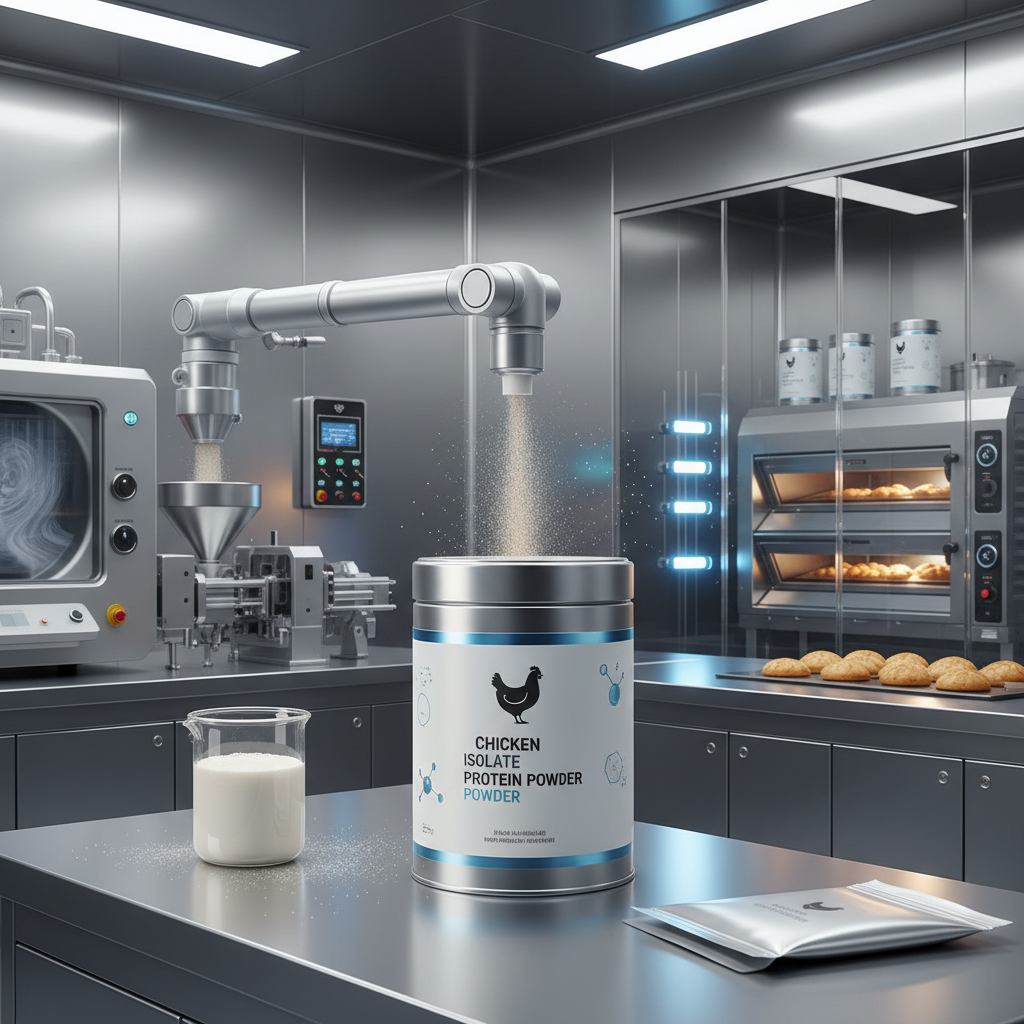
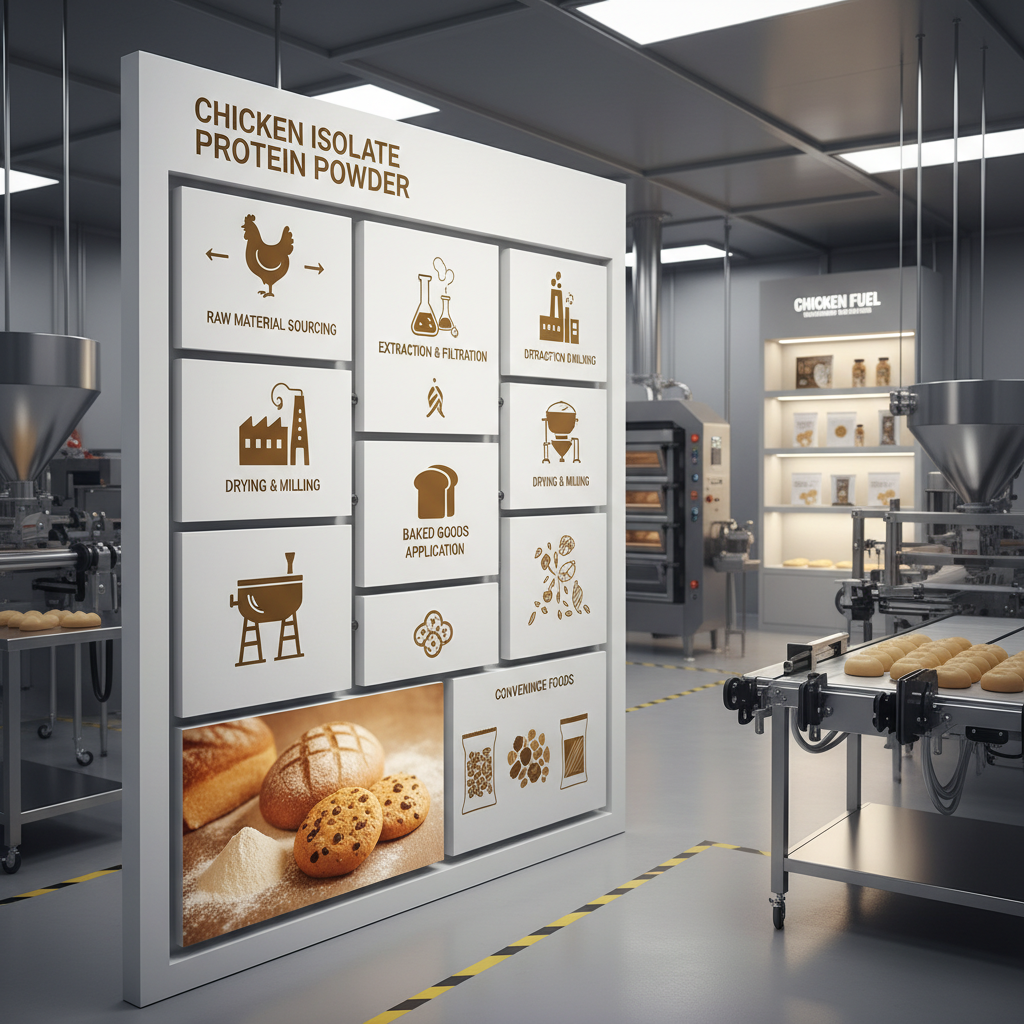
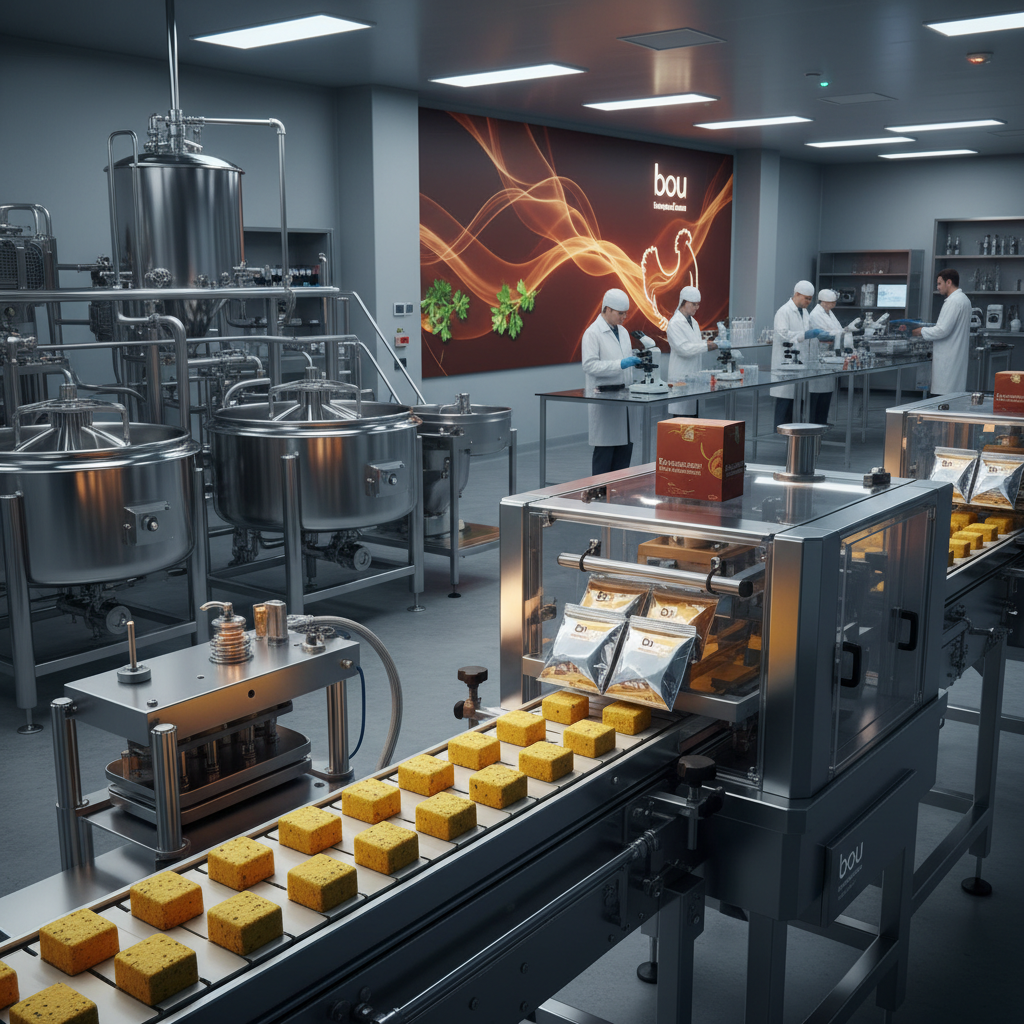
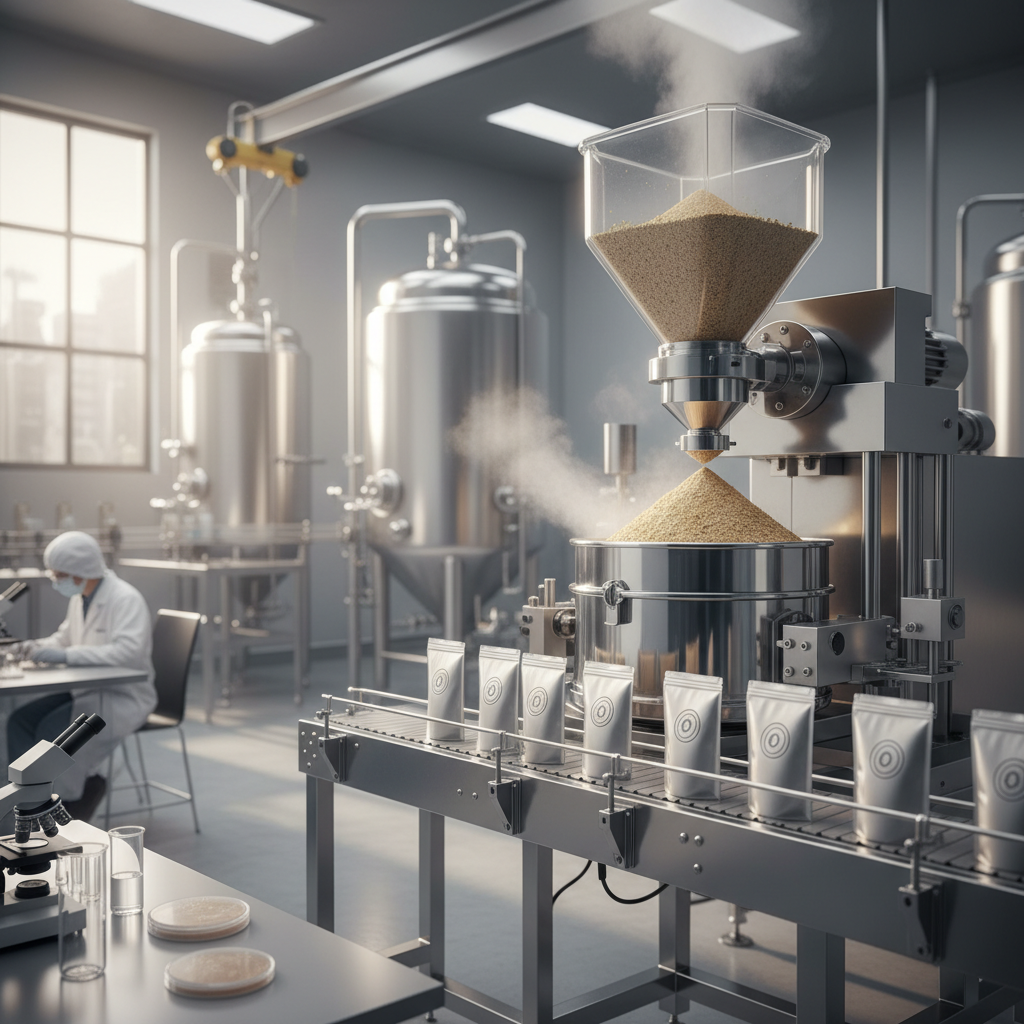
The global demand for high-efficiency nutritional supplements has led to the rise of specialized proteins, with chicken isolate protein powder emerging as a powerhouse in both the food additive and feed industry. By isolating the purest form of protein from avian sources, manufacturers can provide a highly bioavailable amino acid profile that supports muscle recovery and metabolic health across various species.
Understanding the technical nuances of this isolate is critical for producers in the pharmaceutical and food sectors who require precise control over protein concentration and purity. As the industry shifts toward leaner, more sustainable protein sources, the ability to standardize chicken isolate protein powder ensures consistency in product performance and nutritional labeling.
Integrating this high-density protein into commercial formulations allows for a significant reduction in bulk while maximizing the biological value of the end product. Whether used as a pharmaceutical intermediate or a premium feed additive, the strategic application of these isolates addresses the growing need for nutrient-dense, low-fat protein alternatives.
Global Industry Relevance of Chicken Isolate Protein Powder
In the current global landscape, the search for sustainable and high-yield protein sources has pushed chicken isolate protein powder into the spotlight. With the FAO highlighting a growing gap in global protein availability, the pharmaceutical and food additive industries are leveraging isolated proteins to create concentrated nutritional blocks that reduce waste and logistics costs.
The shift toward "precision nutrition" means that generic protein blends are no longer sufficient. Industries now require isolates that remove non-essential fats and carbohydrates, ensuring that the final product—whether a medical supplement or a high-performance feed—delivers a predictable and potent dose of essential amino acids.
Defining the Technical Scope of Protein Isolation
At its core, chicken isolate protein powder is a highly refined protein concentrate derived from chicken muscle tissue through advanced centrifugal and filtration processes. Unlike standard protein concentrates, an "isolate" typically contains 90% protein or more, with minimal traces of fat, lactose, or ash, making it an ideal raw material for pharmaceutical intermediates.
The production process involves careful pH adjustment and enzymatic hydrolysis to break down complex protein chains into smaller, more absorbable peptides. This ensures that the resulting powder is not only potent but also possesses superior solubility, which is a critical requirement for liquid-based food additives and injectable pharmaceutical formulations.
By stripping away the impurities, the industry can address the challenge of allergenicity and digestive distress often associated with whole-food protein sources. This technical refinement allows for the creation of hypoallergenic nutritional products that meet strict ISO and international health standards.
Core Components and Quality Drivers
The efficacy of chicken isolate protein powder is primarily driven by its amino acid profile, specifically the concentration of branched-chain amino acids (BCAAs) like Leucine, Isoleucine, and Valine. These components are essential for tissue repair and are the primary reason this isolate is preferred over plant-based alternatives in medical recovery contexts.
Another critical factor is the "Bioavailability Index," which measures how efficiently the body absorbs the protein. High-quality chicken isolate protein powder is processed to ensure that the protein structure remains native and non-denatured, allowing for rapid absorption in the small intestine without requiring excessive digestive energy.
Lastly, solubility and dispersibility play a massive role in commercial viability. For manufacturers of food additives, the ability of the powder to integrate seamlessly into a matrix without clumping or altering the flavor profile is a non-negotiable quality driver that separates industrial-grade isolates from consumer-grade powders.
Comparative Performance and Efficiency Metrics
When evaluating the performance of chicken isolate protein powder, it is essential to compare different extraction methods. Cold-press filtration typically preserves more bioactive peptides than heat-based extraction, although the latter may offer better shelf-stability and lower production costs.
The efficiency of these isolates is often measured by their "Protein-to-Weight Ratio," where the goal is to achieve maximum nitrogen content with minimum additive fillers. This allows logistics managers to ship larger quantities of nutrients in smaller volumes, significantly reducing the carbon footprint of the supply chain.
Extraction Method Efficiency for Chicken Isolate Protein Powder
Global Applications and Market Use Cases
In the realm of high-end animal nutrition, chicken isolate protein powder is frequently utilized as a feed additive for aquaculture and avian breeding programs. By providing a concentrated source of amino acids, farmers can accelerate growth cycles while reducing the amount of waste excreted into the environment, aligning with "Green Agriculture" policies in the EU and North America.
Beyond feed, the pharmaceutical sector employs these isolates as intermediates for specialized medical foods designed for patients with severe muscle wasting or malabsorption syndromes. In post-disaster relief operations, where lightweight, nutrient-dense food is a priority, these isolates are integrated into emergency rations to prevent acute protein-energy malnutrition in remote industrial zones or crisis areas.
Long-Term Economic and Nutritional Value
The long-term value of investing in high-purity chicken isolate protein powder lies in its ability to lower the "cost-per-gram" of absorbed nitrogen. While the initial purchase price of an isolate is higher than that of a concentrate, the reduction in required volume and the increase in biological efficacy result in lower overall formulation costs for large-scale manufacturers.
From a sustainability perspective, using isolated proteins allows for the full utilization of avian by-products, transforming what would be waste into a high-value industrial asset. This circular economy approach not only boosts profitability but also enhances the brand image of companies committed to zero-waste manufacturing.
Furthermore, the reliability of a standardized isolate reduces the risk of batch failure in pharmaceutical production. This consistency builds trust between the raw material supplier and the final product manufacturer, ensuring that every dose delivered to the end-user meets strict safety and potency guidelines.
Future Innovations in Protein Processing
Looking ahead, the production of chicken isolate protein powder is set to be transformed by AI-driven fermentation and precision enzyme tailoring. These technologies will allow manufacturers to "design" the amino acid sequence of the isolate, optimizing it for specific functions such as rapid muscle synthesis or enhanced immune support.
Digital transformation in the supply chain, including blockchain tracking, will soon provide a "protein passport" for every batch of isolate. This will allow buyers to trace the raw material back to the source, ensuring ethical farming practices and absolute purity, which is becoming a mandatory requirement for pharmaceutical-grade additives.
The integration of green energy into the spray-drying process is another key trend. By replacing fossil-fuel-based heaters with industrial heat pumps and solar-thermal energy, the carbon footprint of protein isolation will plummet, making chicken isolate protein powder a truly sustainable cornerstone of the future food system.
Technical Comparison of Protein Isolation Standards
| Isolation Grade |
Protein Purity (%) |
Solubility Rate |
Primary Application |
| Industrial Grade |
75% - 82% |
Moderate |
General Feed Additive |
| Food Grade |
85% - 90% |
High |
Nutritional Supplements |
| Pharma Grade |
92% - 98% |
Very High |
Medical Intermediates |
| Bio-Active Grade |
90% + |
Instant |
Peptide Therapy |
| Hypoallergenic Grade |
88% - 95% |
High |
Specialized Dietetics |
| Customized Blend |
Variable |
Optimized |
Targeted Sports Nutrition |
FAQS
The primary difference lies in purity. A concentrate typically contains 60-80% protein and retains some fats and carbohydrates. In contrast, chicken isolate protein powder is refined to contain 90% or more protein, removing almost all non-protein components. This makes the isolate superior for pharmaceutical and high-end nutritional applications where precise dosing and low caloric density are required.
Yes, because the isolation process removes many of the common triggers found in whole-food proteins, such as specific fats and connective tissues. When processed using high-grade filtration, the isolate provides a clean amino acid source that is much easier on the digestive system, making it a preferred choice for specialized medical diets and hypoallergenic animal feed.
High solubility is a hallmark of quality chicken isolate protein powder. Because the proteins are isolated and often partially hydrolyzed, they disperse rapidly in water or oil-based matrices without clumping. This ensures a homogenous mixture in liquid supplements, preventing sedimentation and improving the mouthfeel of the final product.
Absolutely. Due to its extreme purity and standardized amino acid profile, it serves as a critical raw material for creating peptide-based medicines and medical-grade nutritional infusions. Its low ash content and absence of contaminants allow it to meet the stringent requirements of pharmacopeia standards.
To prevent protein denaturation and lipid oxidation, it should be stored in a cool, dry environment (typically below 25°C) in airtight, UV-protected packaging. Using vacuum-sealed foil bags is recommended to prevent moisture absorption, which could otherwise lead to clumping and a reduction in the bioavailability of the protein.
Purity is typically verified through a Certificate of Analysis (CoA) using the Kjeldahl method for nitrogen determination or HPLC (High-Performance Liquid Chromatography) for amino acid profiling. We recommend performing a solubility test and a moisture analysis upon receipt to ensure the product conforms to the agreed-upon technical specifications.
Conclusion
The strategic integration of chicken isolate protein powder into modern manufacturing processes represents a significant leap in nutritional efficiency. By focusing on extreme purity, high bioavailability, and sustainable sourcing, this isolate addresses the most pressing challenges of the food additive and pharmaceutical industries—reducing waste while maximizing biological impact.
As we move toward a future defined by precision nutrition and green chemistry, the role of high-purity isolates will only grow. We encourage manufacturers and procurement specialists to prioritize high-solubility, pharma-grade isolates to ensure the long-term success and safety of their product lines. Visit our website for more technical specifications: www.chinaseasoning.com