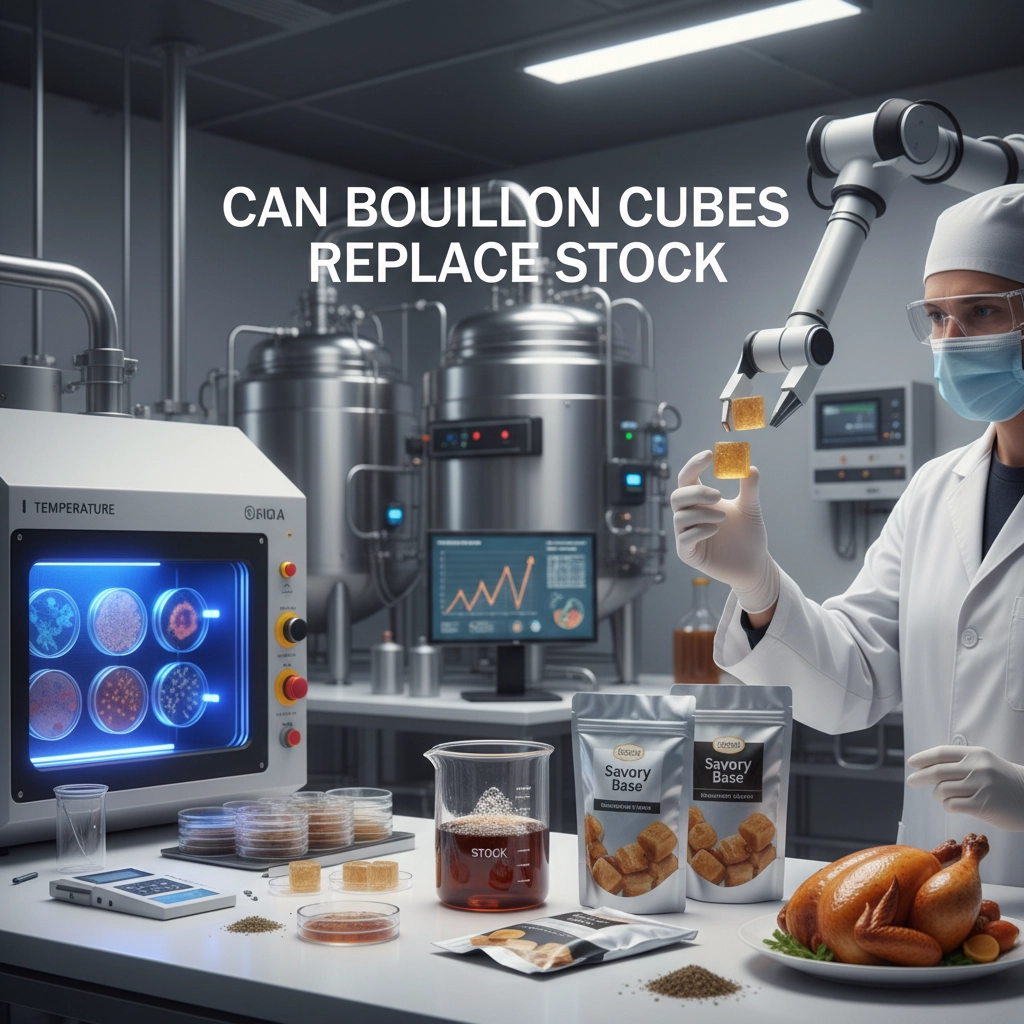
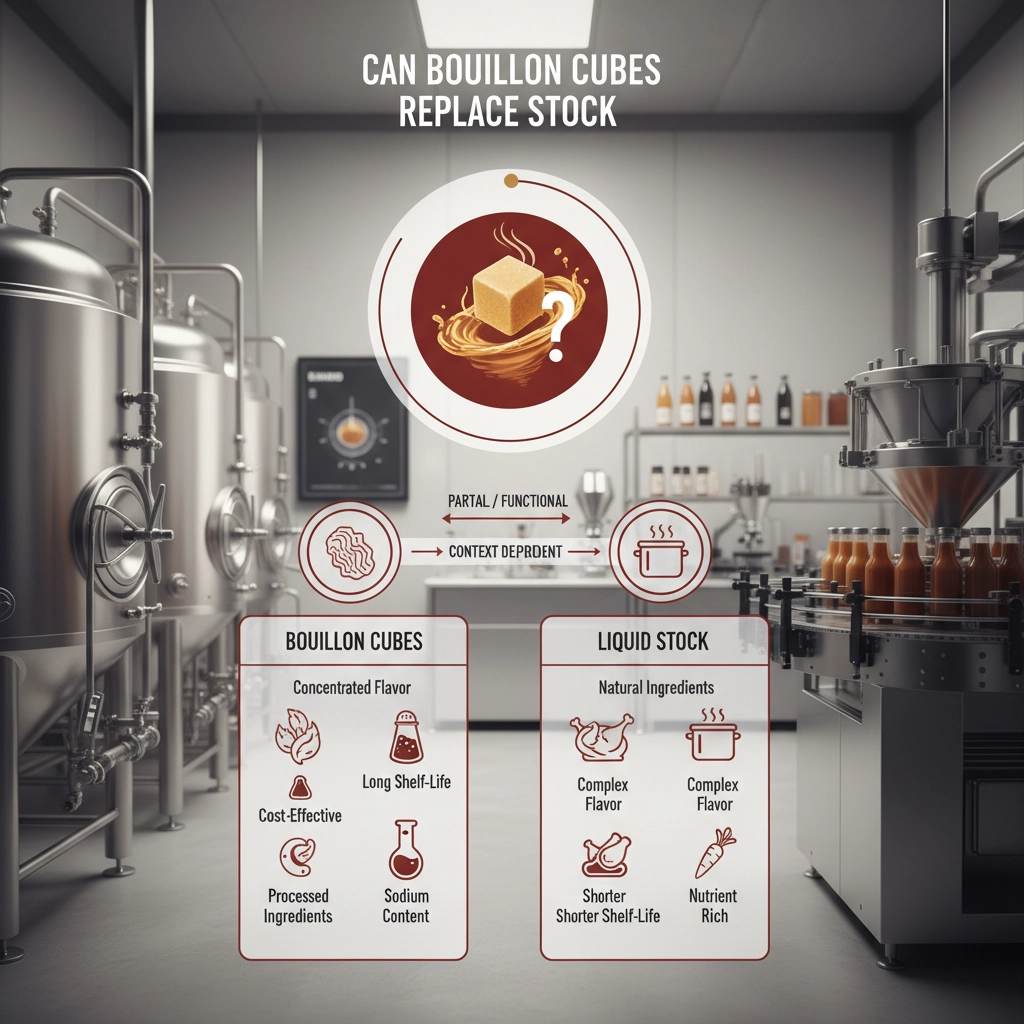
In the fast-paced world of modern culinary arts and industrial food production, efficiency often clashes with tradition. One of the most common dilemmas faced by home cooks and professional chefs alike is whether can bouillon cubes replace stock when time or resources are limited. While fresh stock is prized for its depth and purity, the evolution of food additives has created concentrated alternatives that offer surprising versatility.
Understanding the chemical composition and flavor profiles of these two options is essential for maintaining quality across different cuisines. The debate over whether can bouillon cubes replace stock isn't just about taste; it involves analyzing sodium levels, fat content, and the presence of flavor enhancers like MSG, which are staples in the food additive manufacturing industry.
Globally, the demand for convenient seasoning solutions has surged, leading to innovations in dehydrated stocks. By exploring the nuances of flavor concentration, we can determine the specific scenarios where can bouillon cubes replace stock without compromising the integrity of the final dish, ensuring both economic viability and gastronomic satisfaction.
Understanding the Composition of Bouillon vs Stock
Traditional stock is a liquid gold produced by simmering bones, vegetables, and aromatics over several hours. This process extracts collagen and minerals, creating a rich, viscous liquid that forms the backbone of many classic sauces. In contrast, bouillon cubes are highly processed food additives that condense these flavors into a solid form through dehydration and the addition of salt and binders.
When asking can bouillon cubes replace stock, one must recognize that the cube is a simulation. While it captures the "essence" of the ingredients, it lacks the gelatinous body provided by slow-cooked marrow and connective tissues. However, for high-volume manufacturing, these additives provide a standardized taste profile that is nearly impossible to achieve with artisanal simmering.
Practicality and Cost Efficiency in Commercial Kitchens
From an operational standpoint, the question of whether can bouillon cubes replace stock is often answered by the bottom line. For large-scale catering and food service industries, the labor costs associated with maintaining 12-hour simmer pots are prohibitive. Bouillon cubes offer an instant solution that requires only boiling water, drastically reducing energy consumption and kitchen man-hours.
Furthermore, the spatial requirements for storing gallons of fresh stock—which has a very short shelf life—are immense. By utilizing concentrated additives, facilities can reduce their cold-storage footprint. This efficiency allows businesses to scale their production rapidly without needing to expand their physical infrastructure or increase their staffing for prep work.
Ultimately, while gourmet establishments may insist on house-made stocks, the majority of the global food industry relies on the fact that can bouillon cubes replace stock for base-level flavor. The consistency provided by a manufactured cube ensures that a soup tasted in London tastes identical to one served in New York, a critical requirement for global franchising.
Flavor Profiles and Sensory Impact
The sensory experience differs significantly between the two. Traditional stock offers a layered, evolving flavor that interacts with other ingredients. When evaluating if can bouillon cubes replace stock, chefs notice that cubes often have a "flat" or overly salty profile because they rely on high concentrations of sodium to preserve the flavor during dehydration.
However, the food additive industry has made strides in creating "low-sodium" and "organic" bouillon. This means that can bouillon cubes replace stock more convincingly than ever before. By using yeast extracts and natural flavor enhancers, manufacturers can mimic the umami depth of a long-simmered bone broth.
The key to successful replacement lies in the application. In a dish where the stock is the star (like a consommé), the replacement is obvious. But in a hearty stew or a risotto where other strong flavors dominate, the question of can bouillon cubes replace stock is answered with a resounding yes, as the subtle differences are masked by other aromatic components.
Nutritional Analysis and Sodium Considerations
One of the primary concerns when considering if can bouillon cubes replace stock is the nutritional trade-off. Fresh stock is rich in amino acids, glucosamine, and collagen, which are beneficial for joint health and digestion. Bouillon cubes, conversely, are often high in sodium and may contain hydrogenated oils or artificial preservatives to maintain stability.
For health-conscious consumers and pharmaceutical-grade food production, these differences are critical. The challenge for food additive manufacturers is to reduce the salt content while maintaining the "savory" punch. When we analyze if can bouillon cubes replace stock from a health perspective, the answer depends on the quality of the additive used.
Performance Comparison: Can Bouillon Cubes Replace Stock?
Global Applications and Industrial Use Cases
In various global contexts, the ability to use concentrated seasoning is a matter of necessity. In remote industrial zones or post-disaster relief operations, where fresh ingredients are unavailable, the fact that can bouillon cubes replace stock allows NGOs and governments to provide nutrient-dense, flavorful meals to displaced populations quickly and efficiently.
Furthermore, the pharmaceutical intermediate and food additive industries use these concentrates to develop ready-to-eat (RTE) meals. By incorporating dehydrated stock powders into the manufacturing process, companies can create stable, long-shelf-life products that retain their taste profiles through freeze-drying or retort packaging, proving that can bouillon cubes replace stock in industrial scale-ups.
Sustainability and Storage Logistics
Sustainability is becoming a core driver in the food additive sector. When analyzing if can bouillon cubes replace stock, one must consider the carbon footprint of transporting heavy liquid stock versus lightweight cubes. The reduction in weight and volume leads to significantly lower fuel emissions during logistics and shipping.
Additionally, the waste reduction is notable. Traditional stock production involves discarding large amounts of vegetable scraps and bones, and the risk of spoilage for liquid stock is high. Concentrated cubes, with their extended shelf life, minimize food waste in the supply chain, making the argument that can bouillon cubes replace stock a win for environmental sustainability.
However, the industry is now shifting toward biodegradable packaging for these cubes to further enhance their green credentials. By combining logistics efficiency with eco-friendly materials, the transition from liquid stocks to concentrated additives becomes a more responsible choice for the global food economy.
Future Innovations in Seasoning Technology
The future of flavor concentration is moving toward "Clean Label" additives. Researchers are utilizing advanced spray-drying and cryogenic grinding to ensure that can bouillon cubes replace stock while removing artificial fillers. The goal is to maintain the raw, organic profile of a home-simmered stock within a convenient, solid format.
Digital transformation in the additive industry is also allowing for "precision seasoning." AI-driven flavor analysis can now pinpoint the exact molecular components of a high-end stock, allowing manufacturers to create cubes that are virtually indistinguishable from the original. This innovation ensures that the answer to can bouillon cubes replace stock will soon be a definitive "yes" even for the most discerning palates.
As we move toward more plant-based diets, the development of vegan "bone-broth" cubes—utilizing algae and fungi for umami—is expanding the market. These innovations ensure that the convenience of bouillon remains relevant in a world shifting toward sustainable, health-conscious, and ethical consumption.
Comparative Analysis of Stock Replacement Methods
| Replacement Type |
Flavor Accuracy |
Prep Time |
Cost Efficiency |
| Traditional Bone Stock |
10/10 |
12+ Hours |
Low |
| Standard Bouillon Cube |
6/10 |
2 Minutes |
High |
| Organic Concentrates |
8/10 |
2 Minutes |
Medium |
| Liquid Base Paste |
7/10 |
5 Minutes |
Medium |
| Freeze-Dried Powder |
9/10 |
1 Minute |
Medium |
| Vegan Umami Cubes |
7/10 |
2 Minutes |
High |
FAQS
Generally, yes, but you must follow the packaging instructions. Typically, one cube replaces about 500ml (2 cups) of stock. However, because bouillon is much saltier, it is recommended to omit additional salt from your recipe until the end to avoid over-seasoning.
Yes, bouillon cubes are excellent for slow-cooked dishes. Since stews have long simmering times and many rich ingredients, the "flat" flavor of a cube is usually enhanced by the other vegetables and meats, making it an efficient replacement for fresh stock.
The primary difference is the loss of gelatin and collagen found in real bone stock. Bouillon cubes provide the flavor and salt but lack the thick, mouth-coating quality and the joint-supporting nutrients associated with traditional simmering.
Yes, bouillon cubes are specifically engineered for stability. Due to their low water activity and high salt content, they have a significantly longer shelf life than liquid stock, making them ideal for warehouses and remote food supply chains.
To bridge the gap, try adding a small amount of butter or olive oil to the water to simulate the fats in stock, or add a pinch of sugar and a splash of lemon juice to balance the saltiness and add complexity.
Many bouillon cubes contain MSG (monosodium glutamate) to enhance the savory umami profile. This actually helps them mimic the deep flavor of real stock more effectively, though "MSG-free" versions are available for those with dietary preferences.
Conclusion
In summary, the question of can bouillon cubes replace stock depends entirely on the priorities of the cook or the manufacturer. For those seeking culinary perfection, the depth and nutrition of fresh stock remain unrivaled. However, for commercial scalability, cost management, and logistical efficiency, bouillon cubes and modern food additives provide a highly reliable and standardized alternative that supports the global food industry.
Looking forward, as the food additive industry continues to innovate with cleaner labels and better flavor extraction technologies, the gap between artificial concentrates and natural stocks will continue to shrink. We recommend that businesses balance their needs for quality and efficiency by selecting high-grade, low-sodium concentrates to ensure a premium end-product. Visit our website for more industrial seasoning solutions: www.chinaseasoning.com