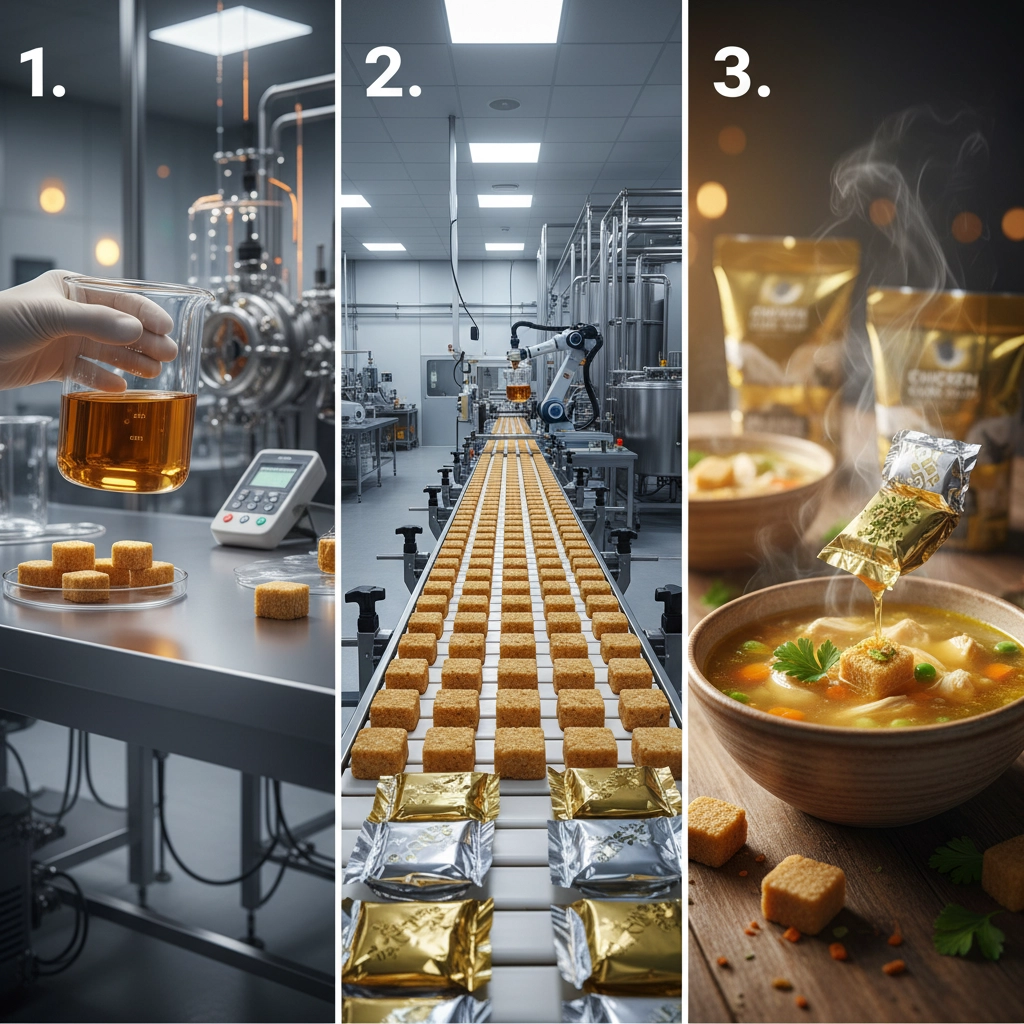
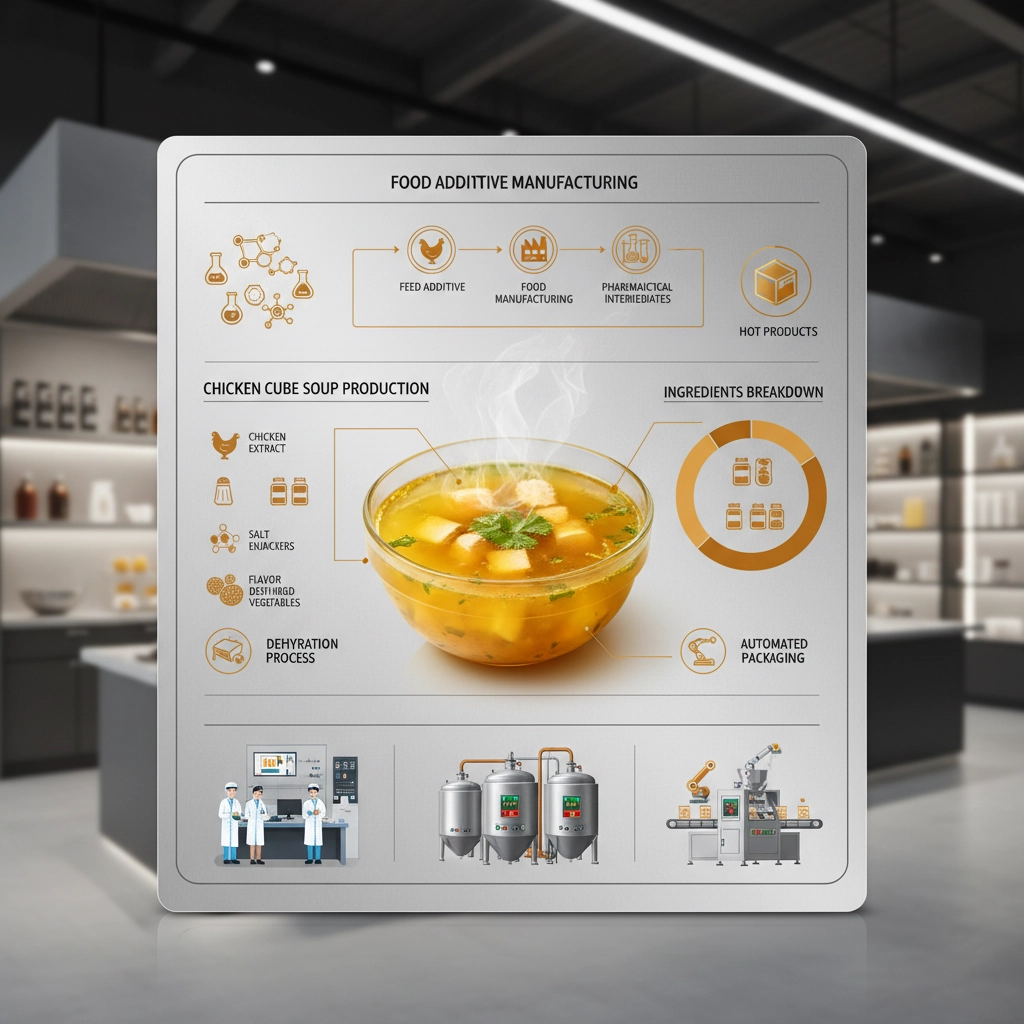
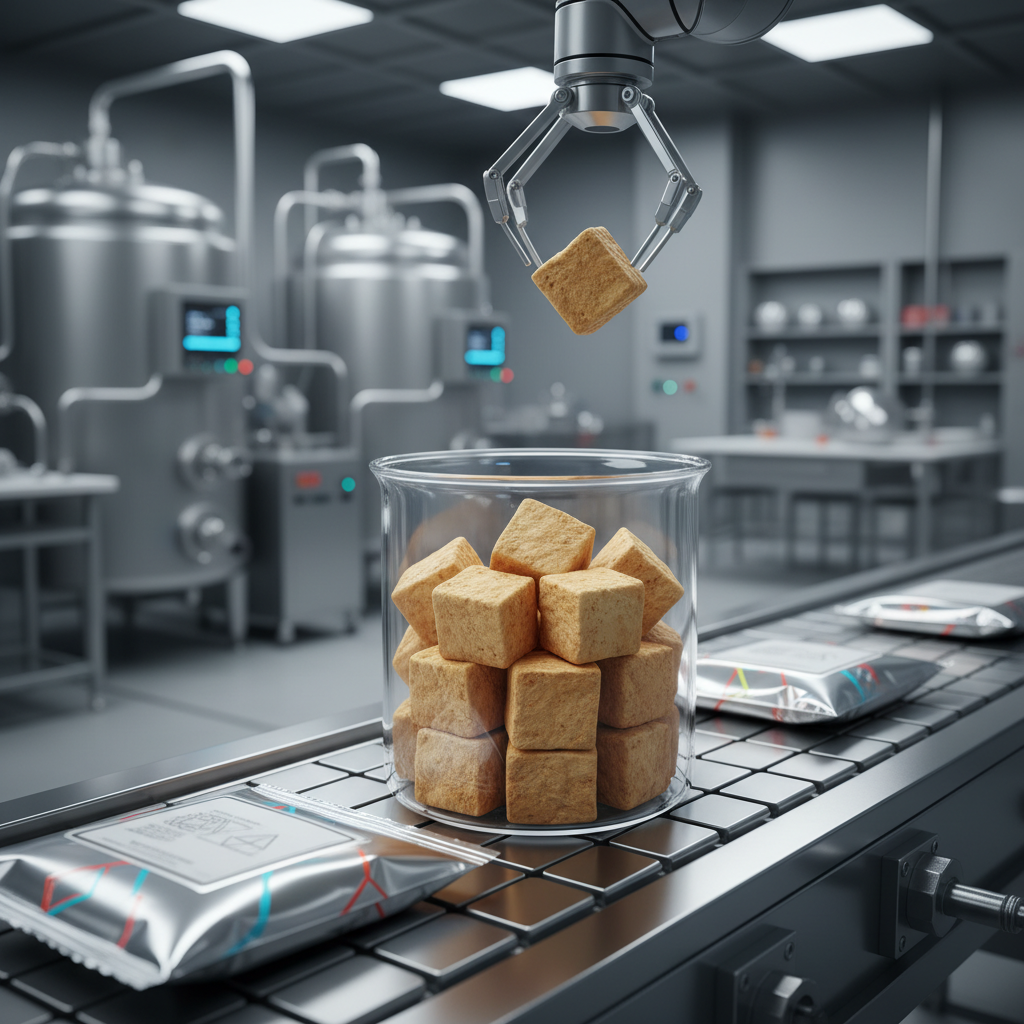
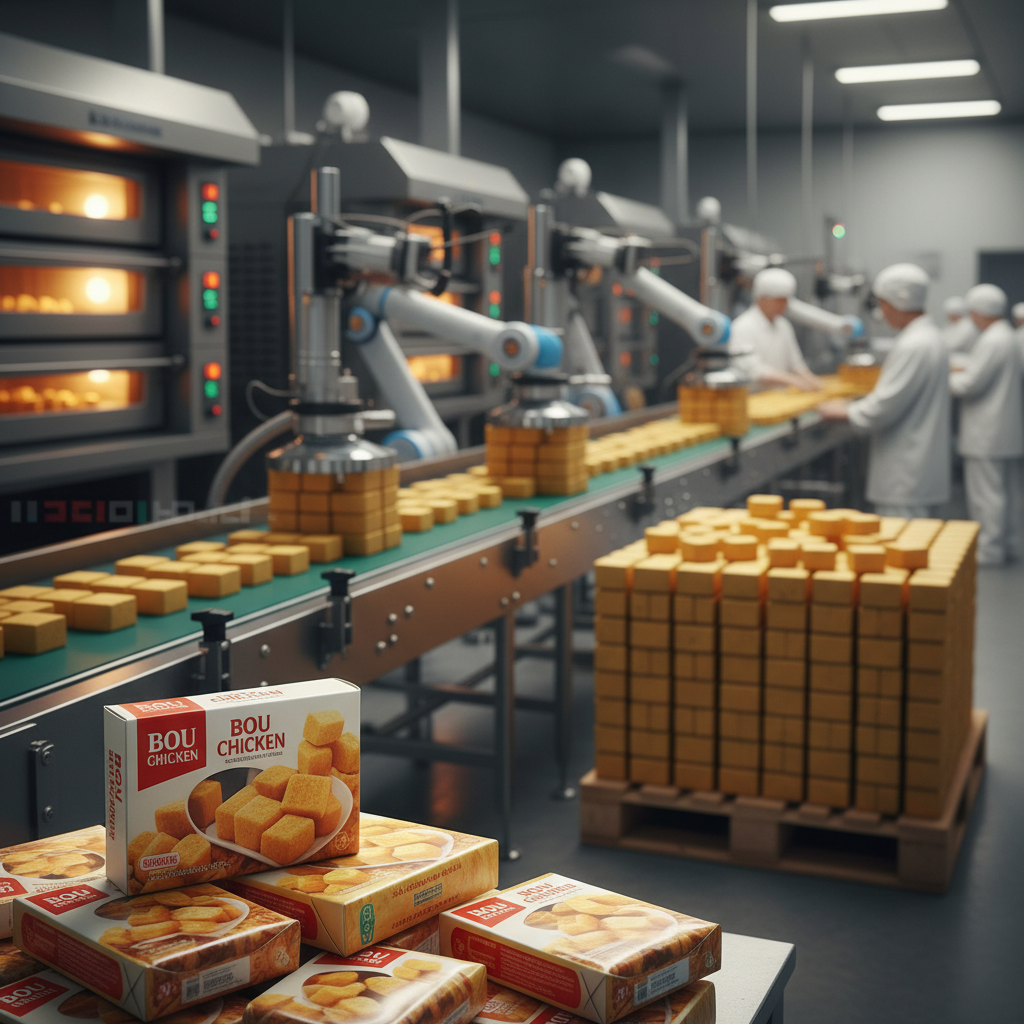
The modern culinary landscape relies heavily on efficiency and consistency, and few products exemplify this balance better than chicken cube soup bases. These concentrated flavor enhancers have transitioned from simple household conveniences to critical industrial components in the global food additive sector, enabling chefs and manufacturers to maintain a standardized taste profile across diverse geographic markets.
From a manufacturing perspective, the production of high-quality chicken cube soup requires a sophisticated blend of dehydrated proteins, salts, and flavor enhancers. The global demand is driven by the rapid urbanization of populations and the subsequent need for "quick-prep" meals that do not sacrifice the savory, "umami" depth typically associated with hours of slow-simmering traditional stocks.
Understanding the technical composition and the supply chain of these bouillon products is essential for businesses looking to scale their food production. By leveraging advanced food science, manufacturers can now create variants that cater to specific dietary needs—such as low-sodium or organic options—while ensuring the long-term stability and shelf-life required for international export.
Global Market Context of Chicken Cube Soup
The global consumption of chicken cube soup has seen a steady rise, mirroring the growth of the processed food industry. According to market analysis aligned with ISO food safety standards, the convenience food sector is expanding at a CAGR of approximately 4-6% annually. This growth is particularly prominent in emerging economies where the need for affordable, protein-flavored bases helps combat nutritional gaps in rapid-meal settings.
However, the industry faces a significant challenge: balancing the demand for intense flavor with the global health trend toward reducing sodium and MSG. Manufacturers are now tasked with redesigning the traditional bouillon cube to meet stringent health regulations without losing the sensory characteristics that consumers expect from a premium chicken stock.
Defining the Chemistry of Bouillon Cubes
At its core, chicken cube soup is a dehydrated seasoning blend designed to be rehydrated in boiling water. It is not merely "dried soup" but a carefully engineered matrix of salts, fats, and flavor extracts. The process involves the extraction of chicken essence, which is then combined with carriers like maltodextrin or cornstarch to ensure the product remains a solid, manageable cube.
From an industrial perspective, this product bridges the gap between raw agricultural output and consumer-ready food additives. By concentrating the flavors, companies can drastically reduce shipping costs and storage requirements, as a single cube can replace several liters of liquid stock. This efficiency is vital for humanitarian aid and remote industrial catering.
Modern iterations of these cubes also incorporate hydrolyzed vegetable proteins (HVP) to mimic the depth of slow-cooked meat. This allows for a consistent taste profile regardless of the batch, ensuring that a brand's signature flavor remains identical whether it is used in a kitchen in New York or a restaurant in Bangkok.
Core Components for Flavor Stability
Achieving a stable shelf-life for chicken cube soup requires a precise balance of hygroscopic agents. Because these cubes are prone to absorbing moisture from the air, which can lead to clumping or spoilage, the use of anti-caking agents is a critical technical requirement.
The "umami" profile of chicken cube soup is typically achieved through a combination of glutamates and nucleotides. These components work synergistically to stimulate the taste receptors on the human tongue, creating a perception of richness and fullness that mimics natural bone broth.
Finally, the lipid component—usually a hydrogenated vegetable fat—acts as a flavor carrier. This fat ensures that the aromatic compounds of the chicken extract are released slowly during the heating process, providing a sustained olfactory experience for the end user.
Technical Performance and Efficiency Metrics
In the professional food manufacturing sector, the quality of a bouillon base is measured by its solubility, flavor intensity, and stability under varying temperatures. A high-performance chicken cube soup should dissolve completely within 120 seconds in 100°C water, leaving no residue or "fat eyes" on the surface.
Efficiency is also measured by the "flavor-to-weight" ratio. The goal is to maximize the sensory impact while minimizing the amount of raw material required per serving, thereby reducing the overall cost of goods sold (COGS) for the food service provider.
Performance Rating of Chicken Cube Soup Formulations
Global Industrial Applications
The application of chicken cube soup extends far beyond the domestic kitchen. In the instant noodle industry, these cubes are often ground into powder to provide the base seasoning for millions of packets produced daily. This ensures a standardized taste that consumers recognize globally, regardless of where the noodles are manufactured.
Furthermore, in disaster relief and military logistics, bouillon cubes are indispensable. Their lightweight nature and long shelf-life make them an ideal source of flavor and essential electrolytes for populations in remote areas or post-disaster zones where fresh ingredients are unavailable.
Long-term Value in Food Supply Chains
The long-term value of investing in high-quality chicken cube soup production lies in sustainability and waste reduction. Traditional stock production results in significant water waste and energy consumption during the boiling process. By utilizing concentrated cubes, industrial kitchens can reduce their energy footprint and eliminate the waste associated with spoiled fresh stocks.
From a social impact perspective, these products democratize access to savory, nutrient-dense flavors. By providing a low-cost alternative to expensive meat-based stocks, food manufacturers can help lower the barrier to palatable, warm meals in economically disadvantaged regions.
Reliability is the final pillar of value. In a globalized economy, the ability to guarantee a specific flavor profile—certified by standards like HACCP—builds trust between the additive manufacturer and the food brand, ensuring consumer loyalty and brand consistency.
Future Innovations in Flavor Technology
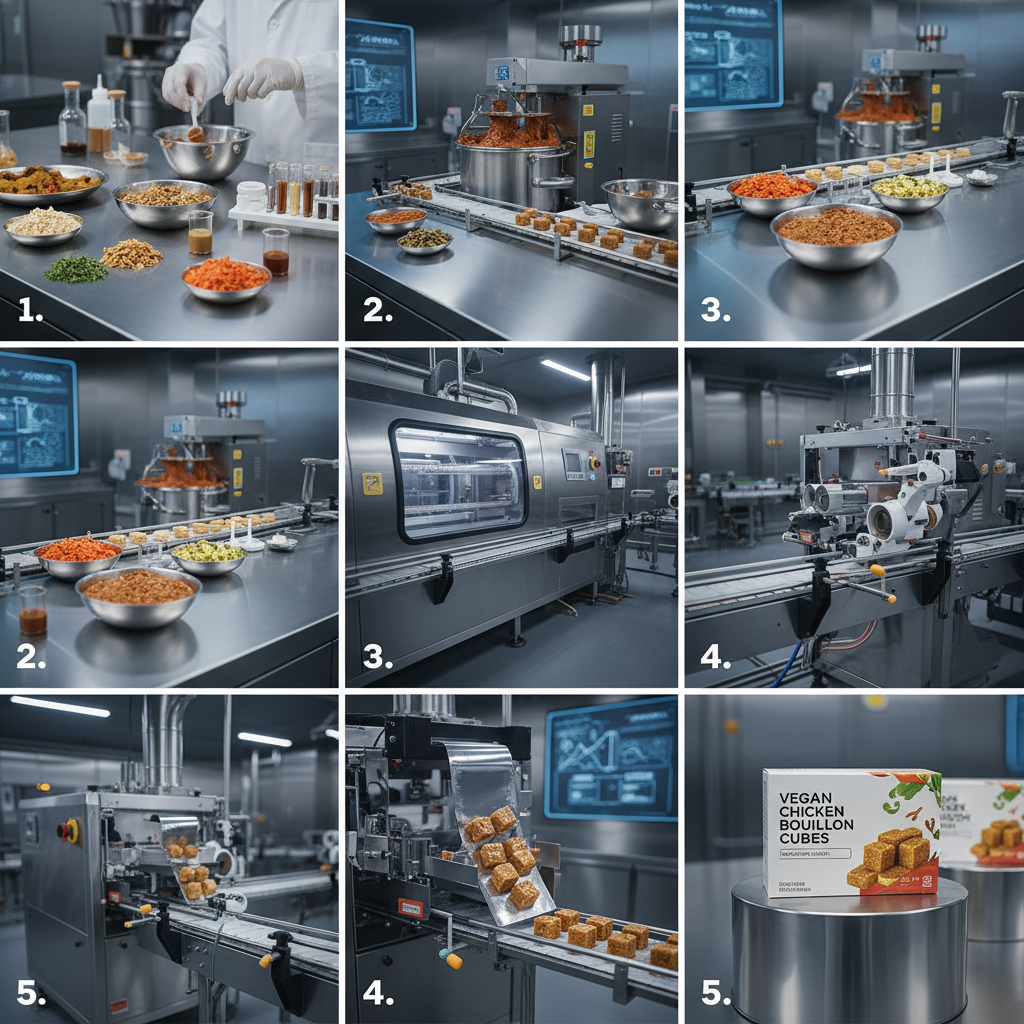
The future of chicken cube soup is being shaped by the rise of plant-based proteins. We are seeing a shift toward "vegan chicken" cubes that use fermented yeast extracts and mushroom powders to recreate the exact molecular structure of chicken flavor without using animal products.
Digital transformation is also playing a role. AI-driven flavor profiling allows manufacturers to analyze consumer preferences in real-time, adjusting the salt and spice ratios of bouillon cubes to match regional tastes automatically. This "hyper-localization" of a global product is a key trend for the next decade.
Additionally, green packaging is becoming mandatory. The industry is moving away from plastic-wrapped foils toward biodegradable, compostable films that maintain the oxygen barrier required to keep the cubes fresh, aligning the product with global ESG (Environmental, Social, and Governance) goals.
Comparison of Next-Generation Chicken Cube Soup Technologies
| Technology Type |
Flavor Intensity |
Sustainability Score |
Production Cost |
| Traditional Spray Drying |
Medium |
5/10 |
Low |
| Freeze-Drying Tech |
High |
7/10 |
High |
| Plant-Based Fermentation |
Very High |
9/10 |
Medium |
| AI-Optimized Blending |
Precise |
6/10 |
Medium |
| Cold-Press Concentration |
Medium |
8/10 |
Medium |
| Nano-Encapsulation |
Extreme |
7/10 |
Very High |
FAQS
Industrial cubes are engineered for stability and consistency. Unlike homemade stock, which varies by ingredient quality, cubes use standardized extracts and anti-caking agents to ensure the same taste and a shelf-life of 12-24 months without refrigeration.
Yes, modern food additives allow for the replacement of some sodium chloride with potassium salts or the use of flavor enhancers like yeast extract to maintain the "salty" perception while reducing the actual sodium content by 30-50%.
Check for ISO 22000 or HACCP certifications. Request a Certificate of Analysis (COA) for each batch to verify moisture content, salt levels, and the absence of contaminants, ensuring the product meets the destination country's food safety laws.
Absolutely. It is preferred in large-scale catering because it eliminates the time-intensive process of simmering bones and ensures a consistent flavor profile across thousands of servings, significantly reducing labor costs.
Through the use of hydrolyzed vegetable proteins and specific amino acid blends, plant-based cubes can achieve a nearly identical umami profile that is indistinguishable from animal-based versions in most cooked applications.
They should be stored in a cool, dry environment (below 25°C) with low humidity. Proper airtight packaging is essential to prevent the cubes from absorbing moisture, which can lead to clumping and a reduction in potency.
Conclusion
In summary, chicken cube soup represents a pinnacle of food additive engineering, combining convenience, cost-efficiency, and sensory appeal. From its critical role in global food supply chains and humanitarian aid to its application in the instant-food industry, the bouillon cube is far more than a simple kitchen shortcut—it is a vital industrial tool that ensures food security and taste consistency on a global scale.
Looking forward, the industry is poised for a transition toward cleaner labels and more sustainable, plant-based formulations. As consumers demand more transparency and healthier ingredients, the manufacturers who embrace AI-driven flavor optimization and biodegradable packaging will lead the market. For those seeking high-quality seasoning solutions, investing in scientifically backed, standardized additives is the key to long-term commercial success. Visit our website: www.chinaseasoning.com