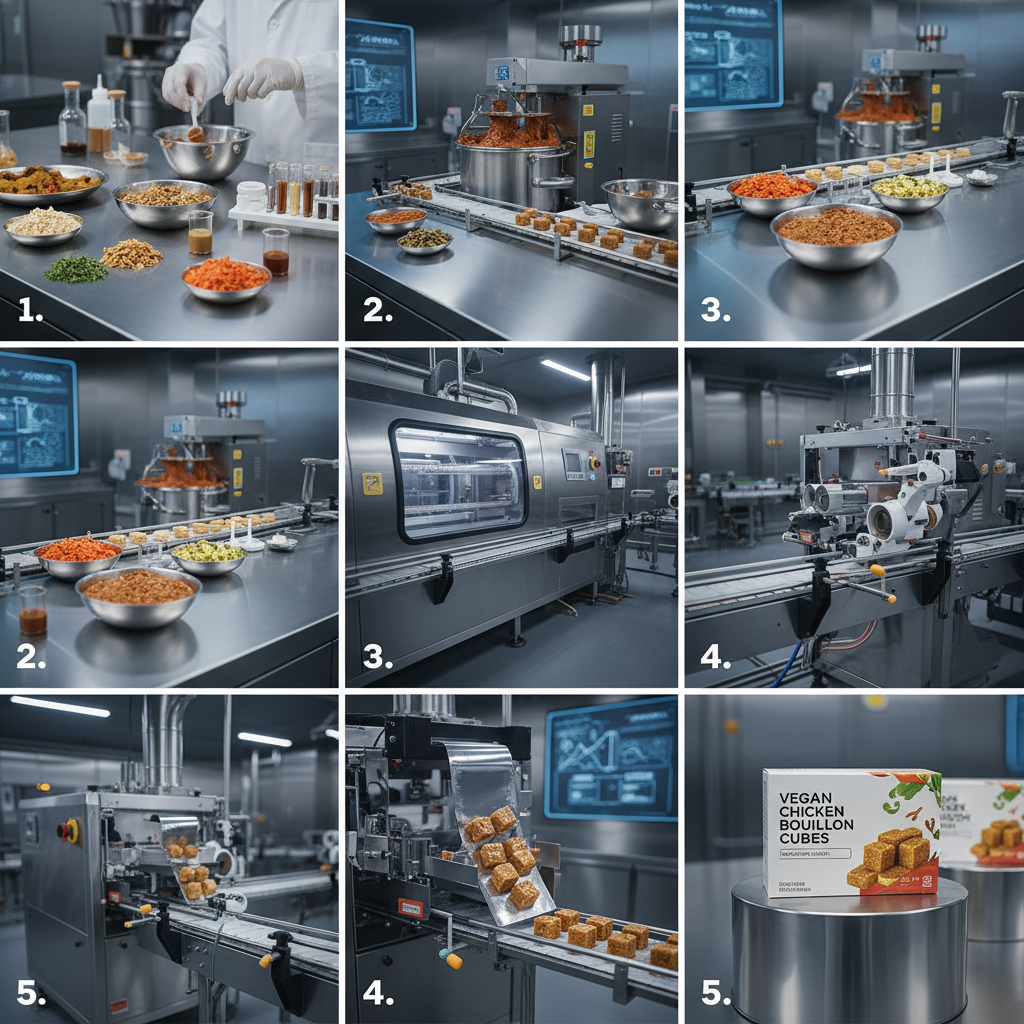
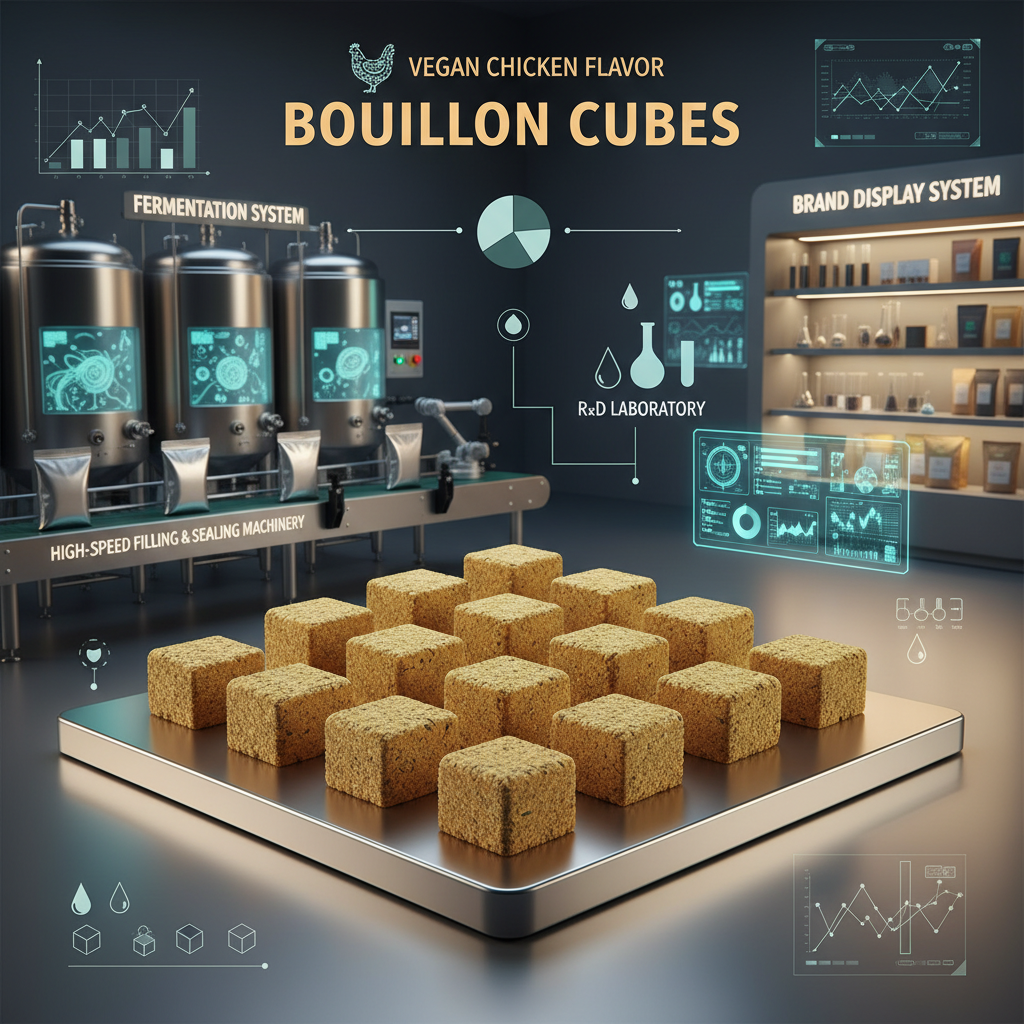
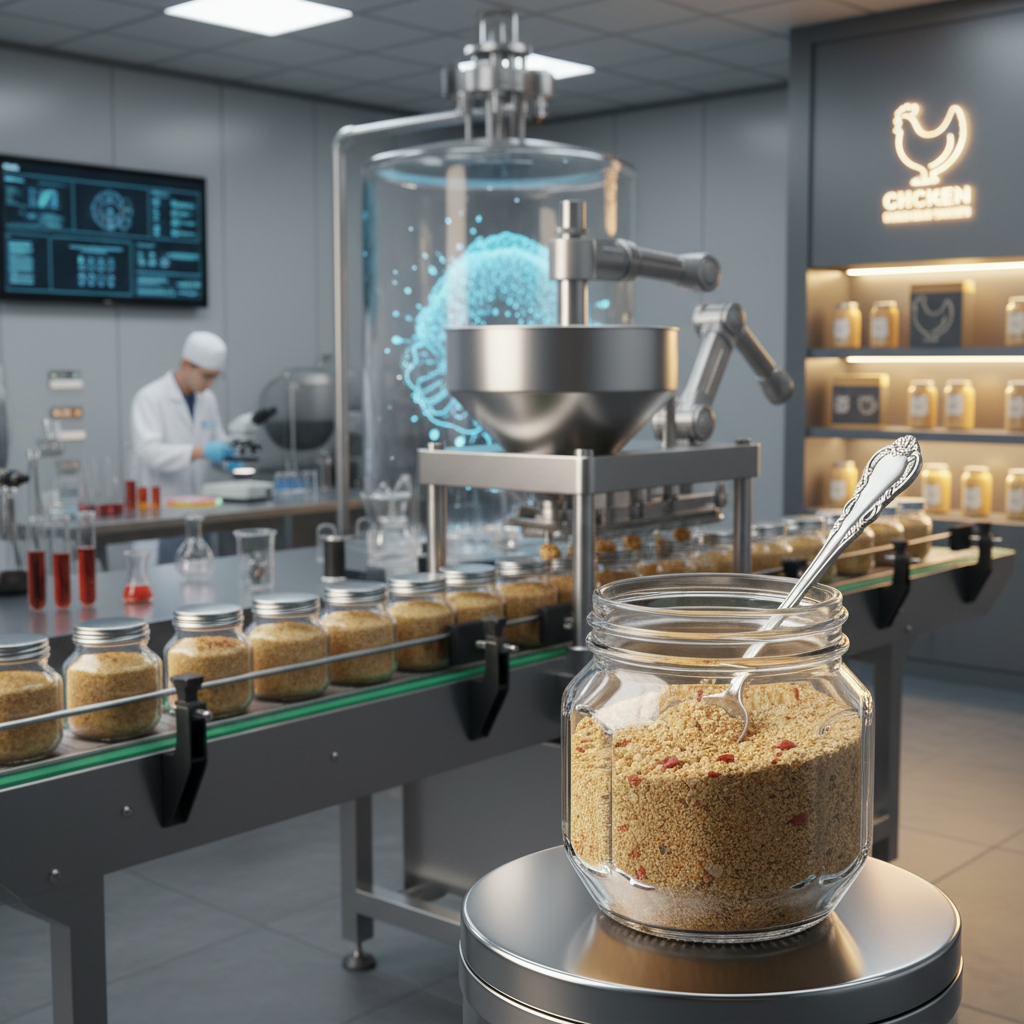
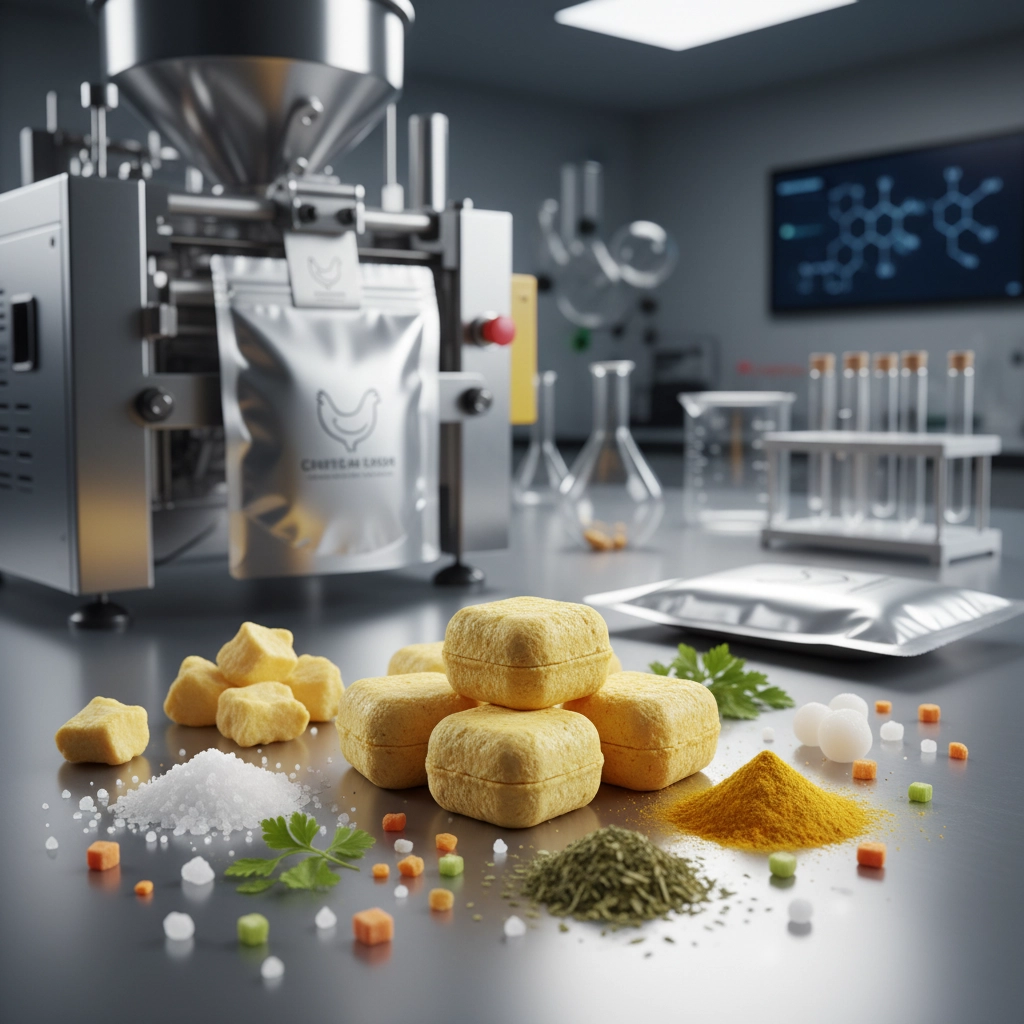
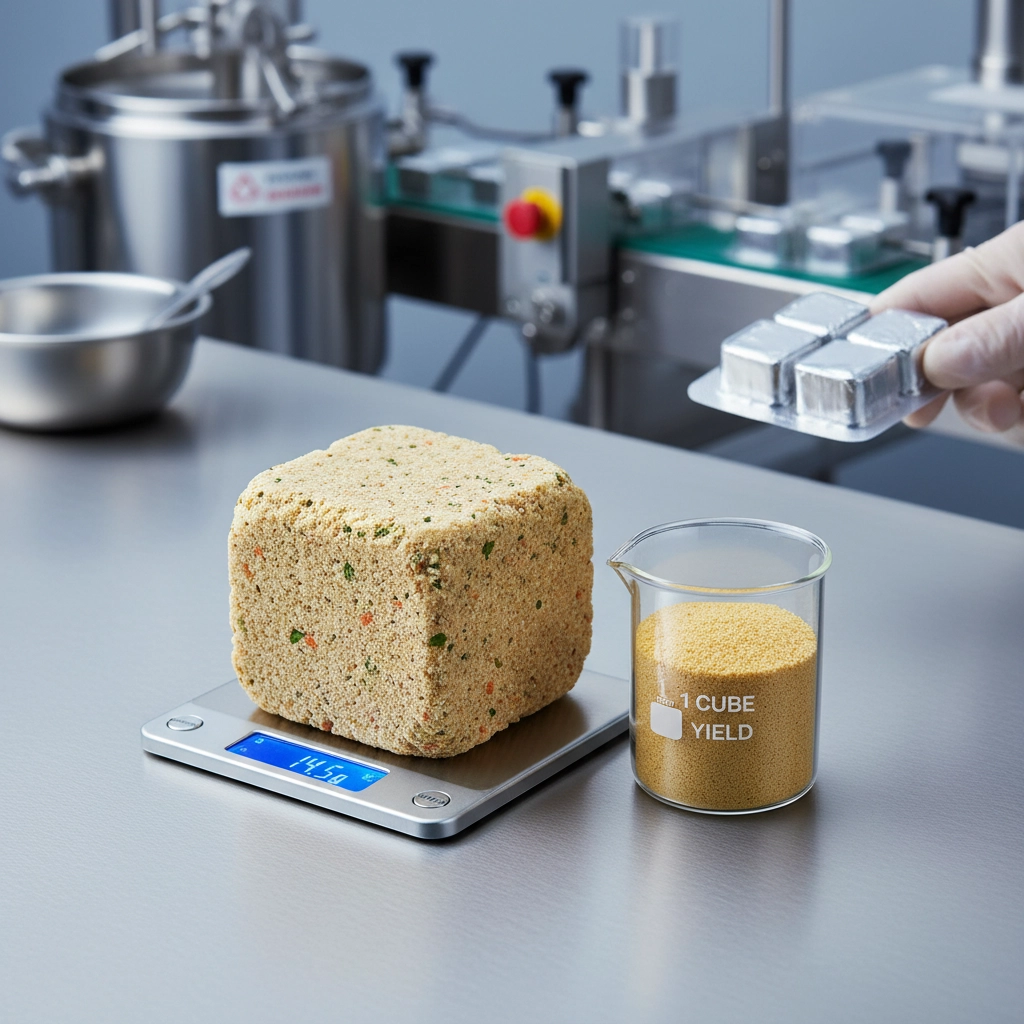
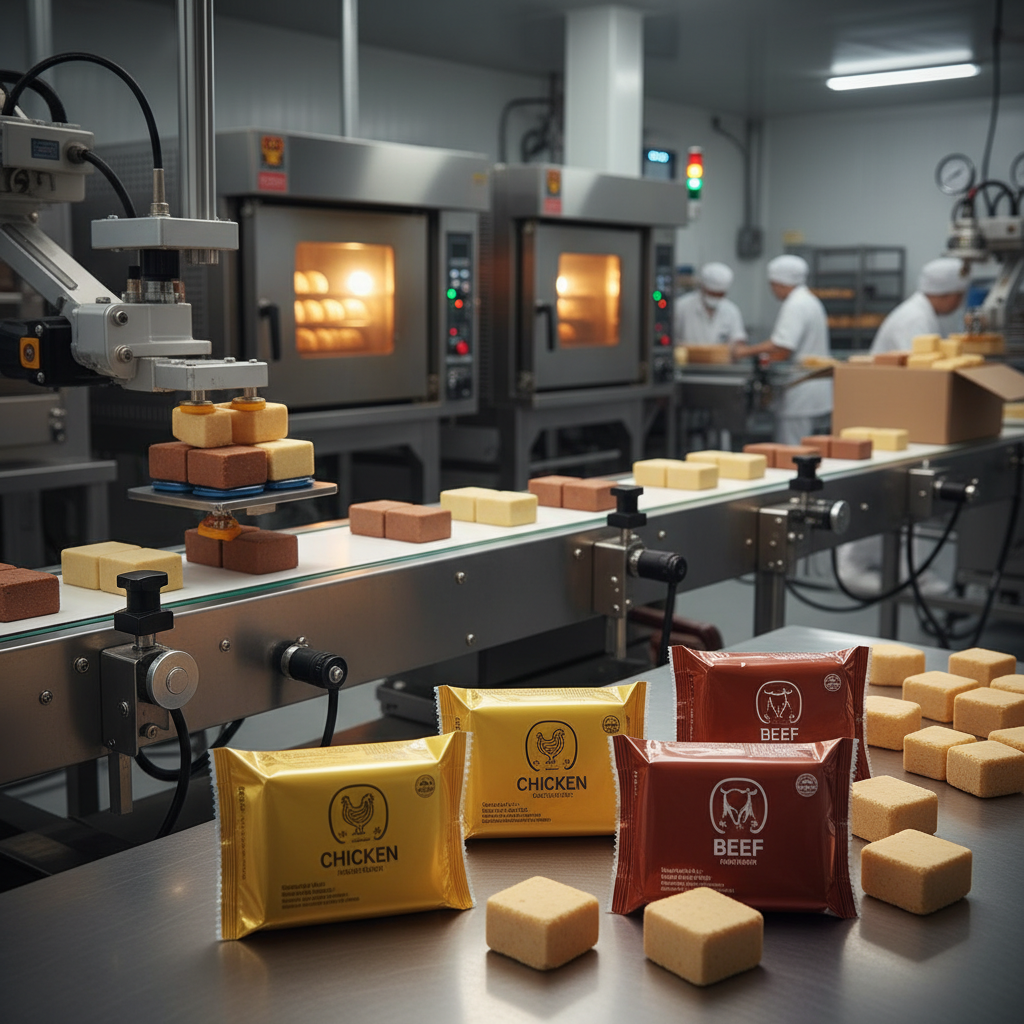
The global culinary landscape is undergoing a seismic shift as plant-based diets transition from niche lifestyles to mainstream health requirements. In this evolution, vegan chicken bouillon cubes have emerged as a critical innovation, bridging the gap between traditional savory flavor profiles and ethical, animal-free consumption. By replicating the complex umami depth of chicken stock through botanical extracts and yeast proteins, these bouillon cubes allow chefs and home cooks to maintain classic taste without compromising their values.
From an industrial perspective, the rise of vegan chicken bouillon cubes reflects a broader trend in food additives where "clean label" transparency meets high-performance functionality. As consumers demand fewer synthetic additives and more sustainable sourcing, the manufacturing process for these cubes has evolved to incorporate natural fermentation and organic seasoning blends. This shift not only caters to vegans but also to those with specific dietary restrictions or religious requirements, such as Halal and Kosher standards.
Understanding the technical composition and market dynamics of these plant-based seasonings is essential for food manufacturers and distributors worldwide. By analyzing the synergy between flavor enhancers and nutritional stability, we can see how vegan chicken bouillon cubes are not just substitutes, but superior alternatives that offer consistent quality, longer shelf life, and a significantly lower carbon footprint compared to traditional animal-based broths.
Global Market Dynamics of Vegan Chicken Bouillon Cubes
The demand for vegan chicken bouillon cubes has seen an exponential increase, driven by a global surge in "flexitarian" eating habits. Market data suggests that the plant-based seasoning sector is growing at a CAGR that outpaces traditional meat-based products, as consumers in Europe, North America, and Asia-Pacific seek alternatives that reduce the environmental strain caused by livestock farming. According to recent food industry trends, the intersection of health-conscious eating and ethical sourcing is pushing manufacturers to refine their flavor chemistry to ensure that "vegan" does not mean "bland."
This global shift is further accelerated by the rise of food allergies and the increasing prevalence of lactose and animal-protein intolerances. By providing a stable, concentrated form of savory flavor, these bouillon cubes solve the challenge of providing consistent taste across different culinary traditions without relying on animal derivatives. This accessibility makes them a staple not only in home kitchens but also in large-scale industrial food production where standardization and allergen control are paramount.
Technical Definition and Compositional Logic
At its core, vegan chicken bouillon cubes are highly concentrated, dehydrated seasoning blocks designed to mimic the organoleptic properties of chicken broth. Unlike traditional bouillon, which uses chicken fat and meat extracts, these vegan versions utilize a sophisticated blend of hydrolyzed vegetable proteins (HVP), yeast extracts, and a precise mix of aromatics like onion, garlic, and celery to create the "savory" profile known as umami.
The compositional logic relies on the synergy between glutamates and nucleotides. In nature, chicken broth contains specific amino acids that trigger taste receptors; vegan bouillon recreates this by using nutrient-dense plant sources and fermentation products. This process ensures that the product remains stable at room temperature while dissolving rapidly in hot water, providing a seamless user experience for the end consumer.
Furthermore, these cubes serve a critical humanitarian and industrial need. In regions where meat is expensive or culturally prohibited, plant-based bouillon provides a cost-effective way to enhance the nutritional appeal and flavor of basic grains and legumes. This makes the technology behind vegan chicken bouillon cubes a tool for food security and accessibility on a global scale.
Core Components and Quality Factors
The efficacy of vegan chicken bouillon cubes is determined by several critical quality factors, primarily the Umami Depth. This is achieved through the precise calibration of yeast extract and mushroom powders, which provide the savory backbone that consumers associate with traditional poultry stocks. Without this balance, the product would taste merely salty rather than rich.
Another vital component is Structural Stability. The use of plant-based binders and anti-caking agents ensures that the bouillon cubes maintain their shape during transport and storage without absorbing excessive moisture from the air. This prevents the cubes from becoming sticky or clumping, which is a common failure point in low-quality vegan chicken bouillon cubes.
Lastly, Solubility and Dispersion play a key role in the commercial success of the product. High-grade cubes are engineered to dissolve completely without leaving gritty residues. This is achieved through advanced granulation techniques and the selection of salts that facilitate rapid dissolution, ensuring that the flavor is evenly distributed throughout the dish, whether it is a soup, a sauce, or a marinade.
Industrial Applications and Global Use Cases
In the commercial food sector, vegan chicken bouillon cubes are utilized far beyond simple home cooking. They are integrated into the production of ready-to-eat (RTE) meals, instant noodles, and plant-based meat analogues to provide a consistent flavor base. In large-scale catering—such as in hospitals or schools—they allow for the mass production of allergen-friendly meals that satisfy a diverse population of diners without requiring multiple separate stock pots.
On a global scale, these products are invaluable in disaster relief and remote industrial zones. Because they are lightweight, shelf-stable, and nutrient-dense in flavor, they can be transported to areas with limited refrigeration to improve the palatability of emergency rations. For instance, in post-disaster recovery operations, adding a vegan bouillon cube to a basic rice and bean porridge significantly increases the psychological comfort and appetite of displaced persons.
Comparative Performance of Vegan Chicken Bouillon Cube Formulations
Economic Advantages and Sustainability Value
The shift toward vegan chicken bouillon cubes offers profound economic advantages for manufacturers. Producing plant-based seasonings typically requires fewer resources—less water, less land, and lower energy—compared to the industrial raising and processing of poultry. This reduction in overhead allows for more competitive pricing while maintaining healthy profit margins through the use of scalable agricultural raw materials.
Beyond the balance sheet, the sustainability value is immense. By eliminating animal fats, these products reduce the risk of contamination and shorten the cold-chain requirements during certain stages of production. This aligns with global ESG (Environmental, Social, and Governance) goals, enhancing brand trust and loyalty among modern consumers who view their purchasing power as a tool for environmental protection.
Future Innovations in Plant-Based Seasonings
The future of vegan chicken bouillon cubes lies in the realm of biotechnology and precision fermentation. We are seeing a move toward "designer" proteins—yeasts and fungi engineered to produce the exact flavor molecules found in chicken without ever involving an animal. This will lead to a level of taste mimicry that is virtually indistinguishable from the real thing, further expanding the market to the most skeptical meat-eaters.
Digital transformation is also playing a role. AI-driven flavor mapping is now used to analyze thousands of botanical combinations to find the perfect "savory" profile for different regional palettes. For example, a vegan chicken bouillon designed for the Asian market may emphasize different aromatic notes than one designed for the European market, allowing for hyper-localized product offerings.
Additionally, there is a growing trend toward "functional seasonings." Future iterations of these bouillon cubes may be fortified with B12, iron, or other essential nutrients, transforming a simple flavor enhancer into a nutritional supplement. This evolution ensures that vegan chicken bouillon cubes remain at the forefront of the food technology revolution.
Implementation Challenges and Expert Solutions
Despite the growth, manufacturers often face the challenge of "aftertaste" in plant-based products. Some soy-based proteins can leave a bitter or metallic note that detracts from the overall experience. Expert solutionists overcome this by implementing multi-stage masking techniques, using natural sweetness from organic vegetable sugars to balance the bitterness and create a smoother flavor curve.
Another hurdle is the perceived lack of "richness" or "mouthfeel" compared to animal-based fats. To solve this, food scientists are incorporating healthy, plant-derived lipids—such as coconut or sunflower oils—into the vegan chicken bouillon cubes. This adds the necessary viscosity and lipid-carried flavor that lingers on the palate, mimicking the satiety provided by traditional chicken fat.
Finally, maintaining a clean label while ensuring a long shelf life can be difficult. The industry is moving away from synthetic preservatives in favor of natural antioxidants and vacuum-sealed, biodegradable packaging. By optimizing water activity (Aw) levels during the dehydration process, manufacturers can ensure the cubes remain fresh and potent without relying on controversial additives.
Comparative Analysis of Vegan Bouillon Production Methods
| Production Method |
Umami Intensity |
Cost Efficiency |
Sustainability Score |
| Yeast Extract Base |
High (9/10) |
Moderate |
High |
| HVP-Focused |
Moderate (7/10) |
Very High |
Moderate |
| Fermented Mushroom |
Very High (10/10) |
Low |
Very High |
| Mixed Botanical Blend |
Moderate (6/10) |
High |
High |
| Precision Fermentation |
Maximum (10/10) |
Low |
Maximum |
| Traditional Salt-Base |
Low (4/10) |
Maximum |
Moderate |
FAQS
The "chicken" flavor is achieved through a combination of umami-rich ingredients like yeast extract, hydrolyzed vegetable proteins, and specific botanical extracts (such as onion and celery). These components replicate the savory amino acid profile of poultry, creating a convincing taste experience through food chemistry rather than animal products.
Yes, they are ideal for industrial use. Because they are concentrated and standardized, they provide consistent flavor profiles across large batches of product, which is essential for quality control in the food additive industry. They are also easier to store and transport than liquid bases.
Vegan bouillon cubes generally have a longer and more stable shelf life than animal-based ones. The absence of animal fats reduces the risk of oxidative rancidity, and the dehydration process ensures that the product remains stable at room temperature for extended periods.
Absolutely. Since they contain no animal derivatives, vegan chicken bouillon cubes are inherently compatible with Halal and Kosher standards, provided that the processing aids and additives used are also certified.
Depending on the brand, some may contain added MSG for flavor enhancement. However, many modern vegan formulations use natural glutamates found in yeast and mushrooms to provide the same savory effect while maintaining a "no added MSG" clean label.
Importing these products requires compliance with local food safety regulations (such as FDA or EFSA). We recommend partnering with a manufacturer that provides full documentation, including Certificates of Analysis (COA) and ingredient transparency sheets, to ensure smooth customs clearance.
Conclusion
The rise of vegan chicken bouillon cubes represents a perfect synergy between dietary ethics and industrial innovation. By leveraging advanced food chemistry to replicate complex savory flavors, these products provide a scalable, sustainable, and inclusive solution for the global food market. From improving the taste of emergency rations to enhancing the profile of plant-based meats, the value of these bouillon cubes extends far beyond the kitchen—they are catalysts for a more sustainable and accessible food system.
Looking ahead, the integration of precision fermentation and AI-driven flavor mapping will only further refine the quality and appeal of plant-based seasonings. For food manufacturers and distributors, adopting these innovative additives is no longer just an option but a strategic necessity to meet the demands of a health-conscious global population. We invite you to explore the future of savory seasonings and enhance your product line today. Visit our website: www.chinaseasoning.com