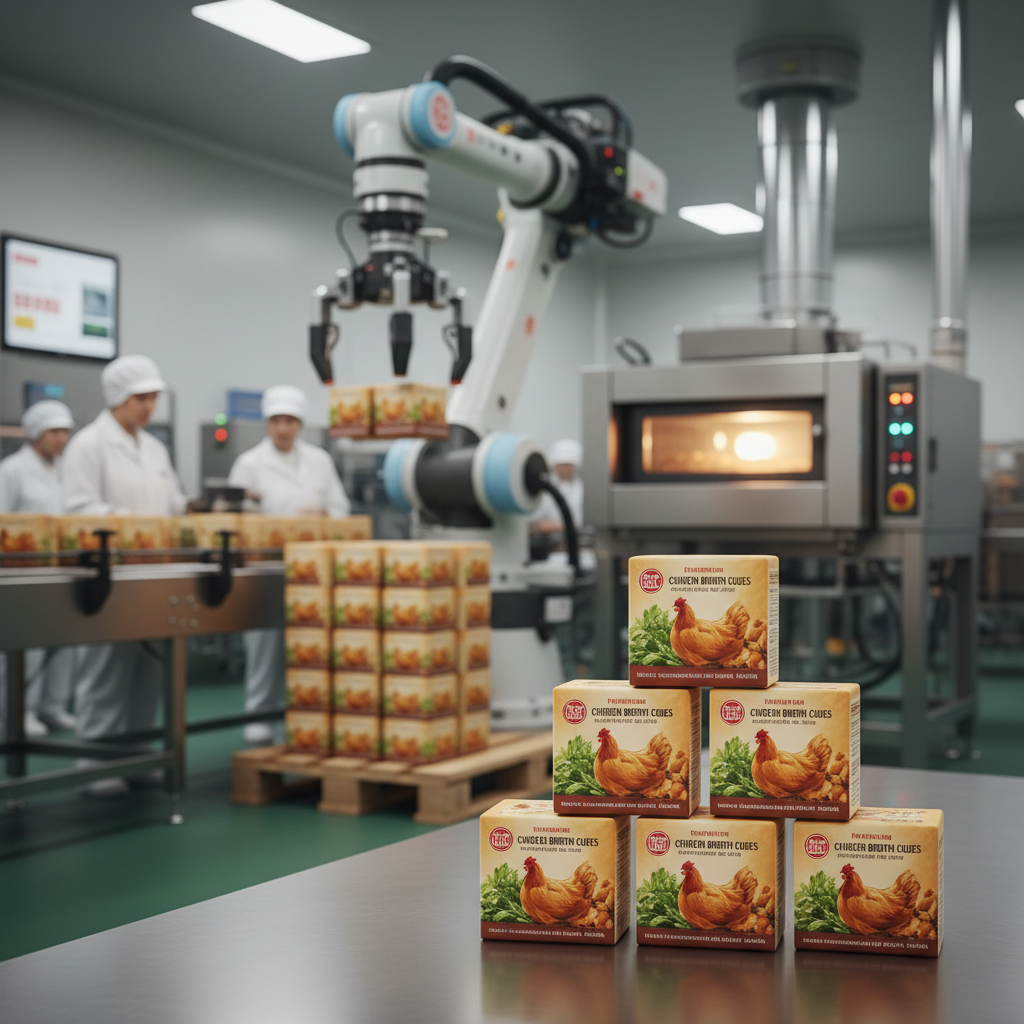
In the fast-paced world of modern culinary arts and industrial food production, chicken broth cubes have emerged as an indispensable tool for achieving consistent flavor profiles across diverse cuisines. These concentrated bursts of savory essence allow chefs and home cooks alike to bypass the time-consuming process of simmering bones and aromatics for hours, providing an immediate base for soups, stews, and sauces.
The global demand for high-quality seasoning solutions is driven by the need for efficiency and scalability in the food service industry. As urbanization increases and the pace of life accelerates, the reliance on dehydrated condiments like chicken broth cubes has grown, transforming how we perceive convenience without sacrificing the "umami" depth traditionally associated with slow-cooked broths.
Understanding the science behind these products—from the precise balance of salt and hydrolyzed proteins to the advanced dehydration techniques used in food additive manufacturing—is crucial for brands looking to penetrate international markets. By optimizing the stability and taste profile of chicken broth cubes, manufacturers can meet strict global food safety standards while satisfying the discerning palates of consumers worldwide.
Global Industry Context of Chicken Broth Cubes
The global market for dehydrated seasonings has seen exponential growth, with chicken broth cubes occupying a dominant share in the savory category. According to industry analysis and trade data aligned with ISO food safety standards, the convenience food sector has shifted toward "clean label" ingredients, forcing manufacturers to rethink the chemical composition of these cubes to reduce MSG while maintaining the signature savory punch.
In emerging economies, the role of these cubes extends beyond simple convenience; they often serve as a primary source of flavor enhancement in regions where fresh protein is expensive or difficult to store. The logistical advantage of a low-water-activity product means that chicken broth cubes can be transported across continents without refrigeration, making them a vital commodity in global food supply chains.
Defining the Composition of Chicken Broth Cubes
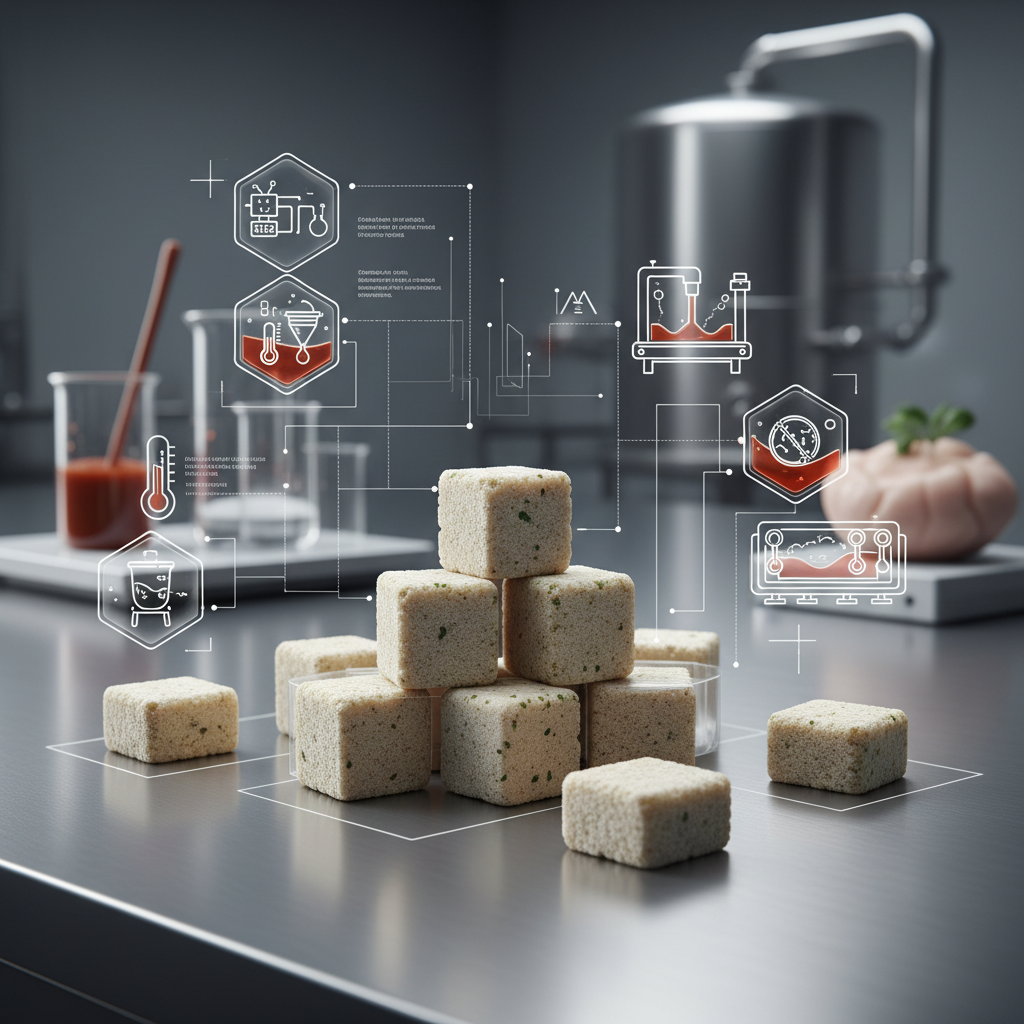
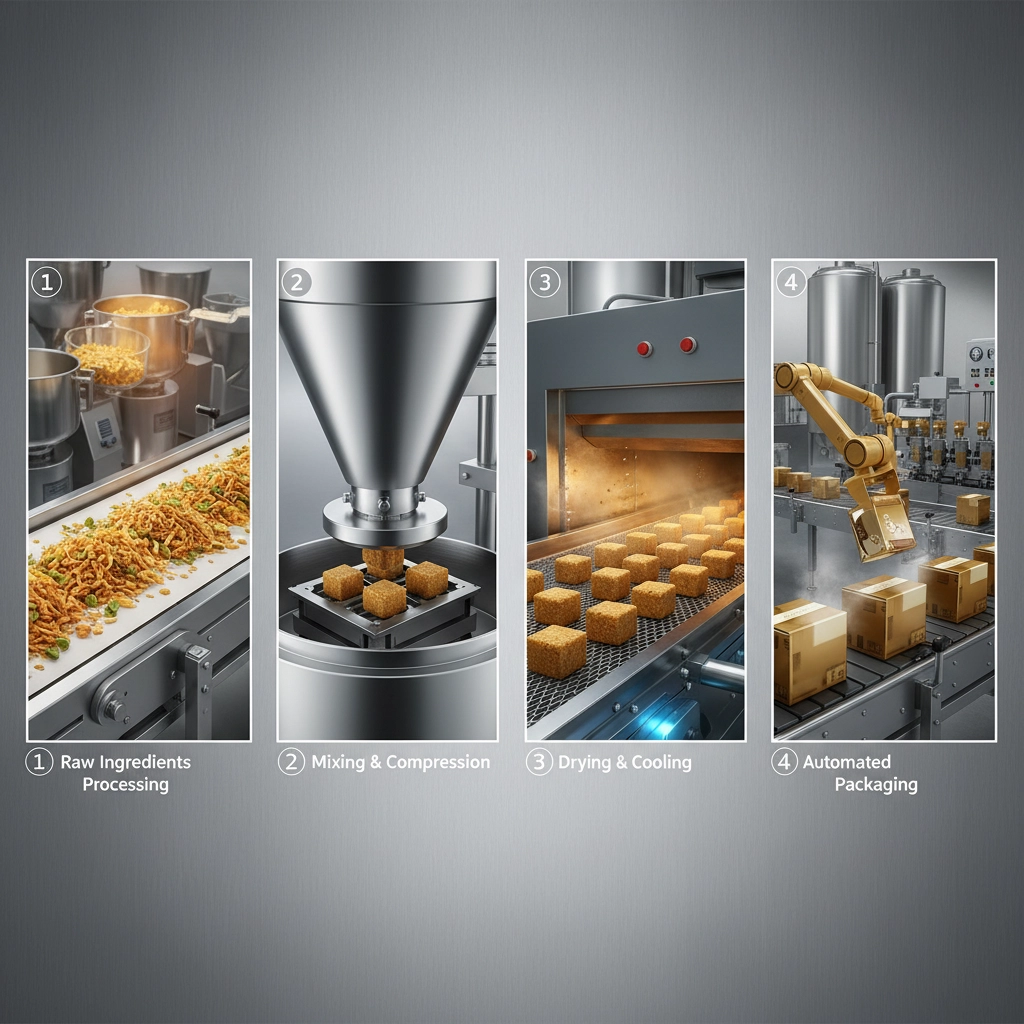
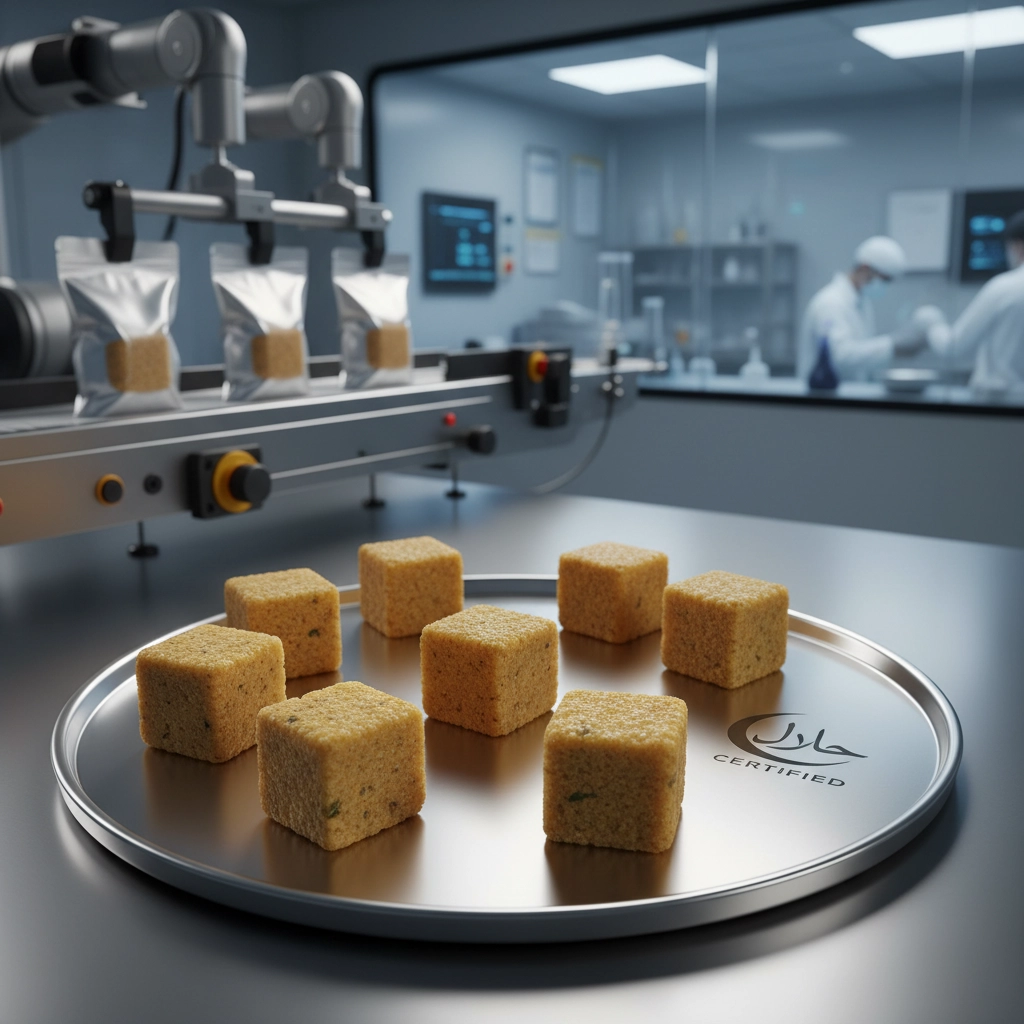
At its most basic level, chicken broth cubes are dehydrated concentrates of chicken essence, salt, fats, and various flavor enhancers. Through a process of evaporation and compression, the liquid broth is reduced to a solid form that remains stable at room temperature. This transformation requires a precise ratio of binders—often cornstarch or maltodextrin—to ensure the cube maintains its structural integrity during packaging and shipping.
From an industrial perspective, these products are a masterclass in food additive synergy. The integration of yeast extracts and hydrolyzed vegetable proteins mimics the natural amino acid profile of slow-simmered poultry, ensuring that when the cube is dissolved in boiling water, it releases a complex bouquet of aromas. This chemical engineering allows for a standardized taste, which is essential for franchise restaurants that require the same flavor in New York as they do in Tokyo.
Modern iterations of these cubes are also addressing dietary restrictions. We are seeing a rise in "natural" versions that exclude synthetic dyes and artificial preservatives, reflecting a global shift toward health-conscious consumption. By leveraging advanced spray-drying technology, manufacturers can now encapsulate delicate chicken aromas, preventing them from oxidizing and ensuring a fresh taste upon reconstitution.
Core Factors Influencing Quality and Stability
One of the primary drivers of quality in chicken broth cubes is the moisture content. To prevent microbial growth and ensure a shelf life of 12 to 24 months, the water activity must be kept extremely low. This is achieved through controlled dehydration processes that lock in the flavor while removing the medium that bacteria need to thrive.
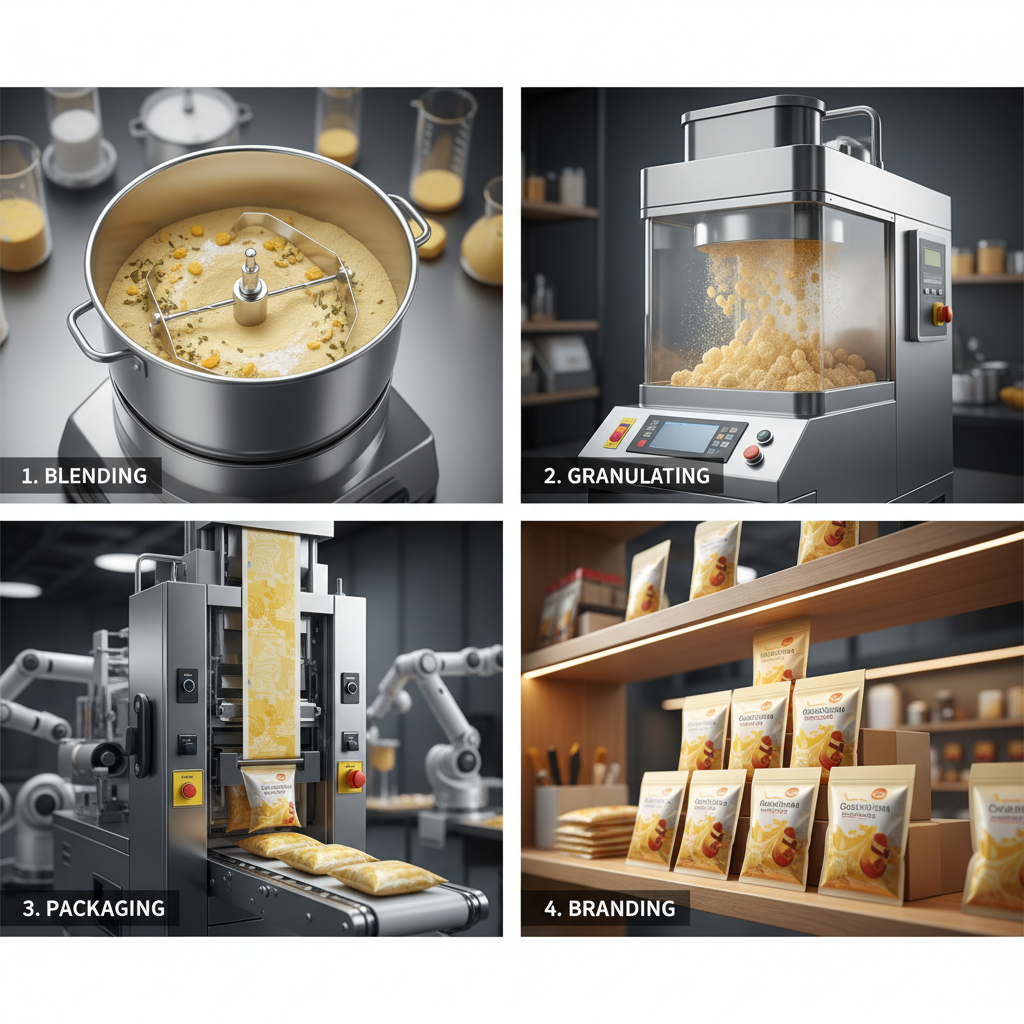
The scalability of production for chicken broth cubes depends heavily on the homogeneity of the dry mix. Any inconsistency in the distribution of salt or fat can lead to "spotting" or uneven dissolution in the final pot. High-shear blending equipment is typically used to ensure that every single cube contains the exact same proportion of ingredients.
Cost efficiency is another critical factor, balanced against the purity of the chicken extract. Manufacturers often utilize a blend of high-grade meat concentrates and strategic food additives to maintain a competitive price point without compromising the sensory experience. This balance is what allows these cubes to remain accessible to a global demographic.
Practical Applications and Market Use Cases
The versatility of chicken broth cubes allows them to transcend simple soup making. In the professional catering industry, they are used as a base for deglazing pans, seasoning rice and quinoa, or creating quick-glaze reductions for poultry dishes. Their ability to provide a concentrated salt and umami profile makes them an efficient alternative to liquid stocks in high-volume kitchens where storage space is at a premium.
Beyond commercial kitchens, these products play a significant role in humanitarian aid and disaster relief. Because they are lightweight, nutrient-dense (in terms of flavor and sodium for electrolyte balance), and require no refrigeration, chicken broth cubes are often included in emergency food kits to provide comfort and taste to basic grains in remote industrial zones or post-disaster areas.
Performance Analysis of Chicken Broth Cubes Production Methods
Strategic Advantages and Long-term Value
The primary tangible benefit of utilizing chicken broth cubes is the dramatic reduction in operational waste. Traditional broth production involves significant water usage and produces organic waste from vegetable peels and bone scraps. By switching to a concentrated cube format, food businesses can streamline their inventory and reduce the carbon footprint associated with transporting heavy liquids.
From a psychological perspective, these products offer reliability and trust. In a world where ingredient quality can fluctuate seasonally, a standardized cube ensures that a brand's signature dish tastes exactly the same every day. This consistency builds consumer loyalty and reduces the risk of costly kitchen errors, providing a sense of security to the operator and a consistent experience for the diner.
Future Trends in Savory Seasoning Innovation
The future of chicken broth cubes is leaning heavily toward sustainable biotechnology. We are seeing the emergence of "precision fermentation," where yeast is engineered to produce identical chicken proteins without the need for animal slaughter. This shift not only appeals to the growing vegan and vegetarian markets but also aligns with global sustainability goals to reduce the environmental impact of livestock farming.
Digital transformation is also hitting the manufacturing floor. AI-driven flavor profiling is now being used to analyze consumer taste preferences in real-time across different regions. This allows manufacturers to tweak the formula of their chicken broth cubes—perhaps adding more ginger for the East Asian market or more thyme for European palettes—with surgical precision.
Furthermore, the packaging is evolving. Biodegradable foils and compostable wrappers are replacing traditional plastics, ensuring that the convenience of the product does not come at the expense of the planet. These innovations are transforming a simple kitchen staple into a high-tech, eco-friendly culinary solution.
Overcoming Technical Challenges in Production
One of the most persistent challenges in the production of chicken broth cubes is "clumping" caused by hygroscopic ingredients. When sugar or salt absorbs moisture from the air, the cube can become sticky or hard, making it difficult to dispense. Engineers solve this by using advanced anti-caking agents and vacuum-sealed packaging that maintains a zero-humidity environment.
Another hurdle is the balance between sodium levels and taste intensity. As health regulations tighten, reducing salt without losing the savory "kick" is a complex chemical puzzle. The solution lies in the use of potassium salts and the enhancement of natural glutamates found in mushrooms and yeast, which trick the tongue into perceiving a saltier, richer taste.
Finally, ensuring a rapid dissolution rate is key to user satisfaction. If a cube takes too long to melt, it creates an inconsistent flavor profile in the dish. By optimizing the granulation of the powders and the pressure used during the compression phase, manufacturers can ensure that chicken broth cubes dissolve seamlessly in boiling water within seconds.
Technical Analysis of Chicken Broth Cubes Production Variables
| Component/Factor |
Impact on Quality |
Technical Solution |
Efficiency Score (1-10) |
| Moisture Control |
Prevents spoilage |
Vacuum Dehydration |
9 |
| Sodium Balance |
Taste perception |
Yeast Extract Synergy |
7 |
| Compression Force |
Cube durability |
Hydraulic Press Optimization |
8 |
| Aroma Retention |
Sensory appeal |
Micro-encapsulation |
6 |
| Dissolution Speed |
User convenience |
Particle Size Control |
9 |
| Packaging Barrier |
Shelf-life extension |
AL-Polymer Laminate |
10 |
FAQS
Commercial chicken broth cubes provide unparalleled consistency, a shelf life of up to two years, and immediate availability. While homemade stock is fresh, it requires hours of labor and significant energy for simmering. Cubes utilize standardized food additive technology to ensure the same flavor profile in every batch, which is critical for commercial scalability and cost control in professional kitchens.
Yes, they are ideal for industrial use due to their concentrated nature. They reduce the need for massive liquid storage tanks and simplify the logistics of ingredient sourcing. Many food manufacturers use these cubes as a base for pre-packaged meal kits or instant soups because they integrate seamlessly into automated mixing systems and provide a stable flavor baseline.
The most effective method is through "umami synergy." By increasing the concentration of naturally occurring glutamates—found in yeast extracts, mushroom powder, or hydrolyzed vegetable proteins—manufacturers can maintain a "salty" perception while physically reducing the sodium chloride content. This allows chicken broth cubes to meet health regulations without sacrificing the savory depth consumers expect.
Absolutely. One of the greatest advantages of the dehydrated cube format is its stability. Because the water activity is kept extremely low, they are resistant to microbial growth. When paired with moisture-barrier packaging (like aluminum foil), they can be shipped via standard sea or air freight across various climate zones without the need for expensive cold-chain logistics.
Chicken essence refers to a concentrate derived from actual poultry meat and bones through extraction. Chicken flavor often refers to a synthesized aromatic profile created from food-grade additives. Premium chicken broth cubes typically use a combination of both to achieve a realistic taste that is also stable and cost-effective for the consumer.
While designed for boiling water, dissolution in lower temperatures can be improved by reducing the compression pressure during manufacturing, which creates a more porous structure. Additionally, using a smaller particle size for the salt and sugar components helps the cube break down faster through capillary action, ensuring a smooth mix regardless of the water temperature.
Conclusion
In summary, chicken broth cubes represent a sophisticated intersection of culinary art and chemical engineering. From their ability to provide consistent umami profiles in high-pressure professional kitchens to their role as a vital resource in humanitarian aid, these products offer far more than mere convenience. By balancing moisture control, sodium levels, and aroma encapsulation, manufacturers have created a versatile tool that drives efficiency and accessibility in the global food supply chain.
Looking forward, the evolution of these products will likely be defined by the move toward sustainable, plant-based proteins and AI-driven flavor customization. As consumers demand cleaner labels and more ethical sourcing, the industry will continue to innovate, ensuring that the savory experience of a chicken broth remains a global staple while reducing its environmental footprint. For businesses seeking high-quality seasoning solutions, investing in advanced manufacturing standards is the only way to stay competitive in this dynamic market. Visit our website: www.chinaseasoning.com