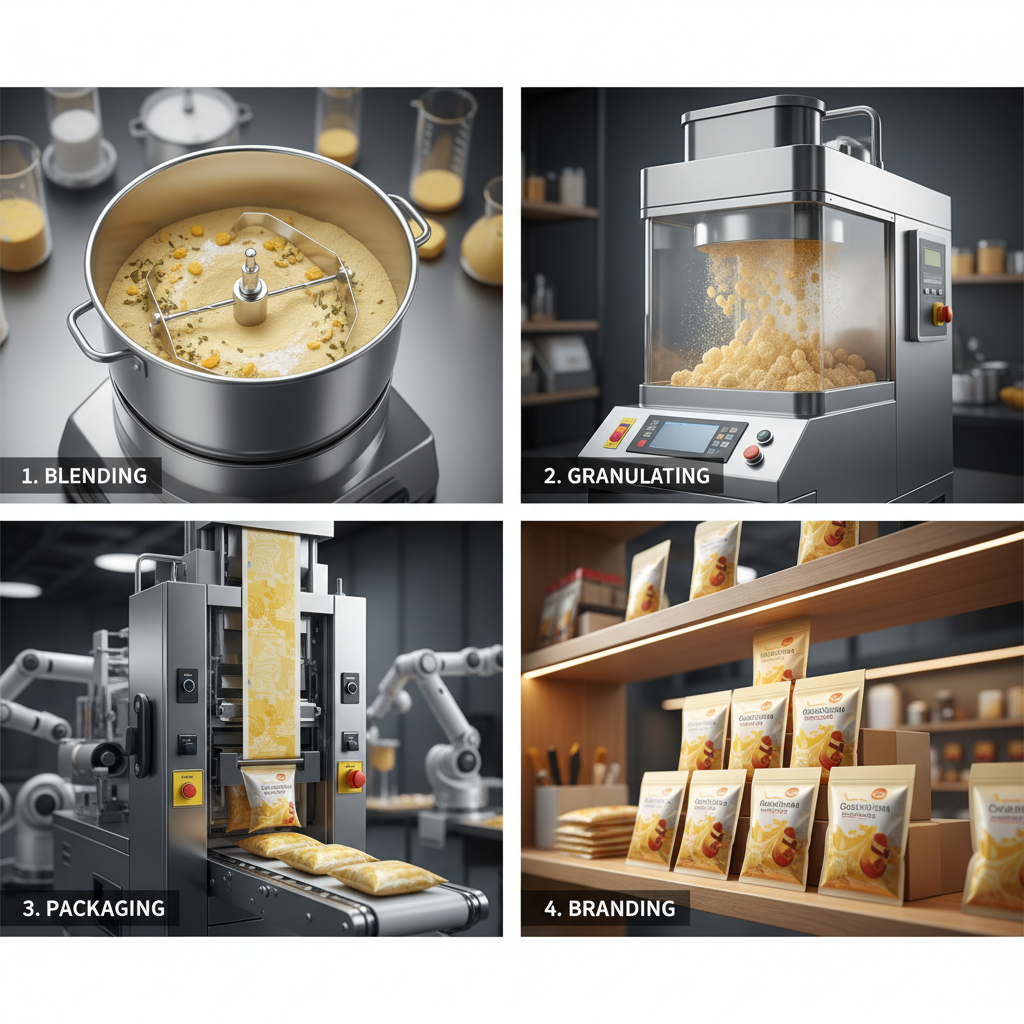
In the fast-paced world of modern food production and culinary convenience, chicken bouillon powder packets have emerged as an indispensable tool for both industrial manufacturers and home cooks. These concentrated flavor enhancers provide a consistent, savory profile that mimics slow-simmered chicken stock, allowing for the rapid creation of soups, stews, and sauces without the labor-intensive process of traditional brewing. By condensing essential proteins and seasonings into a portable format, these packets bridge the gap between gourmet taste and industrial efficiency.
From a global trade perspective, the demand for high-quality seasoning solutions has skyrocketed as urbanization increases and the need for shelf-stable, nutrient-dense food additives grows. The versatility of chicken bouillon powder packets makes them a staple in food service, catering, and emergency food rations. Their ability to maintain flavor integrity over long periods ensures that consistency is preserved regardless of the geographic location of the end-user.
Understanding the science behind these powder packets is crucial for brands aiming to optimize their product offerings in the competitive food additive market. By focusing on E-E-A-T principles—Experience, Expertise, Authoritativeness, and Trustworthiness—manufacturers can better communicate the safety, purity, and culinary value of their products. This guide explores the technical dimensions, applications, and future innovations of bouillon technology to help you maximize your operational success.
Global Market Relevance of Chicken Bouillon Powder Packets
The global appetite for convenience foods has positioned chicken bouillon powder packets as a critical commodity in the food additive sector. According to industry trends observed in alignment with ISO food safety standards, the shift toward pre-portioned seasonings reduces waste and ensures precise dosing in commercial kitchens. As emerging economies in Asia and Africa expand their processed food infrastructure, the reliance on stable, dehydrated flavor bases has grown exponentially to meet the needs of a growing middle class.
However, the industry faces a recurring challenge: balancing the intense "umami" profile consumers crave with the growing demand for "clean label" ingredients. Manufacturers are now tasked with reducing artificial MSG levels while maintaining the potency of their chicken bouillon powder packets. This tension drives innovation in fermentation and natural extract technology, pushing the boundaries of how we perceive and produce artificial chicken flavors.
Defining the Technical Composition of Bouillon Powders
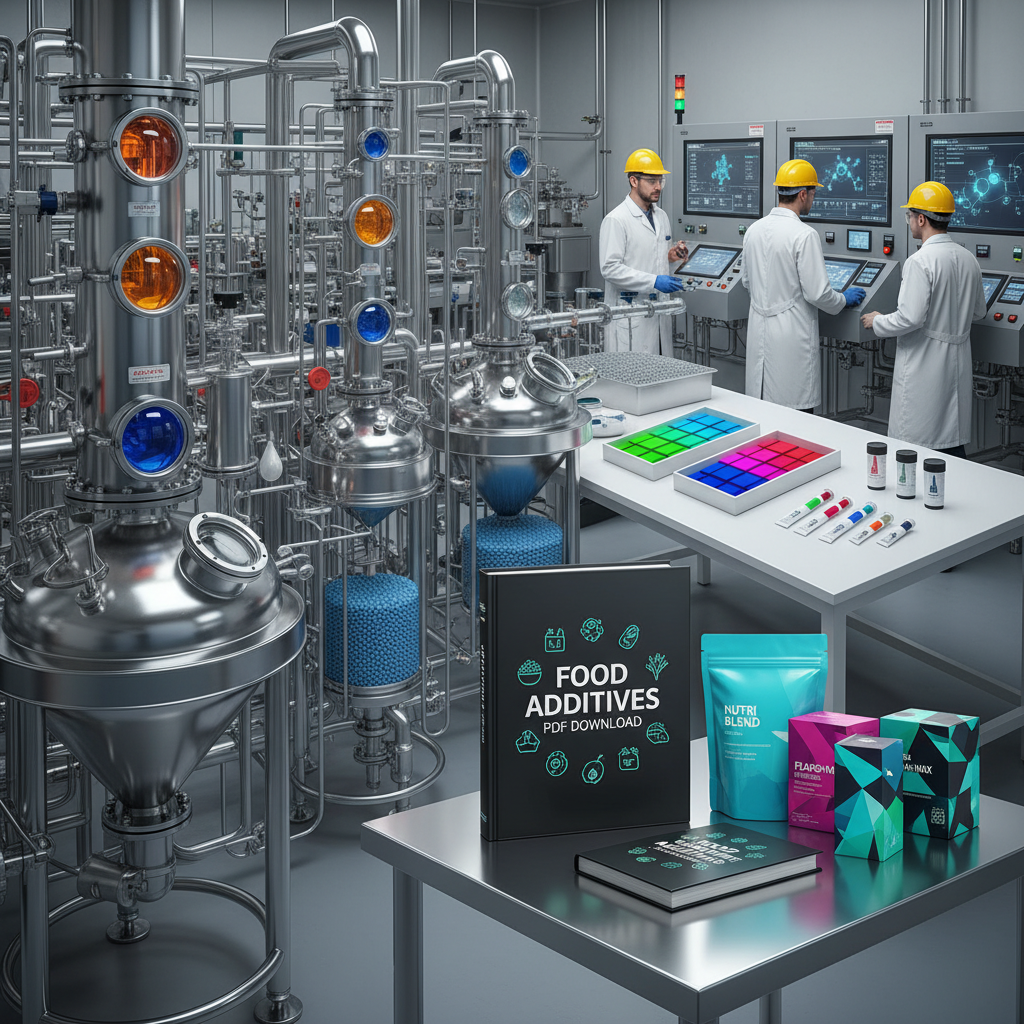
At its core, chicken bouillon powder packets are an engineered blend of dehydrated chicken extracts, salt, flavor enhancers, and anti-caking agents. Unlike liquid stocks, the powder form utilizes spray-drying technology to remove moisture, which exponentially increases shelf life and reduces transportation costs by eliminating the weight of water. This process ensures that the volatile aromatic compounds are trapped within a stable matrix.
From an industrial standpoint, these packets represent a sophisticated intersection of chemistry and culinary art. The inclusion of maltodextrin or cornstarch often serves as a carrier, ensuring that the flavor is distributed evenly throughout the powder. This prevents "hot spots" of salt or seasoning, providing the end-user with a consistent taste experience every time a packet is dissolved.
Furthermore, the connection to humanitarian needs is profound. In disaster relief operations or remote industrial zones, where fresh produce and refrigeration are unavailable, chicken bouillon powder packets provide essential sodium and flavor to bland staples like rice or porridge, improving the caloric intake and morale of affected populations through familiar, comforting tastes.
Core Components for Flavor Stability and Solubility
The effectiveness of chicken bouillon powder packets depends heavily on their solubility. If a powder clumps or fails to dissolve completely in hot water, it creates a poor consumer experience. High-grade bouillon utilizes finely micronized particles that react instantly with water, ensuring a smooth, homogeneous broth.
Flavor stability is achieved through the precise calibration of salt levels and the use of antioxidants. In chicken bouillon powder packets, salt does not just provide taste; it acts as a preservative that inhibits microbial growth. When paired with proper vacuum packaging, the flavor profile remains unchanged for up to 24 months.
Lastly, the "mouthfeel" of the resulting broth is managed through the addition of specific fats or hydrolyzed vegetable proteins. This ensures that the chicken bouillon powder packets deliver a rich, viscous texture similar to a bone-boiled stock, rather than a thin, watery solution.
Industrial Applications and Cost Efficiency
In large-scale food manufacturing, switching to chicken bouillon powder packets allows companies to standardize their flavor profiles across different production lines. Instead of relying on the variable quality of fresh chicken carcasses, which can vary by season and supplier, the powder offers a mathematical certainty in taste and salinity, reducing the risk of batch failure.
Moreover, the logistical cost efficiency is unmatched. Transporting liquid stock requires heavy packaging and temperature control, whereas powder packets are lightweight and ambient-stable. This reduction in logistics overhead allows manufacturers to reinvest capital into R&D and quality assurance.
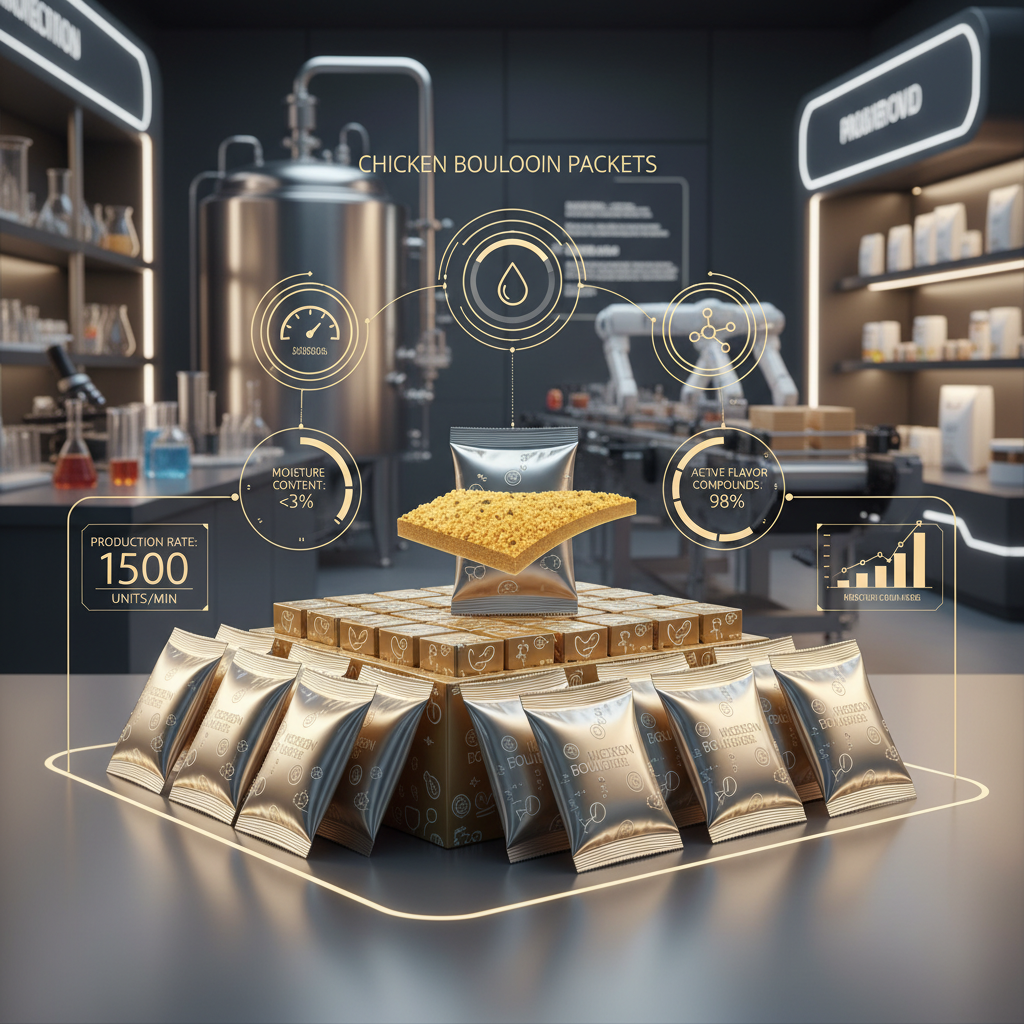
Efficiency Comparison of Chicken Bouillon Powder Packets
Strategic Advantages in Global Supply Chains
The primary strategic advantage of chicken bouillon powder packets is their resilience within the supply chain. Because they are non-perishable, they can be stockpiled in regional distribution centers, mitigating the risks associated with shipping delays or raw material shortages. This reliability is particularly valued by NGOs and government agencies providing food security in unstable regions.
Beyond logistics, there is a significant emotional and trust-based value. For consumers, the "packet" represents a promise of consistency. Whether purchased in a supermarket in New York or a village market in Southeast Asia, the specific flavor profile of a trusted brand's bouillon provides a sense of reliability and safety, which is the cornerstone of long-term brand loyalty in the food additive industry.
Sustainable Innovations in Seasoning Production
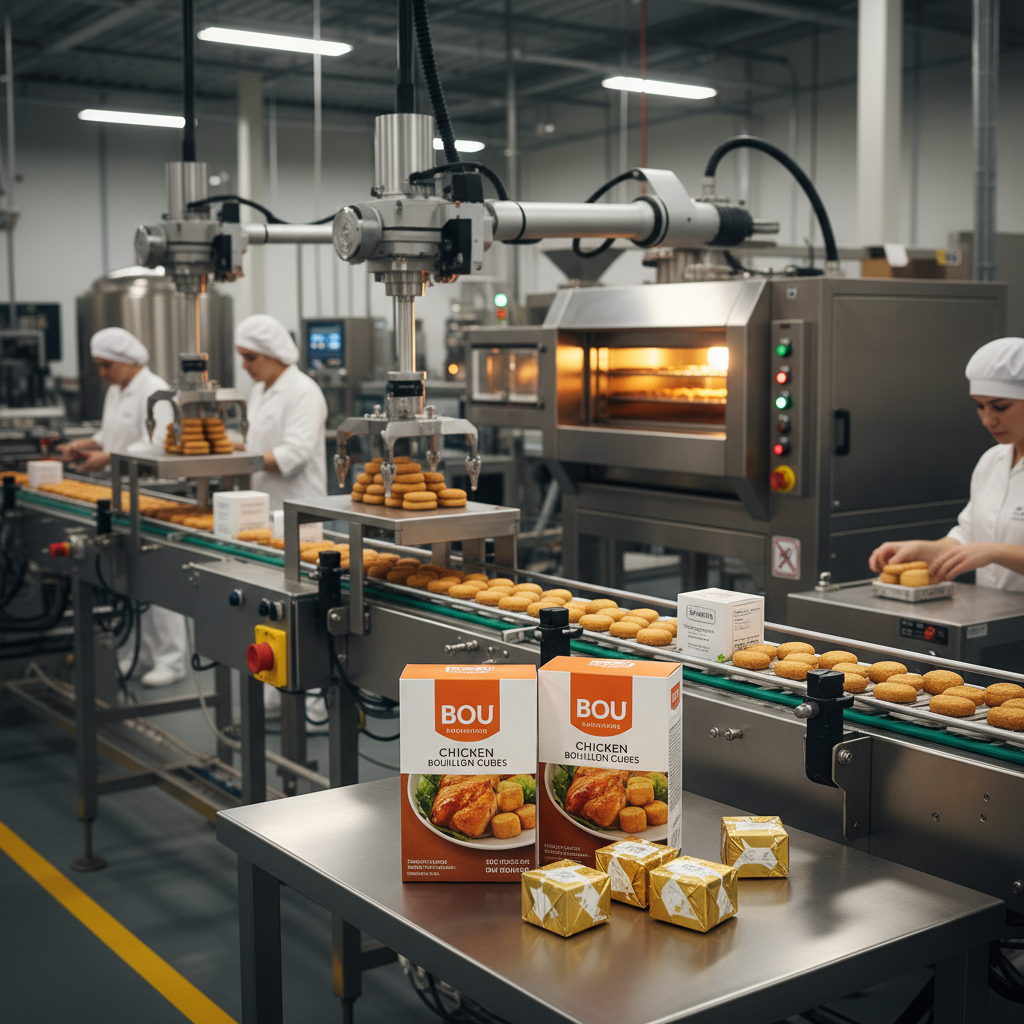
As the industry moves toward "Green Chemistry," the production of chicken bouillon powder packets is undergoing a digital and ecological transformation. Automation in dosing and packaging is reducing human error and material waste. Moreover, many manufacturers are adopting biodegradable films for the packets, reducing the plastic footprint of single-use seasonings.
Innovation is also occurring at the molecular level. The use of yeast extracts and fermented proteins is allowing companies to create "chicken-flavored" bouillon that is entirely vegan or low-sodium without sacrificing the savory depth. This caters to a growing demographic of health-conscious consumers who still desire the comfort of traditional flavors.
Furthermore, the integration of AI-driven flavor mapping allows developers to customize chicken bouillon powder packets for specific regional palates. By analyzing local consumption data, brands can adjust the spice or salt levels to better suit the cultural preferences of a specific market, increasing penetration and acceptance.
Overcoming Quality Control Challenges
One of the most persistent challenges in producing chicken bouillon powder packets is hygroscopicity—the tendency of the powder to absorb moisture from the air. This can lead to caking and clumping, which renders the product unusable. The solution lies in the use of advanced food-grade desiccants and high-barrier foil packaging that prevents water vapor transmission.
Another hurdle is the consistency of raw chicken extracts. Variations in the source material can lead to shifts in color and taste. To combat this, industry leaders implement rigorous batch-testing and standardization protocols, using spectrophotometry to ensure the gold-yellow hue of the powder is uniform across millions of packets.
Finally, addressing the "MSG-free" demand requires a shift toward natural umami sources like mushroom extract or tomato powder. While more expensive, these alternatives enhance the perceived value of the chicken bouillon powder packets, allowing brands to position themselves in the premium health-food segment.
Quality Control Dimensions for Chicken Bouillon Powder Production
| Control Parameter |
Risk Factor |
Mitigation Strategy |
Impact Score (1-10) |
| Moisture Content |
Caking/Clumping |
Aluminium Foil Barrier |
9 |
| Sodium Level |
Taste Imbalance |
Precision Digital Dosing |
8 |
| Particle Size |
Poor Solubility |
Jet Milling Technology |
7 |
| Color Uniformity |
Visual Rejection |
Standardized Colorants |
6 |
| Microbial Load |
Shelf-life Decay |
Strict HACCP Protocols |
10 |
| Aroma Retention |
Loss of Freshness |
Vacuum Packaging |
8 |
FAQS
When stored in a cool, dry place and sealed in high-barrier foil packaging, high-quality chicken bouillon powder packets typically have a shelf life of 18 to 24 months. The low moisture content and high salt concentration act as natural preservatives, preventing microbial growth and maintaining the savory flavor profile over time.
Yes, they are ideal for industrial use due to their consistency and ease of measurement. Manufacturers use them to ensure that every batch of soup or sauce has the exact same taste profile, eliminating the variability found in fresh ingredients and significantly reducing labor costs associated with traditional stock preparation.
To prevent clumping, it is essential to use packets with an airtight aluminum seal. In the manufacturing stage, the addition of food-grade anti-caking agents like silicon dioxide can also help. For end-users, keeping the packets in a sealed container away from direct steam or moisture is highly recommended.
Absolutely. Modern food additive technology allows for the creation of low-sodium and MSG-free chicken bouillon powder packets by utilizing natural flavor enhancers such as yeast extract, mushroom powder, and fermented proteins, which provide the same umami depth without the additive concerns.
Powder packets generally offer superior solubility and easier dosing flexibility compared to cubes. While cubes are compressed and may take longer to dissolve, powder packets disperse instantly in hot water, making them more efficient for rapid industrial processing and home cooking.
NGOs can import these by ensuring the manufacturer provides complete certificates of analysis (CoA) and complies with the destination country's food safety regulations. Because they are shelf-stable and lightweight, they are often shipped in bulk cartons that are easy to distribute in remote areas.
Conclusion
In summary, chicken bouillon powder packets are far more than simple convenience items; they are a sophisticated food additive solution that optimizes flavor consistency, reduces logistical costs, and supports global food security. By balancing technical solubility with aromatic stability and evolving toward sustainable, clean-label formulations, these products continue to meet the rigorous demands of both industrial manufacturers and end-consumers worldwide.
Looking forward, the industry will likely see a deeper integration of biotechnology and eco-friendly packaging, making bouillon production more sustainable and health-centric. For businesses seeking to enhance their product line or streamline their culinary operations, investing in high-grade, standardized seasoning solutions is a strategic move toward operational excellence. Visit our website for more professional solutions: www.chinaseasoning.com