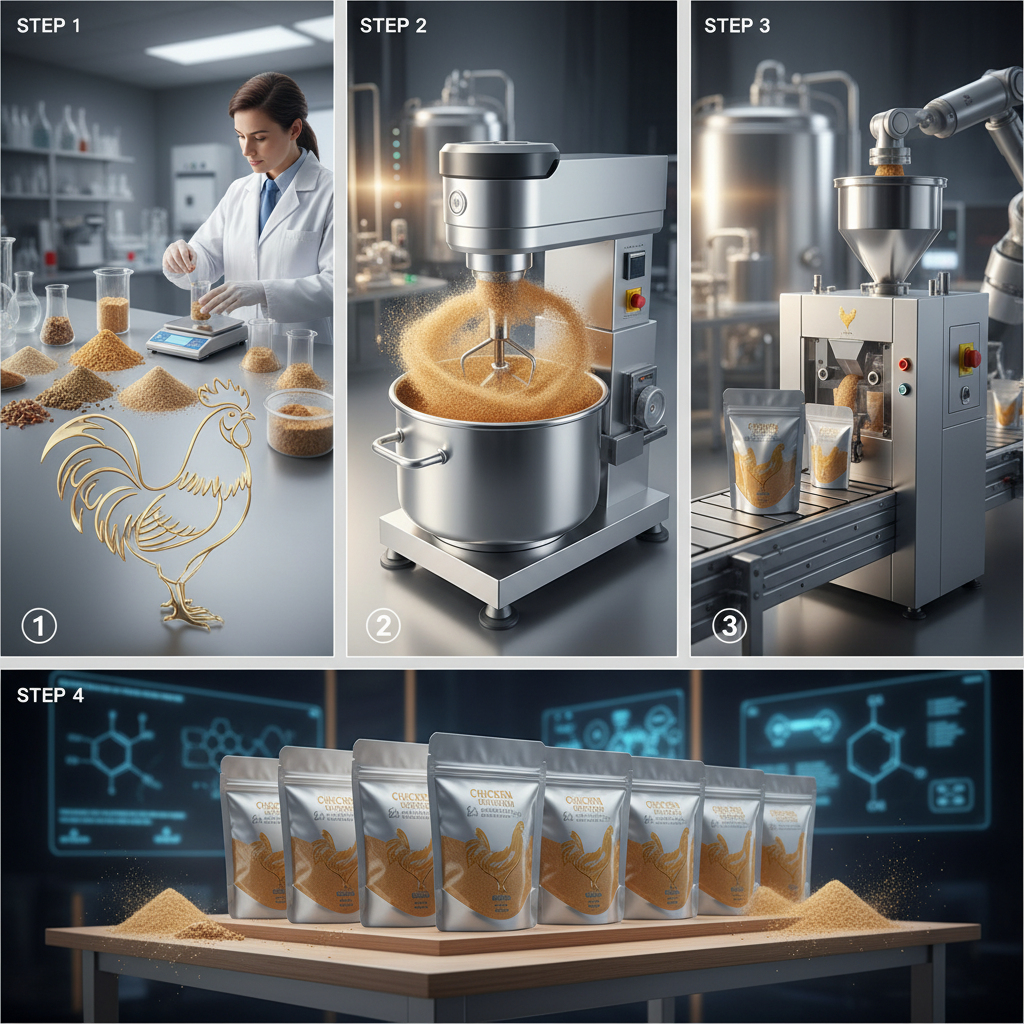
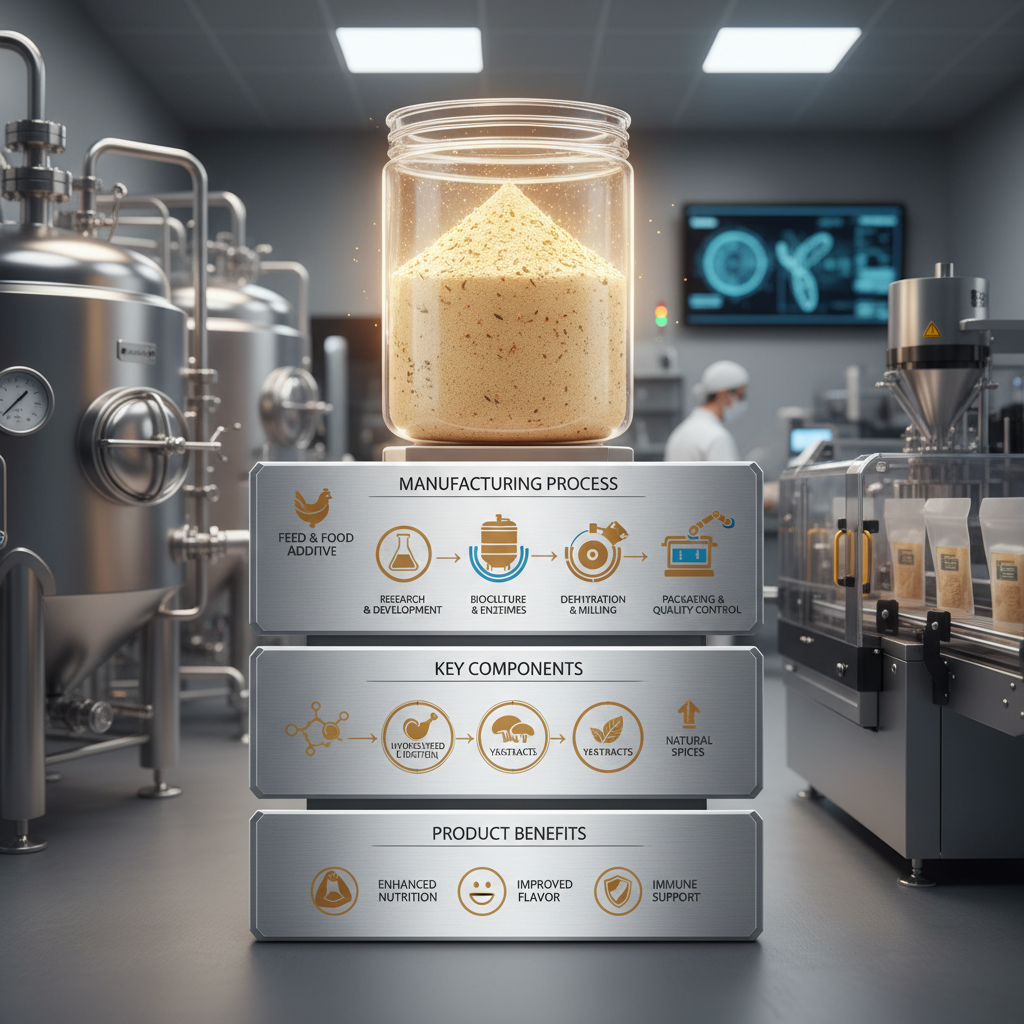
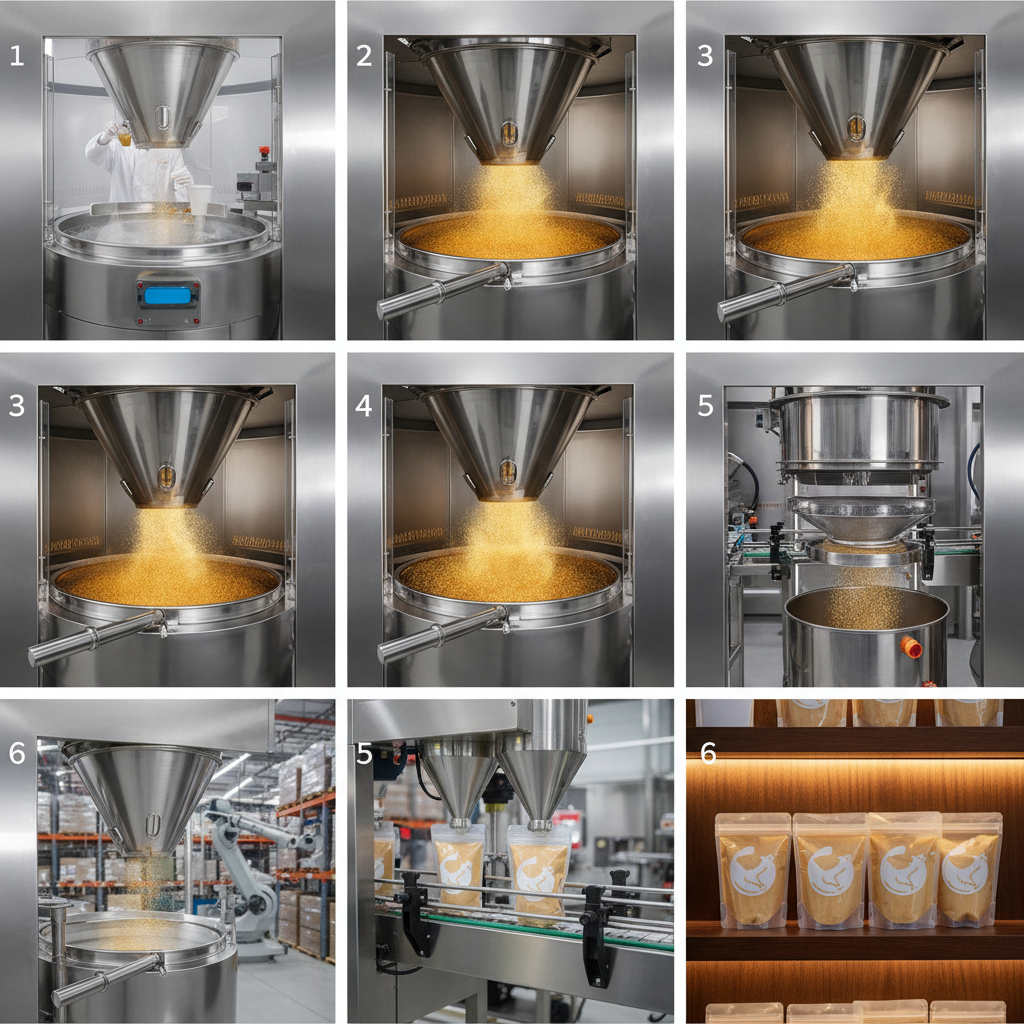
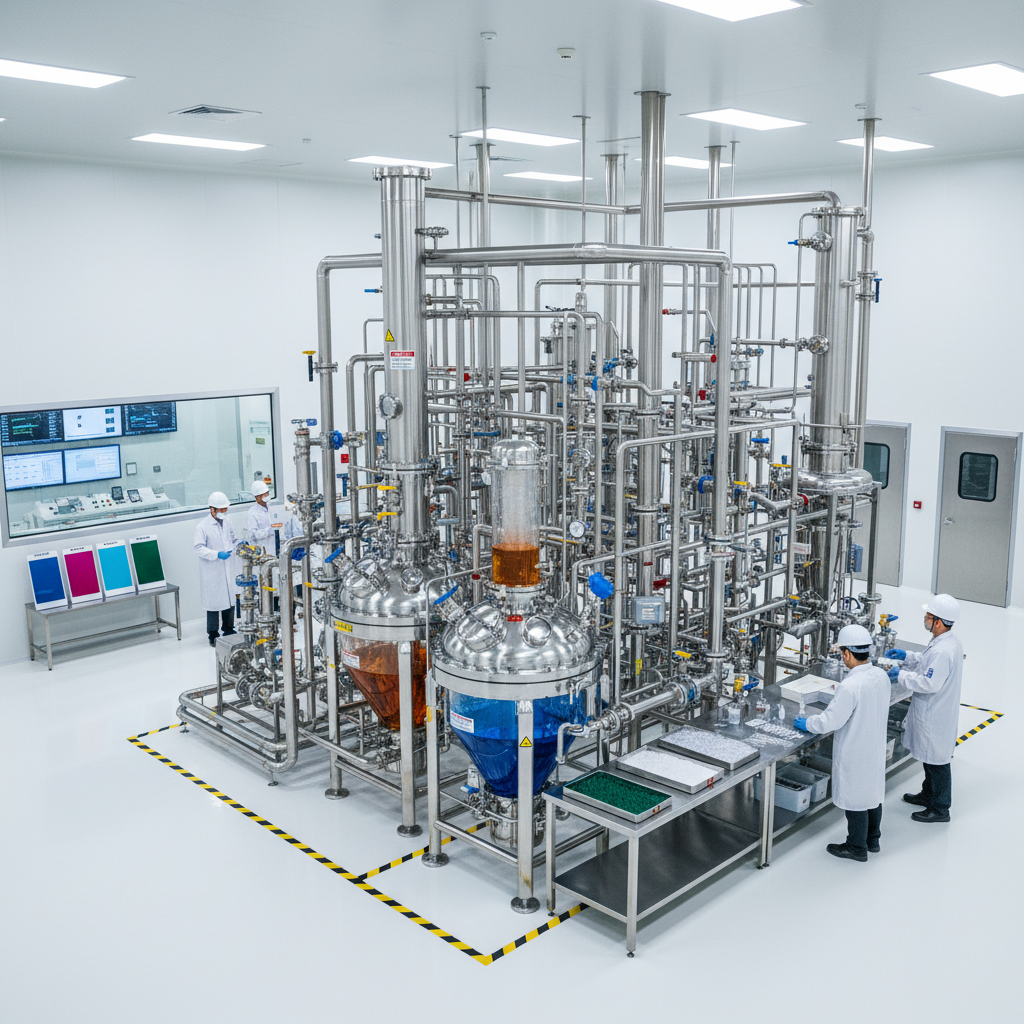
In the competitive landscape of modern poultry farming, optimizing growth rates and ensuring animal health are paramount for economic viability. The introduction of chicken booster powder has revolutionized how producers approach early-stage nutrition, providing a concentrated blend of essential nutrients that stimulate rapid development and immune resilience. By bridging the nutritional gap during critical growth phases, these additives ensure that broiler chickens reach their target weight more efficiently and with fewer health complications.
Global demand for high-quality protein continues to soar, placing immense pressure on the feed additive industry to innovate. The implementation of chicken booster powder allows farmers to mitigate the risks associated with nutritional deficiencies and environmental stressors. From improving feed conversion ratios to enhancing the overall robustness of the flock, these specialized powders are no longer optional luxuries but essential tools for scalable, industrial-grade poultry production.
Understanding the science behind these additives is key to maximizing their ROI. Whether integrated into a comprehensive feed additive program or used as a targeted supplement, chicken booster powder offers a data-driven approach to animal husbandry. By focusing on bio-availability and precise nutrient delivery, this technology supports the global goal of sustainable food security while maintaining the highest standards of animal welfare.
Global Relevance of Chicken Booster Powder
The poultry industry is one of the fastest-growing sectors of global agriculture, with a constant need for efficiency to meet the benchmarks set by organizations like the FAO. As population growth increases the demand for affordable protein, chicken booster powder serves as a critical intervention to reduce mortality rates in hatcheries and accelerate the growth cycle of broilers. In many emerging markets, the lack of consistent nutritional quality in raw grains makes these additives indispensable for stabilizing growth.
Furthermore, the shift toward antibiotic-free production—driven by WHO guidelines on antimicrobial resistance—has placed a spotlight on nutritional boosters. By enhancing the natural immune response of the birds, chicken booster powder reduces the reliance on medicinal interventions, creating a safer food chain for the end consumer and a more resilient operation for the farmer.
Defining the Mechanism of Chicken Booster Powder
At its core, chicken booster powder is a precision-engineered dietary supplement containing a synergistic blend of amino acids, vitamins, minerals, and often organic acids or probiotics. Unlike standard feed, which provides general sustenance, a "booster" is designed to be highly bio-available, meaning the bird's digestive system can absorb the nutrients almost immediately to fuel rapid cellular growth and metabolic function.
The primary goal of this additive is to optimize the "starter" phase of the chicken's life. During the first few weeks, the skeletal structure and immune system are developed; any deficiency here can permanently stunt the bird's potential. By utilizing chicken booster powder, producers ensure that the biological blueprint of the bird is fully supported, leading to better weight uniformity across the entire flock.
From a commercial perspective, this product fits into the broader category of Feed Additives, serving as a bridge between basic nutrition and pharmaceutical-grade health management. It addresses the humanitarian need for food security by lowering the cost of production and increasing the yield per hectare of land used for feed crops, making poultry a more sustainable protein source globally.
Core Components for Maximum Efficacy
The efficacy of chicken booster powder depends heavily on the balance of its core components. High-grade versions typically emphasize "Scalability" and "Bio-absorption," ensuring that whether a farmer manages a thousand or a million birds, the nutritional delivery remains consistent and effective across different environments.
Crucial to the formula is the inclusion of essential amino acids like Lysine and Methionine, which are the building blocks of muscle tissue. When these are paired with a robust vitamin complex in chicken booster powder, the result is a significant increase in Feed Conversion Ratio (FCR), meaning less feed is wasted and more is converted into lean meat.
Another vital aspect is "Cost Efficiency." By concentrating these nutrients into a powder form, shipping and storage costs are minimized. Furthermore, the inclusion of digestive enzymes within the chicken booster powder helps the birds break down complex carbohydrates in cheaper, local feed sources, further driving down the overall cost of production without sacrificing growth quality.
Comparative Performance Analysis
When evaluating the impact of different supplementation strategies, it becomes clear that a targeted chicken booster powder outperforms generic vitamin premixes. The precision of the nutrient ratios in booster powders is designed to match the specific metabolic spikes occurring during the first 14 days of a broiler's life.
To illustrate this, we can look at the growth acceleration and health scores across various application methods. While traditional feeding provides a baseline, the use of specialized boosters consistently pushes the performance ceiling higher, particularly in high-density industrial environments where stress levels are elevated.
Growth & Health Impact of Chicken Booster Powder Variants
Global Applications and Use Cases
The application of chicken booster powder varies by region and industrial scale. In North America and Europe, where automation is high, these powders are often integrated into automated feeding systems to ensure milligram-precise dosing. This allows large-scale integrators to maintain strict quality control and predictability in their supply chains.
In contrast, in Southeast Asia and Africa, chicken booster powder is frequently used in "top-dressing" applications, where the powder is applied directly to the feed in smaller flocks. This provides a critical safety net for smallholder farmers who may not have access to sophisticated milling equipment but still require professional-grade nutritional support to keep their livestock viable.
Long-term Value and Sustainability
The long-term value of investing in chicken booster powder extends beyond mere weight gain. By improving the initial health of the bird, producers see a marked decrease in long-term veterinary costs and medicine expenditures. This "preventative nutrition" approach fosters a more ethical environment for the animals, as healthy birds are less prone to the stress-related illnesses common in crowded conditions.
Sustainability is also a key driver. Because chicken booster powder optimizes feed conversion, fewer raw materials (such as soy and corn) are required to produce the same amount of meat. This reduces the environmental footprint of the poultry industry by lowering the pressure on land use and decreasing the amount of nutrient runoff from waste.
Ultimately, the trust built between the additive supplier and the farmer is based on reliability. When a producer can guarantee that their chicken booster powder delivers consistent results regardless of the season or temperature fluctuations, it creates a stable economic foundation for the entire poultry value chain.
Future Innovations in Poultry Nutrition
Looking ahead, the evolution of chicken booster powder is moving toward "precision nutrition." We are seeing the integration of nano-encapsulation technology, which allows nutrients to be released slowly over time or triggered by specific pH levels in the bird's gut. This ensures that no nutrients are wasted and that the chicken booster powder is utilized with 100% efficiency.
Digital transformation is also playing a role. Smart farms are now linking their feeding data to the composition of their additives. In the future, chicken booster powder formulations may be adjusted in real-time based on sensor data monitoring the flock's growth and health, creating a closed-loop system of nutritional optimization.
Finally, the move toward "Green Chemistry" is influencing how these powders are manufactured. The industry is shifting away from synthetic carriers toward organic, biodegradable substrates. This ensures that the use of chicken booster powder remains compatible with the strictest organic certifications and global sustainability goals.
Core Analysis of Future Trends in Chicken Booster Powder Development
| Innovation Dimension |
Current Standard |
Future Projection |
Impact Score (1-10) |
| Delivery Method |
Mixed Powder |
Nano-encapsulation |
9 |
| Nutrient Sourcing |
Synthetic Vitamins |
Bio-fermented Organics |
8 |
| Dosing Logic |
Fixed Schedule |
AI-Driven Dynamic Dosing |
10 |
| Immune Support |
General Vitamins |
Targeted Prebiotics |
7 |
| Environmental Impact |
Standard Waste |
Zero-Waste Solubles |
8 |
| Cost Structure |
Volume-Based |
Performance-Based Pricing |
6 |
FAQS
For maximum efficacy, chicken booster powder should be introduced immediately upon hatching or during the first 24-48 hours of the starter phase. This is the critical window where the bird's digestive system and immune defenses are being established. Early introduction ensures that the bird has the necessary biochemical tools to handle the transition to solid feed and minimizes early-stage mortality.
No, chicken booster powder is a supplement, not a complete meal replacement. It is designed to be added to a balanced basal diet. While it provides highly concentrated micronutrients and growth promoters, the birds still require the bulk calories, proteins, and fibers provided by grains and soybean meal. Think of it as a "vitamin boost" that makes the primary feed work more effectively.
By enhancing the digestibility of nutrients and improving gut health, chicken booster powder typically lowers the FCR. This means the chickens require less total feed to reach a specific target weight. In industrial settings, even a 0.1 improvement in FCR can lead to massive cost savings and a reduction in the environmental footprint of the farm.
It depends on the specific formulation. Many modern chicken booster powders are formulated using organic-compliant ingredients, such as natural plant extracts and fermented minerals. To ensure compliance, farmers should check that the product is free from synthetic hormones and prohibited growth promoters. Always verify the certification of the manufacturer to meet local organic standards.
Because these powders contain sensitive vitamins and probiotics, they should be stored in a cool, dry place away from direct sunlight. Moisture can cause clumping and degrade the active ingredients. Using airtight, UV-protected containers is highly recommended to ensure the product remains potent until the end of its shelf life.
A general premix is designed for maintenance across all growth stages, whereas chicken booster powder is a high-intensity formula specifically for the early growth acceleration phase. Boosters have higher concentrations of specific amino acids and metabolic catalysts that are only necessary during the "start" phase, whereas premixes provide a steady, lower-dose supply of nutrients for the bird's entire life.
Conclusion
In summary, chicken booster powder represents a sophisticated intersection of nutrition science and industrial efficiency. By focusing on the critical early stages of poultry development, these additives not only accelerate growth and improve feed conversion but also enhance the overall health and welfare of the flock. From reducing antibiotic dependency to maximizing the ROI of feed crops, the strategic use of booster powders is a cornerstone of modern, sustainable poultry production.
As we move toward an era of precision agriculture, the role of specialized additives will only grow. Producers who embrace these innovations will find themselves better equipped to handle the challenges of food security and environmental regulation. We recommend a transition toward data-driven nutritional plans that integrate high-quality booster powders to ensure a resilient, profitable, and ethical production cycle. For more professional solutions, visit our website: www.chinaseasoning.com